



-
Micro LSR Seal Design: Flash Prevention Tips for Precision Molding
-
Advantages of Liquid Silicone Rubber (LSR): Why It Is Replacing Traditional Rubber and Plastics
-
LSR Injection Molding (Cold Runner) vs. Compression Molding LSR (Runnerless): Process & Selection Guide
-
Medical Injection Molding DFM Checklist & Design Guidelines
What is clean room manufacturing?
2026-07-08




复制成功
What is clean room manufacturing? Learn ISO cleanroom classes, contamination control processes & applications in medical, electronics & pharmaceutical production.Cleanroom manufacturing refers to the standardized production, processing and assembly activities carried out in a graded cleanroom environment.
1. What is a Clean Room
A clean room (cleanroom) is a specially controlled enclosed space designed to minimize airborne particulate contamination, including dust, microorganisms, aerosol particles, and suspended impurities. It strictly regulates air cleanliness, temperature, humidity, air pressure, airflow pattern, noise, and static electricity through professional ventilation, filtration, and environmental control systems.
Unlike ordinary industrial workshops, a clean room eliminates environmental interference that may affect product quality, precision, and sterility. It is the core production environment for high-precision and high-purity industries, ensuring product consistency, stability, and compliance with industrial production specifications.
2. Clean Room Manufacturing
Clean room manufacturing refers to standardized production, processing, and assembly activities carried out in classified clean room environments. It covers the entire industrial production process that relies on contamination control, avoiding product defects, performance degradation, or safety risks caused by particulate pollution and microbial contamination.
This manufacturing mode is widely applied in high-end precision industries, including pharmaceutical production, medical device processing, semiconductor and microelectronics manufacturing, precision optics, food sterile packaging, biotechnology, and aerospace component production. The whole production process follows strict environmental monitoring, personnel management, material transfer, and equipment cleaning specifications to maintain continuous environmental cleanliness.
Key features of clean room manufacturing include high-precision environmental control, standardized operation procedures, real-time pollution monitoring, and full-process traceability, which are essential for producing high-purity, high-precision, and sterile industrial products.
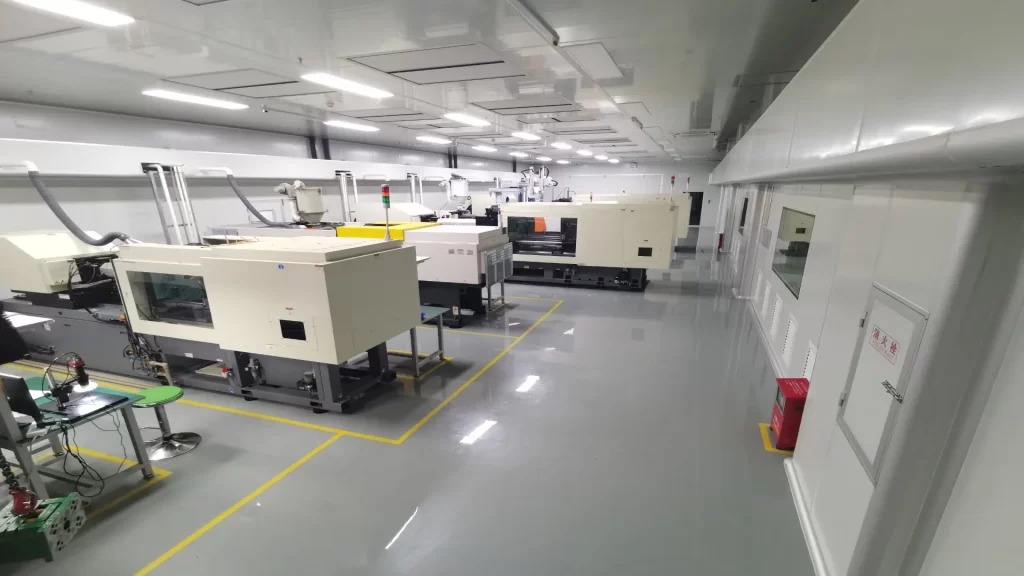
3. Clean Room Classifications
Clean room classification is a systematic grading standard used to define the air cleanliness level of clean rooms. It classifies clean rooms according to the maximum allowable concentration and particle size of suspended airborne particles in unit air volume.
The core classification logic is that the lower the number of suspended particles and the fewer fine particles in the air, the higher the cleanliness level of the clean room. At present, the mainstream classification systems in the industry include the international ISO standard system and the traditional US Federal Standard 209E system. Different grades correspond to different application scenarios, production precision requirements, and environmental control thresholds.
Clean room classification is not only the basis for clean room design, construction, and acceptance but also the core criterion for production qualification review in various precision industries.
4. ISO Clean Room Classification
ISO clean room classification is a unified international clean room grading standard formulated by the International Organization for Standardization, based on the ISO 14644-1 standard, which is globally recognized and universally applicable.
This standard abandons the traditional imperial unit grading method of Federal Standard 209E and adopts a unified metric system grading system. It divides clean rooms into multiple grades according to the maximum allowable number of suspended particles of different particle sizes (0.5μm, 1.0μm, 5.0μm) per cubic meter of air. It also puts forward unified requirements for clean room air exchange frequency, pressure difference, temperature and humidity, and monitoring frequency.
Compared with traditional classification standards, ISO classification has higher accuracy, better universality, and more standardized detection indicators, and has become the mandatory compliance standard for clean room manufacturing in most industries worldwide.
5. ISO Class
ISO Class refers to the specific cleanliness grade code under the ISO 146441 clean room standard, which ranges from ISO Class 1 to ISO Class 9 in ascending order of cleanliness (the smaller the number, the higher the cleanliness and the stricter the environmental requirements).
Each ISO Class corresponds to a clear quantitative particle concentration limit: it specifies the maximum allowable number of suspended particles of 0.5μm and 5.0μm in one cubic meter of air. Different grades match different industrial production scenarios:
1.High-grade ISO Class (1-4):
Ultra-high cleanliness, applied in ultra-precision semiconductor, aerospace chip, and nanomaterial manufacturing
2.Medium-high ISO Class (5-6):
High-precision sterile production, applied in sterile pharmaceutical preparation, high-end medical device processing
3.Medium ISO Class (7-8):
Conventional precision clean manufacturing, the most widely used commercial grade
4.Low-grade ISO Class (9):
Low-pollution control scenarios, applied in general food processing and ordinary precision parts production
For details, please refer to Technical Capabilities Full-Cycle Empowerment
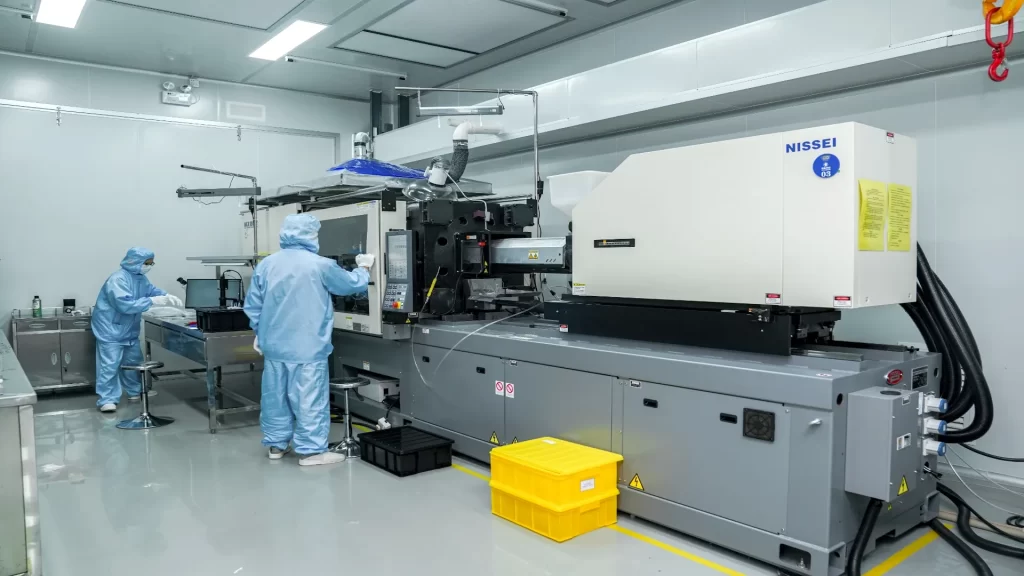
ISO Class 7 meets the strict cleanliness requirements for industries such as healthcare and food processing.
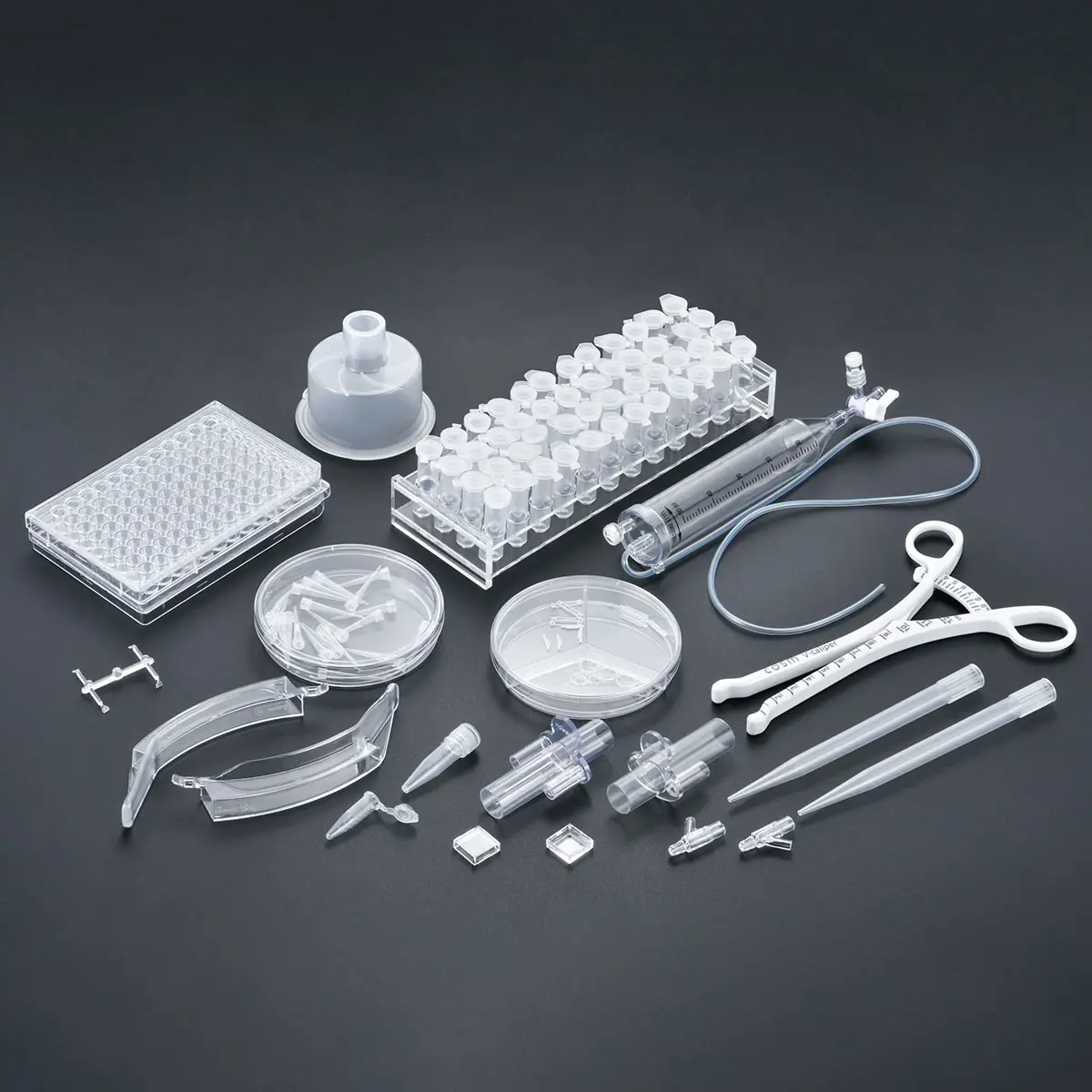
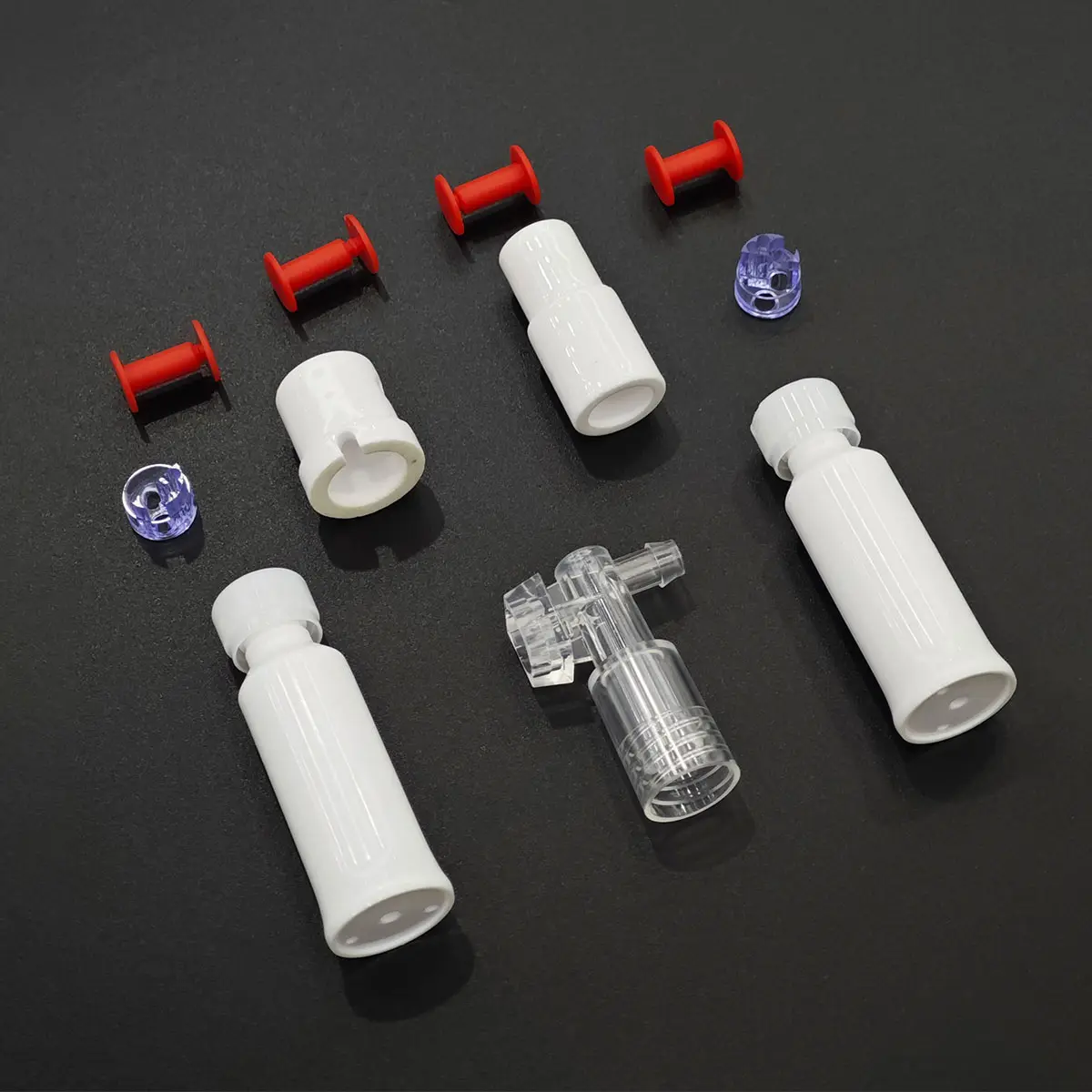
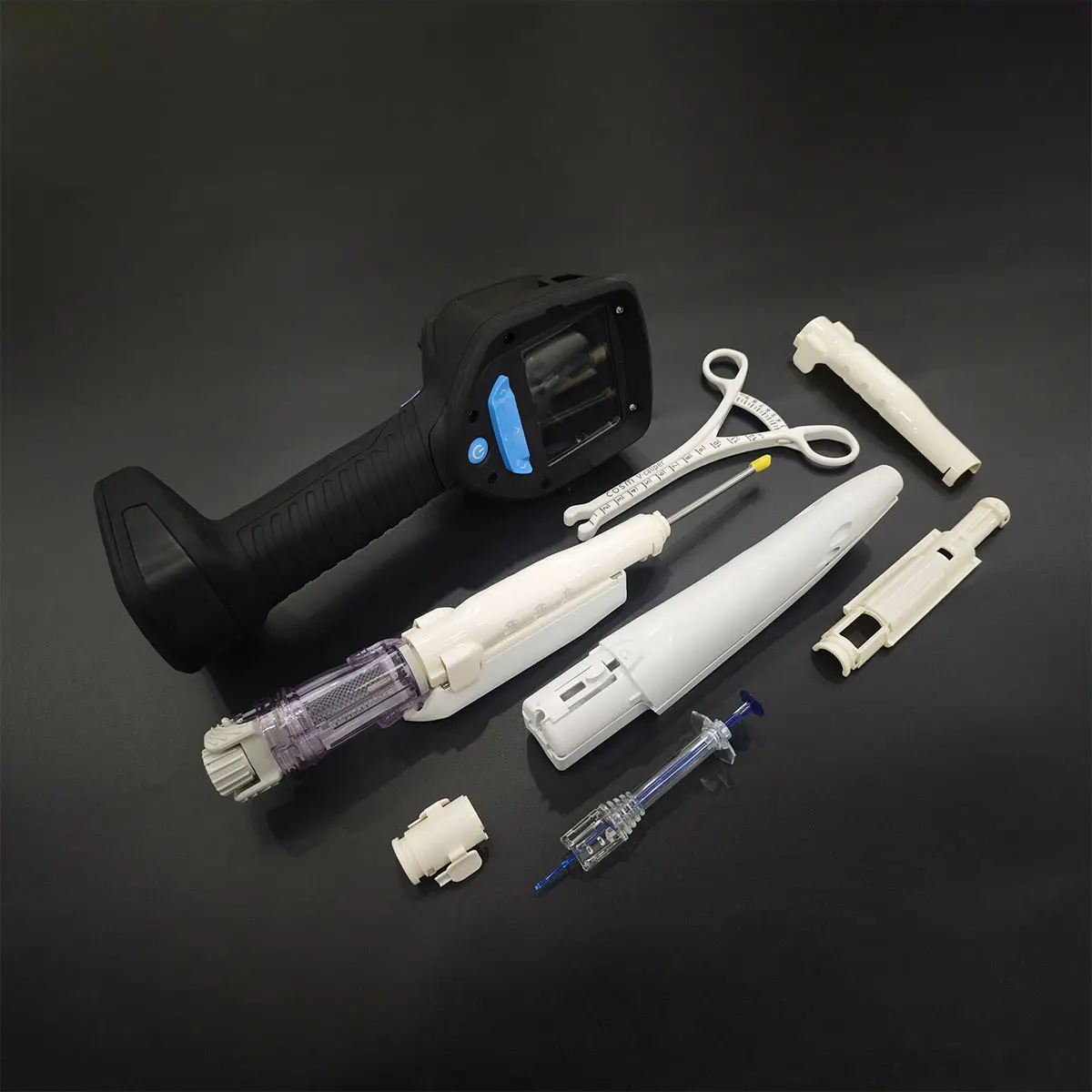
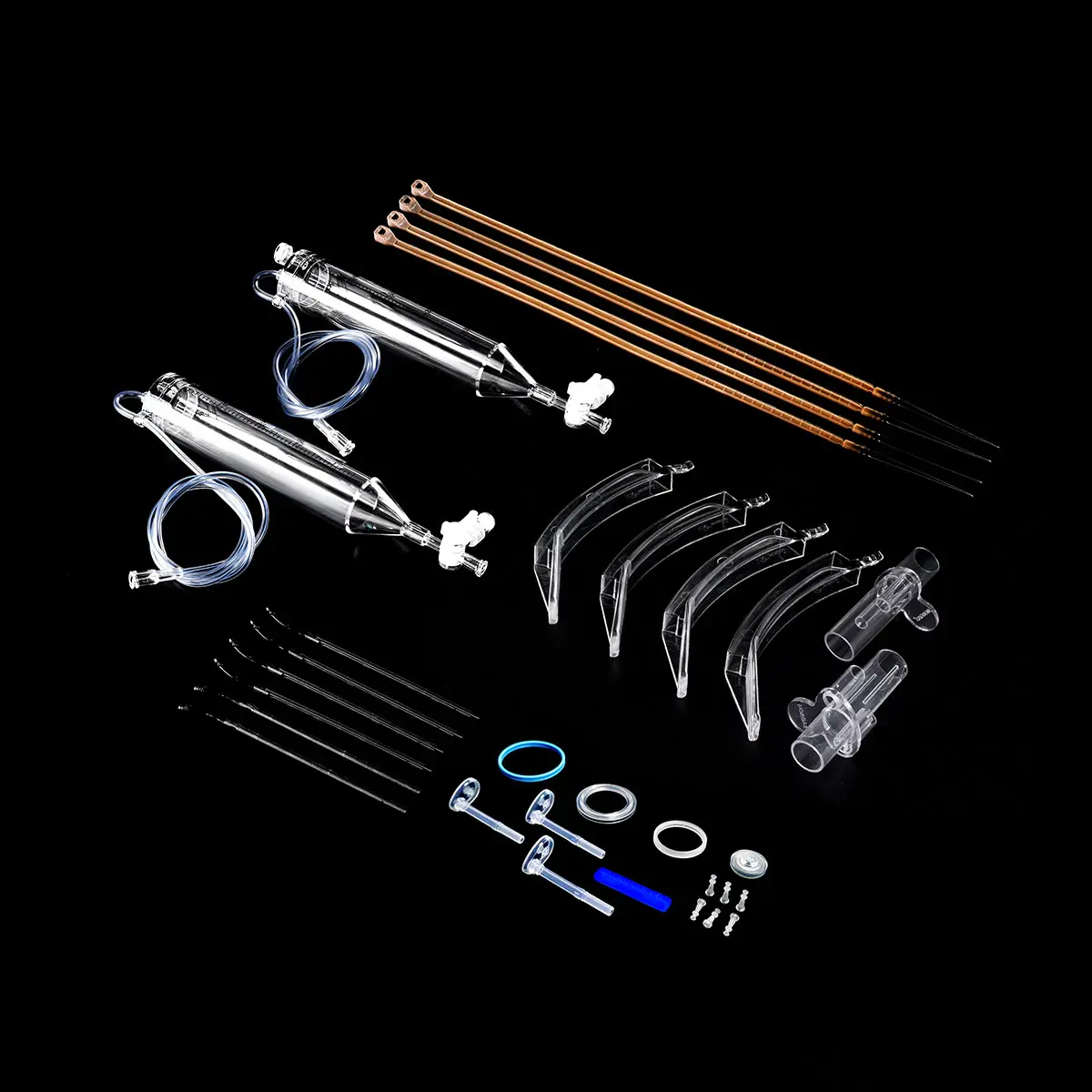
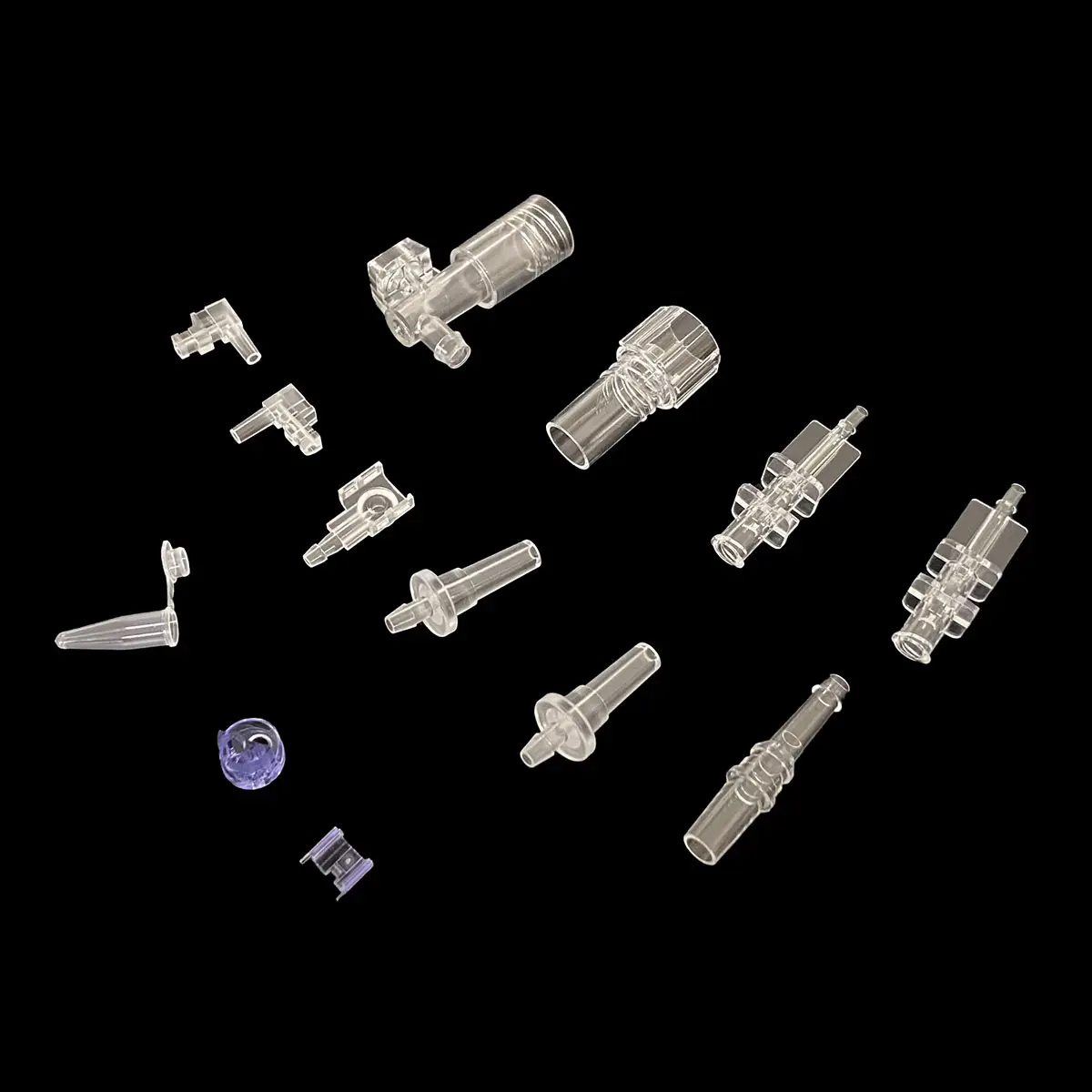
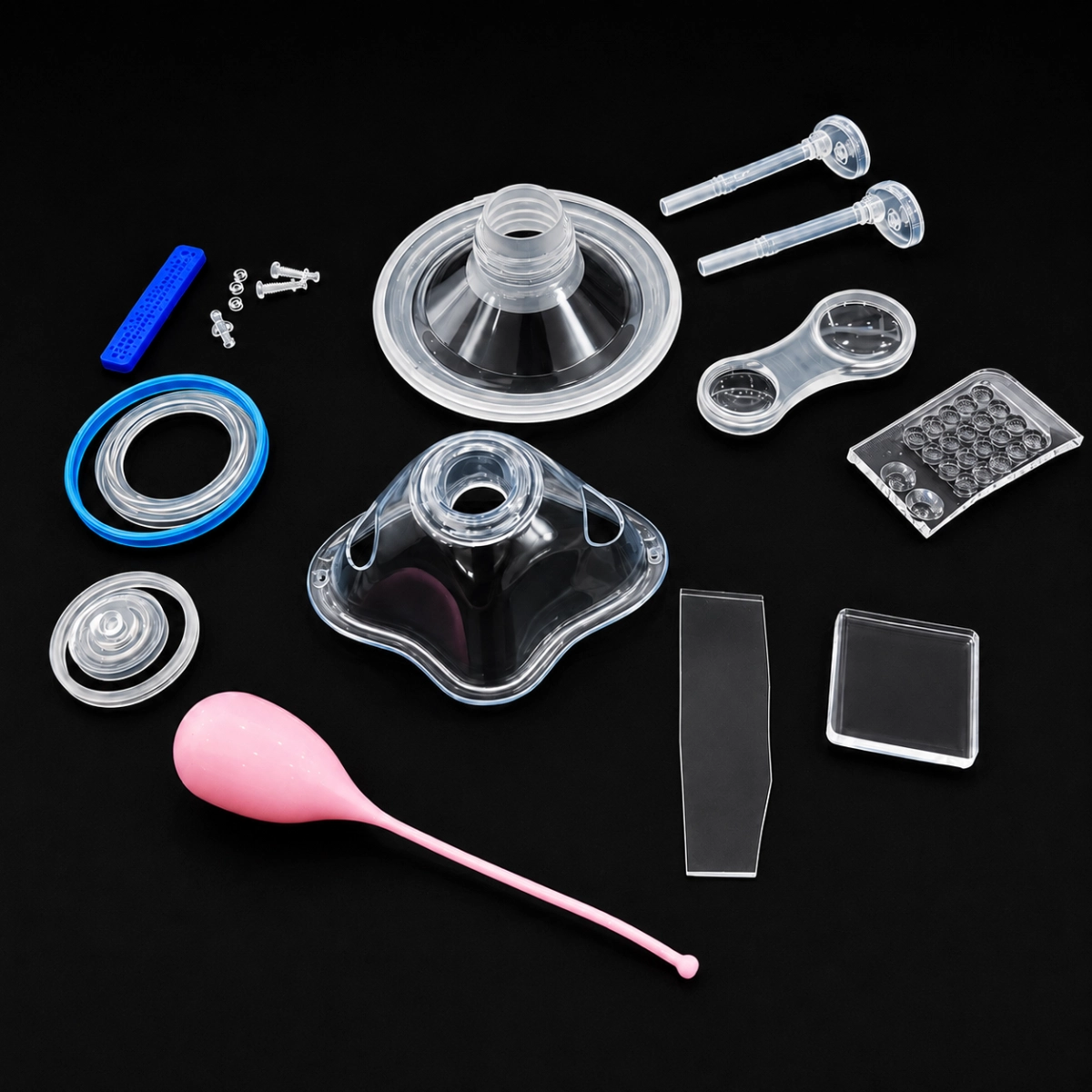
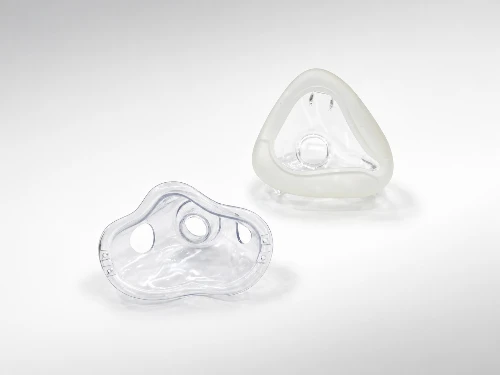
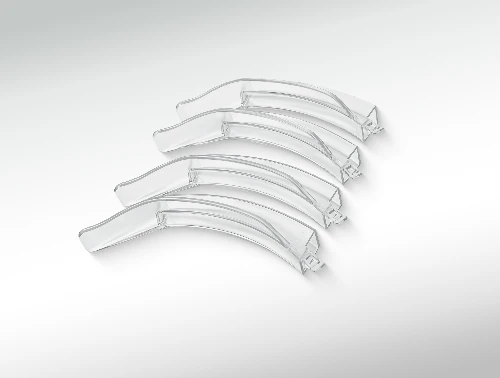
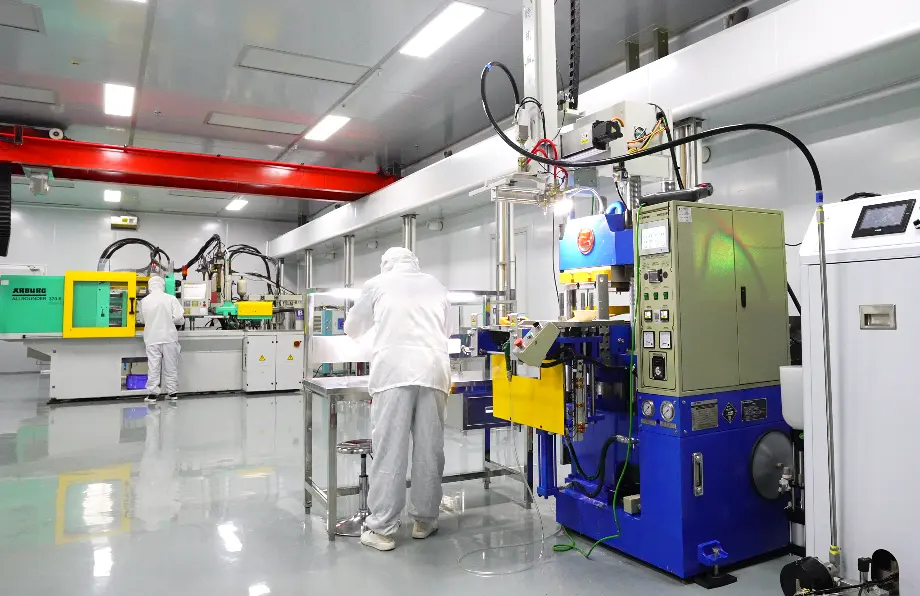
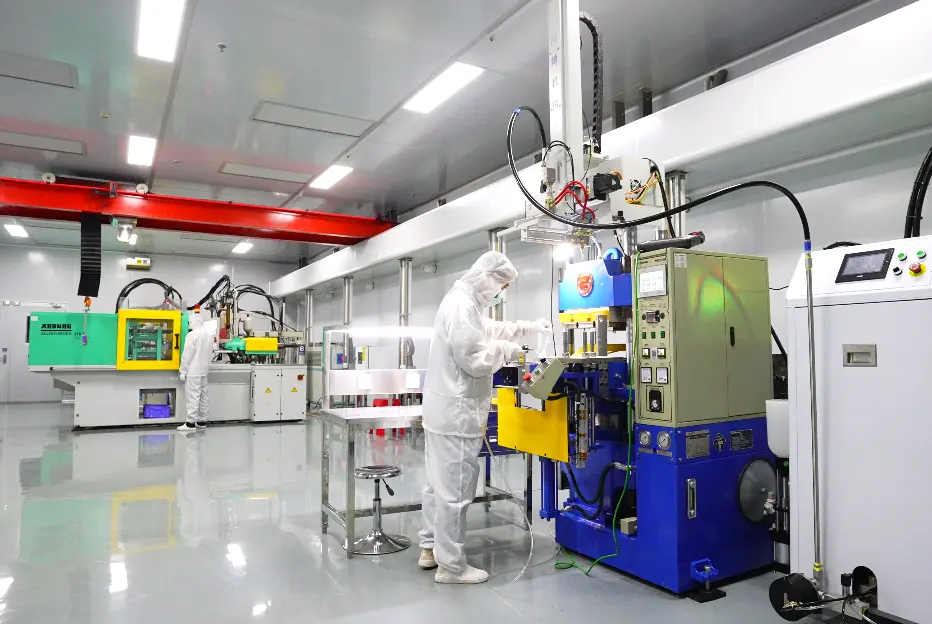
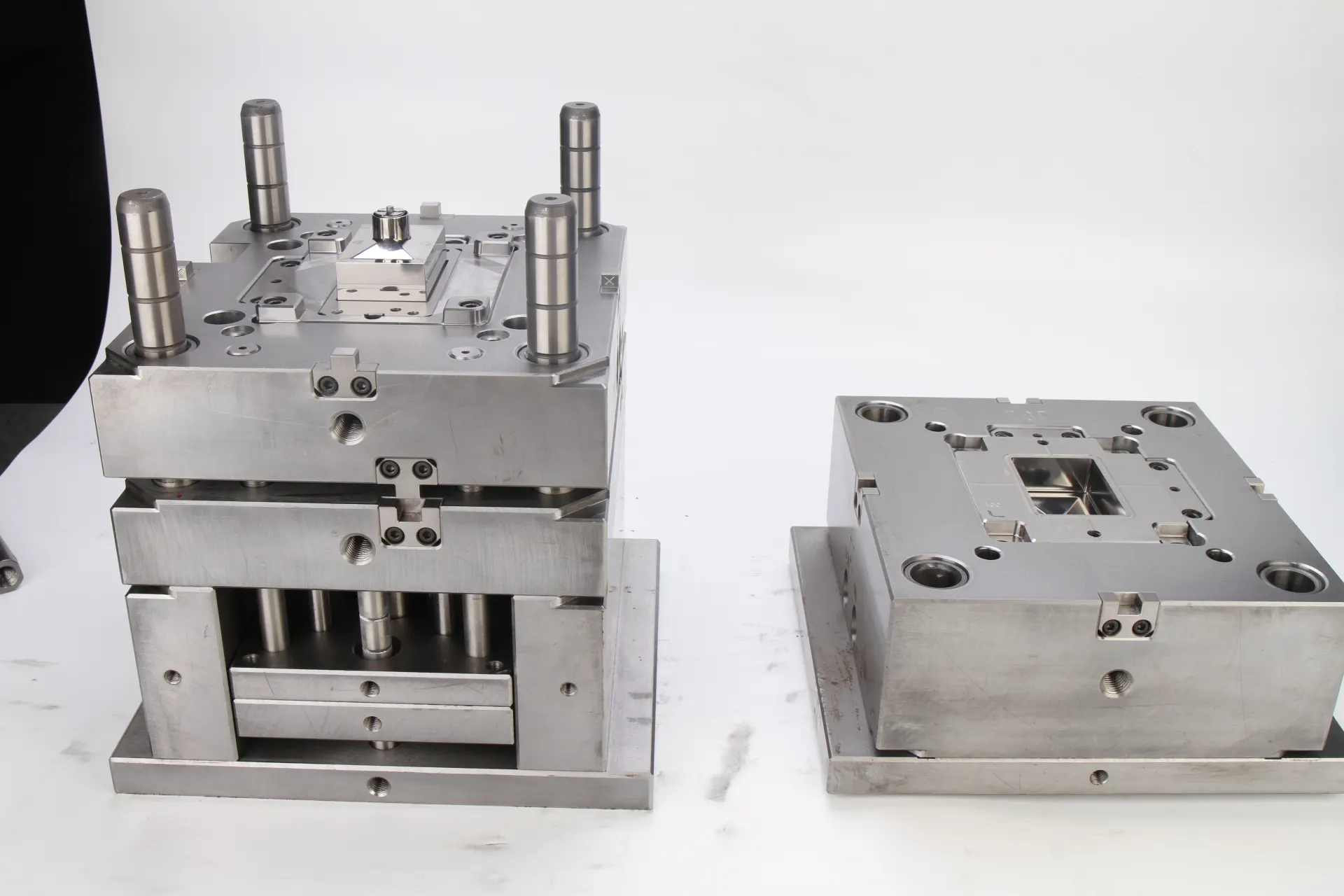
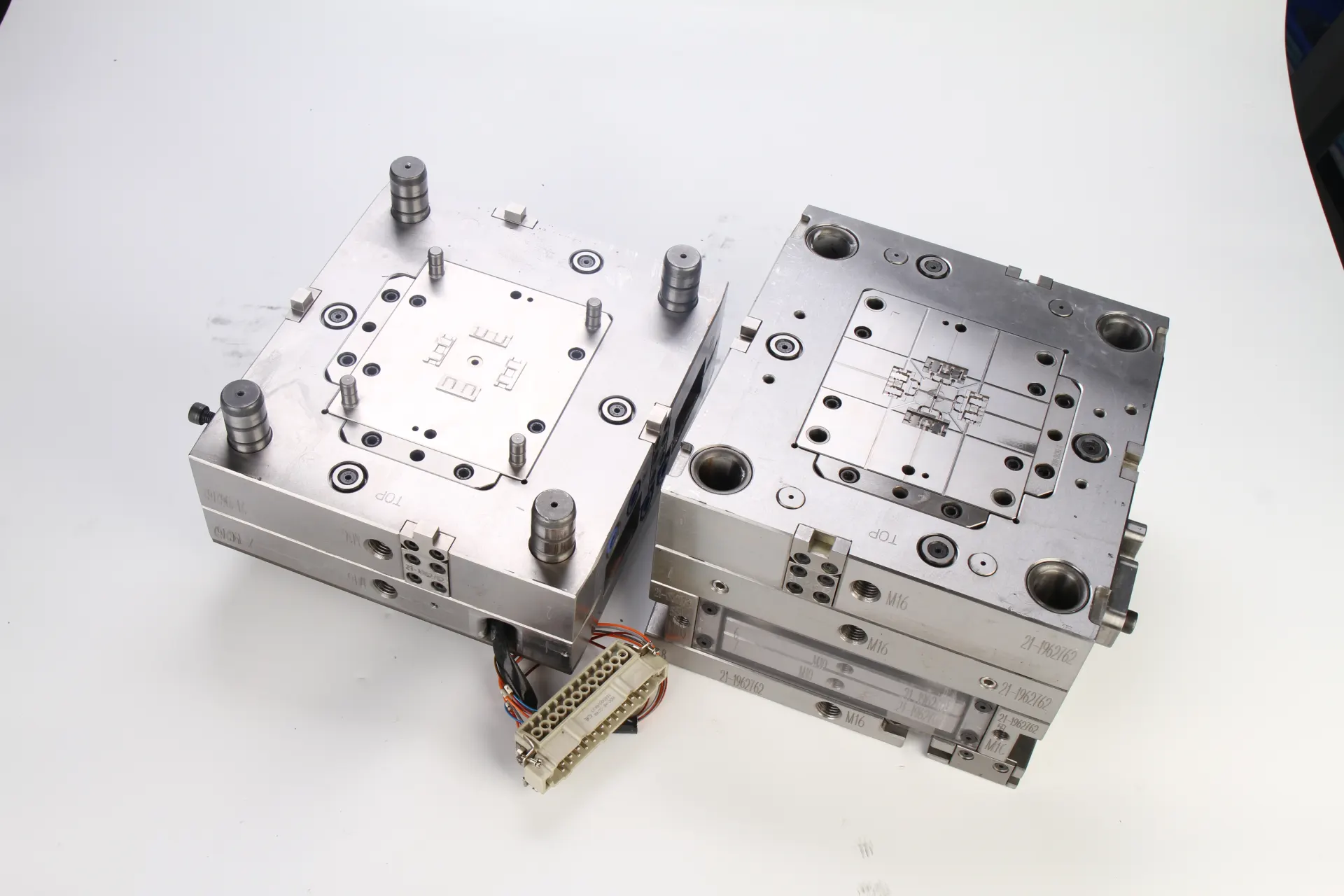
If you need production in an ISO Class 7 cleanroom, please contact our company. We have the Clean Room Manufacturing qualification, ISO Class 7 certification, and 20 years of experience in mold injection molding.
Contact Information:
Email: Yuliya.chen@yizemould.com
Telephone/WhatsApp: +86 13342659272
ISO 7 Class 10000 cleanroom factory with ISO 13485 certification, professional medical cleanroom injection molding & clean assembly for LSR, PEEK medical devices. Get free quotation now.