



-

Micro LSR Seal Design: Flash Prevention Tips for Precision Molding
-
Advantages of Liquid Silicone Rubber (LSR): Why It Is Replacing Traditional Rubber and Plastics
-
LSR Injection Molding (Cold Runner) vs. Compression Molding LSR (Runnerless): Process & Selection Guide
-
Medical Injection Molding DFM Checklist & Design Guidelines
What is an ISO 7 Cleanroom? Standards, Applications, and Classifications
2026-07-20




复制成功
In precision manufacturing, pharmaceuticals, and medical device industries, a single microscopic airborne particle can ruin an entire batch of products or compromise patient safety. To control these invisible threats, industries rely on a standardized hierarchy known as clean room classifications.what is ISO 7 cleanroom
Among these standards, the ISO 7 cleanroom has emerged as the industry's "sweet spot," balancing stringent contamination control with manageable capital and operational costs.
In this comprehensive guide, we will break down: What is an ISO 7 cleanroom? What are its technical requirements? And which industries rely on it most?
Understanding Clean Room Classifications
Before diving into the specifics of ISO 7, it is essential to understand the broader context of clean room classifications.
According to the international standard ISO 14644-1, cleanrooms are classified from ISO 1 to ISO 9 based on the maximum allowable concentration of airborne particles per cubic meter of air.ISO 1 is the cleanest possible rating ,typically reserved for extreme semiconductor research.ISO 9 represents the baseline clean space ,similar to a standard room with basic HEPA filtration.The lower the ISO class number, the stricter the airborne particulate control requirements.
What is an ISO 7 Cleanroom?
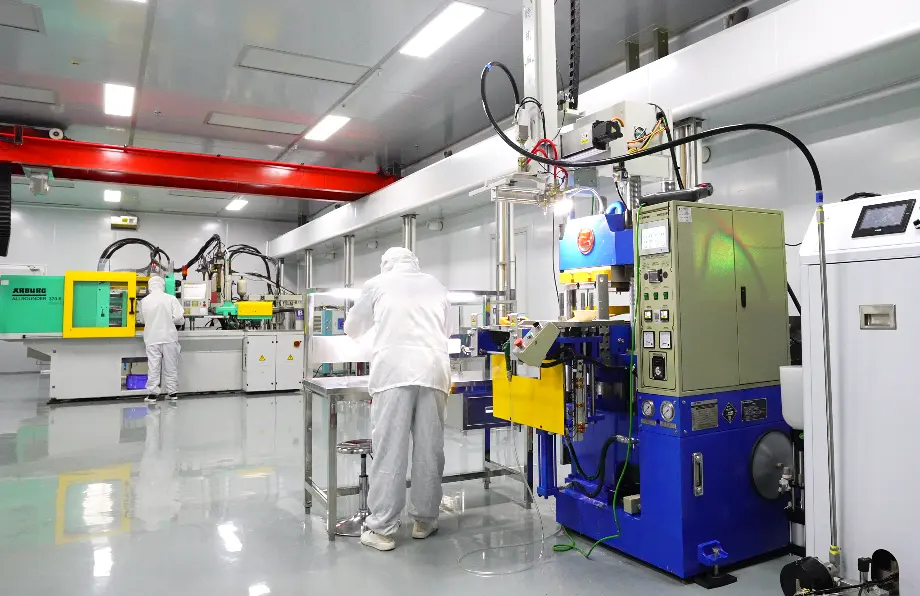
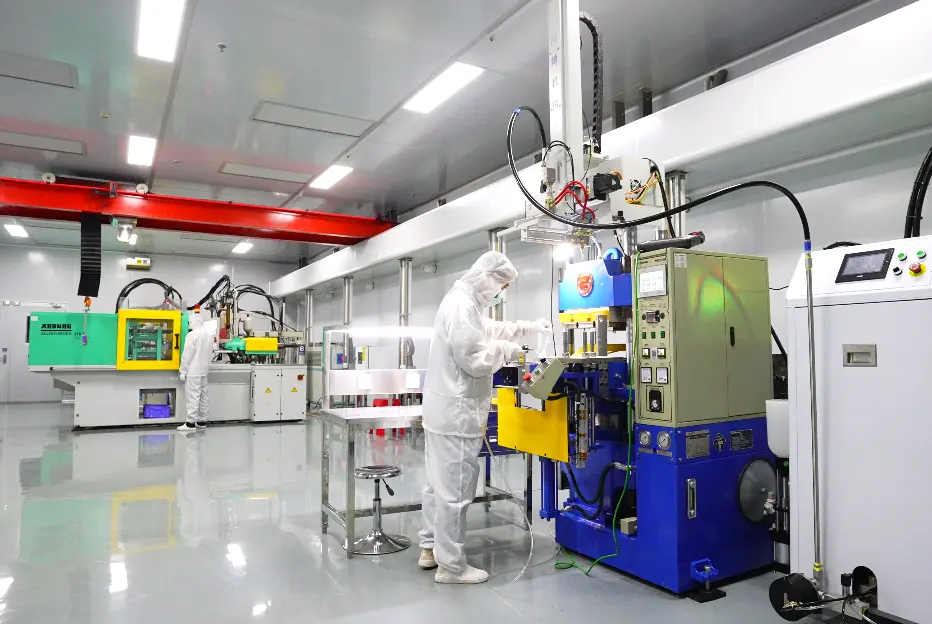
An ISO 7 cleanroom (frequently referred to as a Class 10,000 cleanroom under the older US Federal Standard 209E) is an ultra-clean, controlled environment engineered to limit airborne particulates.
The Core Standard:
To achieve an ISO 7 classification, the concentration of airborne particles sized $\ge$ 0.5 microns ($\mu$m) must not exceed 352,000 particles per cubic meter of air under operational conditions.
To put this into perspective, typical ambient office air contains more than 35,000,000 particles of this size per cubic meter—making an ISO 7 environment at least 100 times cleaner than a standard indoor space.
Key Technical Specifications of an ISO 7 Cleanroom
To maintain this level of air purity, an ISO 7 cleanroom must be engineered to meet several rigorous technical benchmarks:
Air Changes Per Hour (ACH): The air must be circulated and filtered 30 to 60 times per hour (compared to just 2 to 4 times in a standard home or office).
HEPA Filtration: Air entering the room must pass through High-Efficiency Particulate Air (HEPA) filters rated at 99.97% efficiency at 0.3 microns.
Differential Pressure: The room must maintain a positive static pressure differential (usually $\ge$ 10 to 15 Pa) relative to adjacent, less-clean areas to prevent unfiltered air from leaking in.
Airflow Pattern: Typically utilizes non-unidirectional (turbulent) airflow, where highly filtered air continuously dilutes and displaces contaminated air toward low-level return grilles.
What Can an ISO 7 Cleanroom Be Used For?
The reason the ISO 7 cleanroom is so widely adopted is its versatility. It offers an exceptionally high level of particulate and microbial control without the astronomical construction and maintenance costs associated with ISO 5 or ISO 6 environments.
It is commonly utilized for:
Antechrooms and Gowning Rooms: Serving as buffer zones where personnel change into cleanroom attire before entering ultra-clean environments (like ISO 5 sterile filling suites).
Secondary Packaging: Safeguarding sensitive components from environmental dust during final packaging phases.
Component Assembly: Bringing together non-implantable medical devices or optical elements in a particle-free environment.
What Industries Can ISO 7 Cleanrooms Be Used For?
Due to its optimal balance of performance and cost-efficiency, an array of high-tech and strictly regulated industries rely on ISO 7 cleanrooms.
1. Medical Device Manufacturing
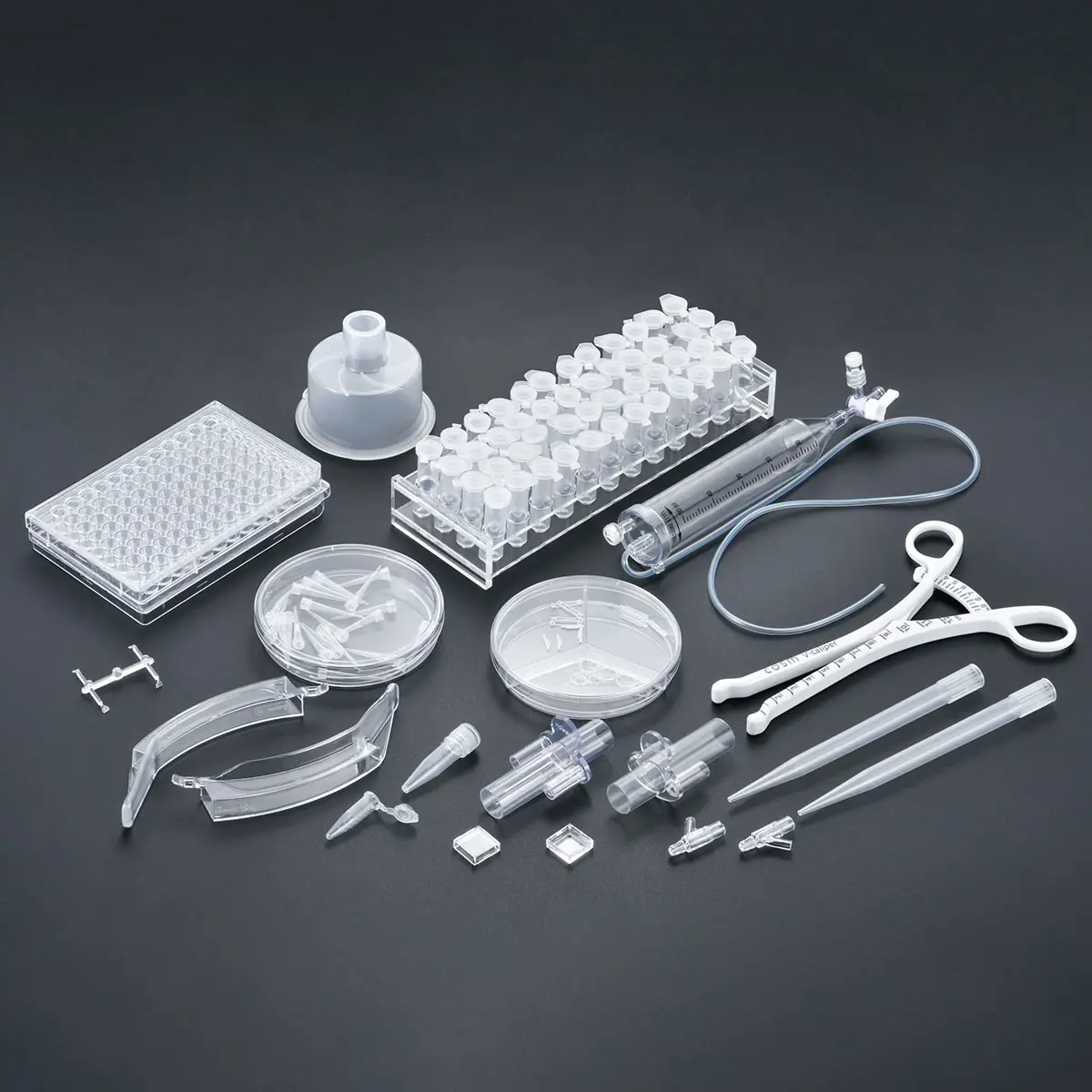
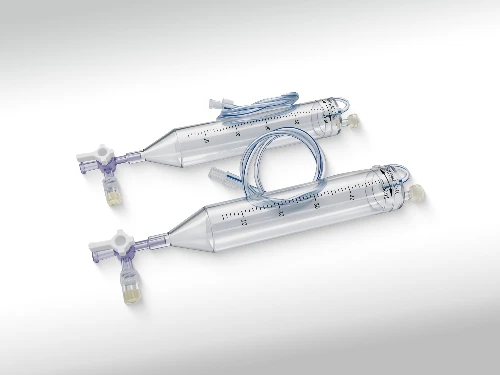
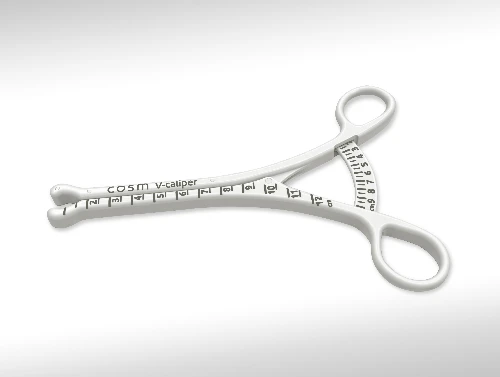
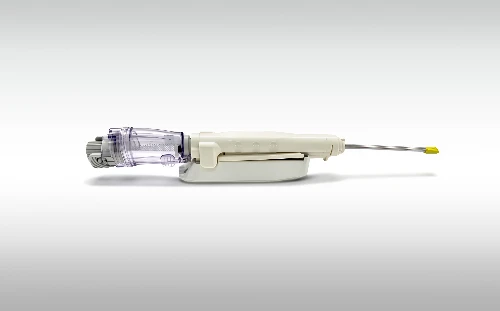
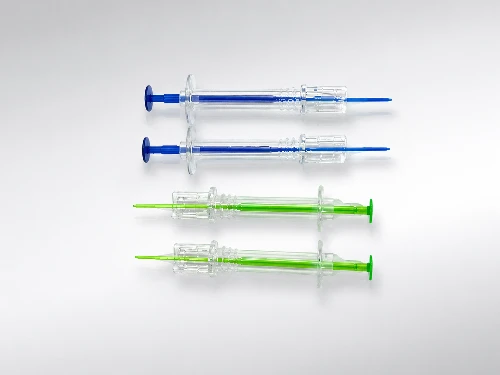
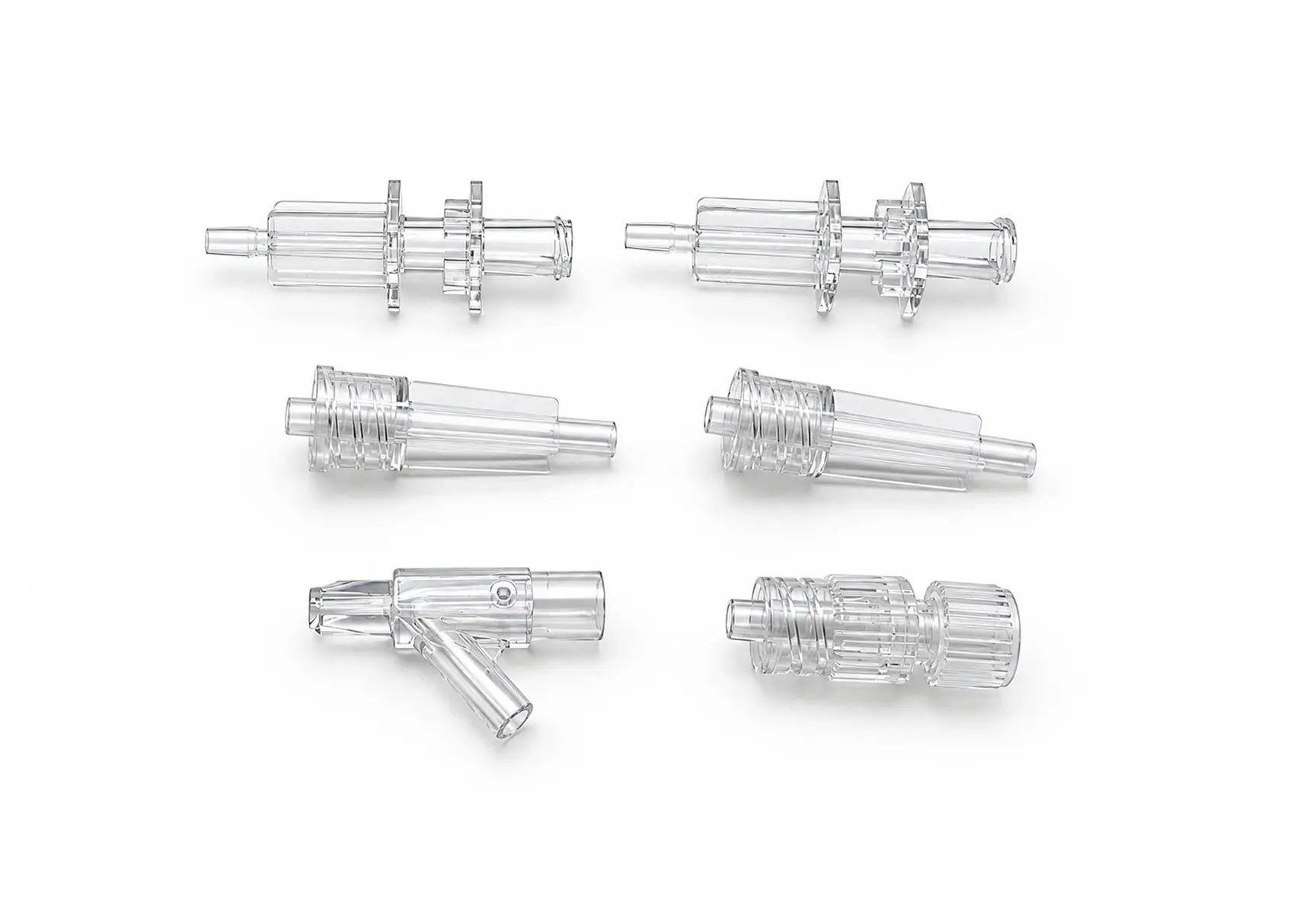
This is one of the primary drivers of ISO 7 technology. The assembly, packaging, and testing of non-implantable medical devices (such as syringes, IV kits, diagnostic tools, and surgical instruments) must be performed in an ISO 7 environment to comply with FDA regulations and prevent foreign-body contamination.
2. Pharmaceuticals & Biotechnology
While the highly sensitive sterile filling process typically requires an ISO 5 zone, pharmaceutical compounding, bulk drug substance handling, primary packaging, and raw material weighing are commonly performed within ISO 7 cleanrooms to tightly manage both microbial (viable) and non-viable particulate counts.
3. Food Processing & Nutraceuticals
As the consumer demand for preservative-free, minimally processed foods grows, the food industry increasingly adopts ISO 7 standards.
Aseptic Filling & Packaging: For premium dairy products, fresh juices, and infant formulas. Operating under ISO 7 conditions drastically reduces the risk of mold, yeast, and bacterial contamination, extending product shelf life naturally without chemical additives.
Probiotics & Dietary Supplements: Preventing cross-contamination and moisture-induced degradation of highly sensitive active cultures and vitamins during encapsulation.
4. Semiconductors & Microelectronics
Modern microchips, high-density printed circuit boards (PCBs), and micro-sensors are highly susceptible to electrostatic discharge (ESD) and microscopic dust. ISO 7 environments prevent microscopic debris from settling on silicon wafers or lithography masks, drastically improving manufacturing yield rates.
5. Aerospace & Precision Optics
During the assembly of lasers, satellite components, high-end lenses, and guidance systems, even a single speck of dust can refract a laser beam or cause a mechanical failure. ISO 7 cleanrooms provide the clean environment necessary to ensure absolute precision.
Summary: Maintaining ISO 7 Cleanroom Compliance
Building an ISO 7 cleanroom is only the first step—maintaining its certified status is an ongoing operational commitment. To pass annual ISO 14644 recertification audits, facilities must enforce:
1.Strict Gowning Protocols: Ensuring operators wear non-shedding cleanroom frocks, hairnets, face masks, gloves, and shoe covers.
2.Continuous Monitoring: Utilizing calibrated laser particle counters to audit airborne particle counts regularly.
3.Specialized Cleanroom Materials: Using non-porous, non-shedding materials for walls (such as modular sandwich panels) and seamless, anti-static epoxy or PVC flooring.
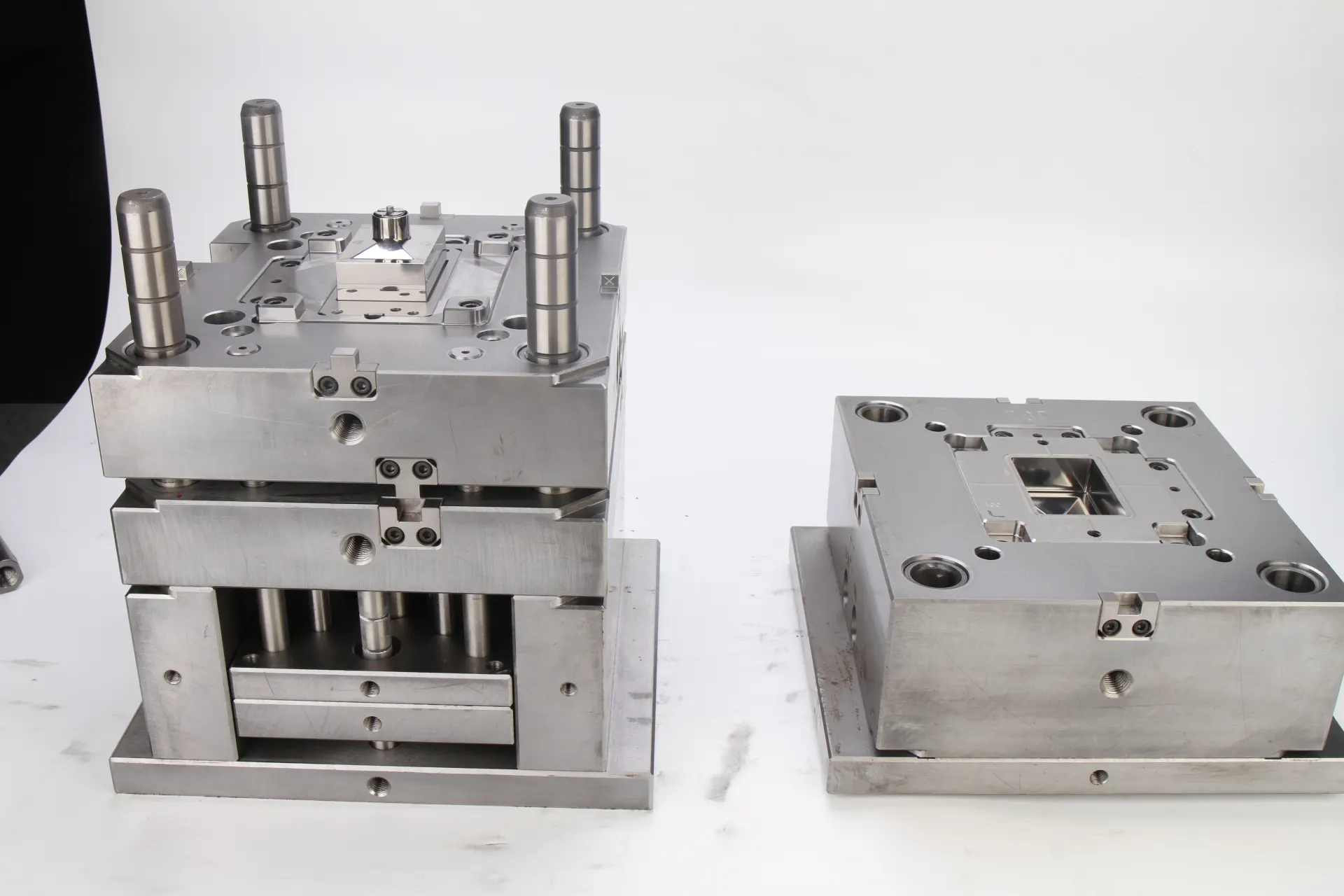
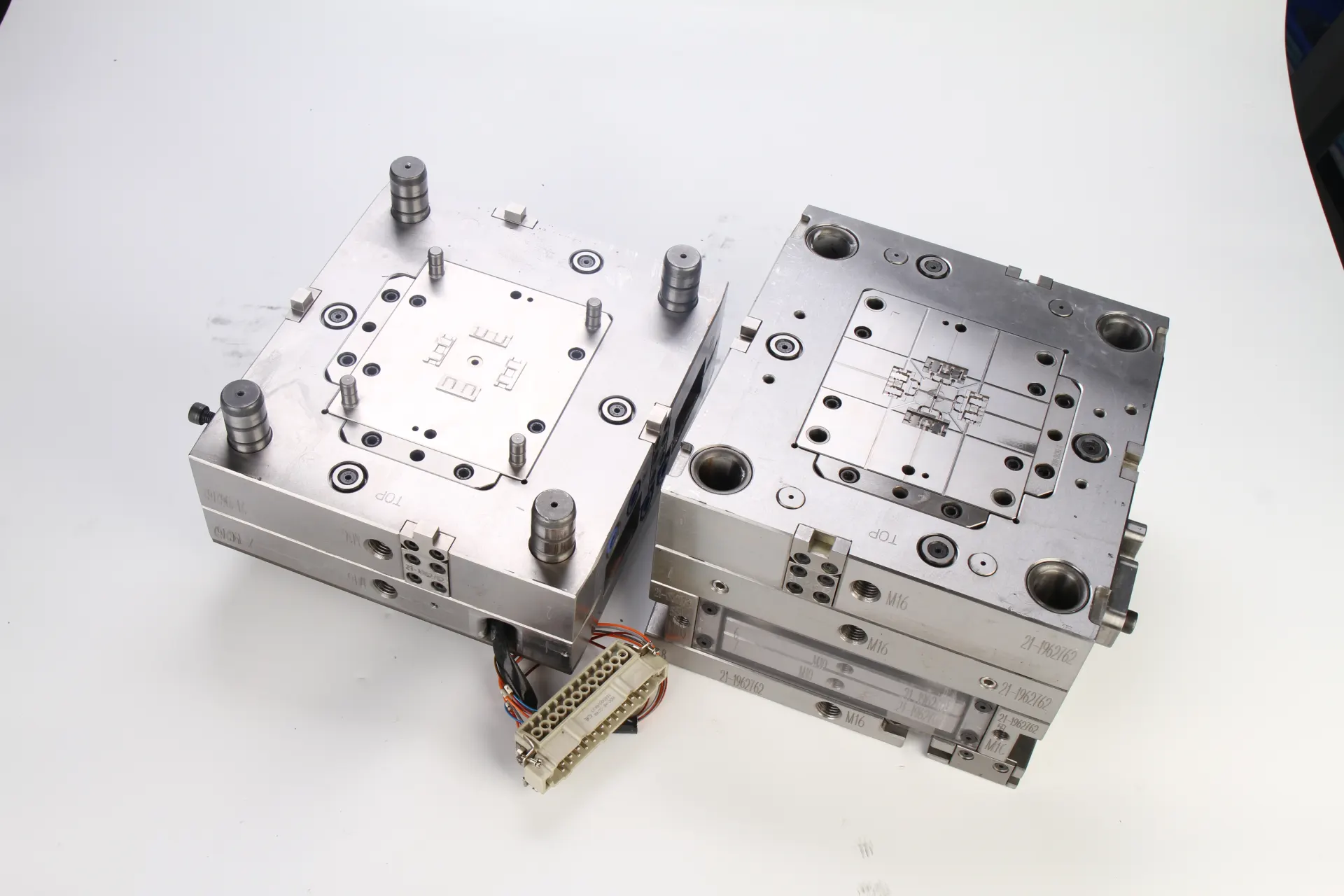
If you have products that need to be produced and molded in an ISO7 cleanroom, please contact our professional team. We are experts in mold opening and injection molding in cleanrooms.
Learn about our ISO 7 cleanroom production case studies
Contact Information:
Email: Yuliya.chen@yizemould.com
Telephone/WhatsApp: +86 13342659272