



-

Advantages of Liquid Silicone Rubber (LSR): Why It Is Replacing Traditional Rubber and Plastics
-
LSR Injection Molding (Cold Runner) vs. Compression Molding LSR (Runnerless): Process & Selection Guide
-
Medical Injection Molding DFM Checklist & Design Guidelines
-
Liquid Silicone Rubber (LSR) vs. Thermoplastic Injection Molding for Medical Devices

PPSU Medical Injection Molding: Properties, Design
2026-09-09




复制成功
Are your medical device components failing under repeated steam sterilization, or cracking when exposed to harsh hospital-grade disinfectants? Choosing the wrong high-performance polymer for surgical instruments and fluid-handling systems leads to premature component degradation, compliance failures, and costly product recalls.
Medical device manufacturers face a constant challenge: balancing chemical resistance, thermal stability, and biocompatibility with cost-effective mass production. PPSU (Polyphenylsulfone) has emerged as the gold standard for high-requirement applications, but molding it correctly demands deep expertise in melt temperatures, tool design, and strict regulatory adherence.
In this guide, we break down the end-to-end engineering and quality requirements for PPSU medical injection molding so you can optimize yield, ensure zero-defect production, and pass medical audits with confidence.

What Is Medical Grade PPSU Injection Molding?
Polyphenylsulfone (PPSU) is an amorphous, high-performance thermoplastic known for its exceptional toughness and heat resistance. In medical grade PPSU injection molding, the raw material is processed under tight environmental and thermal controls to manufacture precise, biologically safe components.
| Key Performance Pillars of PPSU | |
| Autoclavability | Resists 1,000+ steam sterilization cycles |
| Chemical Immunity | Hydrolytic stability against harsh disinfectants |
| Impact Resistance | Superior drop-impact strength (won't shatter) |
| Regulatory Safe | USP Class VI & ISO 10993 biocompatible compliant |
Because PPSU maintains its dimensional stability even after thousands of sterilization cycles, it is extensively used in reusable medical device PPSU molding for:Surgical instrument handles and trial heads、Sterilization trays and containers、Endoscopic components and fluid connectors、Anesthesia equipment components
PPSU vs PC vs PSU: Material Selection for Medical Devices
Engineers often evaluate multiple transparent or translucent polymers before committing to tooling. The table below compares key material metrics for PPSU vs PC vs PSU medical molding.
| Feature / Metric | Polycarbonate (PC) | Polysulfone (PSU) | Polyphenylsulfone (PPSU) |
| Heat Deflection Temp (HDT) | About 135°C | About 174°C | About207°C |
| Autoclave Resistance | Poor (Degrades quickly) | Moderate (50–100 cycles) | Excellent (1,000+ cycles) |
| Impact Strength (Notched Izod) | About 600–800 J/m | About 70 J/m | About 690 J/m |
| Chemical Resistance | Low (Susceptible to Crazing) | Moderate | High (Esters, Hydrocarbons, Acids) |
| Relative Material Cost | Low | Moderate |
Key Takeaway
While PC offers affordability and PSU provides mid-tier heat resistance, medical grade PPSU injection molding is essential whenever parts require continuous exposure to steam, aggressive sterilants, and heavy mechanical impacts.
Tooling & Process Engineering for Autoclavable PPSU Medical Parts
Processing PPSU requires specialized molding equipment due to high melt temperatures and high melt viscosity. Improper drying or temperature control will result in splay, internal stress, and reduced fatigue life.
1. Drying Requirements
PPSU is hygroscopic and absorbs moisture from the atmosphere. Moisture leads to cosmetic defects and hydrolytic degradation during processing.
Drying Temperature: 165°C – 177°C (330°F – 350°F)
Drying Time: 3 to 4 hours minimum
Target Moisture Level: < 0.05%
2. Molding Temperature Parameters
Melt Temperature: 360°C – 390°C (680°F – 735°F)
Mold Temperature: 140°C – 170°C (284°F – 338°F)
Pro Tip: A hot mold is critical when producing autoclavable PPSU medical parts. A cold mold creates high molded-in stress, causing parts to craze or fail prematurely during hospital sterilization cycles.
3. Tool Design Recommendations
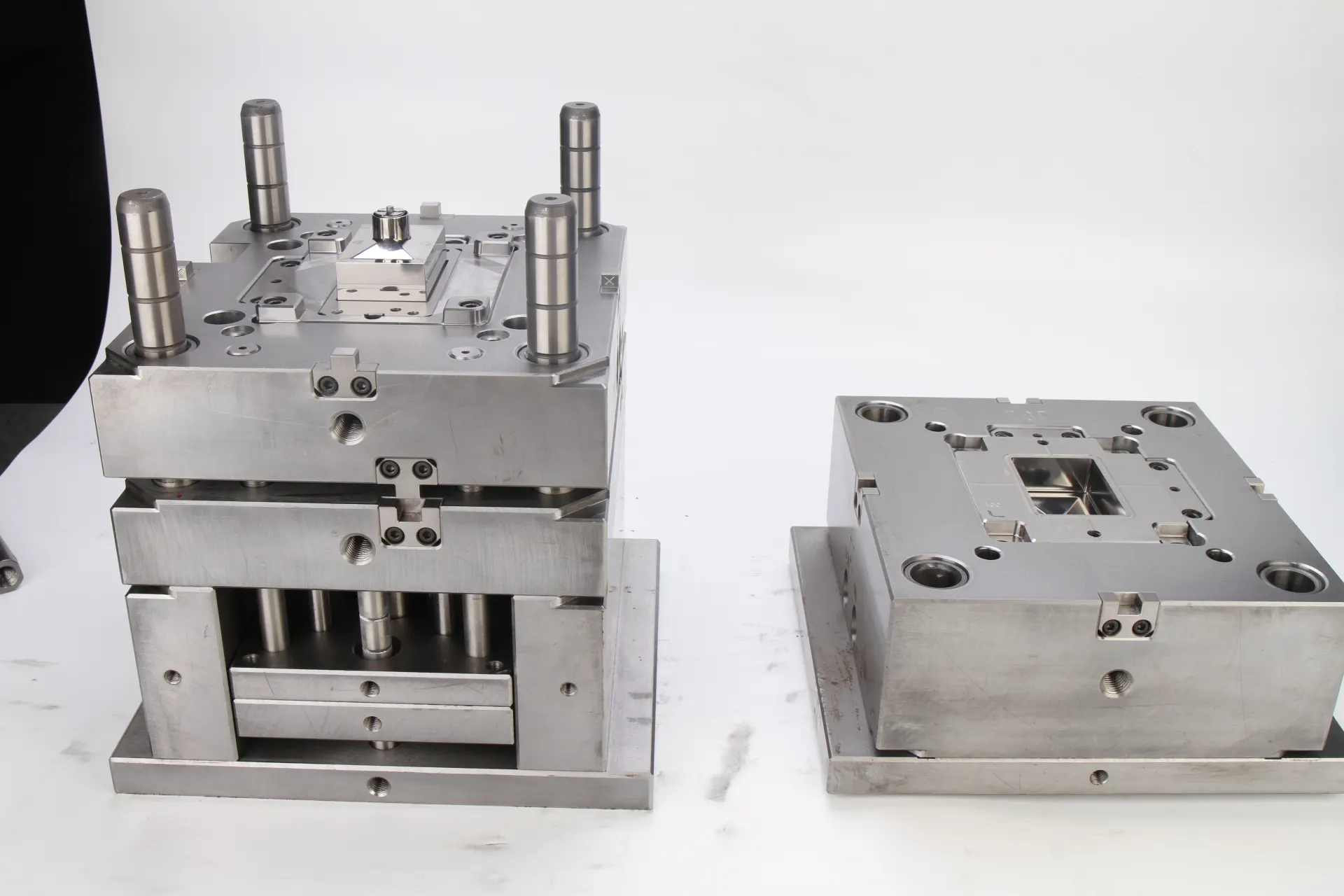
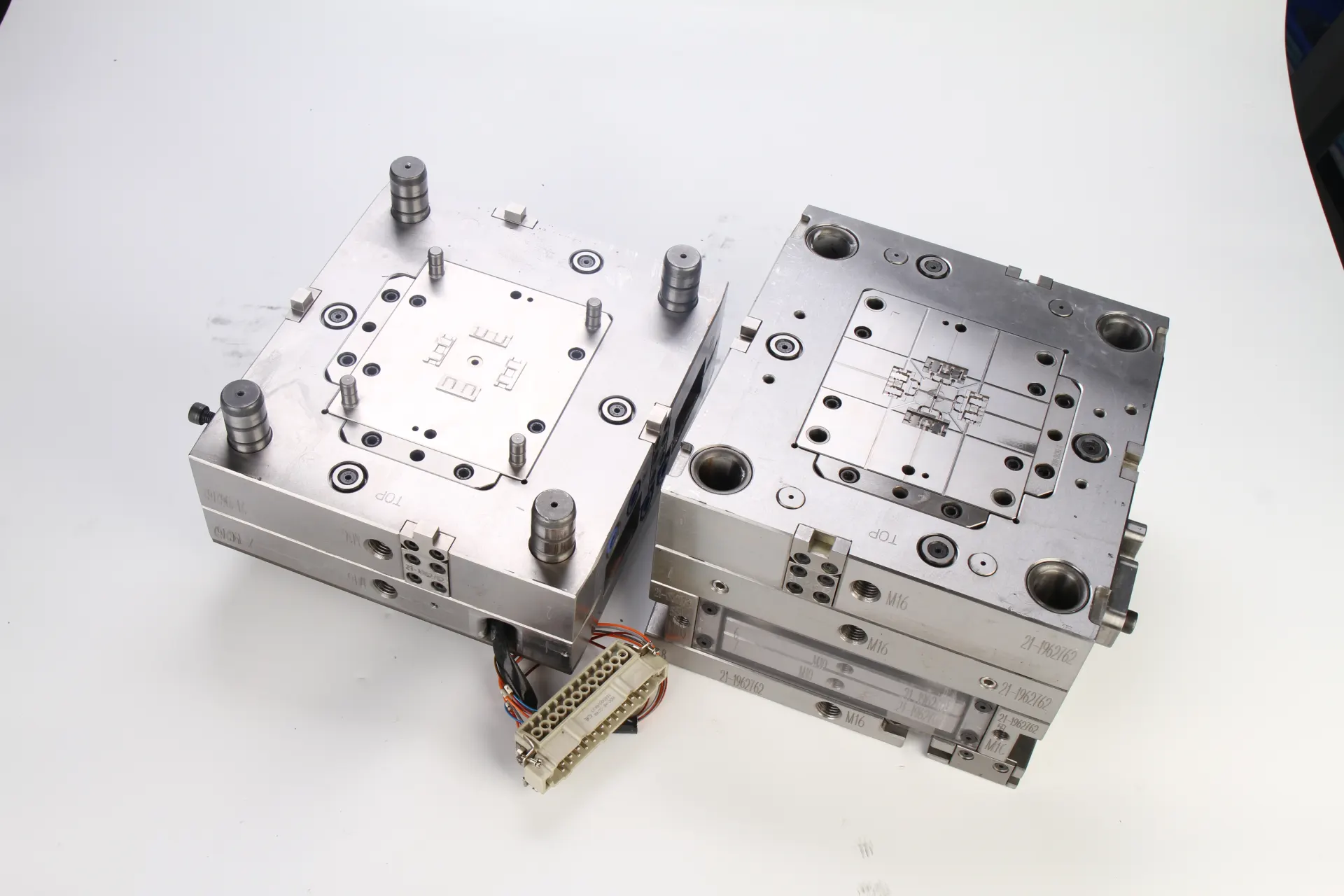
Steel Selection: Use corrosion-resistant tool steels (e.g., H13 or stainless steel 420 hardened to 50–54 HRC).
Radii & Transitions: Incorporate generous wall transitions and a minimum internal radius of 0.5–0.8 mm to reduce stress concentration.
Draft Angles: Apply 1.5° to 2° of draft per side to prevent galling upon ejection due to high mold temperatures.
Regulatory Compliance & ISO 13485 Quality Control
Producing medical components requires more than just achieving correct dimensions; it demands complete process traceability and strict quality management systems.
[ Raw Material Traceability ] ➔ [ ISO 13485 Cleanroom Molding ] ➔ [ OQ/PQ Validation ] ➔ [ Biocompatibility Testing ]
When sourcing an injection molding partner for ISO 13485 PPSU injection molding, ensure they provide:
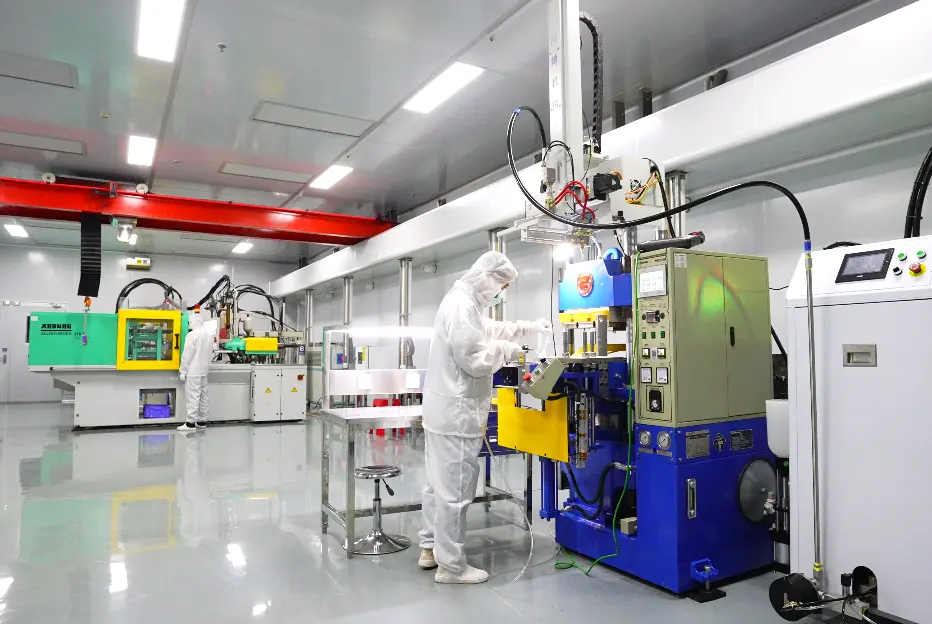
Class 7 / Class 8 Cleanroom Molding: Prevents airborne particulates from contaminating the melt or part surfaces.
Medical Certifications: Resin compliance documentation for USP Class VI and ISO 10993.
Validation Protocols (IQ/OQ/PQ): Installation, Operational, and Performance Qualifications to verify process stability across batch production.
Lot-Level Traceability: End-to-end tracking from raw resin bags to final packaged products.
Common Pitfalls in PPSU Molding & How to Avoid Them
Pitfall 1: Molded-in Stress Leading to Chemical Crazing
Cause: Insufficient mold temperature or fast cooling rates.
Solution: Maintain mold temperature above 150°C and conduct an inline optical strain test or chemical immersion test (e.g., ethyl acetate immersion) to verify low residual stress.
Pitfall 2: Thermal Degradation & Black Specs
Cause: Excessive residence time in the barrel at temperatures exceeding 380°C.
Solution: Size the molding machine shot capacity to 30%–70% of total barrel capacity to keep residence time under 5 minutes.
Pitfall 3: Part Ejection Distortion
Cause: High resin friction against core pins at high temperatures.
Solution: Polish cores to a mirror finish in the direction of draw and utilize balanced ejector pin placement.
When manufacturing high-durability, sterilizable medical components, PPSU medical injection molding delivers an optimal balance of impact strength, chemical resistance, and biocompatibility. Success depends on precise thermal control, optimized tool design, and an ISO 13485 certified production environment.Our company meets the requirements for PPSU mold injection molding. Please feel free to contact us.
FAQ: PPSU Medical Injection Molding
Q1: Is PPSU fully biocompatible for implantable medical devices?
A: PPSU meets USP Class VI and ISO 10993 standards for short-term and limited contact (< 30 days) applications, making it ideal for surgical tools and reusable instruments. However, it is generally not approved for permanent implantable devices (where PEEK is commonly used).
Q2: Why is PPSU preferred over metal for surgical instrument handles?
A: PPSU reduces weight by up to 60% compared to stainless steel, provides ergonomic tactile comfort, supports color coding for easy identification during surgery, and lowers production costs through high-volume molding.
Q3: How many autoclave cycles can autoclavable PPSU medical parts withstand?
A: PPSU components can typically withstand over 1,000 steam sterilization cycles (134°C / 273°F) without experiencing significant loss of tensile strength or impact resistance.