



-
Micro LSR Seal Design: Flash Prevention Tips for Precision Molding
-
Advantages of Liquid Silicone Rubber (LSR): Why It Is Replacing Traditional Rubber and Plastics
-
LSR Injection Molding (Cold Runner) vs. Compression Molding LSR (Runnerless): Process & Selection Guide
-
Medical Injection Molding DFM Checklist & Design Guidelines
Liquid Silicone Rubber (LSR) vs. Thermoplastic Injection Molding for Medical Devices
2026-10-08


复制成功
Selecting the wrong material for a medical device can lead to product failure, regulatory rejection, or costly tool redesigns. Engineers often struggle when choosing between Liquid Silicone Rubber (LSR) molding and traditional thermoplastic injection molding for critical components like seals, valves, and respiratory masks.
While thermoplastics offer high speed and rigid structural strength, LSR provides unparalleled flexibility, biocompatibility, and thermal stability. Choosing between these two technologies requires balancing performance, sterilizability, process complexity, and unit cost.
This comparative guide analyzes LSR and thermoplastic injection molding across technical specifications, production costs, and medical application fit to help you specify the right manufacturing process for your device.
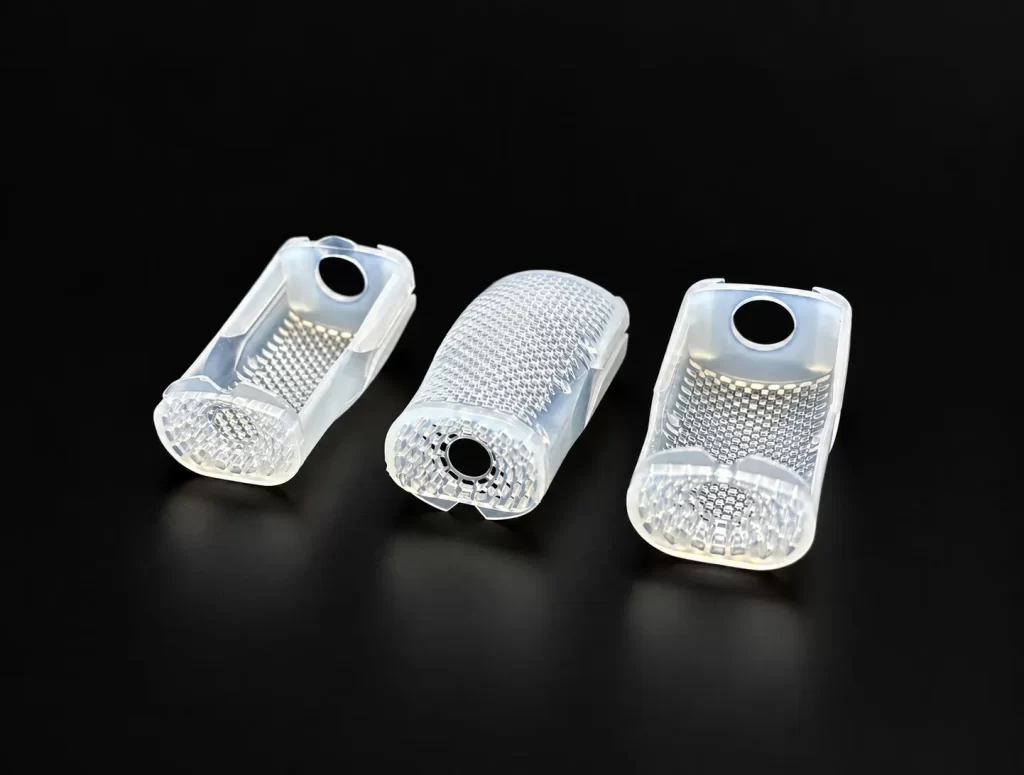
1. Core Material Properties & Biocompatibility
Medical devices demand materials that interact safely with biological tissue and fluids. The fundamental difference between LSR and thermoplastics lies in their molecular structure: LSR is a thermoset polymer that cures chemically, whereas thermoplastics melt and solidify thermally.
Liquid Silicone Rubber (LSR): Inherently inert, hypoallergenic, and highly biocompatible. It naturally meets ISO 10993 and USP Class VI requirements without heavy additive loads. Its extreme flexibility (Durometer 10 to 80 Shore A) makes it ideal for soft-touch or dynamic sealing applications.
Thermoplastics (e.g., PC, PEEK, Polypropylene): Offer high tensile strength, stiffness, and structural integrity. However, achieving medical-grade compliance requires careful selection of resins free of plasticizers, heavy metals, or volatile organic compounds (VOCs).
| Property | Liquid Silicone Rubber (LSR) | Thermoplastic (e.g., PC / PP) |
| Material Type | Thermoset Elastomer | Thermoplastic Polymer |
| Hardness Range | 10 Shore A – 80 Shore A | 70 Shore D – 90 Shore D (Rigid) |
| Biocompatibility | Excellent (ISO 10993 / USP Class VI) | Varies by resin grade |
| Flexibility | High elongation, low compression set | Rigid to semi-rigid |
| Sterilization Compatibility | Autoclave (Steam), Gamma, EtO | Gamma, EtO (Limited Autoclave) |
2. Thermal & Chemical Resistance Performance
Medical components undergo repeated cleaning, harsh disinfectant cycles, and high-temperature sterilization.
High-Temperature Stability
LSR retains its physical properties across extreme temperatures ranging from -60°C to +200°C (-76°F to +392°F). It will not soften, deform, or melt during repeated steam autoclaving cycles. Conversely, standard thermoplastics (like Polycarbonate or Polypropylene) have lower heat deflection temperatures and may deform or degrade under continuous heat exposure, though high-performance engineering resins like PEEK can withstand high heat at a significantly higher raw material cost.
Chemical Inertness
LSR resists body fluids, oxidation, UV exposure, and broad-spectrum disinfectants without leaching chemicals or cracking over time. Thermoplastics vary widely: while Polypropylene exhibits strong chemical resistance, materials like Polycarbonate are prone to environmental stress cracking when exposed to aggressive hospital-grade cleaners or solvents.
3. Processing Differences & Tooling Complexity
The liquid silicone injection process operates on principles opposite to traditional plastic injection molding.
Thermoplastic Molding: Cold Material (Hopper) ➔ Heated Barrel ➔ Cold Mold (Solidification)
LSR Injection Molding: Cold Liquid System (Dosing) ➔ Cold Runner ➔ Heated Mold (Curing)
Liquid Silicone Injection Dynamics
Cold Delivery System: LSR is pumped as a two-part liquid (A and B components) at room temperature into a chilled runner system.
Thermal Curing in Mold: The liquid is injected into a heated mold cavity (typically 170°C–200°C), where a platinum-catalyzed chemical reaction cures the material into a solid state.
Flash Control: Because LSR has low viscosity upon injection, tooling tolerances must be extremely precise (within 0.002 mm to 0.005 mm) to prevent micro-flashing.
Thermoplastic Molding Dynamics
Plasticizing: Solid plastic pellets are melted in a heated barrel via screw rotation.
High-Pressure Injection: Molten resin is forced into a cooled mold under high injection pressure.
Cooling: The part solidifies as thermal energy is drawn away by mold cooling channels.
4. Cost Structure Comparison: Tooling vs. Piece Price
Evaluating liquid silicone molding against plastic molding requires analyzing both initial capital expenditure (CapEx) and long-term production volume expenses.
Tooling Capital Expenditure (CapEx)
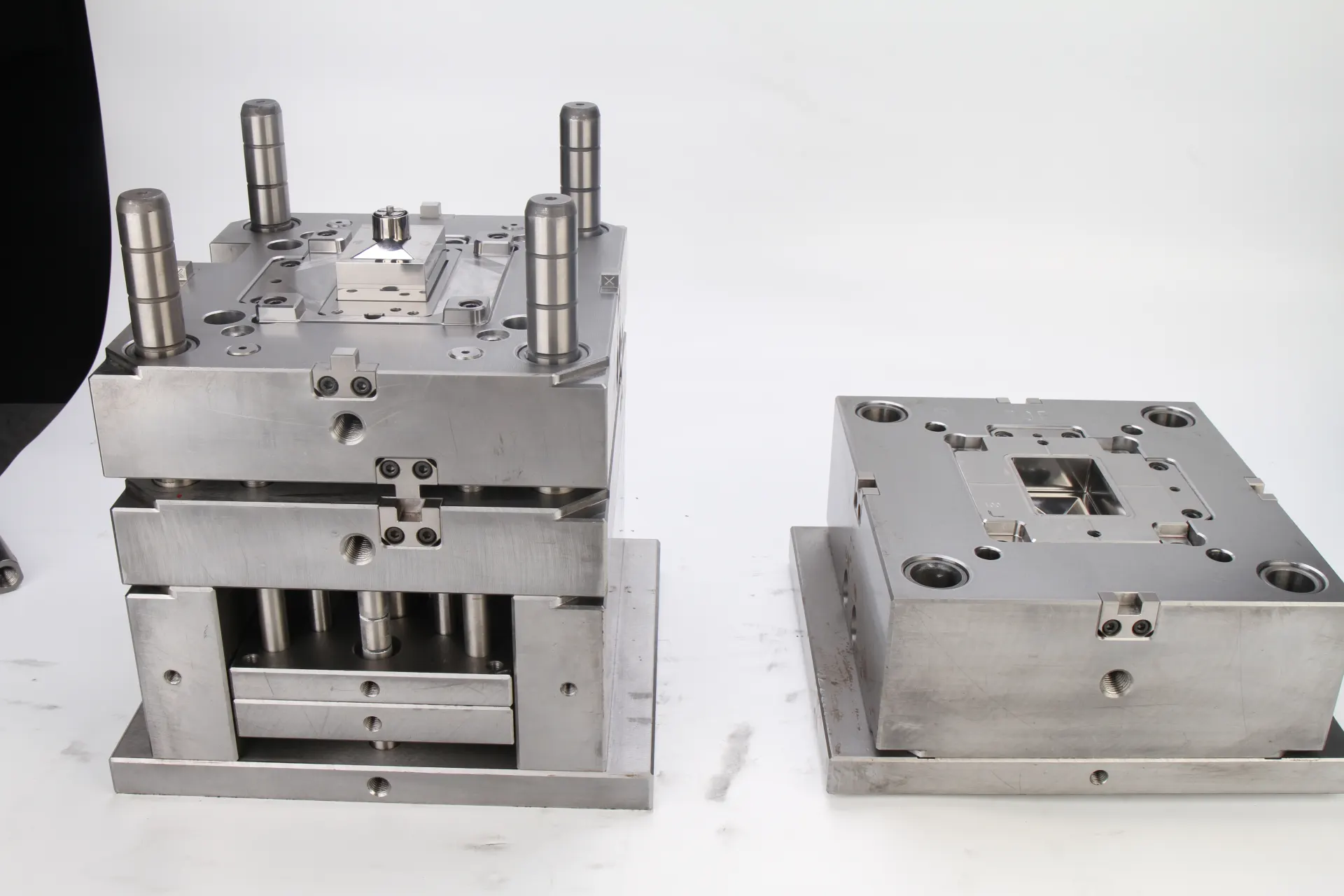
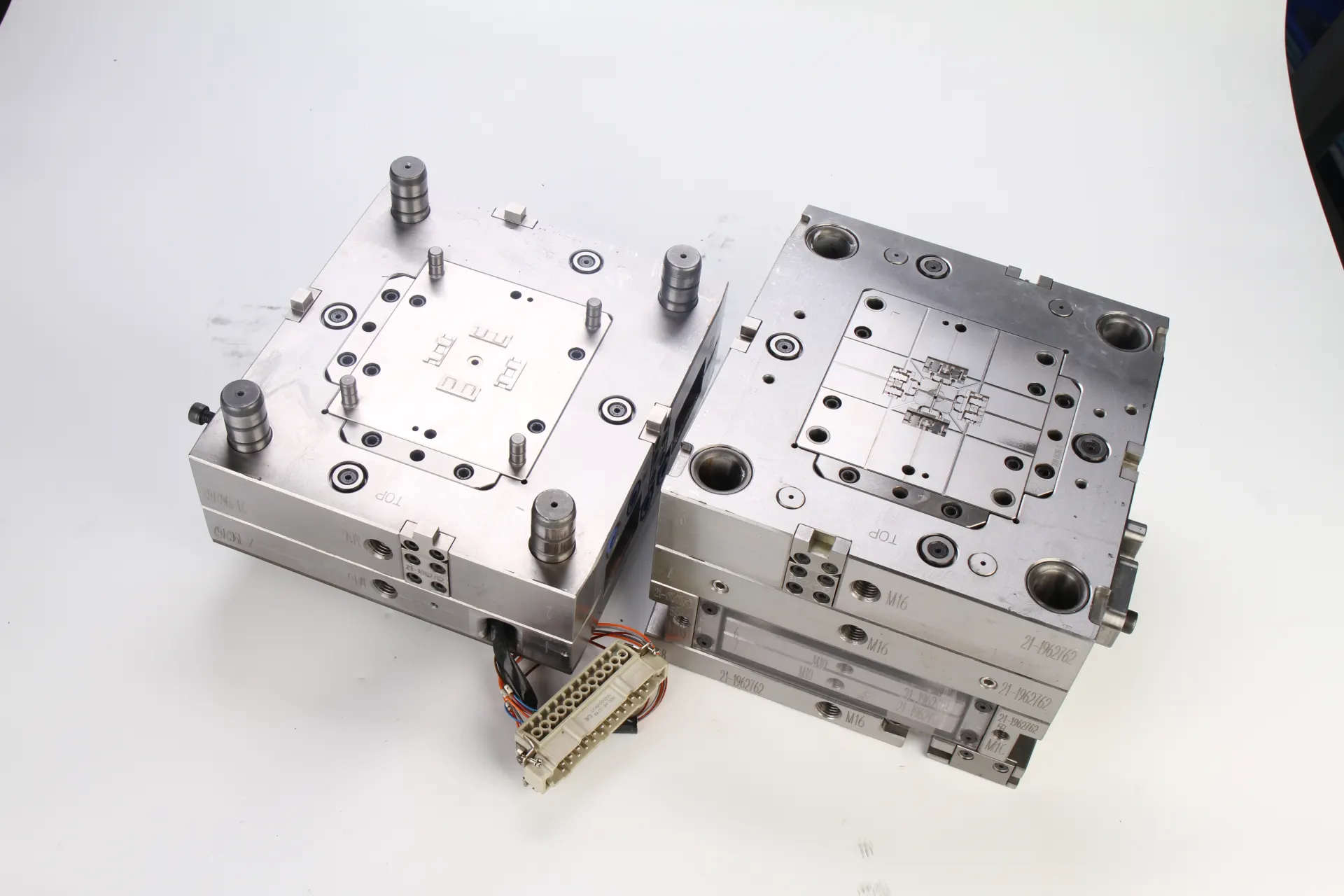
LSR Molds: Require higher initial investment. Tooling demands optical-grade steel, ultra-tight machining tolerances, vacuum evacuation systems to prevent air traps, and specialized cold runner blocks.
Thermoplastic Molds: Lower initial tooling costs for standard geometries, with established manufacturing protocols and wider tooling supplier availability.
Production Efficiency & Cycle Times
Thermoplastic Molding: Highly automated with short cycle times (typically 10 to 30 seconds for thin-wall parts), yielding low unit prices at high volumes.
LSR Molding: Curing reactions take longer (20 to 60 seconds depending on wall thickness), but multi-cavity LSR molds integrated with robotic automation allow high volume throughput without flash removal steps.
5. Application Matching: Seals, Valves, and Face Masks
Choosing between LSR and thermoplastics depends on mechanical requirements, contact duration, and functional performance.
| Does the part require flexibility, fluid sealing, or biocompatible skin contact? | |
| YES | NO |
| Choose LSR Molding | Choose Thermoplastic |
| Examples:Check Valves & Diaphragms 、Respiratory Masks & Gaskets、 Peristaltic Pump Tubing | Examples:Syringe Bodies、 Surgical Tool Handles、 Diagnostic Housings |
1. Medical Valves and Check Seals
Recommended Process: LSR Medical Molding
Why: LSR offers a near-zero compression set, meaning elastomeric valves return to their original shape after millions of flex cycles, maintaining tight seal integrity against fluid or gas backflow.
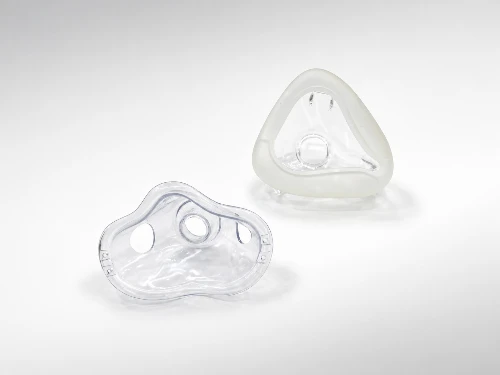
2. Respiratory & Anesthesia Masks
Recommended Process: LSR or Overmolded LSR on Polycarbonate (Two-Shot / 2K)
Why: The soft-touch cushion of LSR prevents pressure sores on patient skin during prolonged wear, while providing an airtight seal. Overmolding LSR directly onto a rigid plastic frame eliminates manual assembly and contamination risks.
3. Syringe Barrels and Device Housings
Recommended Process: Thermoplastic Injection Molding (Polycarbonate, Cyclic Olefin Polymer)
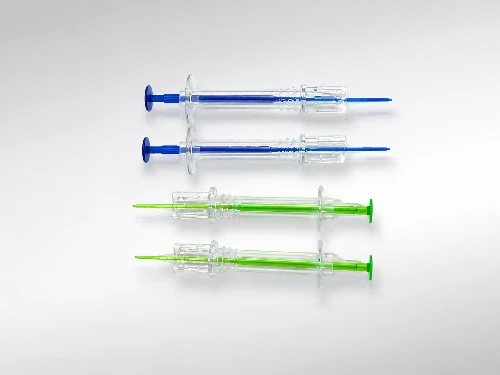
Why: These components require high tensile strength, dimensional stability, optical clarity, and rigid structural support to protect internal mechanisms or contain fluids safely.
6. Common Pitfalls to Avoid in Medical Material Selection
Underestimating Flash in LSR Tooling: Designing LSR molds with standard plastic tolerances results in severe flashing. Ensure your tooling manufacturer specializes in high-precision silicone injection molds with active vacuum venting.
Ignoring Cleaning & Sterilization Requirements: Specifying standard thermoplastics for reusable medical devices often leads to premature degradation or stress cracking caused by repeated exposure to steam or harsh hospital disinfectants.
Overlooking 2K Overmolding Opportunities: Designing separate plastic and silicone components increases assembly labor and introducing contamination risk. Using two-shot (2K) molding to bond LSR directly to a thermoplastic substrate streamlines production and creates a sealed, single-piece component.
7. Frequently Asked Questions (FAQ)
Q1: Is LSR more expensive than thermoplastic injection molding?
A1: Raw LSR material and initial tooling costs are generally higher than standard thermoplastics. However, for complex seal designs, multi-component parts, or applications requiring strict medical-grade compliance, LSR often lowers total production cost by eliminating secondary assembly steps and reducing part failure rates.
Q2: Can LSR be overmolded onto plastic components?
A2: Yes. LSR can be overmolded onto high-temperature thermoplastics (such as PBT, Polycarbonate, or PEEK) that withstand the 170°C–200°C LSR curing temperatures. This multi-shot injection process creates a permanent chemical or mechanical bond without adhesives.
Q3: What sterilization methods work best for LSR medical parts?
A3: LSR is compatible with steam autoclaving, Gamma radiation, Ethylene Oxide (EtO) gas, and Electron Beam (E-beam) sterilization. It retains its physical properties without discoloration, embrittlement, or loss of elasticity across repeated sterilization cycles.
Conclusion & Design Next Steps
Choosing between LSR medical molding and thermoplastic injection molding depends on your device's mechanical, thermal, and biological requirements. LSR excels in dynamic sealing, patient-contact comfort, and high-heat sterilization scenarios, whereas thermoplastics provide structural rigidity, dimensional precision, and cost-efficient high-volume production for rigid housings.
Ready to optimize your medical device design for manufacturing? Explore our detailed engineering resources or contact our technical team to review your drawings: contact us