



-
Micro LSR Seal Design: Flash Prevention Tips for Precision Molding
-

Advantages of Liquid Silicone Rubber (LSR): Why It Is Replacing Traditional Rubber and Plastics
-
LSR Injection Molding (Cold Runner) vs. Compression Molding LSR (Runnerless): Process & Selection Guide
-
Medical Injection Molding DFM Checklist & Design Guidelines
Medical Mold Design vs Standard Mold Design: Key Differences & Guide
2026-10-06


复制成功
For mold engineers or procurement managers entering the medical device sector, the most common pitfall is approaching medical mold design with a consumer electronics or automotive mindset. Many assume it is simply a matter of "higher precision," only to face project delays of several months or losses running into hundreds of thousands of dollars during quality system audits, validation (DQ/IQ/OQ/PQ), or mass production.
The core differences between medical and standard molds extend far beyond dimensional tolerances. Medical mold design is a rigorous engineering framework governed by regulatory compliance (E-E-A-T), material biocompatibility, cleanroom manufacturing environments, and full lifecycle traceability. This article breaks down the fundamental differences and provides actionable guidelines to avoid costly mistakes.
1. Core Differences Overview: Medical Molds vs. Standard Molds
Before diving into technical details, the table below highlights the primary distinctions between the two mold categories:
| Dimension | Standard Industrial / Electronic Molds | Medical Device Molds |
| Primary Goal | Aesthetics, cost reduction, cycle time | Biocompatibility, sterility, absolute stability |
| Governing Standards | ISO 9001, IATF 16949 (Automotive) | ISO 13485, FDA 21 CFR Part 820 |
| Steel Selection | P20, 718H, NAK80, and general steels | High corrosion/polish stainless steels (S136, H13, M333) |
| Lubrication & Cooling | Standard grease, industrial rust inhibitors | Grease banned in cavity areas; oil-free or medical-grade lubrication |
| Sampling & Validation | Approved once T0/T1 sample dimensions are met | Requires complete DQ / IQ / OQ / PQ validation protocol |
| Lifecycle & Traceability | Focus on tool life and repair costs | Mandatory full lifecycle traceability records kept for years |
2. Regulatory & Quality Standards: ISO 13485 and FDA Compliance
While standard mold design prioritizes functional execution and cost efficiency, medical mold design is bounded by strict healthcare regulations from day one.
ISO 13485 vs. ISO 9001
Most standard mold manufacturers hold ISO 9001 certifications, which simply confirm standard operating procedures. Medical tooling requires end-to-end alignment with ISO 13485 (Medical Devices — Quality Management Systems), putting heavy emphasis on risk management (ISO 14971) and safety compliance.
FDA 21 CFR Part 820 Traceability
If the final device is distributed in the U.S. market, it must comply with FDA Quality System Regulation (QSR) / Good Manufacturing Practice (GMP). Every Engineering Change Notice (ECN), Certificate of Compliance (COC) for mold steel, and component replacement must maintain an unbroken chain of documentation.
3. Steel Selection & Surface Finish: Corrosion Resistance & Zero Contamination
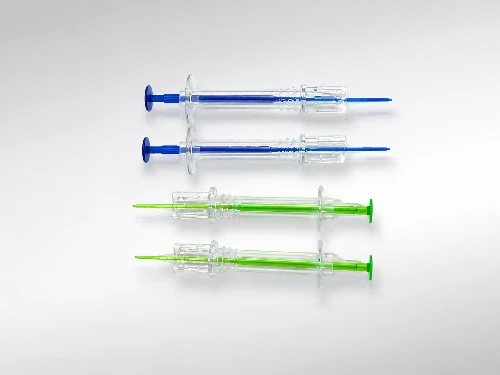
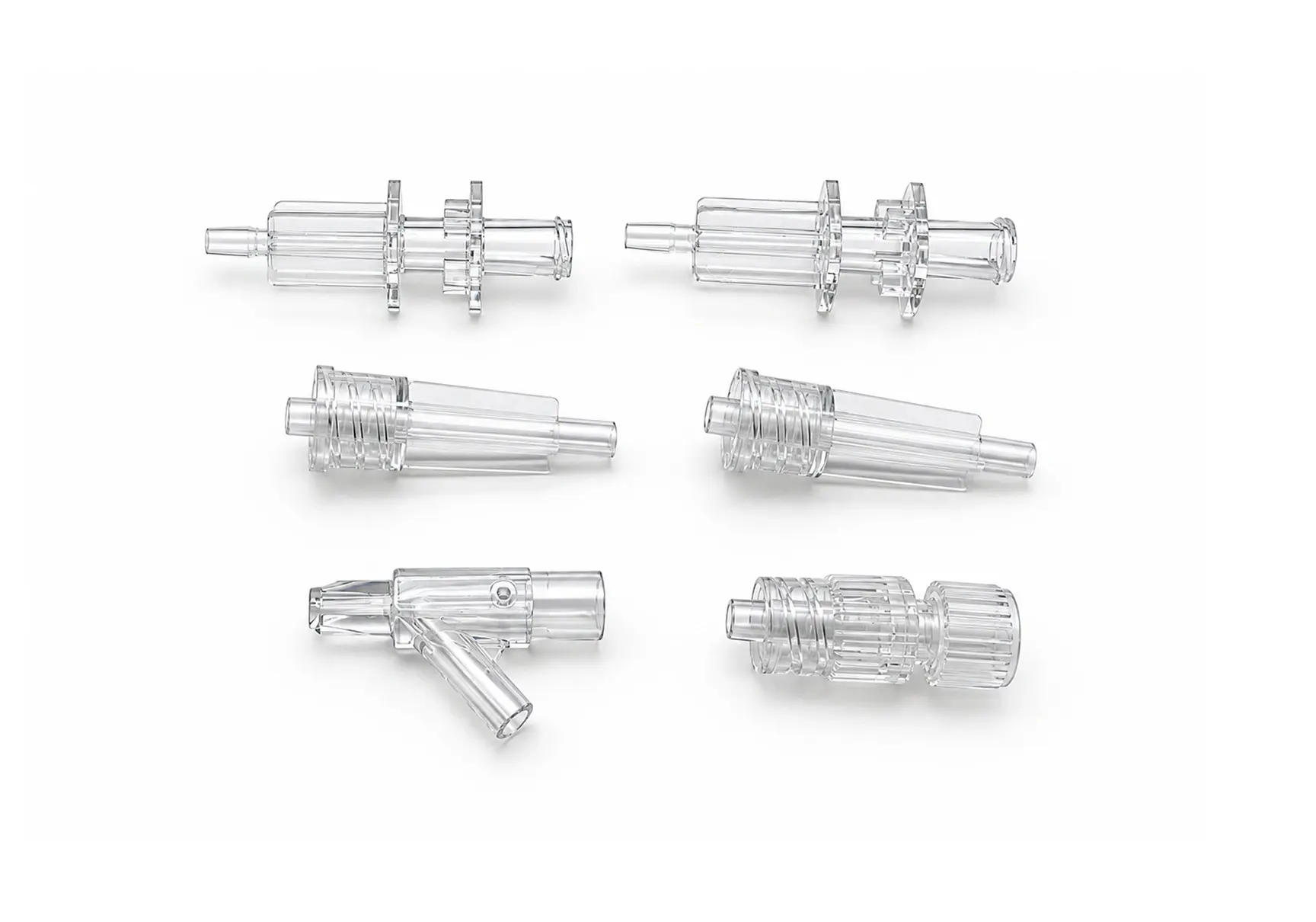
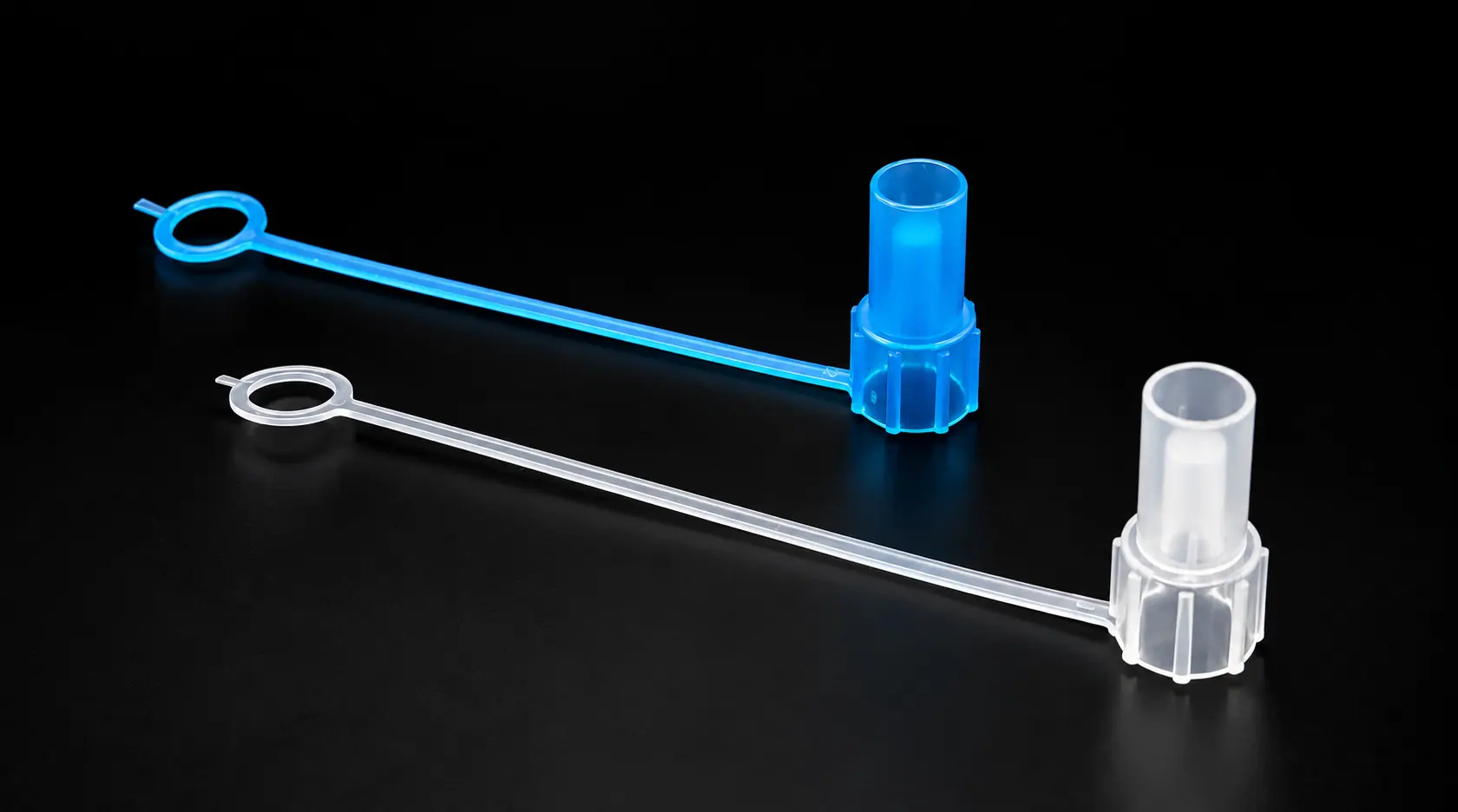
Medical injection molded parts (such as syringes, IV connectors, diagnostic tubes, and surgical instrument housings) have zero tolerance for particulate or chemical contamination. This dictates steel selection:
High Corrosion Resistance: Medical resins (e.g., PC, PP, PEEK, COP/COC) can release trace gases during high-temperature processing or sterilization. Additionally, molds undergo frequent sanitization in cleanroom environments. Stainless steels with exceptional corrosion resistance—such as S136 (chromium content ≥13%), M333, or Stavax—are industry standards.
Mirror Polishing (SPI A-1 / A-2): Diagnostic and fluidic parts require high optical clarity (e.g., cuvettes, blood analyzer chips). Mold cavities require optical mirror polishing to prevent micro-defects where bacteria or particulate matter could accumulate.
Surface Coatings: To reduce friction, standard molds rely on heavy grease. Medical molds avoid lubricants near molding zones by applying DLC (Diamond-Like Carbon) or TiN (Titanium Nitride) coatings to allow oil-free or low-maintenance operation.
4. Mold Structure & Venting: Adapting to ISO Class 7/8 Cleanrooms
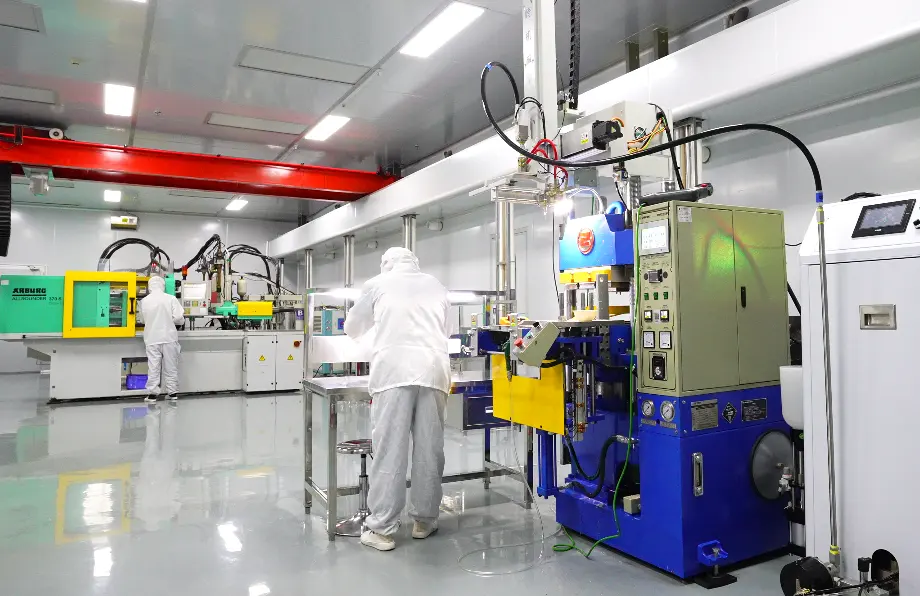
Medical injection molding takes place almost exclusively inside ISO Class 8 (100,000) or ISO Class 7 (10,000) cleanrooms, requiring the tool itself to be "dust-free" by design.
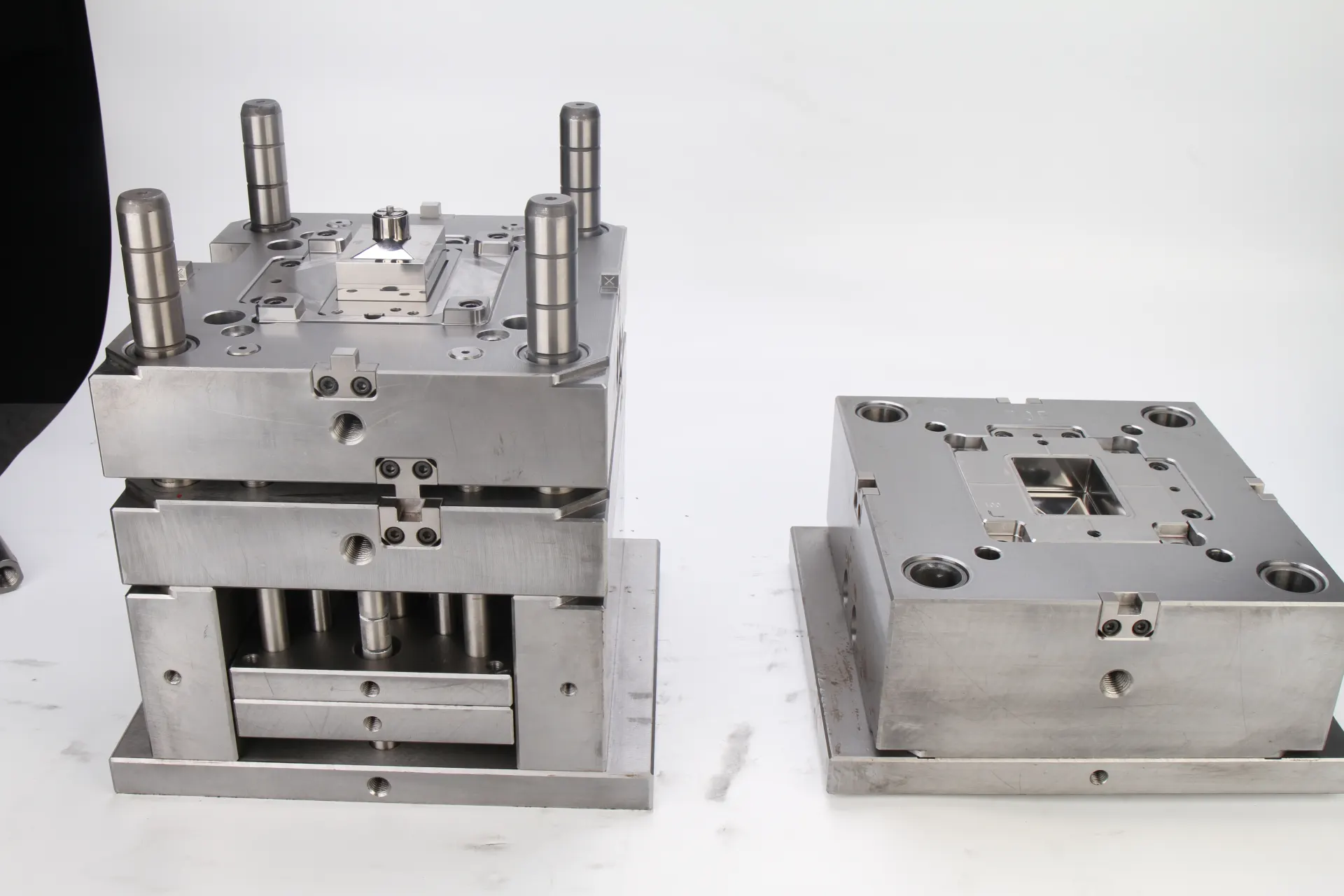
1.Oil-Free or Self-Lubricating Mechanisms:
Ejector pins, slides, and lifters must not use standard grease or black molybdenum lubricants. Design engineers specify self-lubricating graphite-bronze bushings, oil-less guide pillars, or DLC-coated moving parts to prevent particulate shedding and fluid contamination.
2.Micro-Venting Precision:
Medical parts are often small with thin wall sections (e.g., microfluidic channels, needle hubs). Vent depths are tightly controlled between 0.005mm and 0.01mm (5 to 10μm) to eliminate air traps and burns while preventing flash.
3.Corrosion-Resistant Cooling Circuits:
Cooling fittings and manifold connectors must be stainless steel or non-corrosive brass. Deionized or purified water is used as the cooling medium to eliminate mineral scale buildup that could disrupt thermal balance and cause dimensional drift.
5. Mold Validation (DQ, IQ, OQ, PQ) Process
In conventional molding, delivering dimensional compliance on initial samples (T1/T2) satisfies acceptance criteria. In medical molding, sample approval is only the beginning of validation.
DQ (Design Qualification)
Stage 1
Verifies that the mold design meets customer product specifications, material requirements, cleanroom compatibility, and risk analysis (FMEA).
IQ (Installation Qualification)
Stage 2
Confirms that the mold and auxiliary equipment (chillers, hot runner controllers, sensors) are properly installed on the cleanroom press in accordance with documented specifications.
OQ (Operational Qualification)
Stage 3
Tests the mold at the upper and lower extremes of the processing window (e.g., high/low injection speed, melt temperature, and mold temperature) to prove the tool yields acceptable parts under boundary conditions.
PQ (Performance Qualification)
Stage 4
Executes consecutive production runs (typically 3 distinct batches across shifts) to confirm long-term process repeatability and statistical capability .
6. Maintenance & Traceability: Full Lifecycle Documentation
Medical molds require a comprehensive "identity dossier":
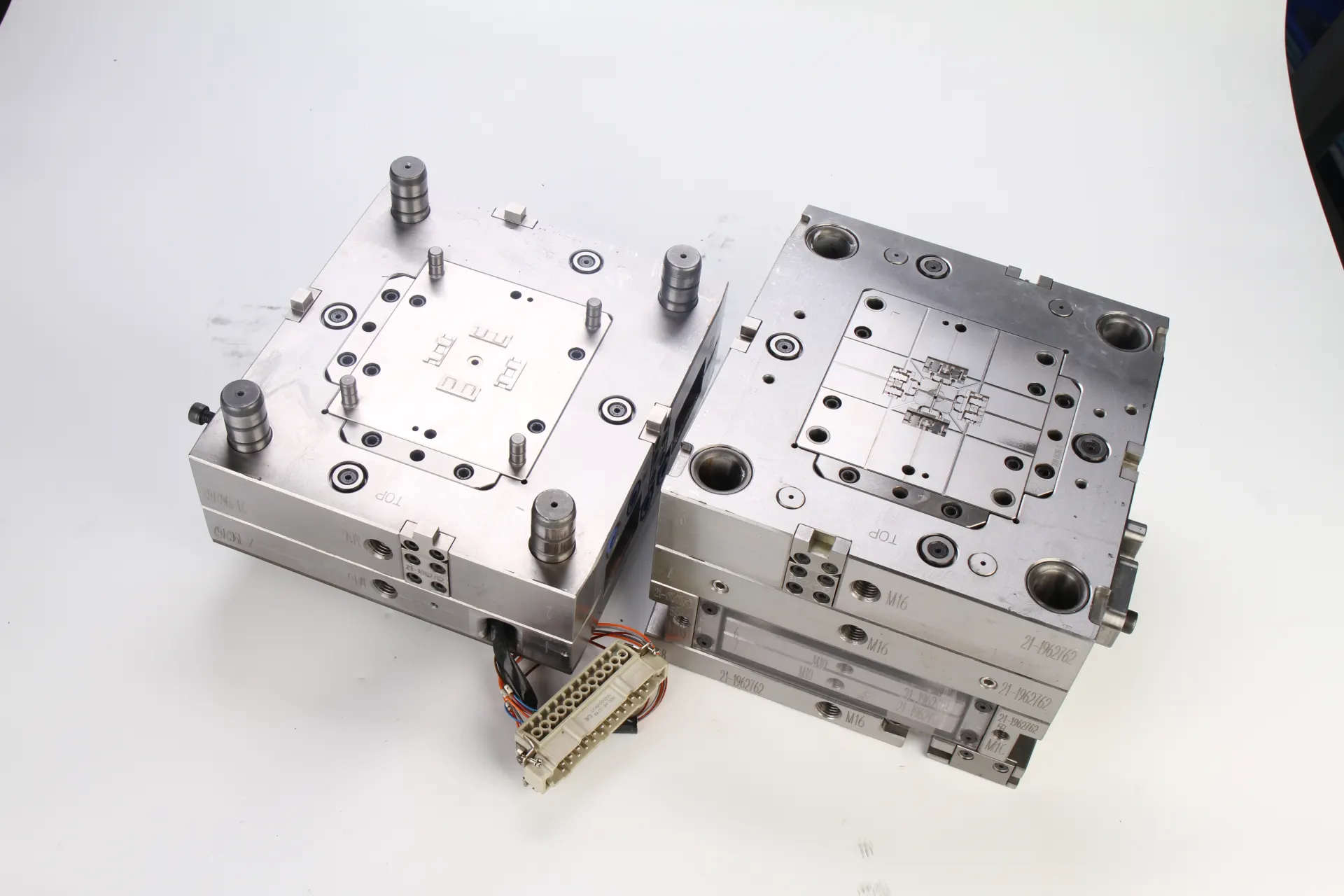
Unique Identification: Tools are laser-etched or fitted with RFID chips documenting project numbers, cavity IDs, and production batch history.
Maintenance Logs: Shot counts, cleaning cycles, ejector replacements, and inspection reports must be archived to ensure root-cause traceability for any quality non-conformance.
High Interchangeability: Multi-cavity medical tooling (e.g., 32-cavity or 64-cavity syringe tools) requires interchangeable inserts. If one cavity suffers damage, a pre-machined spare insert is swapped in without needing full tool re-fitting.
Pitfall Prevention Guide for Medical Mold Design
Key Design Warnings:
Never Use Standard Anti-Rust Sprays: During shutdown or storage, technicians must use FDA-compliant food/medical-grade rust preventatives or store tooling in dehumidified cleanroom storage drawers.
Re-evaluate Draft Angles Carefully: Critical mating features on medical devices (such as Luer Lock taper connectors) have tight dimensional allowances. Standard draft angles of 1° to 2° are often impossible, forcing engineers to work with 0.25° to 0.5° or rely on high-polish surface finishes for ejection.
Control Gate Vestige: On syringes, IV ports, or implantable devices, protruding gate vestige can puncture packaging, scratch patients, or compromise sterile seals. Valve gate hot runners or submarine gating are strongly preferred over direct sprues.
FAQ: Frequently Asked Questions
Q1: Can a standard mold shop manufacture medical molds?
Answer: It involves significant risk. Even with high-precision CNC or EDM equipment, a shop lacking an ISO 13485 quality system, cleanroom facilities, and experience with FDA validation protocols (DQ/IQ/OQ/PQ) will struggle to pass medical customer audits.
Q2: Which hot runner system is preferred in medical mold design?
Answer: Valve gate hot runner systems are the industry standard. Unlike open tips, valve gates leave virtually no gate vestige, prevent drooling/stringing, eliminate cold slugs, and allow precise valve pin timing for balanced multi-cavity filling.
Q3: Why do medical molds demand high Cpk values (≥1.33 or 1.67)?
Answer: Medical device failures can lead to fluid leaks, dosage inaccuracies, or severe clinical risks. A high Cpk demonstrates that the mold geometry and molding process possess sufficient margin to produce fully compliant parts consistently across millions of cycles.
Learn more about medical mold injection molding