



-

Advantages of Liquid Silicone Rubber (LSR): Why It Is Replacing Traditional Rubber and Plastics
-
LSR Injection Molding (Cold Runner) vs. Compression Molding LSR (Runnerless): Process & Selection Guide
-
Medical Injection Molding DFM Checklist & Design Guidelines
-
Liquid Silicone Rubber (LSR) vs. Thermoplastic Injection Molding for Medical Devices

LSR Injection Molding (Cold Runner) vs. Compression Molding LSR (Runnerless): Process & Selection Guide
2026-10-16


复制成功
When sourcing custom Liquid Silicone Rubber (LSR) parts, procurement specialists and design engineers often face a puzzle: Why do different manufacturers provide vastly different quotes and process recommendations for the exact same liquid silicone design?
Selecting the wrong molding process can lead to budget overruns on tooling, high scrap rates, compromised dimensional tolerances, or bottlenecked production capacity.
The two main manufacturing methods for liquid silicone parts are LSR Injection Molding (with Cold Runner System) and Liquid Silicone Compression Molding (Hydraulic Press / Runnerless Mold). This guide breaks down the underlying engineering principles, tooling costs, part precision, and ideal use cases to help you choose the best process for your project.
1. What is LSR Injection Molding (with Cold Runner)?
LSR Injection Molding is an automated, high-precision manufacturing process engineered for high-volume production of liquid silicone rubber components.
Working Principle & Technical Details
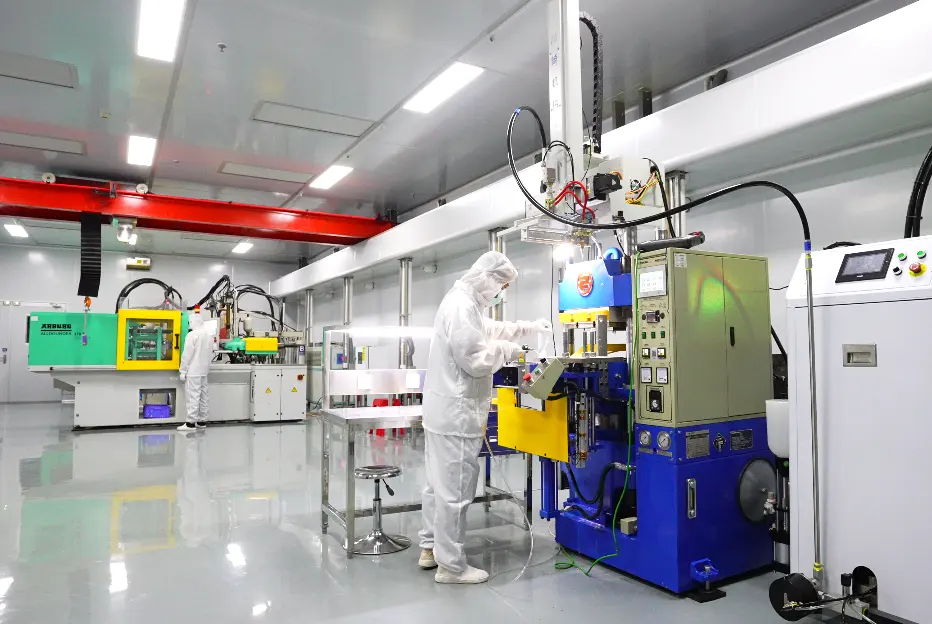
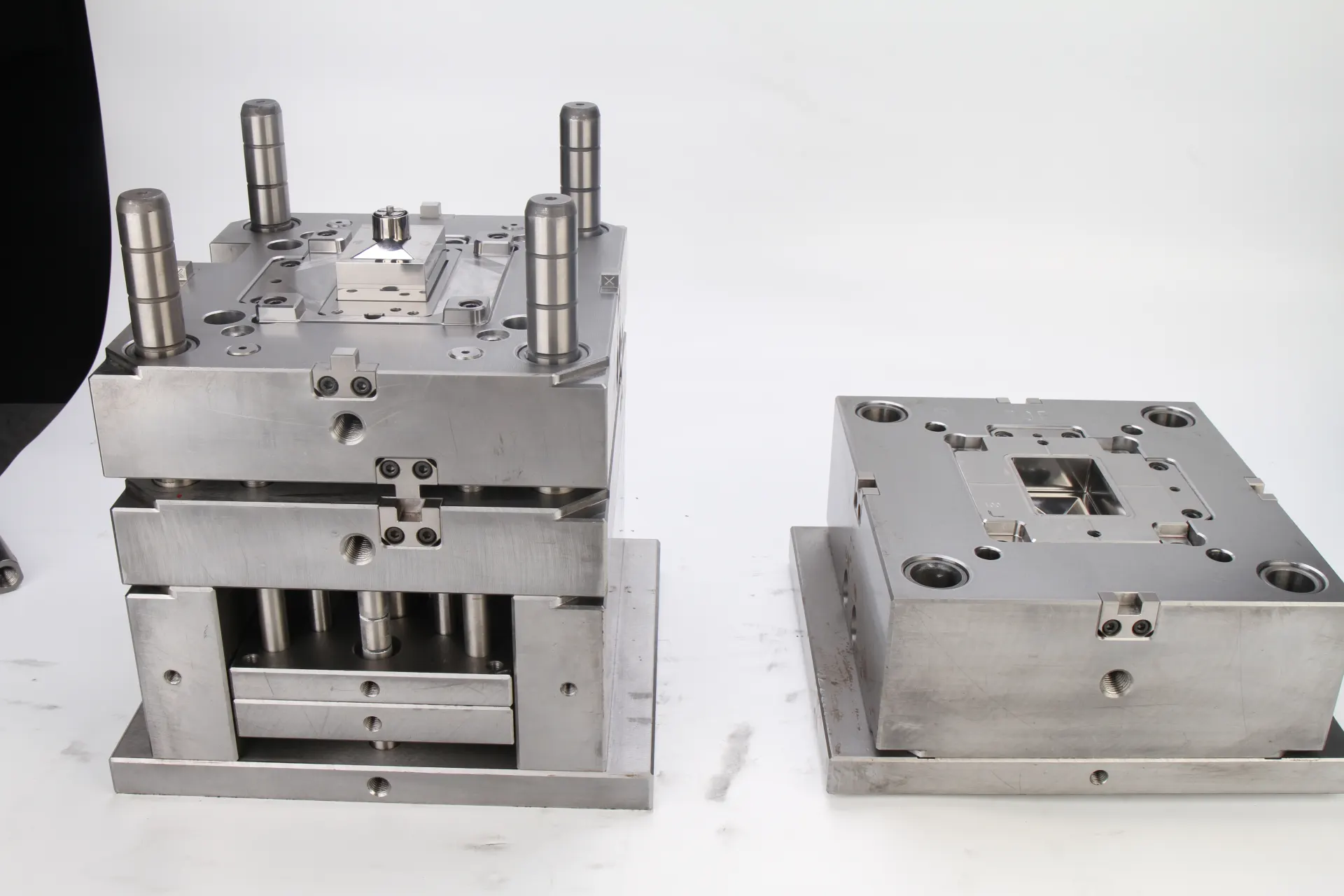
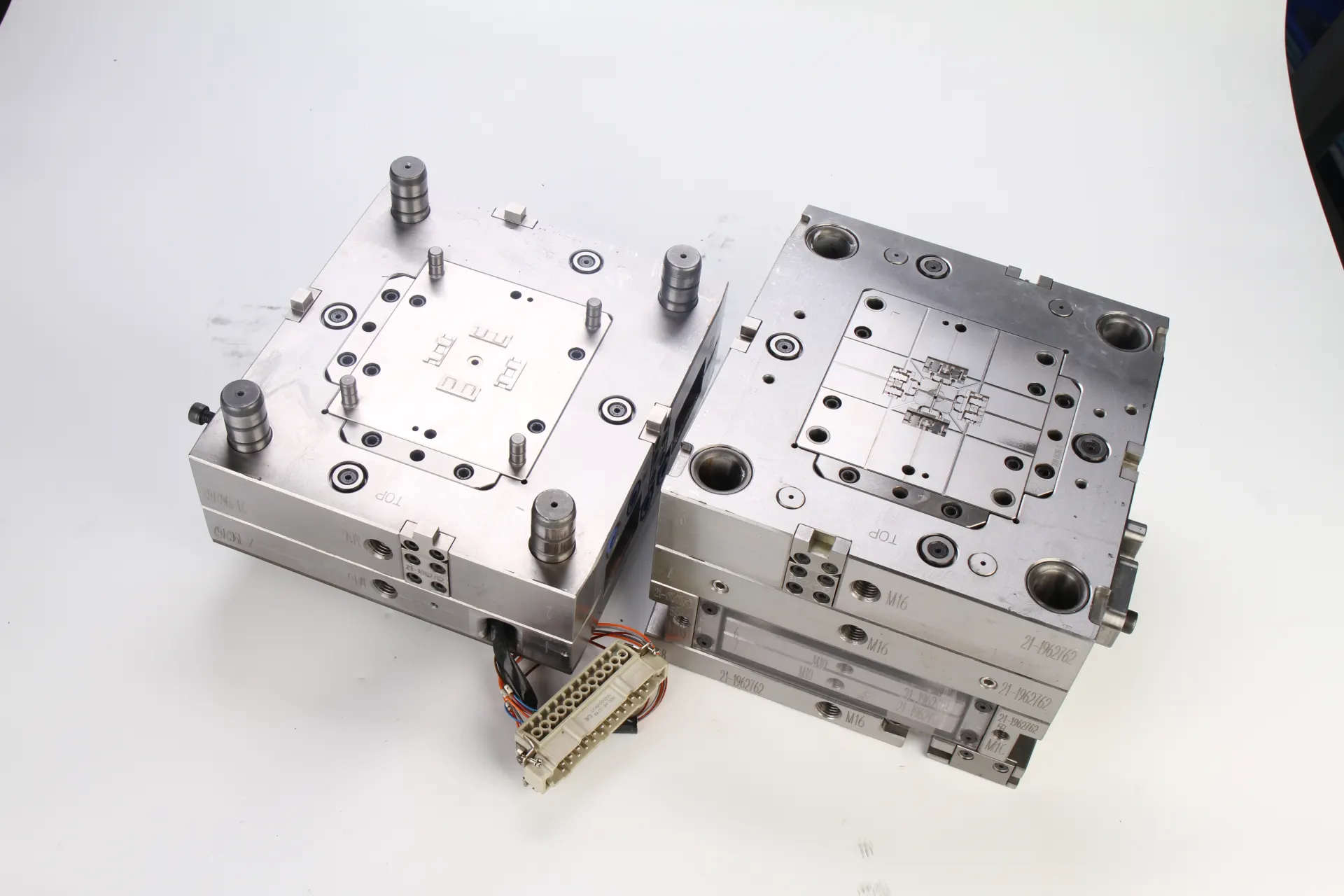
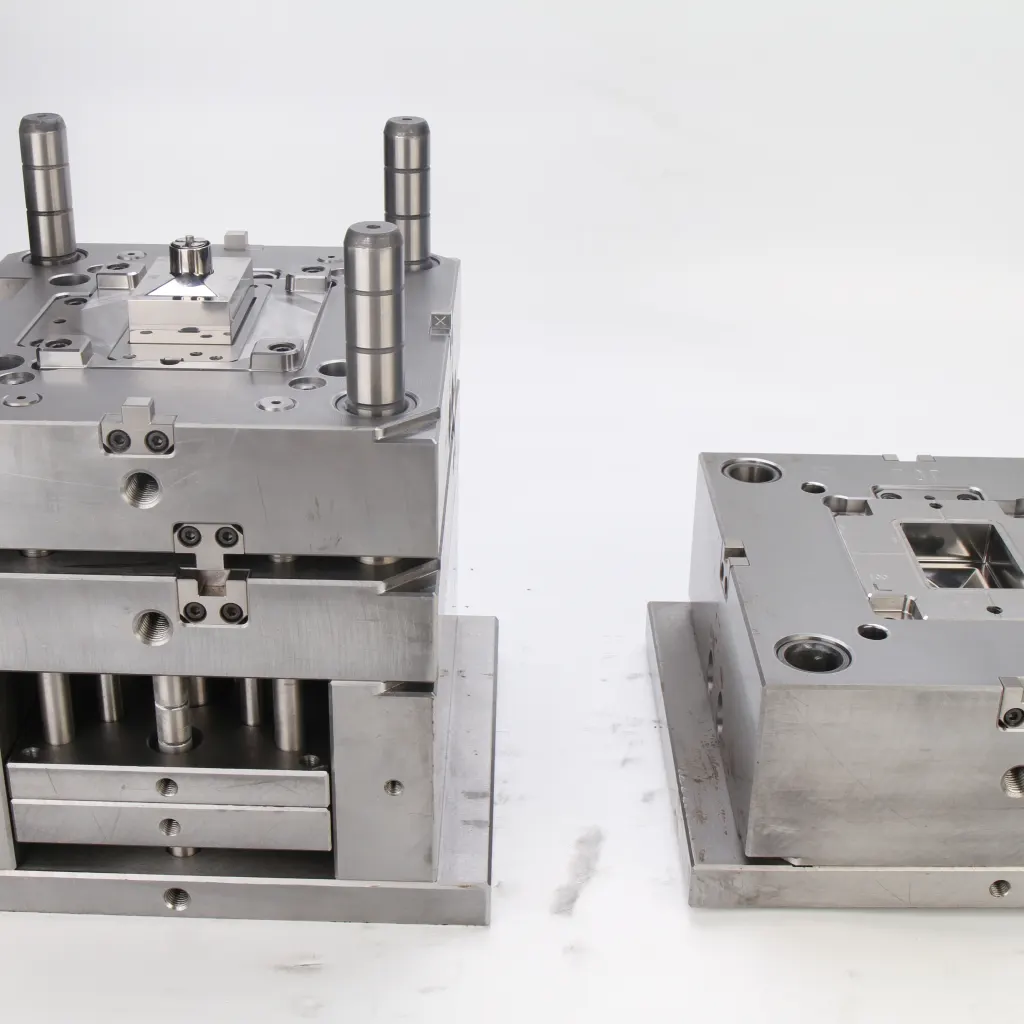
The mold features an integrated cold runner system equipped with a chilled runner manifold and valve gates. A specialized LSR injection molding machine uses a metering unit to mix Liquid Silicone Rubber Components A and B in a precise 1:1 ratio. The mixed material is injected through runners and gates into the heated mold cavity (typically 160°C to 190°C), where it rapidly cures (vulcanizes).
Chilled water continuously circulates through the cold runner manifold to keep the silicone in a liquid state, preventing premature curing inside the runner system so that vulcanization only occurs inside the hot mold cavity.
Required Equipment: Dedicated LSR injection molding machine with a liquid dosing/metering system.
Key Advantages: Automated injection, flashless/sprue-free output (when using valve gates), high cleanliness, and fully automated continuous production.
Applications & Ideal Industries
Best suited for high-volume, high-precision, thin-walled, and food/medical-grade products:
Infant Care: Baby bottle nipples, pacifiers, straw spouts, soft silicone accessories.
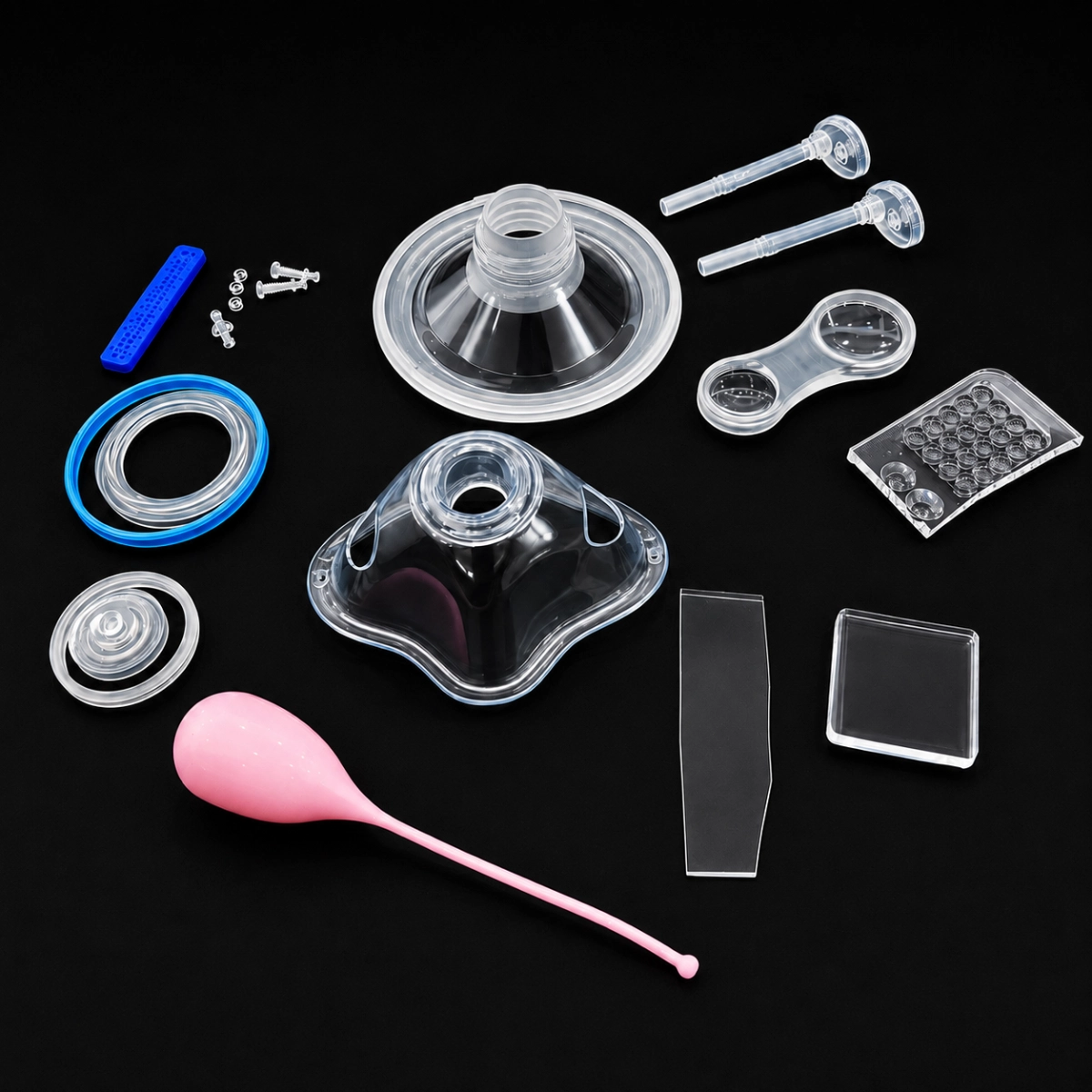
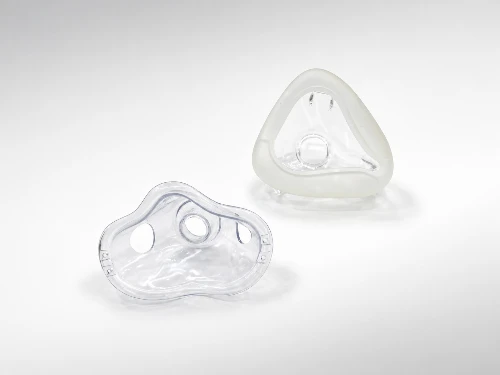
Medical Devices: Laryngeal mask airways (LMA), silicone catheters, medical gaskets, dialysis equipment components.
Consumer Electronics: TWS earbud tips, smartwatch/fitness tracker seals, smartphone waterproof gaskets.
Automotive: Headlamp seals, sensor boots, precision connector grommets.
2. What is Liquid Silicone Compression Molding (Runnerless)?
Liquid Silicone Compression Molding (also referred to as hydraulic press molding or liquid pouring molding) is a simpler, lower-cost method for manufacturing liquid silicone parts.
Working Principle & Technical Details
Unlike injection molds, this tool structure does not contain a cold runner manifold or runner gates.
The process begins by manually pre-mixing liquid silicone Components A and B. The mixed silicone is manually poured or dispensed directly into the open mold cavities. The mold is then closed inside a standard hydraulic press (platen vulcanizing machine), where heat and pressure are applied to cure the material.
Required Equipment: Standard silicone hydraulic press / platen vulcanizer (does not require a costly LSR injection molding machine).
Key Advantages: Simple mold construction, significantly lower upfront tooling cost, and rapid development turnarounds.
Applications & Ideal Industries
Best suited for low-to-medium volumes, thick-walled parts, simple geometries, and prototyping:
Housewares: Ice cube trays, cake molds, heavy silicone pads/mats.
Promotional Goods & Crafts: Silicone promotional gifts, basic protective covers/cases.
Prototyping & Sampling: Thick-walled custom parts, early-stage functional samples, low-volume trial runs.
3. Head-to-Head Comparison: LSR Injection vs. Compression Molding
The table below summarizes the core differences between the two processes:
| Feature / Metric | LSR Injection Molding (Cold Runner) | Liquid Silicone Compression Molding (Runnerless) |
| Material Feeding | Automated metering pump; cold runner injection | Manual mixing; poured directly into mold cavity |
| Primary Machinery | Dedicated LSR injection molding machine | Standard hydraulic press (platen vulcanizer) |
| Tooling Cost | Higher (requires cold runner / valve gates) | Lower (simple mold construction, runnerless) |
| Precision & Consistency | Extremely high; ideal for thin walls & micro-parts | Moderate; not recommended for ultra-thin walls |
| Efficiency & Automation | Fully automated; built for high-volume runs (1M+) | Labor-intensive; best for low-to-medium runs |
| Material Scrap / Waste | Minimal to zero waste (valve gated systems) | Higher due to overflow grooves & manual flash trimming |
| Primary Selling Points | High precision, sterile/clean, automated, scalable | Low mold cost, fast tooling, ideal for thick parts |
4. Common Pitfalls to Avoid
Keep these common industry misconceptions in mind when selecting a process or supplier:
Misconception 1: Confusing Liquid Silicone Compression Molding with Solid HCR Molding
Fact: Liquid compression molding uses the exact same liquid A/B silicone resin as LSR injection molding. The distinction lies in the delivery mechanism and equipment, not the raw material state.
Misconception 2: Assuming Compression Molding Works Well for Multi-Cavity Complex Parts
Fact: Compression molding relies on manual material loading. Maintaining consistent fill weight across dozens of tiny or intricate cavities is difficult, often leading to air traps, short shots, or dimensional variance. LSR injection machinery automatically meters identical volumes to each cavity.
Misconception 3: Focusing Only on Tooling Cost Rather Than Unit Price
Fact: While compression molds are cheaper upfront, high manual labor and scrap rates drive up piece prices. Conversely, LSR injection tooling requires a higher initial investment, but the low labor requirement and fast cycle times result in a substantially lower piece price over high production runs.
5. Frequently Asked Questions (FAQ)
Q1: What do shop-floor terms like "LSR Shot Mold" or "Platen Mold" refer to?
A: In manufacturing jargon, LSR Injection Molds are often called "LSR Shot Molds" or "LSR Liquid Molds." Liquid Silicone Compression Molds are frequently referred to as "Platen Molds," "Pouring Molds," or "Hydraulic Press Molds."
Q2: Which process should be chosen for medical-grade or food-grade silicone parts?
A: LSR Injection Molding with a cold runner system is strongly recommended. The material remains enclosed throughout the mixing and dosing system, preventing exposure to ambient contamination and ensuring compliance with stringent hygiene standards (e.g., ISO 13485 / Class 7–8 Cleanroom production).
Q3: Which process is best for an initial prototype batch of 500 units?
A: Liquid Silicone Compression Molding (Runnerless) is typically the most cost-effective choice. It minimizes initial capital expenditure on tooling and allows for rapid sample delivery to validate design concepts.
6. Summary & Process Selection Recommendations
For high volumes, tight tolerances, thin walls, or medical/food-grade applications: Choose LSR Cold Runner Injection Molding.
For prototypes, low-volume orders, thick-walled parts, or budget-constrained projects: Choose Liquid Silicone Compression Molding (Runnerless).