



-
Micro LSR Seal Design: Flash Prevention Tips for Precision Molding
-
Advantages of Liquid Silicone Rubber (LSR): Why It Is Replacing Traditional Rubber and Plastics
-
LSR Injection Molding (Cold Runner) vs. Compression Molding LSR (Runnerless): Process & Selection Guide
-
Medical Injection Molding DFM Checklist & Design Guidelines
Advantages of Liquid Silicone Rubber (LSR): Why It Is Replacing Traditional Rubber and Plastics
2026-10-20


复制成功
In modern industrial manufacturing and medical device engineering, design teams often face a tough dilemma: traditional plastics are easy to process but become brittle under extreme temperatures, while conventional rubbers lack the purity and weather resistance needed for critical applications.
If you are looking for a high-performance elastomer that withstands harsh environments while delivering exceptional biocompatibility and long-term stability, Liquid Silicone Rubber (LSR) is the definitive answer. This article delves into the core advantages of LSR material to help you optimize product selection and engineering designs.
1. Introduction: Traditional Elastomer Limitations and the Rise of LSR
During early-stage product development, engineering teams frequently underestimate how materials perform under extreme operational stress. Whether exposed to the high heat of an automotive engine bay or the zero-contamination demands of implantable medical devices, commodity plastics (such as ABS or PC) and High Consistency Rubber (HTV) often fall short—plastics degrade and rubbers leach impurities.
Liquid Silicone Rubber (LSR)—a platinum-cured, high-purity elastomer processed via Liquid Injection Molding (LIM)—overcomes the inherent performance ceilings of traditional materials, making it a versatile choice for high-end manufacturing.
2. Top 5 Key Advantages of Liquid Silicone Rubber (LSR)
2.1 Exceptional High & Low Temperature and Aging Resistance
The molecular backbone of LSR consists of siloxane bonds (-Si-O-Si-), which possess high bond energy:
Broad Temperature Window: Retains stable physical properties across a wide temperature range from -60°C to +200°C (and up to 250°C for short spikes).
High Weatherability: Resists cracking, hardening, or yellowing under prolonged exposure to ultraviolet (UV) radiation, ozone, and harsh weather conditions.
2.2 Superior Biocompatibility & Medical-Grade Safety
For medical devices and food-contact products, material safety is paramount:
Nontoxic & Odorless: Free of plasticizers, Bisphenol A (BPA), and phthalates; fully compliant with FDA, USP Class VI, and ISO 10993 regulations.
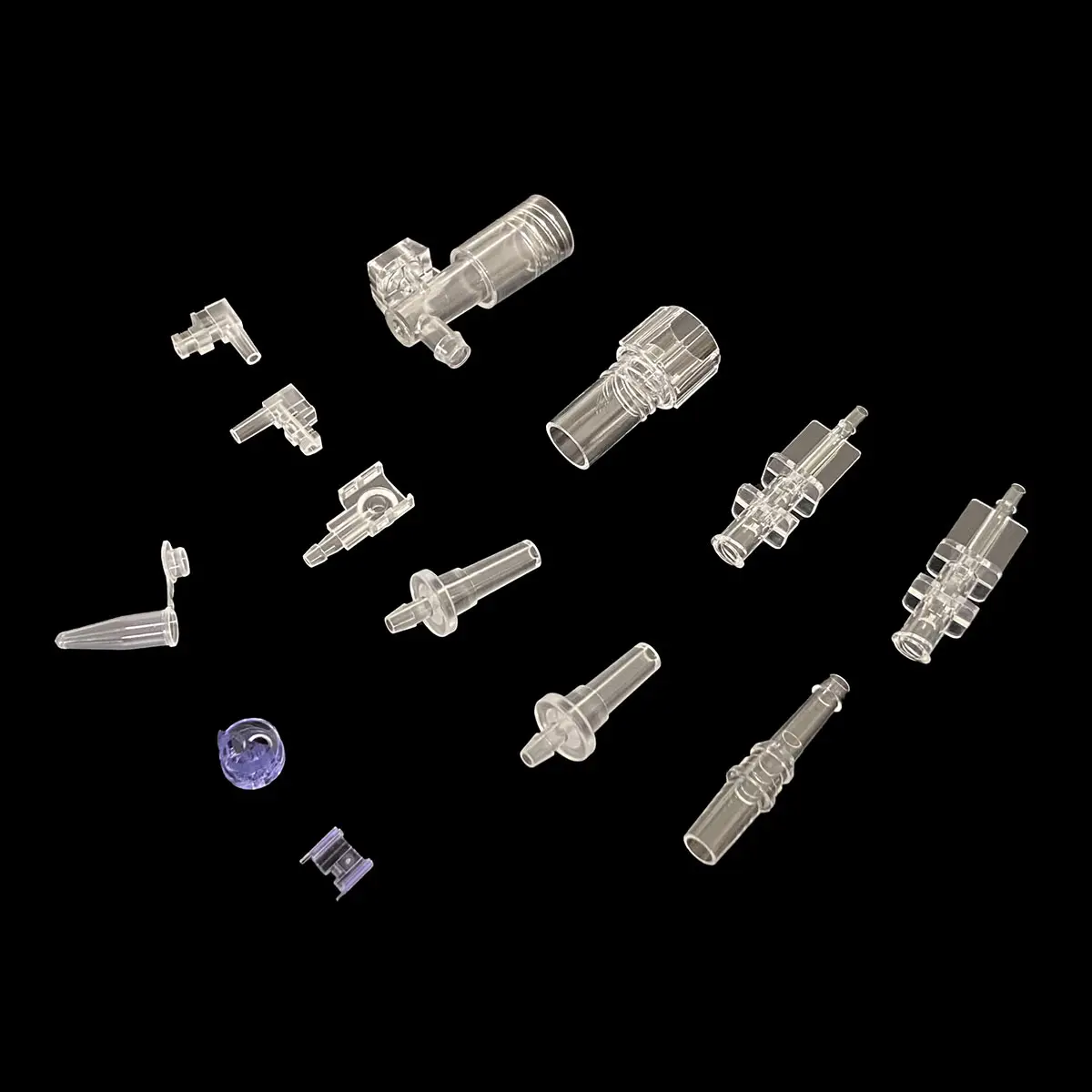
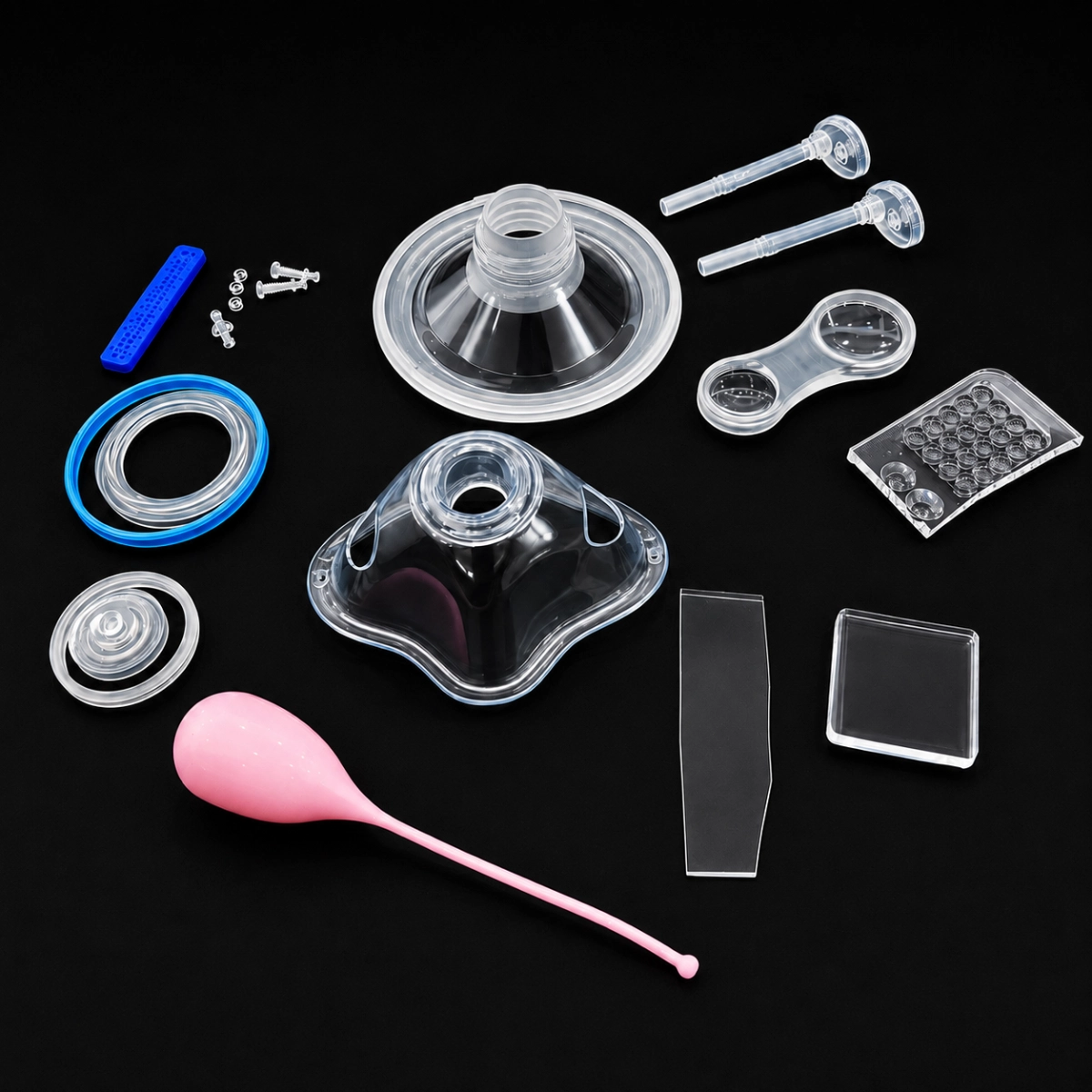
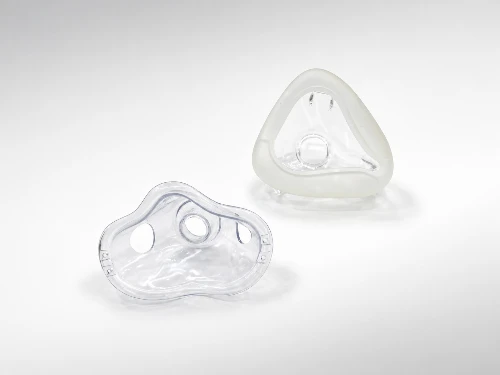
Hygienic Surface: Low surface energy and ultrasmooth texture prevent bacterial adhesion, making it ideal for fluid delivery components, respiratory masks, microfluidic chips, and implantable consumables.
2.3 Outstanding Mechanical Strength, Resilience, and Tear Resistance
Low Compression Set: Retains excellent dimensional recovery and elasticity even after long-term static compression.
Tear & Fatigue Resistance: High tensile strength and elongation at break suit dynamic seals, keypads, and check valves subjected to repeated cyclic deformation.
2.4 Excellent Electrical Insulation and Chemical Stability
Electrical Insulation: Maintains a stable dielectric constant and insulation resistance under humid, high-temperature, or high-frequency conditions.
Chemical Resistance: Highly resistant to most dilute acids, bases, alcohols, and polar solvents.
2.5 High-Precision Automated Injection Molding
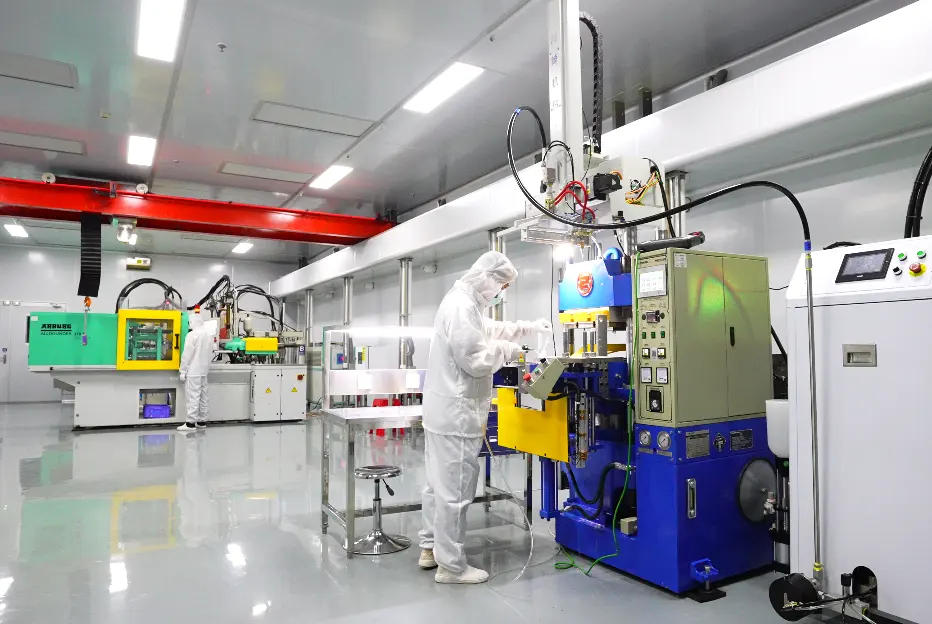
Unlike solid silicone requiring compression molding and manual flash removal, LSR utilizes closed-loop Liquid Injection Molding (LIM):
Flash-Free & High Precision: Ideal for micro-sized or complex thin-walled parts (e.g., precision O-rings, medical connectors).
Automated Production: Short cure cycles allow for fully automated, flashless, continuous production, significantly reducing overall manufacturing costs.

3. Performance Comparison: LSR vs. Plastics vs. Solid Silicone (HTV)
The table below summarizes the technical differences across key metrics:
| Performance Metric | Liquid Silicone Rubber (LSR) | Commodity Plastics (e.g., PC / ABS) | Solid Silicone Rubber (HTV) |
| Temperature Range | -60°C to +200°C | -20°C to +100°C (varies by resin) | -40°C to +180°C |
| Biocompatibility | Exceptional (FDA / USP Class VI) | Moderate (Select engineering grades) | High (Requires post-curing for volatiles) |
| Processing Method | Liquid Injection Molding (LIM), Flash-free | Thermoplastic Injection Molding | Compression / Extrusion Molding |
| Resilience & Set | Ultra-low compression set | Poor elastomeric recovery | Good, but inferior to LSR |
| Automation Level | High (Fully automated) | High | Low (Labor-intensive flash trimming) |
4. Frequently Asked Questions (FAQ)
Q1: What is the main difference between LSR and HTV (Solid Silicone)?
A: The primary difference lies in raw material state and manufacturing process. LSR is a liquid two-part system injected into heated molds for rapid thermal curing, yielding high precision and zero flash automatically. HTV is a high-consistency solid gum processed via compression or extrusion, which typically requires manual trimming and incurs higher material waste.
Q2: Why is Liquid Silicone Rubber ideal for medical device manufacturing?
A: LSR is inert, odorless, resistant to bacterial growth, and compliant with USP Class VI and ISO 10993 standards. It withstands aggressive sterilization protocols—including steam autoclaving, ethylene oxide (EtO), and gamma radiation—without compromising structural integrity.
Q3: What mold design parameters are critical for LSR injection molding?
A: Due to LSR's low viscosity, mold parting lines require extremely tight tolerances (typically within 0.005mm–0.01mm) to prevent flash. Additionally, well-designed vacuum venting systems are necessary to eliminate air traps and short shots during high-speed injection.
5. Summary & Related Reading
Liquid Silicone Rubber (LSR) continues to replace conventional rubber and engineering plastics due to its thermal stability, biocompatibility, and precision molding capabilities. Understanding these core properties helps engineering teams optimize material choices for high-performance applications.contact us