



-

Micro LSR Seal Design: Flash Prevention Tips for Precision Molding
-
Advantages of Liquid Silicone Rubber (LSR): Why It Is Replacing Traditional Rubber and Plastics
-
LSR Injection Molding (Cold Runner) vs. Compression Molding LSR (Runnerless): Process & Selection Guide
-
Medical Injection Molding DFM Checklist & Design Guidelines
Why Medical Grade Silicone Molding Fails: Common Bottlenecks
2026-09-07




复制成功
Selecting and processing silicone for medical devices carries zero margin for error. A single material misstep can cause cytotoxicity issues, premature component wear, or failure during regulatory audits.
Material Selection Error -> Incorrect Curing/Processing -> Regulatory Non-Compliance & Part Failure
Engineers and molders frequently run into three critical execution challenges:
Regulatory Non-Compliance: Using industrial-grade or non-certified silicones that fail ISO 10993 or USP Class VI biocompatibility testing.
Flash and Dimensional Defects: Liquid silicone rubber (LSR) exhibits extremely low viscosity before curing, causing material to seep into parting lines if tool tolerances are loose.
Incomplete Vulcanization: Improper mold temperature control or trace contamination (like sulfur, tin, or amines) inhibiting platinum-cure reaction pathways.

Key Types of Medical Grade Silicone for Molding
Medical silicones fall into distinct categories based on their viscosity, processing method, and vulcanization (curing) mechanisms.
| Attribute / Type | Liquid Silicone Rubber (LSR) | High Consistency Rubber (HCR) | Room Temperature Vulcanizing (RTV) |
| Viscosity | Low (Pumpable, liquid paste) | High (Putty / clay-like) | Low-to-Medium (Pourable) |
| Curing Mechanism | Platinum addition cure (Heat) | Organic peroxide or Platinum cure | Moisture or Platinum cure |
| Primary Molding Method | Liquid Injection Molding (LIM) | Compression / Extrusion Molding | Casting / Prototyping |
| Best For | High-volume, complex geometry | Tubing, gaskets, thick profiles | Low-volume prototypes, potting |
| Biocompatibility | Exceptional (USP Class VI / ISO 10993) | Exceptional (ISO 10993) | Varies (Grade specific) |
Platinum Cure vs. Peroxide Cure
For medical applications, Platinum-Cure (Addition Cure) silicone is the global standard. Unlike peroxide-cure systems, platinum curing produces no volatile byproducts (like organic acids), eliminating the need for extensive post-curing and ensuring maximum purity in biocompatible environments.
Step-by-Step Execution: Liquid Injection Molding Process
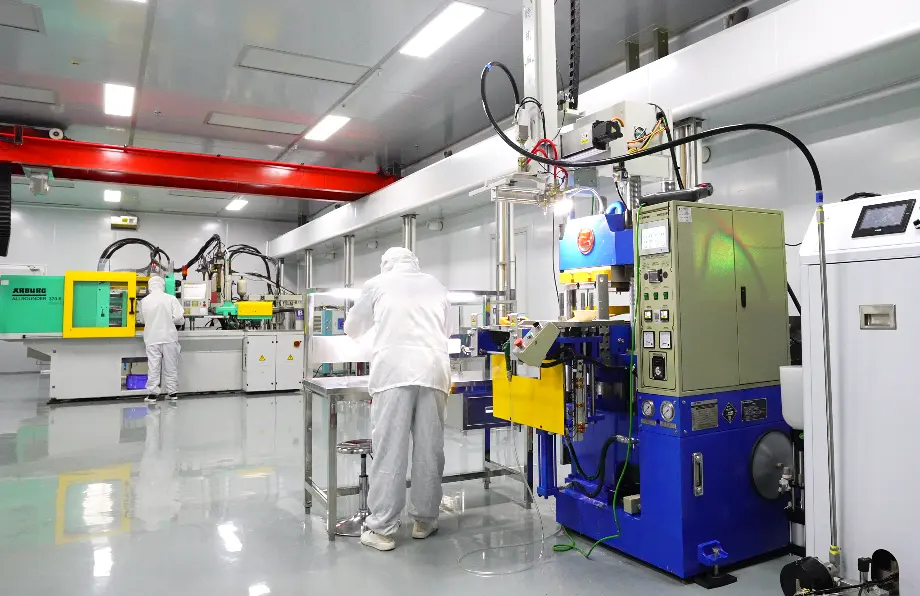
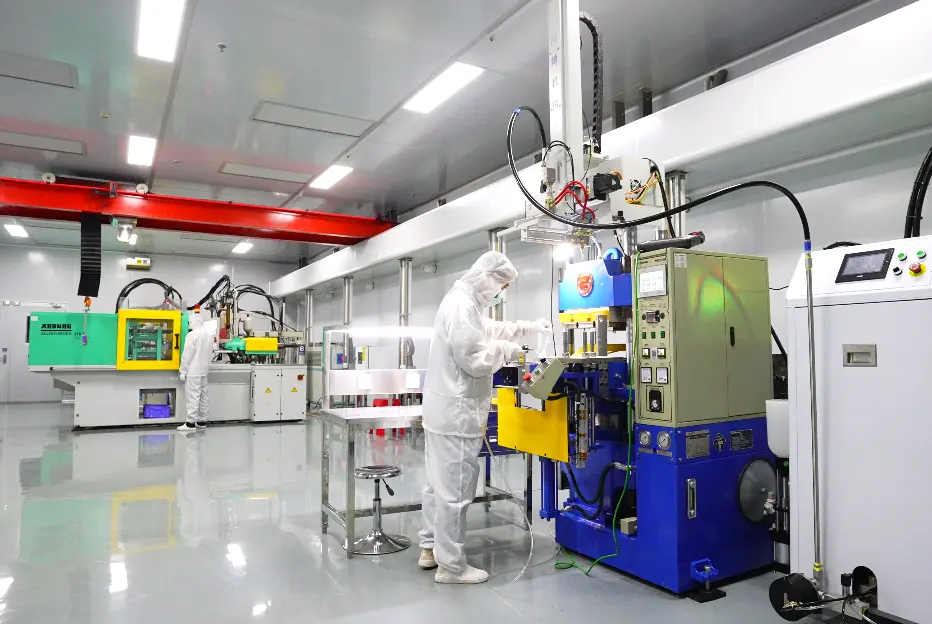
Liquid Silicone Rubber (LSR) molding demands high precision across equipment and tool design. Follow this workflow to ensure clean, void-free parts.
1.Material Preparation and Metering:Ensure 1:1 mixing ratio accuracy。
Feed Component A (base and platinum catalyst) and Component B (crosslinker and inhibitor) via a closed, metered pumping unit at a precise 1:1 ratio to prevent air entrapment.
2.Precision Injection and Cold Runner Feeding:Prevent premature curing in the runner system。
Inject the chilled material mixture into the heated mold cavity through a liquid injection molding (LIM) unit. Maintain cold runners (15–25°C) to prevent the silicone from vulcanizing before reaching the cavities.
3.Thermal Vulcanization:Maintain mold temperatures between 170°C–210°C。
Expose the filled mold cavities to high temperatures to trigger rapid platinum-catalyzed crosslinking. Cure times vary from 10 to 60 seconds depending on wall thickness.
4.Demolding and Quality Verification:Automated robotic extraction recommended。
Eject parts using air-assist or robotic end-effectors to protect delicate geometries. Conduct optical measurement and flash inspection before secondary packaging in cleanroom environments.
Tooling and Mold Design Essentials
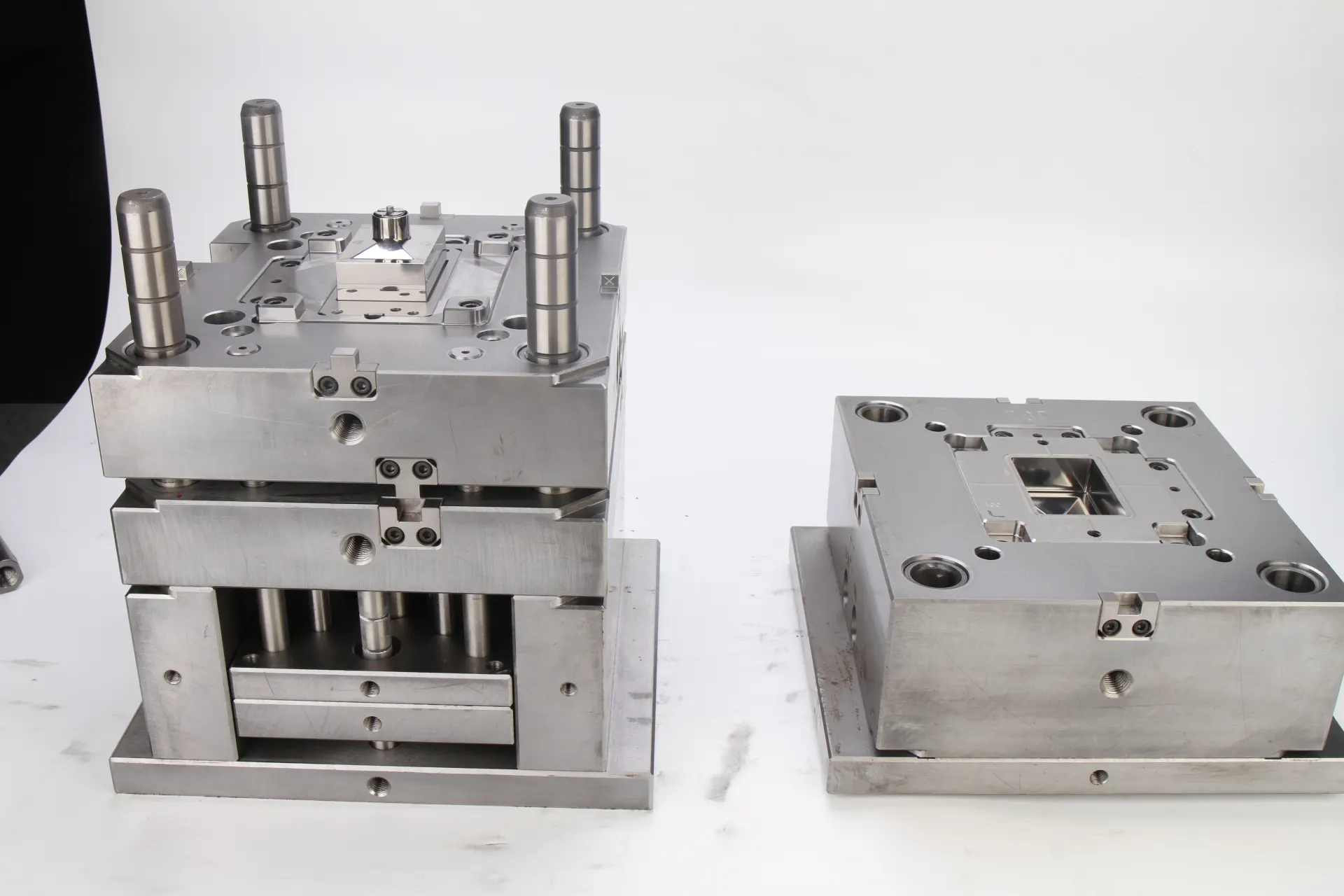
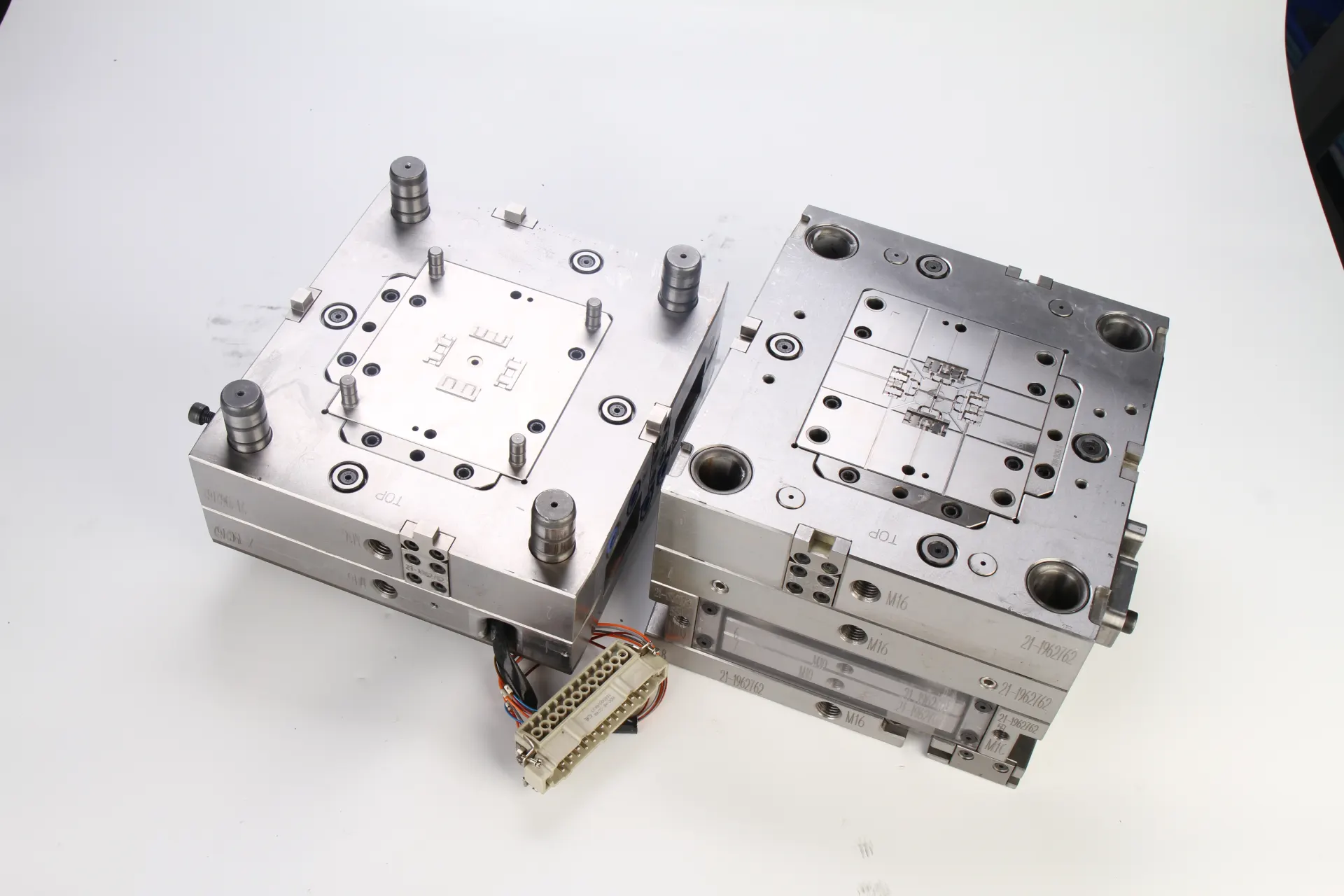
Ultra-Tight Tool Tolerances: Because LSR flows easily into small gaps, mold parting lines must be machined within 0.002 mm to 0.005 mm tolerances to prevent excess flash.
Vacuum Venting: Silicone traps air inside the cavity during high-speed injection. Integrate vacuum evacuation channels into the tool prior to injection to eliminate voids and burn marks.
Surface Polish: SPI-A1 to SPI-A3 mirror finishes facilitate part release and reduce biological adhesion in medical fluidic applications.
Frequently Asked Questions
1. What is the difference between USP Class VI and ISO 10993 certification?
USP Class VI evaluates systemic toxicity, intracutaneous reactivity, and muscle implantation over short periods (typically 7 days). ISO 10993 is a broader international framework covering cytotoxicity, sensitization, hemocompatibility, and long-term subchronic/chronic toxicity.
2. Can medical grade silicone be 3D printed for prototyping molds?
Yes, high-resolution SLA/DLP 3D printing can create direct molds or master models for RTV silicone casting. However, ensure the printing resin does not contain sulfur or amine additives, which inhibit the curing of platinum-cure silicones.
3. Why does LSR require cold runner systems?
Cold runners keep the silicone liquid before it enters the mold. Unlike thermoplastics (which melt when hot and freeze when cooled), silicone vulcanizes (hardens) when heated. Keeping the supply paths chilled prevents premature curing inside the injection nozzle.
Learn more about liquid silicone rubber mold injection molding