



-

Advantages of Liquid Silicone Rubber (LSR): Why It Is Replacing Traditional Rubber and Plastics
-
LSR Injection Molding (Cold Runner) vs. Compression Molding LSR (Runnerless): Process & Selection Guide
-
Medical Injection Molding DFM Checklist & Design Guidelines
-
Liquid Silicone Rubber (LSR) vs. Thermoplastic Injection Molding for Medical Devices
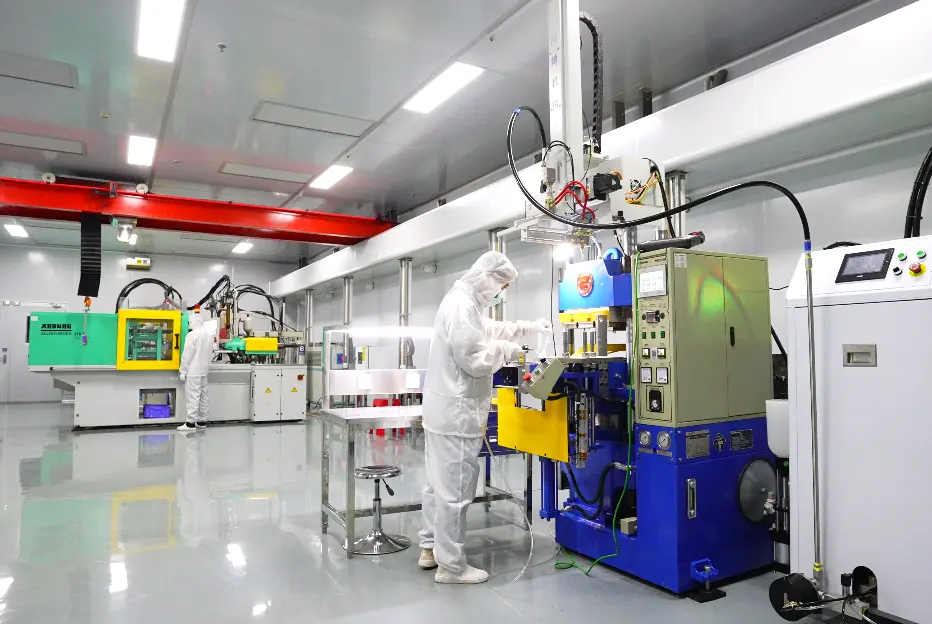
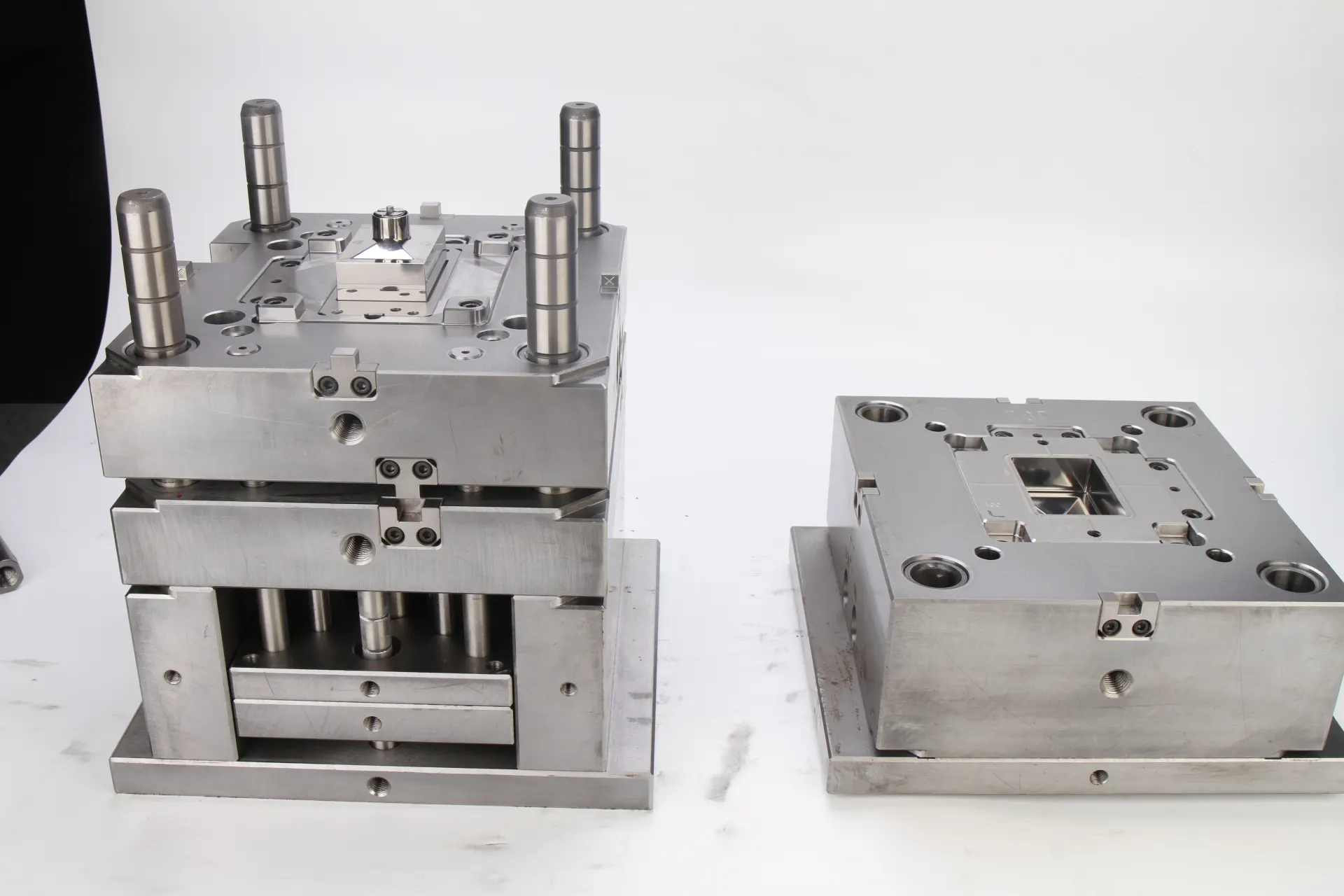
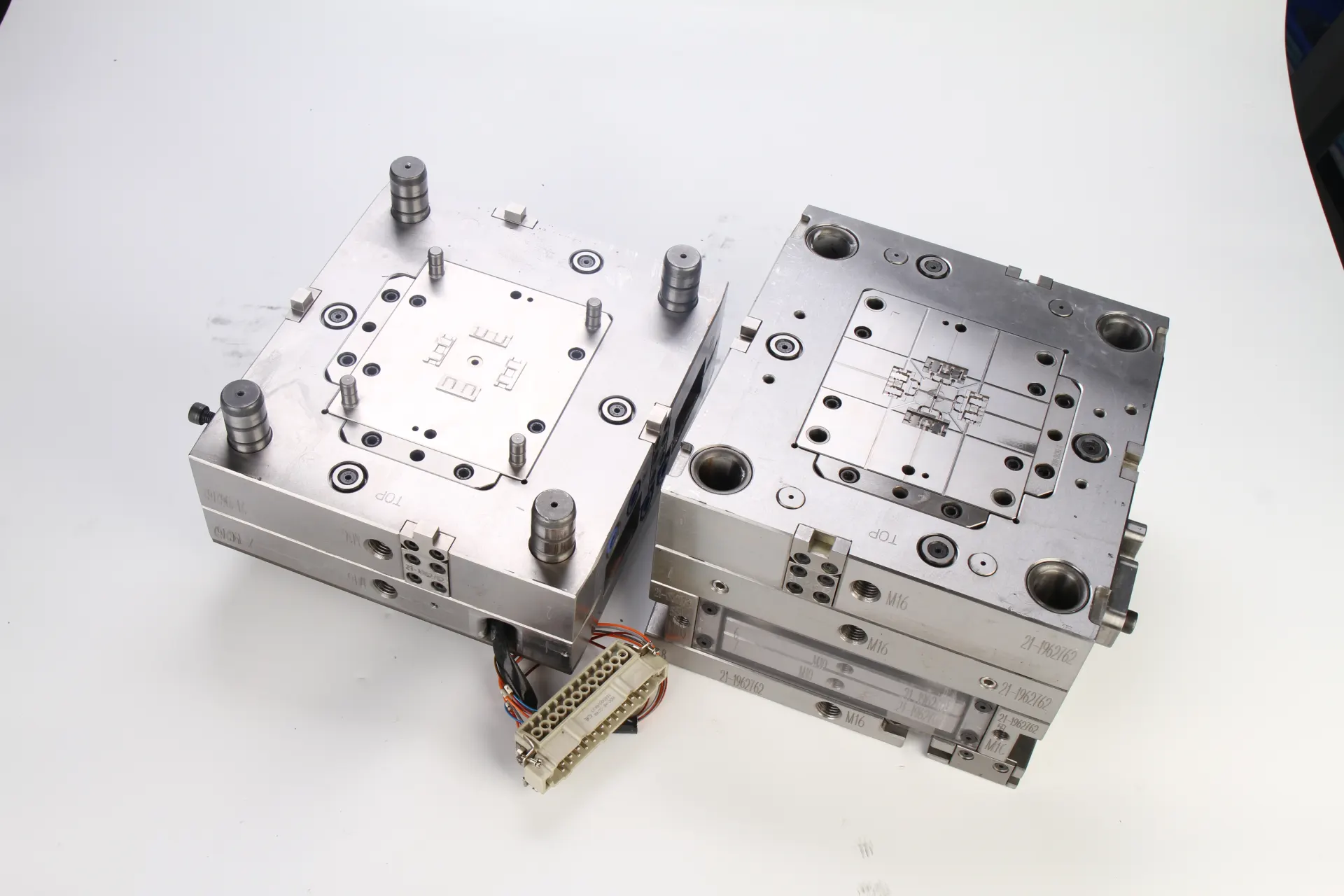

Medical device injection molding
2026-07-22




复制成功
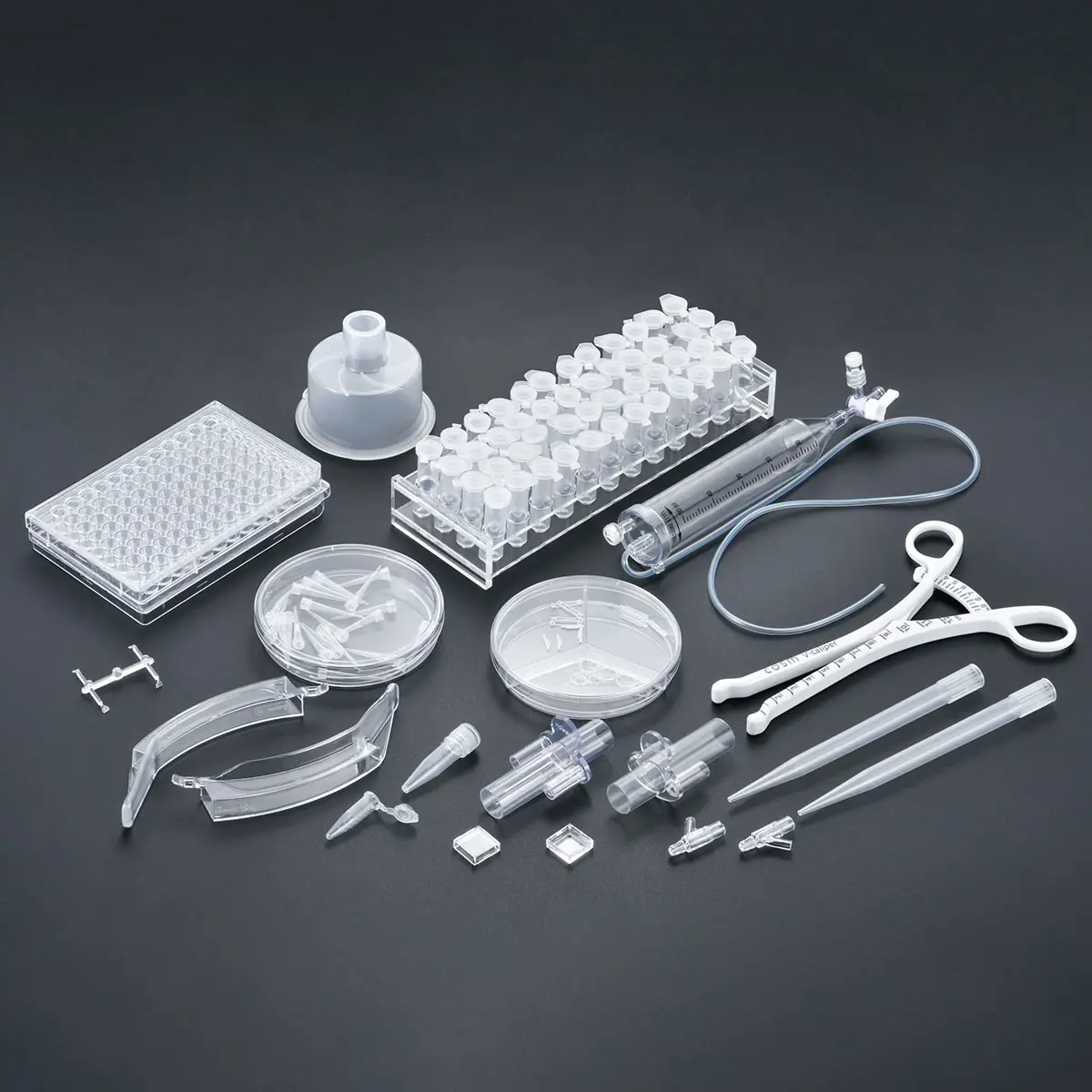
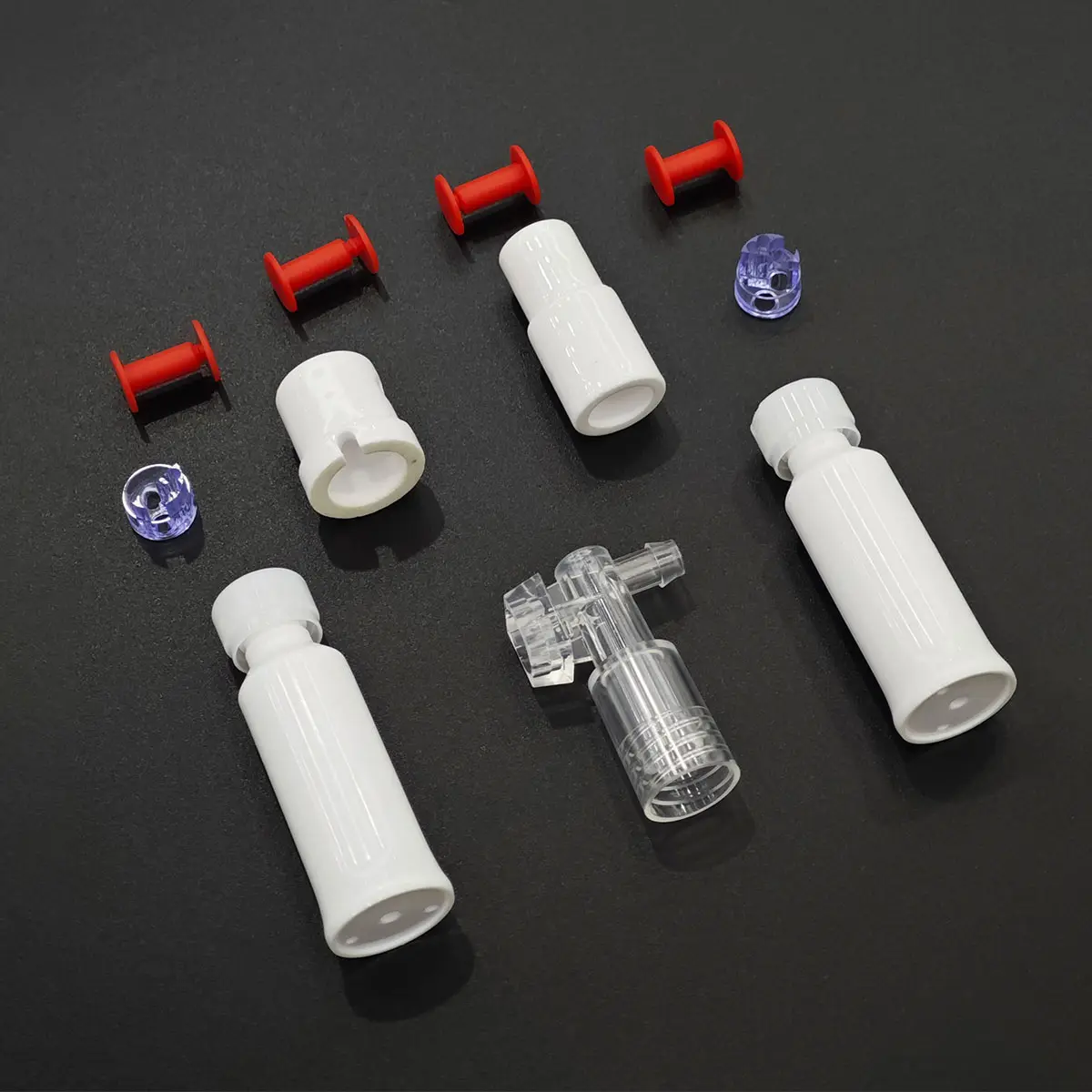
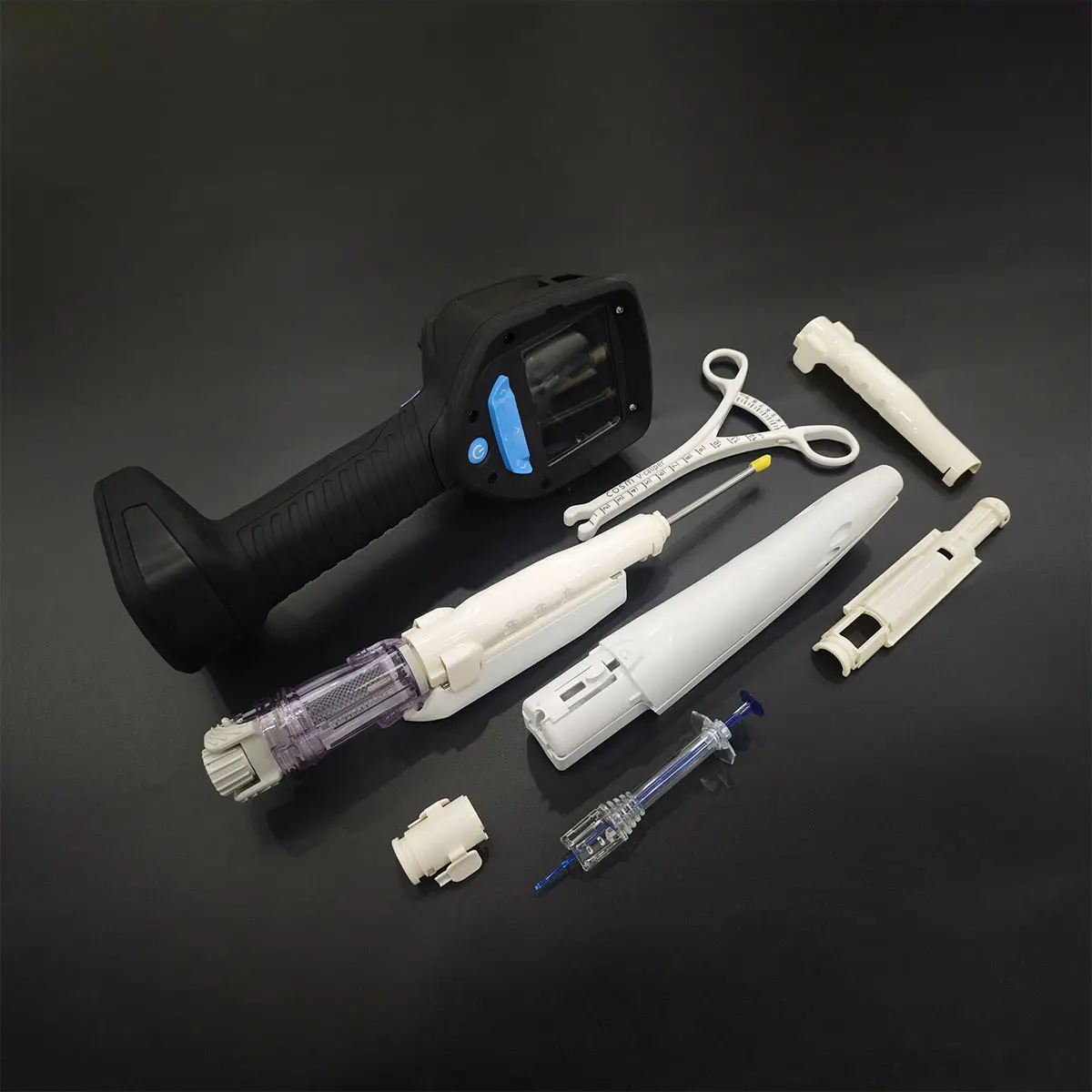
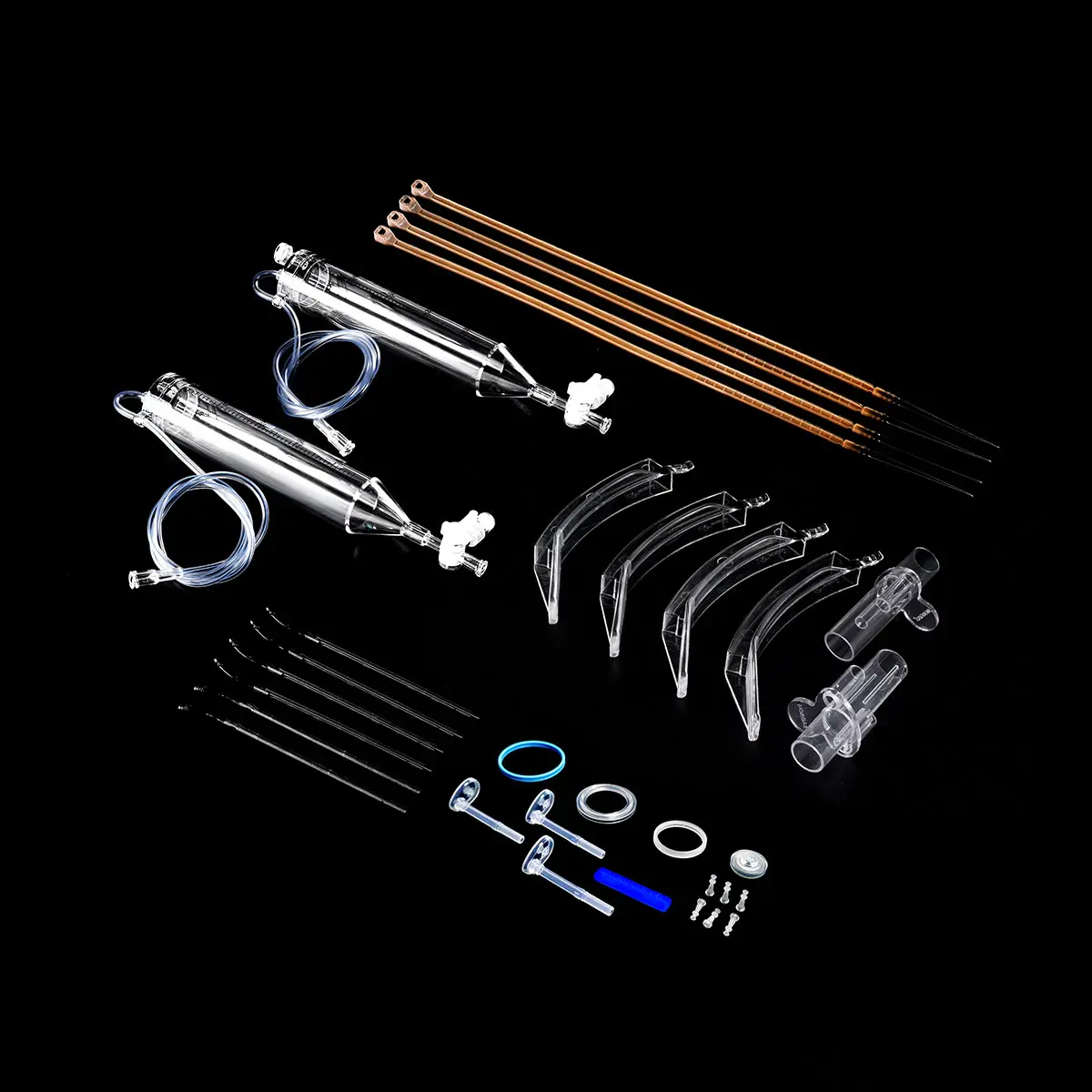
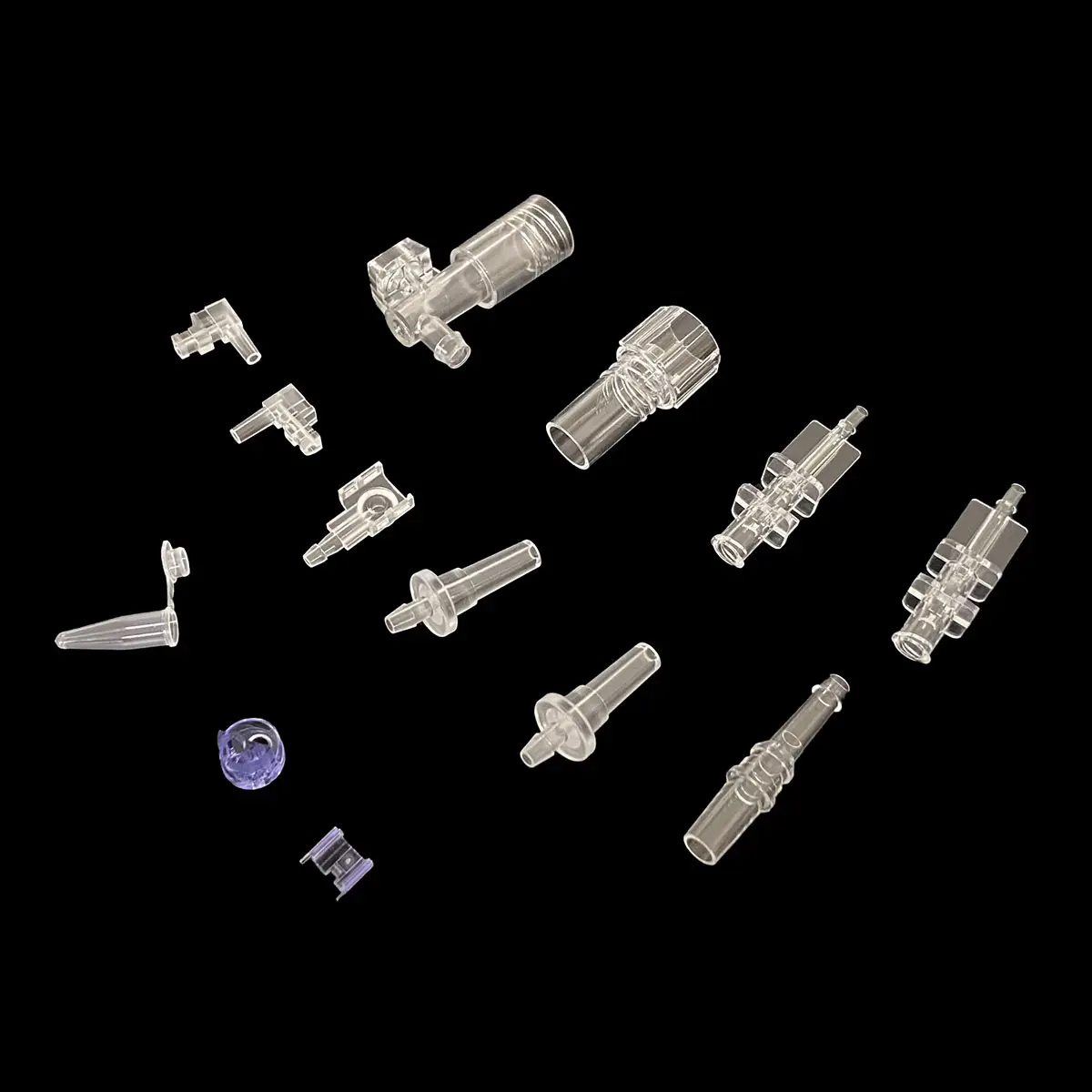
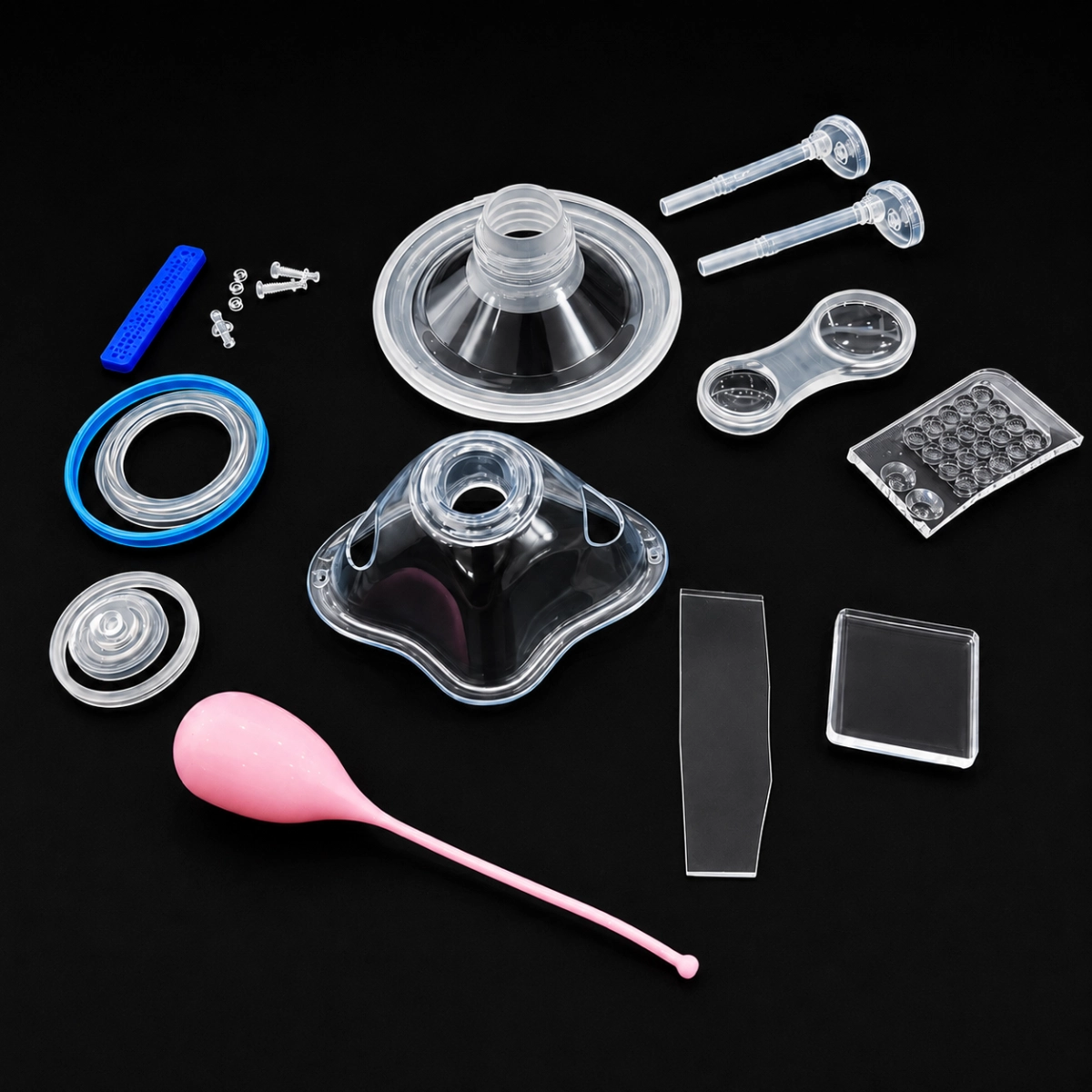
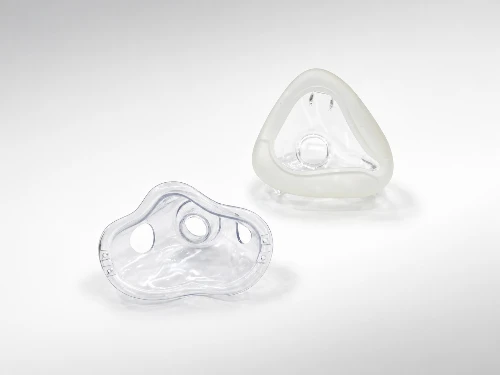
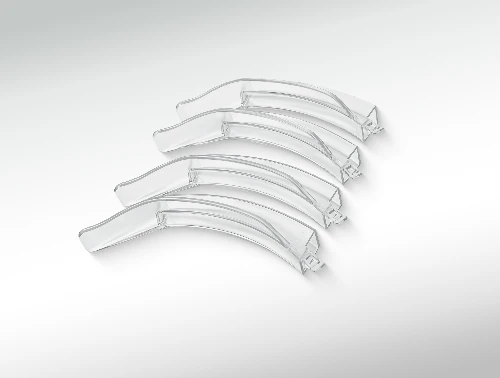
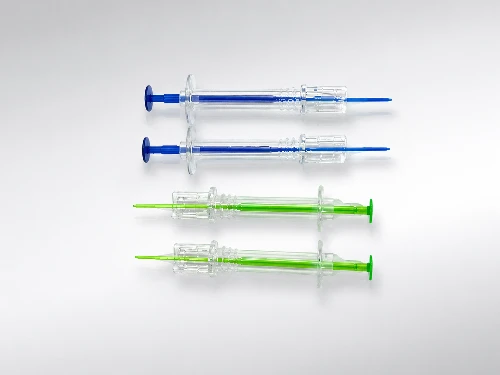
Medical device injection molding stands out as a cornerstone technique for producing highly accurate, bio-compatible, and cost-effective plastic components. From diagnostic tools and surgical instruments to fluid delivery systems, modern medicine relies heavily on components manufactured through advanced polymer molding techniques.
This technical guide explores the end-to-end journey of medical plastic production, covering every vital stage from initial concept design to final industrialization and thermoforming packaging.
1. Medical device injection molding Manufacturing Process Overview
The overall medical device manufacturing process is a tightly controlled workflow engineered to satisfy stringent international standards, such as ISO 13485 and FDA regulations. Unlike standard consumer goods, manufacturing medical equipment requires absolute cleanliness, traceability, and repeatable accuracy.
Key stages in this broader process typically include:
Design for Manufacturability (DFM): Refining component geometry to eliminate potential molding defects early in the design cycle.
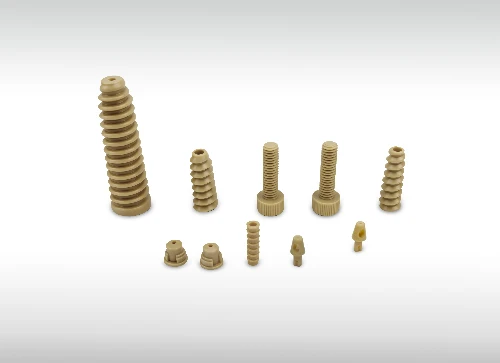
Material Selection: Choosing medical-grade polymers (e.g., PEEK, Polycarbonate, Polypropylene) that tolerate harsh sterilization methods (Autoclave, Gamma, EtO) while maintaining biocompatibility.
Tooling & Molding Execution: Fabricating high-precision steel or aluminum molds and running automated production within ISO Class 7 or Class 8 cleanrooms.
Quality Control & Validation: Implementing rigorous Installation Qualification (IQ), Operational Qualification (OQ), and Performance Qualification (PQ) protocols.
2. Medical Device Design & Engineering
Great manufacturing always begins with sound engineering. In medical device design, engineers must balance mechanical functionality with strict manufacturing limitations.
Core Engineering Rule in Medical Mold Design:
Uniform wall thickness is crucial. Non-uniform walls lead to differential cooling rates, causing internal stresses, warping, and unwanted sink marks.
To optimize a device for injection molding, design engineers focus on three primary parameters:
Draft Angles: Adding a 1° to 2° taper per side ensures easy ejection from the mold without scratching sensitive optical or functional surfaces.
Radii and Ribs: Adding generous radii to internal corners avoids stress concentration, while structural ribs provide rigidity without adding thick material sections.
Tolerance Management: Medical components often require micro-tolerances down to ±0.001 inches. Ensuring the resin’s volumetric shrinkage rate is calculated correctly during mold engineering is vital.
3. Key Injection Molding Process Steps
Executing a seamless medical device injection molding cycle involves high precision and closed-loop process control. Understanding the sequential injection molding process steps helps clarify how raw resin transforms into a complex, sterile component:
Step 1: Plasticization & Clamping
Medical-grade plastic pellets enter the heated barrel via a sealed hopper. As the reciprocating screw rotates, thermal and shear heat melt the resin. Simultaneously, the hydraulic or electric clamping unit locks the two halves of the mold together under high tonnage.
Step 2: Injection & Packing
The screw acts as a ram, injecting the molten polymer into the mold cavity at high velocity. Once filled, holding/packing pressure is applied to pack extra resin into the cavity, compensating for volumetric shrinkage as the material cools.
Step 3: Cooling & Solidification
Coolant channels within the mold absorb heat from the plastic. The cooling phase dominates the cycle time and directly dictates the dimensional stability and clarity of the finished part.
Step 4: Mold Opening & Ejection
The clamping unit opens the mold. Ejector pins gently push the cured medical component off the core plate. Automated robotic arms (pick-and-place) are frequently used to prevent surface contamination or drop damage.
4. Industrialization of Medical Devices
Transitioning a working prototype into full-scale mass production is known as the industrialization of medical devices. This bridge between R&D and commercial manufacturing is critical for mitigating operational risk and ensuring long-term yield consistency.
Industrialization involves key strategic milestones:
Scale-Up Validation: Moving from single-cavity prototype molds to multi-cavity, high-cavitation production tooling.
Automation Integration: Implementing vision inspection systems, robotic part handling, and automated assembly to minimize human contact and contamination risk.
Supply Chain Resilience: Establishing qualified backup suppliers for raw medical-grade resins and maintaining full lot traceability from raw material to shipped product.
5. Scaled Manufacturing of Medical Devices
Once validation is complete, full-scale manufacturing of medical devices relies on continuous monitoring and statistical process control (SPC). Modern medical molders use smart sensors embedded inside mold cavities to measure real-time cavity pressure and melt temperature.
| Process Aspect | Prototype Phase | Full-Scale Manufacturing |
| Tooling Material | Aluminum / Soft Steel | Hardened Tool Steel (H13, S136) |
| Cavitation | 1 to 2 cavities | 16 to 64+ cavities |
| Validation Level | Basic DFM & dimensional checks | Full IQ/OQ/PQ + Cpk metrics |
| Inspection | Manual CMM / Sampling | Inline Automated Vision Inspection |
6. Medical Thermoforming in Packaging & Assemblies
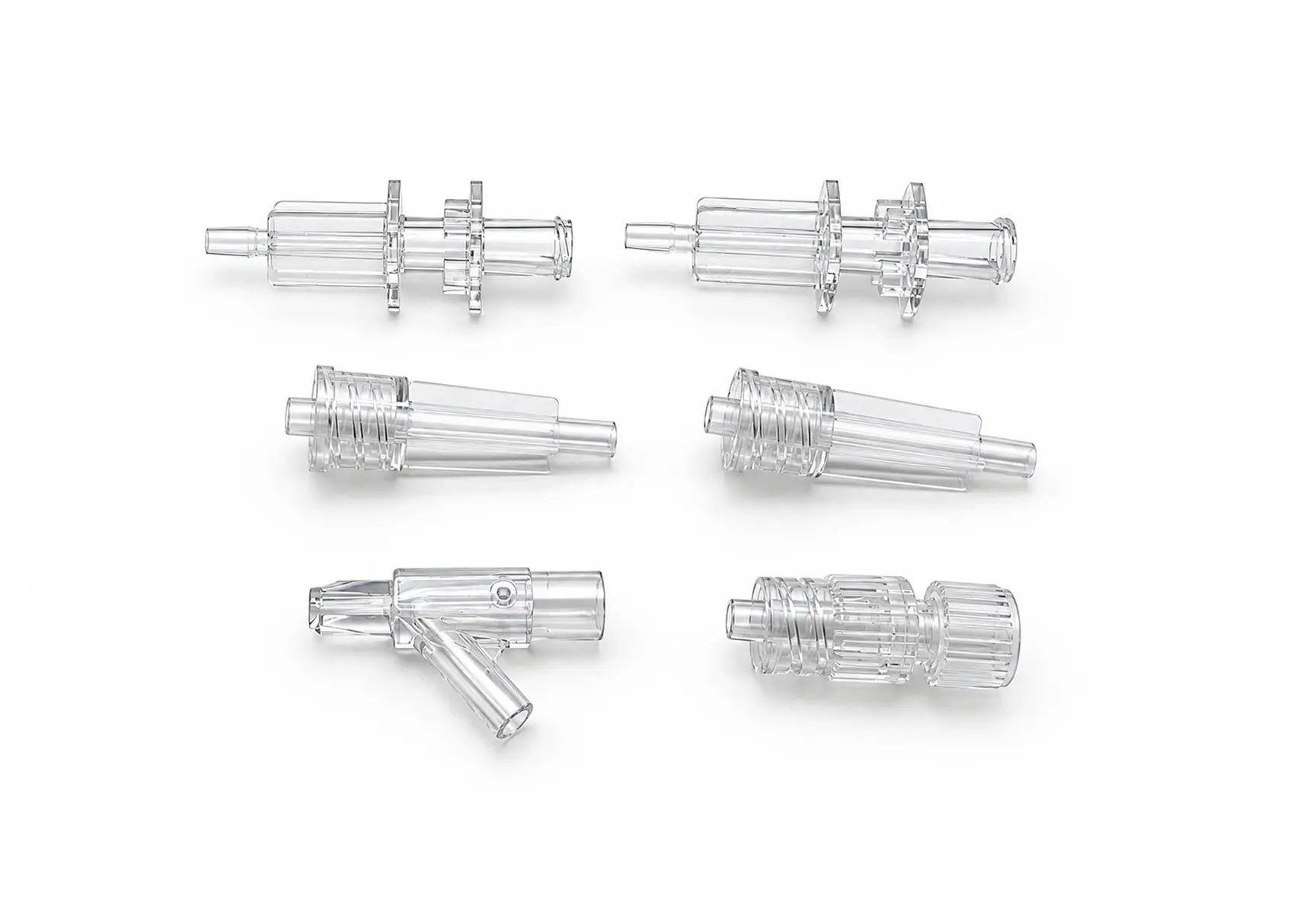
While injection molding creates complex, solid 3D structures (such as syringe bodies, connectors, and housing shells), medical thermoforming plays a complementary role—primarily in packaging and rigid trays.
Thermoforming heats a flat plastic sheet (such as PETG, HIPS, or Polycarbonate) until pliable, stretching it over a single-sided mold using vacuum or pressure.
Why Thermoforming Matters in MedTech:
Sterile Barrier Trays: Creates custom-contoured blister packs that hold molded medical devices securely during shipping and handling.
Equipment Covers: Ideal for large-scale housings (like MRI machine covers or lab instruments) where injection molding tooling costs would be prohibitively high.
Synergy: Injection molded components are frequently packaged directly into thermoformed trays inside cleanrooms before undergoing final sterilization.
Conclusion
Mastering medical device injection molding processes requires seamless alignment between product design, material choice, robust tooling, and rigorous qualification protocols. By unifying precision engineering with advanced technologies like automated cleanroom molding and medical thermoforming, device manufacturers can bring safe, compliant, and life-saving medical products to global markets efficiently.
Understanding the Medical Device Case