



-

Micro LSR Seal Design: Flash Prevention Tips for Precision Molding
-
Advantages of Liquid Silicone Rubber (LSR): Why It Is Replacing Traditional Rubber and Plastics
-
LSR Injection Molding (Cold Runner) vs. Compression Molding LSR (Runnerless): Process & Selection Guide
-
Medical Injection Molding DFM Checklist & Design Guidelines
Liquid Silicone Molding Applications for Seals & O-Rings
2026-09-02




复制成功
- Liquid Silicone Rubber (LSR) molding has become the preferred manufacturing process for high-precision seals, gaskets, and O-rings across demanding industries. Unlike traditional high-consistency rubber (HCR) or thermoplastic elastomers (TPE), liquid silicone injection molding delivers superior thermal stability, chemical resistance, and tight geometric tolerances.
- Below is an in-depth breakdown of liquid silicone molding applications, focusing specifically on critical sealing solutions.
Why Choose LSR for Sealing and O-Ring Applications?
When dynamic or static sealing fails, product failure, fluid leaks, or electrical short circuits quickly follow. Liquid silicone rubber provides distinct physical and chemical advantages for high-performance seals:
Extreme Temperature Tolerance: Maintains flexibility and elasticity from -50°C to 200°C (-58°F to 392°F), with specialized grades enduring up to 250°C.
Low Compression Set: Resists permanent deformation under long-term compression, maintaining an airtight seal over extended lifespans.
Biocompatibility & Inertness: FDA-compliant and ISO 10993 certified, making LSR seals suitable for food contact and medical devices.
Complex Geometry Precision: High fluid flowability enables intricate multi-cavity molding, thin-wall designs, and micro-seals with minimal flash.
Self-Lubricating Formulations: Specially formulated LSR grades reduce friction in dynamic seals without requiring external lubricants.

Critical Sealing & O-Ring Applications by Industry
| LSR SEALING APPLICATIONS | ||
| Automotive | Medical Devices | Consumer Electronics |
| Cable Grommets | Dialysis Seals | IP67/IP68 Smartwatch Rings |
| Connector Gaskets | Syringe Stoppers | Earbud Waterproofing |
1. Automotive & Electric Vehicles (EV)
In automotive systems, seals must withstand exposure to engine oil, coolant, weather elements, and high thermal loads.
Connector Seals & Single-Wire Seals (SWS): Protect delicate electrical wiring and ECU enclosures against moisture and dusty environments.
EV Battery Pack Seals: Maintain IP67/IP68 ratings around EV battery enclosures, preventing thermal runaway hazards and moisture ingress.
HVAC & Engine Gaskets: Deliver continuous sealing performance despite engine vibration and thermal cycling.
2. Medical & Pharmaceutical Devices
Medical-grade LSR seals prevent fluid contamination and maintain sterilization integrity in healthcare equipment.
Infusion Pump & Dialysis Gaskets: Biocompatible, non-reactive seals that safely handle biological fluids and liquid drugs.
Syringe Stopper Seals: Provide smooth plunger movement with minimal breakout force due to self-lubricating LSR.
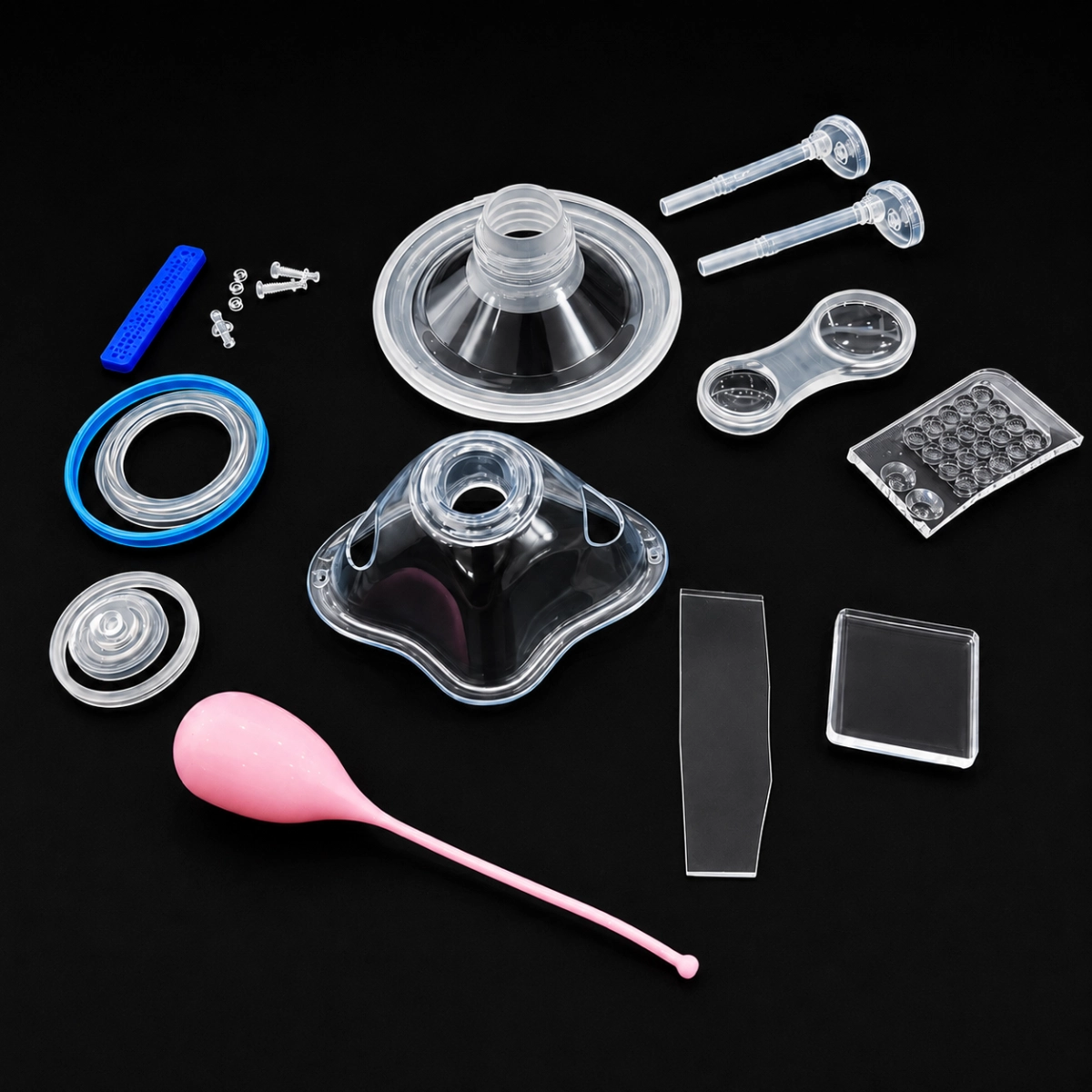
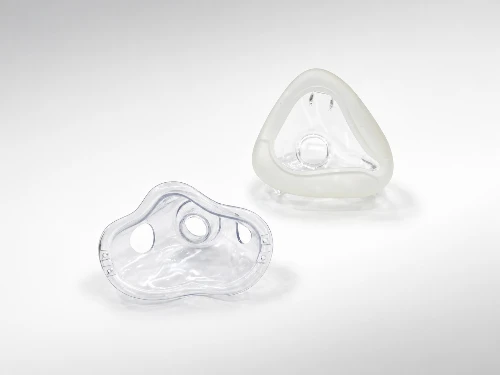
Respiratory Mask Seals: Flexible, hypoallergenic face-piece seals that fit comfortably against human skin while ensuring zero air leakage.
3. Consumer Electronics & Wearables
As smartphones, smartwatches, and wireless earbuds target IP67 and IP68 waterproof ratings, micro-molded LSR seals have replaced traditional die-cut tape and TPE gaskets.
Smartwatch O-Rings: Micro-sized O-rings sealing heart-rate sensor windows, charging ports, and side buttons.
Acoustic Mesh Gaskets: Ultra-thin seals protecting speaker and microphone cavities against water submersion.
Overmolded Phone Frames: LSR liquid silicone overmolded directly onto plastic or metal housings (2K molding) to eliminate manual gasket assembly.
4. Industrial Equipment & Home Appliances
From high-pressure hydraulic pumps to kitchen dishwashers, liquid silicone seals withstand demanding environment requirements:
Solenoid Valve Diaphragms: High fatigue resistance allows millions of continuous opening/closing cycles.
Food-Grade Espresso Machine Seals: Resists hot water steam, scale buildup, and high pressure while meeting FDA safety standards.

Standard LSR Molding vs. 2K Multi-Material Overmolding
When choosing an LSR sealing manufacturing method, engineers generally select between two
| Feature / Metric | Standard Single-Shot LSR Molding | 2K Liquid Silicone Overmolding |
| Process | Silicone injected into a single cavity mold | LSR injected directly onto a plastic/metal substrate |
| Assembly Requirement | Requires manual or robotic assembly into product housing | Eliminates assembly step via chemical bonding |
| Seal Placement | Loose O-rings, standalone gaskets | Fixed, permanent integrated seal |
| Leak Risk | Higher risk of misaligning during manual assembly | Zero risk of seal misalignment or shifting |
| Production Speed | Fast molding cycles, slower final assembly | Integrated workflow reduces total production time |
core injection molding approaches:
Key Design Rules for LSR O-Rings and Seals
To optimize your liquid silicone molding process and reduce tooling modifications, apply these DFM (Design for Manufacturability) guidelines:
Maintain Uniform Wall Thickness: Aim for wall thicknesses between 1.0 mm and 3.0 mm to ensure uniform curing speeds and prevent sink marks.
Account for Mold Shrinkage: LSR typically shrinks 2.5% to 3.5% upon curing. Adjust cavity dimensions accordingly during mold design.
Draft Angles: While LSR easily releases from molds due to its flexibility, adding a draft angle of 0.5° to 1.0° prevents tearing on deep core pins.
Parting Line Placement: Position parting lines away from criticalsealing surfaces to avoid flash-induced leak paths.
Conclusion: Partner with an Experienced LSR Sealing Manufacturer
Liquid silicone molding offers unprecedented precision, durability, and sealing efficiency across the automotive, medical, and consumer electronics industries. By combining biocompatibility, broad thermal limits, and automated high-speed production, LSR seals provide lower total cost of ownership over traditional elastomeric alternatives.