



-
Micro LSR Seal Design: Flash Prevention Tips for Precision Molding
-
Advantages of Liquid Silicone Rubber (LSR): Why It Is Replacing Traditional Rubber and Plastics
-
LSR Injection Molding (Cold Runner) vs. Compression Molding LSR (Runnerless): Process & Selection Guide
-
Medical Injection Molding DFM Checklist & Design Guidelines
Medical injection molding OEM manufacturing process
2026-07-07




复制成功
Medical OEM manufacturing is the core cooperation model for medical device enterprises. When many purchasing and R&D personnel are selecting cooperation factories, they often get confused about the differences between medical injection molding and ordinary injection molding, the medical OEM cooperation process, how to solve common quality problems of medical products, and the design standards for precision medical molds, among other core issues.
This article will comprehensively explain the entire process of OEM production in a medical injection mold factory, including the differences in processing techniques, key points in mold design, improvement plans for product defects, and the strength standards of a regular factory. It will provide a comprehensive reference for OEM customization cooperation in the medical device industry.
What is medical OEM?
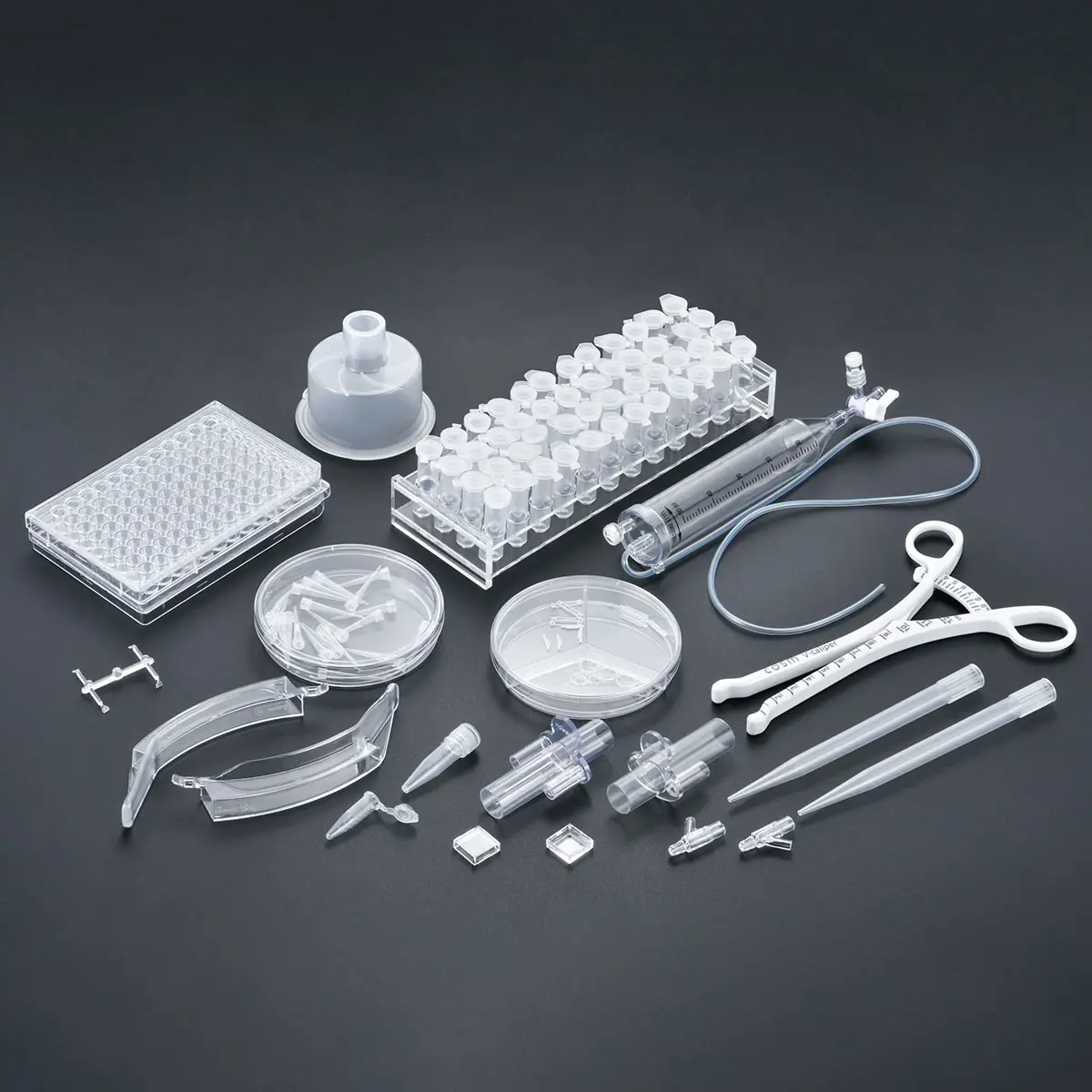
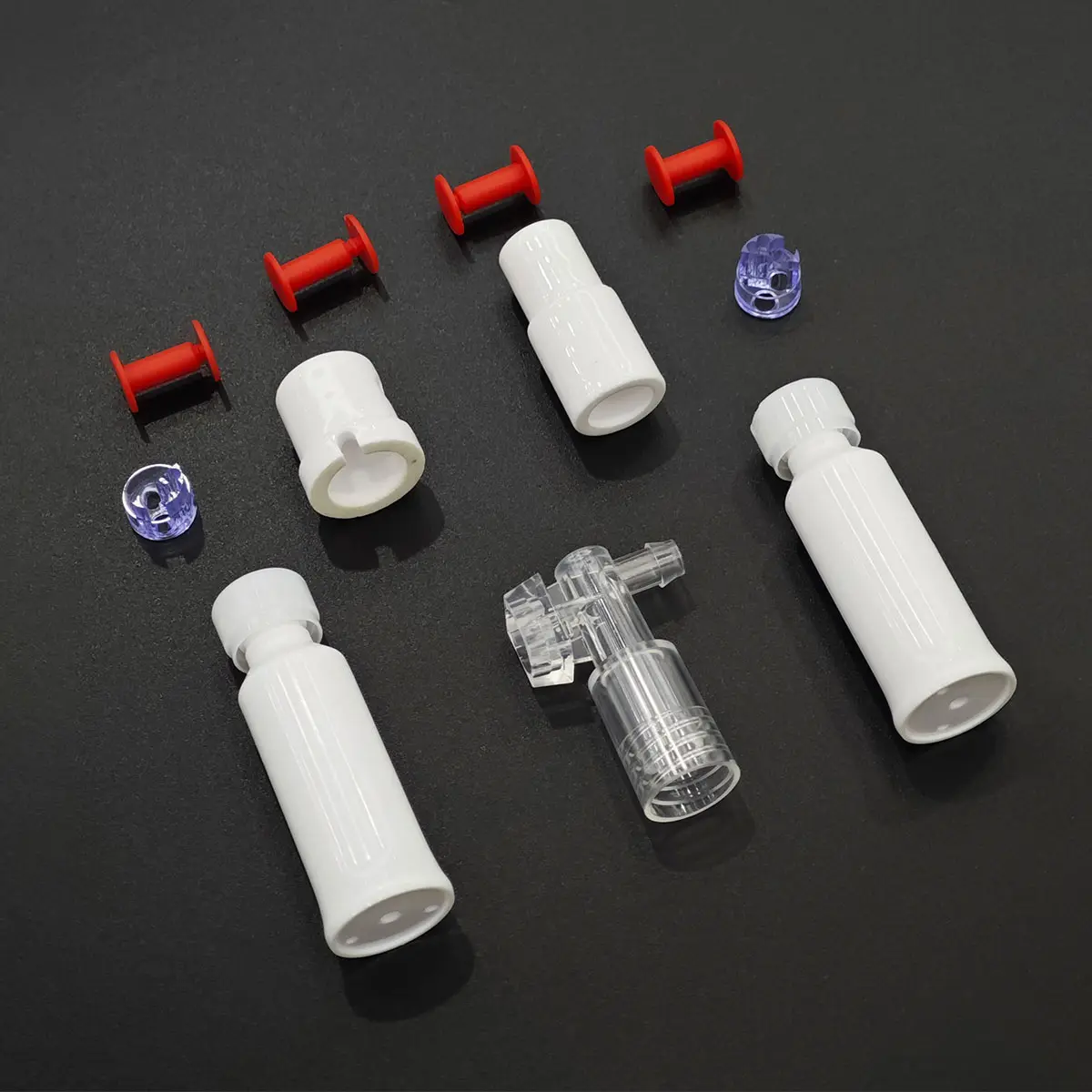
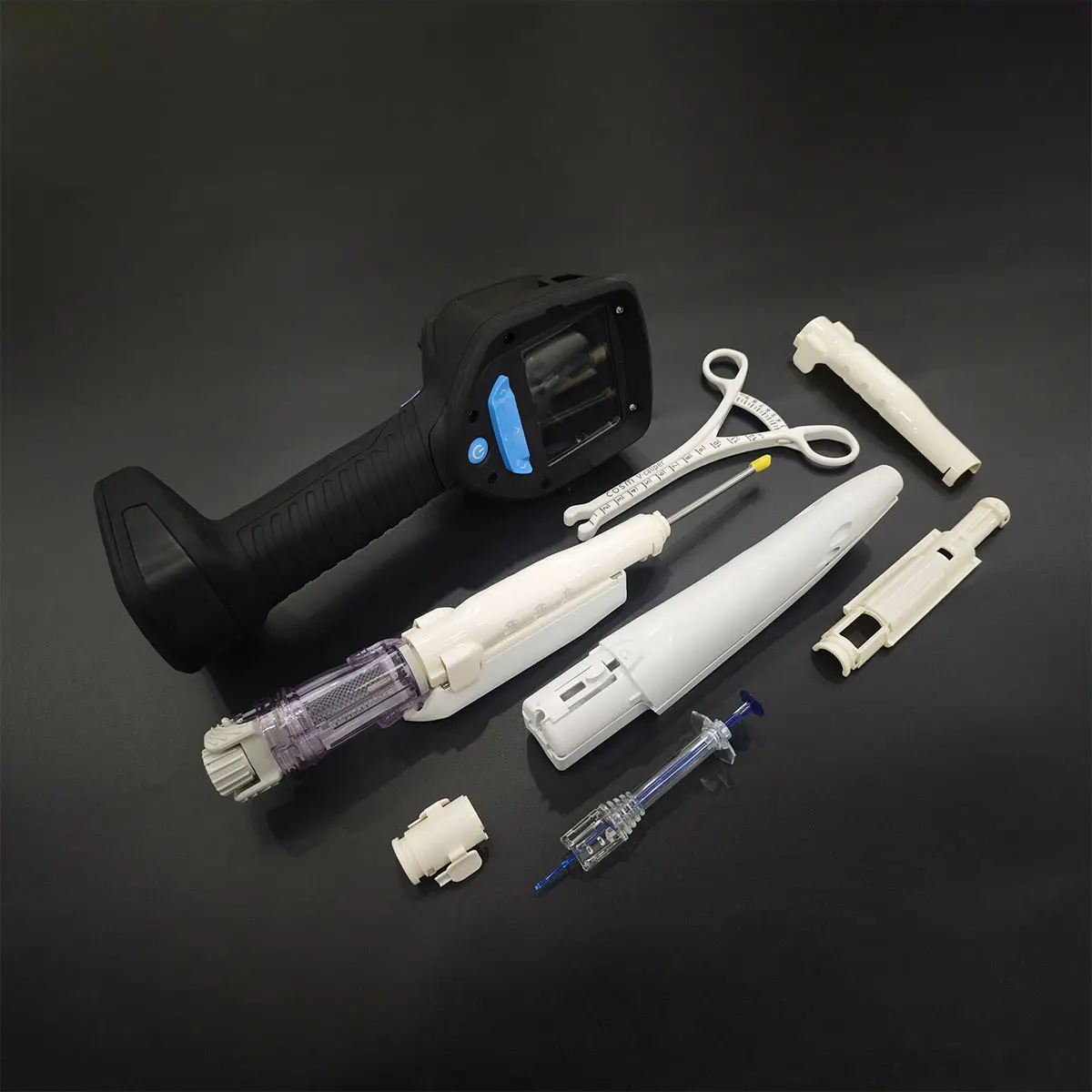
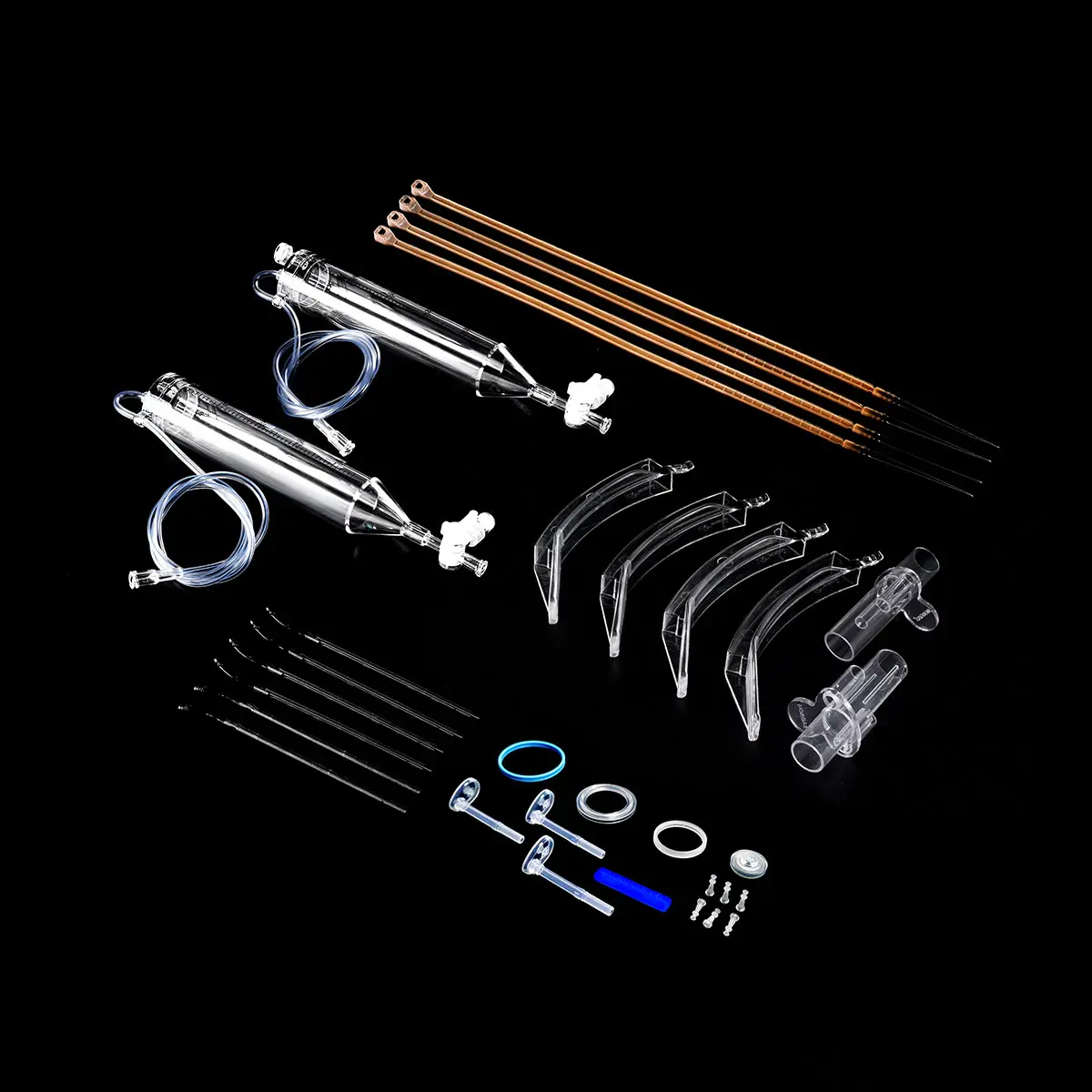
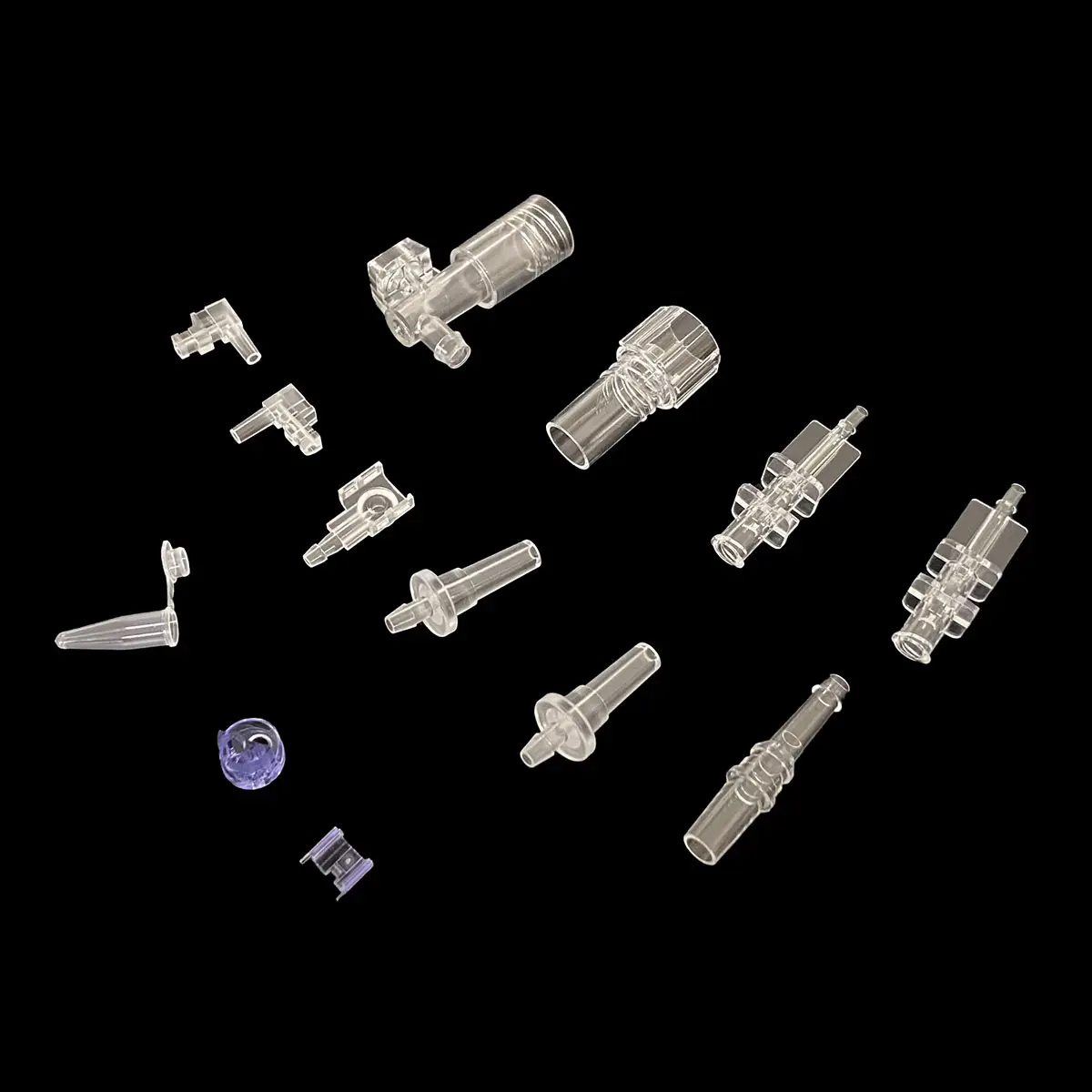
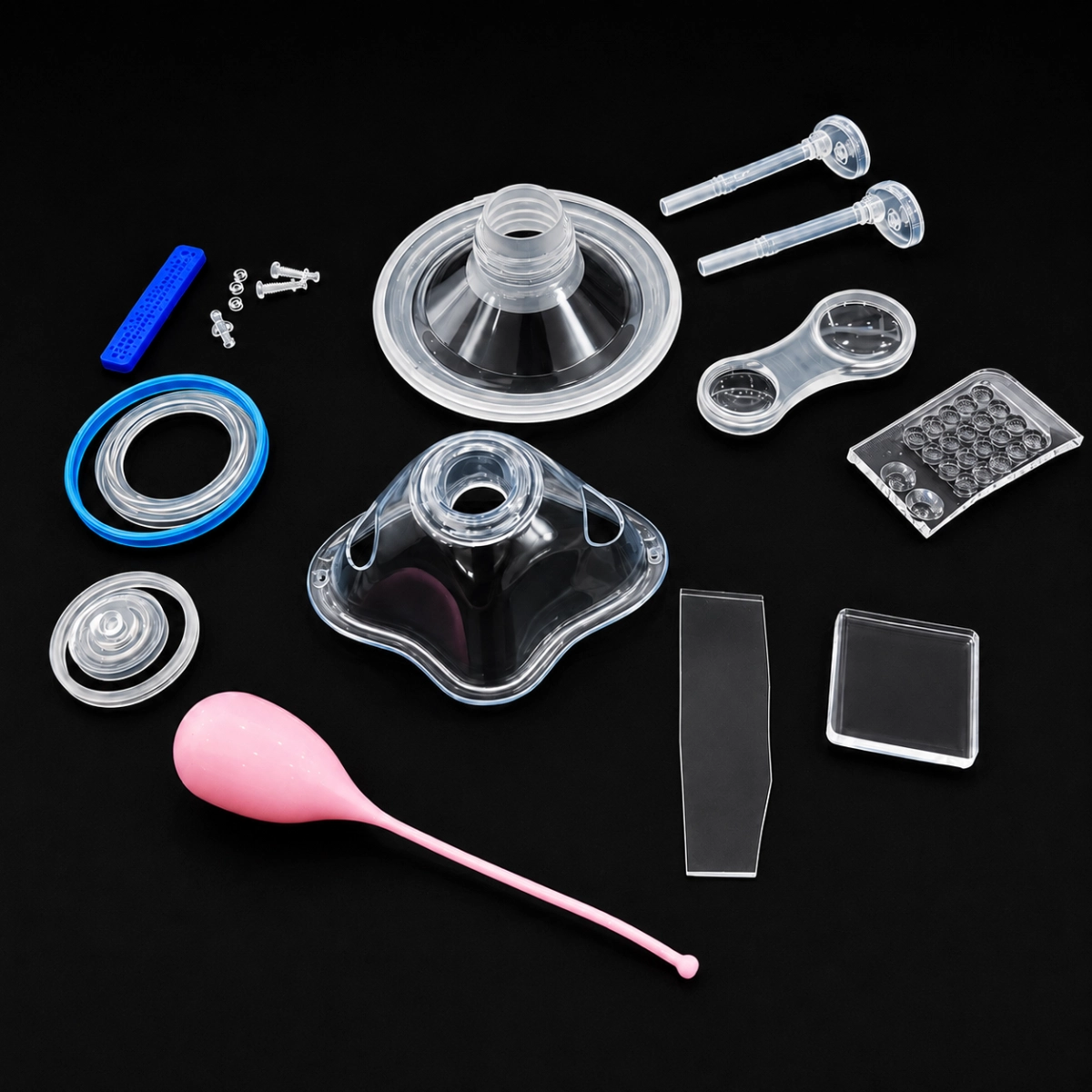
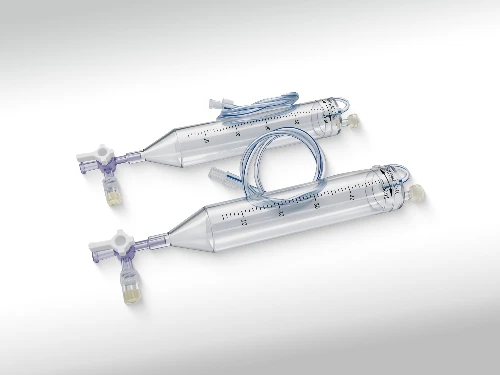
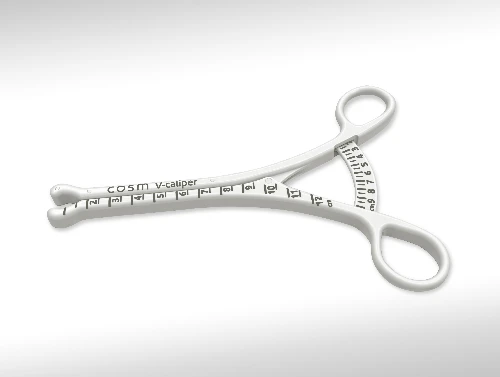
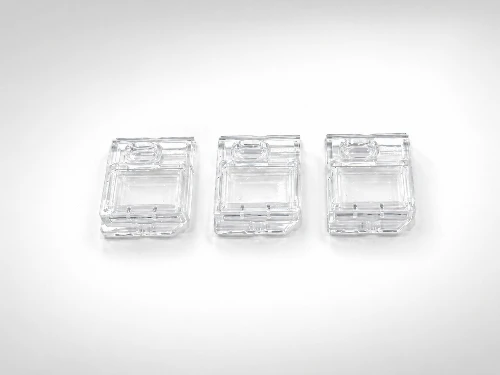
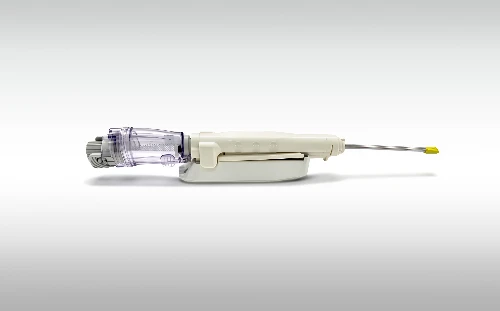
Medical OEM refers to injection mold factories that possess formal medical production qualifications. Based on the 3D drawings, parameters, and functional requirements provided by the customers, they are fully responsible for the design, modification, manufacturing, injection production, quality inspection, and delivery of medical molds, providing a one-stop outsourcing service.
The brand owner focuses on product research and development, market sales, and brand operation. They do not need to invest in heavy assets such as factories, mold equipment, and clean workshops. Professional medical injection manufacturers complete the entire production process from mold development to mass production.
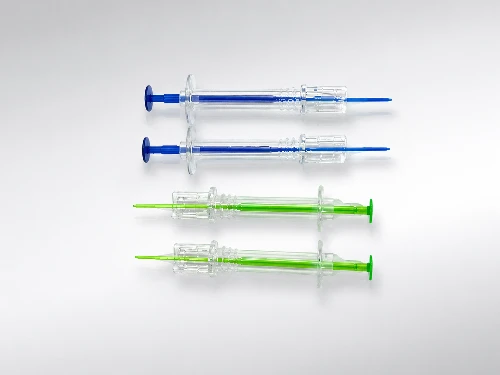
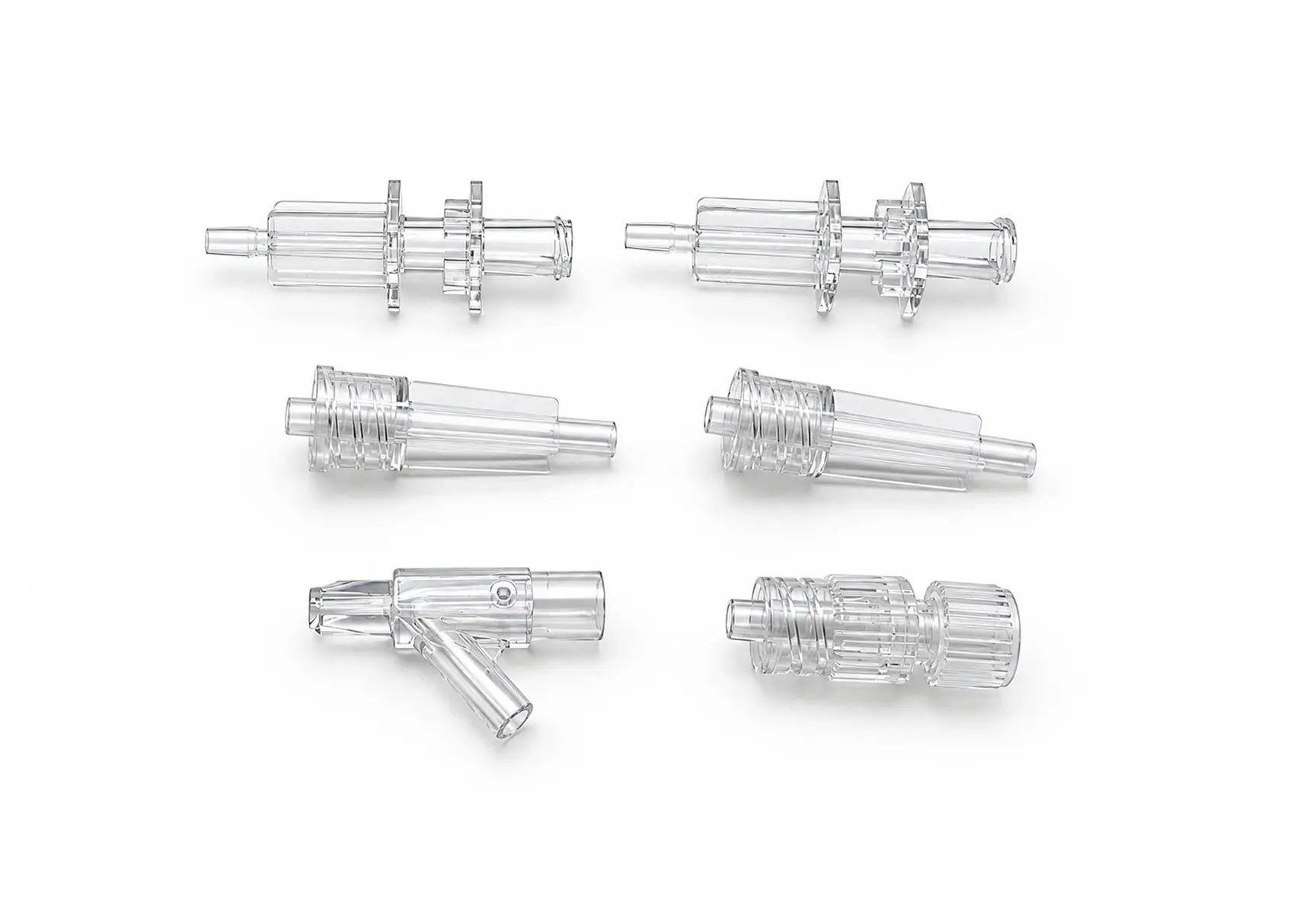
The medical injection OEM follows medical industry compliance standards throughout the process. It is produced based on the ISO13485 medical quality management system and is suitable for the production of various products such as medical consumables, medical beauty equipment, medical accessories, and household medical devices. It has the core characteristics of high cleanliness, high safety, and GMP traceability.
Key Design Points of Medical Precision Molds
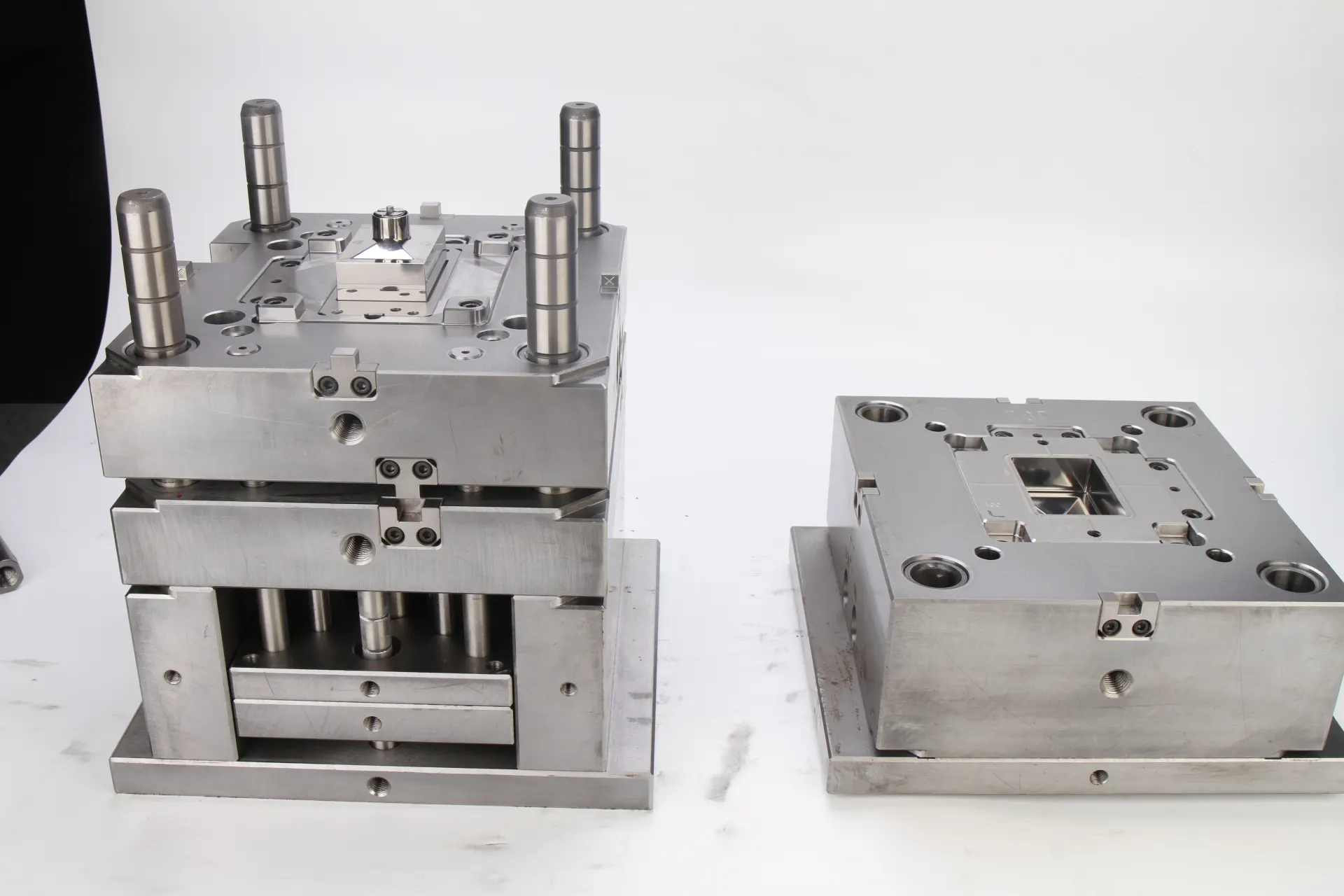
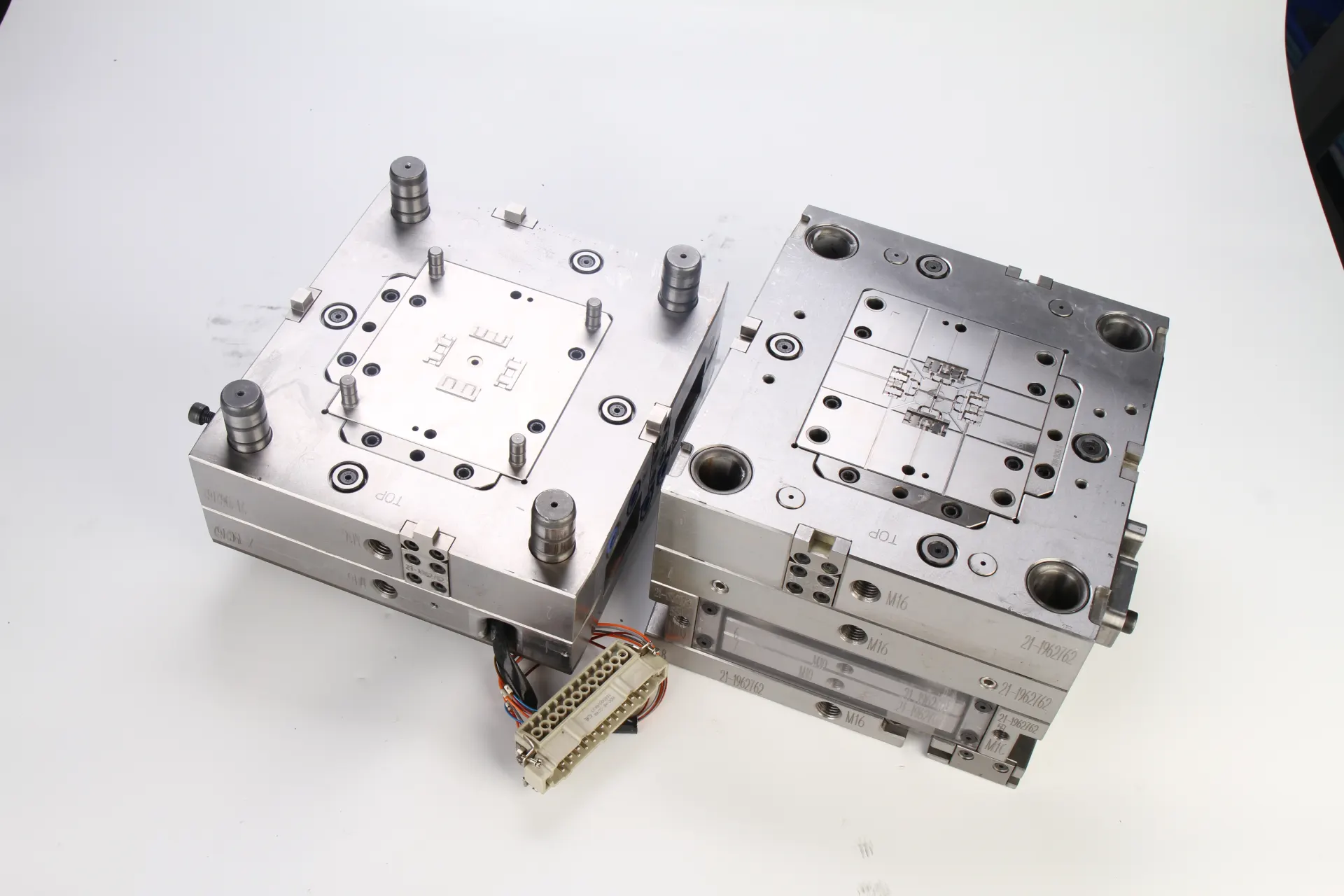
Molds are the core of the quality of medical injection products. High-quality medical molds can significantly reduce the defect rate of the products at their source. The core focus of professional medical injection mold factories lies in three key design points:
- Optimize mold structure to avoid product defects
Medical thin-walled and precision small parts are prone to problems such as demolding scratches, deformation, and residual burrs. Medical precision molds adopt precise ejection and balanced demolding designs, combined with polishing processing techniques. The demolding process is smooth without any jamming, and it does not damage the product surface, ensuring the flatness and smoothness of medical products, meeting sterile assembly and precise fitting requirements. - Multi-cavity mold design, suitable for efficient mass production
For medical consumables and general medical accessories with large quantities, a multi-cavity mold integrated design is adopted. One mold with multiple cavities, uniform feeding, can ensure consistent product size and quality of each mold, improving production efficiency, reducing single-piece production costs, and balancing precision and mass production capabilities. - No burr mold design, suitable for high medical standards
For ordinary products, minor burrs can be manually repaired, but medical products have burrs that can cause assembly jams, bacterial growth, and safety hazards.
Medical molds use high-precision parting surface matching and precise insert matching techniques to achieve burr-free molding at the mold structure level. There is no need for secondary trimming, directly meeting the clean, safe, and precise usage standards of medical products.
Common Adverse Issues of Medical Injection Products and Their Solutions
In medical injection molding production, shrinkage, bubbles, bridging, and dimensional deviation are the four most frequent quality issues. These problems are mostly caused by design flaws in the molds, improper process parameters, and inadequate control of the production environment. Professional OEM factories can completely avoid these issues through standardized control.
- Shrinkage
It mostly occurs in areas with uneven product wall thickness, presenting as surface depression and insufficient flatness.
Solution: Optimize the mold gate position and cooling system, adjust the injection pressure and holding time, match the shrinkage rate of medical raw materials, and prevent shrinkage defects in advance. - Bubbles
It is mainly caused by insufficient drying of raw materials, poor mold exhaust, and excessive injection speed. It will affect the sealing performance and structural strength of medical products.
Solution: Strictly dry medical raw materials, optimize the design of mold exhaust slots, and slightly adjust the injection process parameters to remove air from the mold cavity and prevent bubble formation. - Bridging (Flash)
Bridging is caused by loose mold parting surfaces, insufficient clamping force, and excessive injection pressure. Medical products must not have any bridging.
Solution: The factory can prevent bridging at the source through high-precision mold matching, precise clamping parameter control, and eliminate bridging by conducting multiple mold tests and calibrations before mass production, ensuring that the products have no burrs or excess glue edges. - Dimensional Deviation
Due to mold accuracy, temperature fluctuations, and material deformation, precise medical components are prone to dimensional deviations.
Solution: Use high-precision mold processing equipment, control the injection process at a constant temperature, conduct multiple mold tests and calibrations before mass production, and control the dimensional error within the allowable range for the medical industry.
Medical injection molding mold OEM complete cooperation process
The formal medical injection OEM manufacturing has a standardized and regulated cooperation system, divided into four core stages throughout the process: sample making → mold opening → small batch trial production → large batch delivery. The process is transparent and the quality is controllable:
- Early communication and sample making
The client provides product drawings, samples, functional and compliance requirements. The factory technical team conducts drawing review, process assessment, and material selection. - Customized medical precision mold opening
After the preliminary work discussions are completed, the medical-specific mold development is initiated. The mold structure design, steel material selection, precision processing, polishing, and trial mold are completed. The entire process follows the medical mold design standards to ensure no defects, meeting the accuracy requirements, and enabling long-term stable mass production. - Small batch trial production and quality verification
After the mold is accepted, small batch trial production is carried out in a clean room with a 10,000-level standard. At the same time, the appearance, size, performance, and cleanliness of the product are inspected, and problems such as shrinkage, bubbles, edge defects, and size deviations are identified. The injection molding process and mold parameters are optimized to form a standardized mass production plan. At the same time, compliance testing and filing are completed. - Large batch mass production and stable delivery
After the trial production products are accepted by the client, large-scale mass production is initiated. The entire process follows the ISO13485 quality system and GMP system. Each batch of products is strictly tested, recorded, and archived to ensure product consistency and compliance. Products are delivered on demand and on time, and quality follow-up services are provided.
The core strength of the medical injection molding OEM factory
When choosing an OEM manufacturer for medical injection molds, the key factors to consider are compliance qualifications, production environment, and quality control capabilities. The three core strengths that a legitimate factory must possess are:
- A clean workshop with a ten-thousandth grade air filtration system
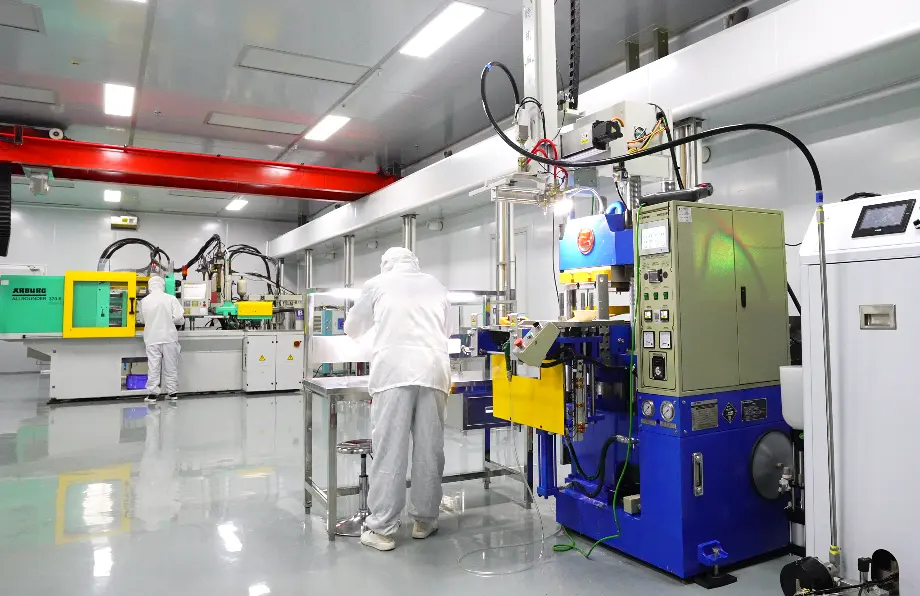
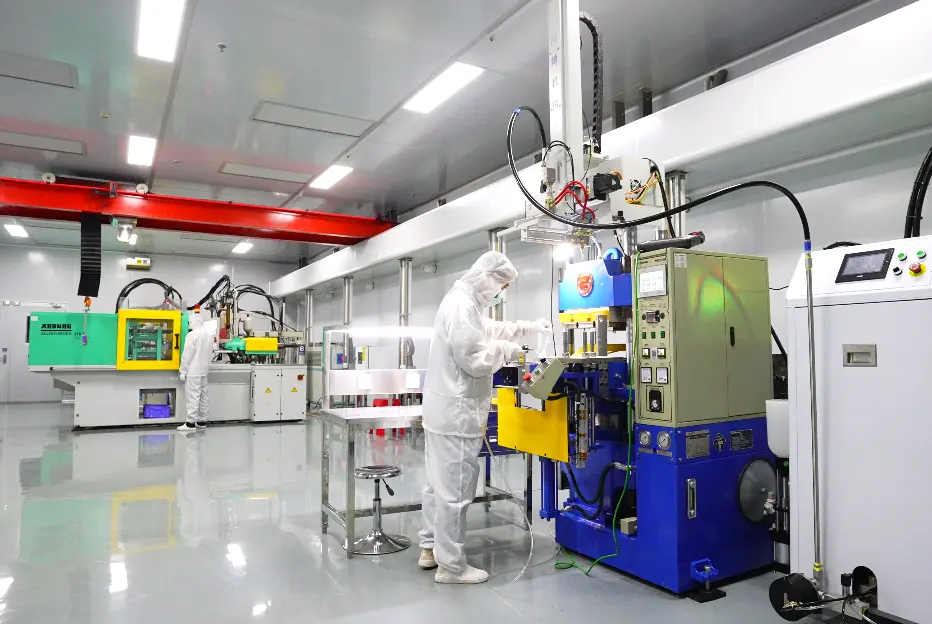
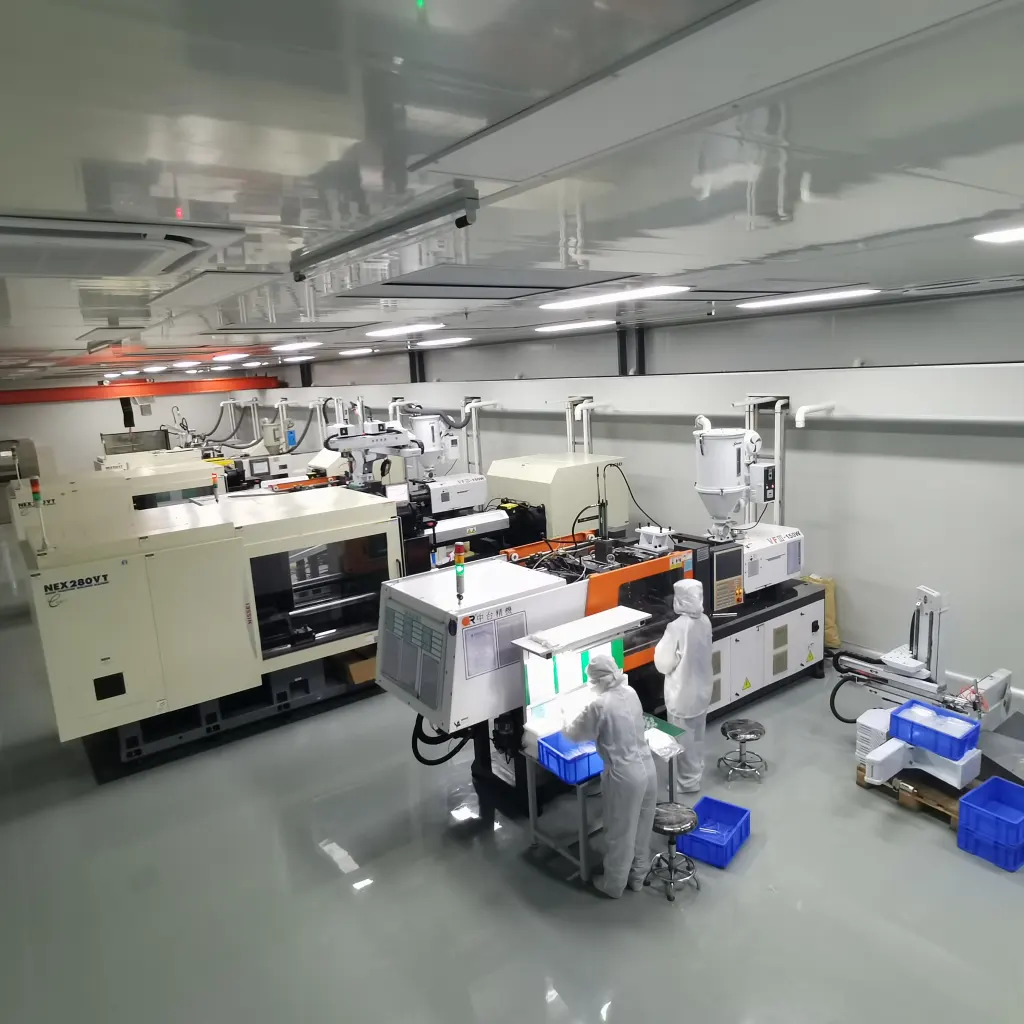
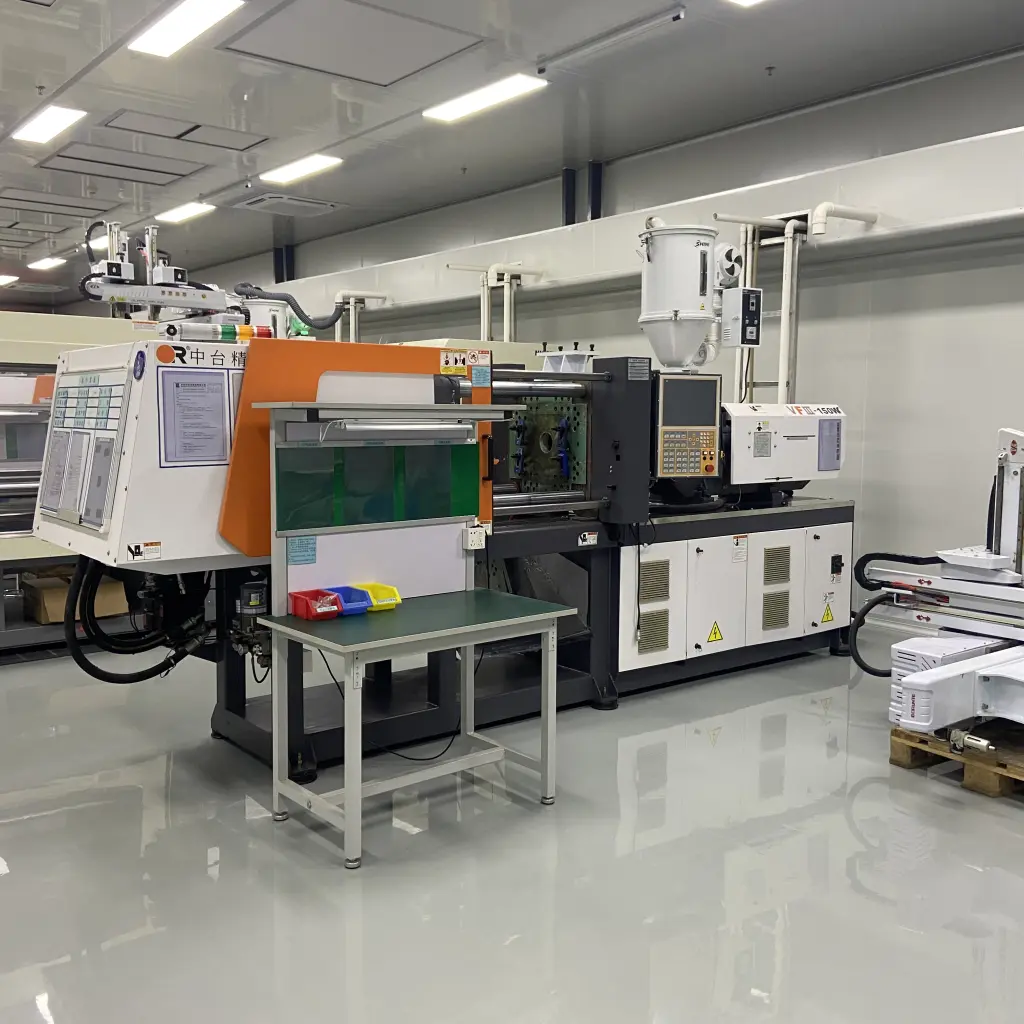
Equipped with a standardized ten-thousandth grade clean injection molding workshop, it maintains a constant temperature and humidity, is dust-proof and germ-free, and conducts production in a fully enclosed manner. This fully meets the clean production requirements for various medical consumables and medical accessories, eliminating the risk of product contamination and aligning with both domestic and international medical compliance standards. - A complete set of precision testing equipment
Equipped with three-coordinate measuring instruments, dimension detection instruments, etc., it can conduct comprehensive dimensional and appearance inspections of the products, achieving integration of production and quality control, and strictly controlling the defect rate of the products. - ISO13485 full-service manufacturing qualification
The factory has obtained the ISO13485 medical quality management system certification. From mold development, raw material procurement, injection molding production, quality inspection to product delivery, the entire process is compliant and controllable. It can meet various cooperation needs such as domestic medical device filing, EU FDA compliance, etc., and provide a one-stop formal medical OEM manufacturing service.
Our company is equipped with a 1,000-square-meter Class 10,000 cleanroom, with 20 years of experience in mold injection molding. We have over 20 mold designers and have obtained the ISO13485 certification for the medical quality management system.
Please feel free to contact us. Tel: +86 13342659272 (Email, WhatsApp are the same number)
Email: Yuliya.chen@yizemould.com
Our case Medical Injection Molding Solutions Medical Device Injection Molding Solution
Summary
Medical injection molding OEM manufacturing is different from ordinary plastic processing. Relying on professional medical precision mold design, clean production environment, standardized process control, and complete quality control system, it can effectively solve problems such as shrinkage, bubbles, burrs, and size deviations in medical products. Following the standardized process of sample making - mold opening - small batch trial production - large batch delivery, combined with ISO13485 compliance qualifications and ten-thousandth-level clean workshop, it can provide high-precision, high-security, and traceable one-stop OEM manufacturing solutions for medical device enterprises.