



-

Micro LSR Seal Design: Flash Prevention Tips for Precision Molding
-
Advantages of Liquid Silicone Rubber (LSR): Why It Is Replacing Traditional Rubber and Plastics
-
LSR Injection Molding (Cold Runner) vs. Compression Molding LSR (Runnerless): Process & Selection Guide
-
Medical Injection Molding DFM Checklist & Design Guidelines
How to select compliant and sterile medical packaging materials for your medical devices?
2026-07-03




复制成功
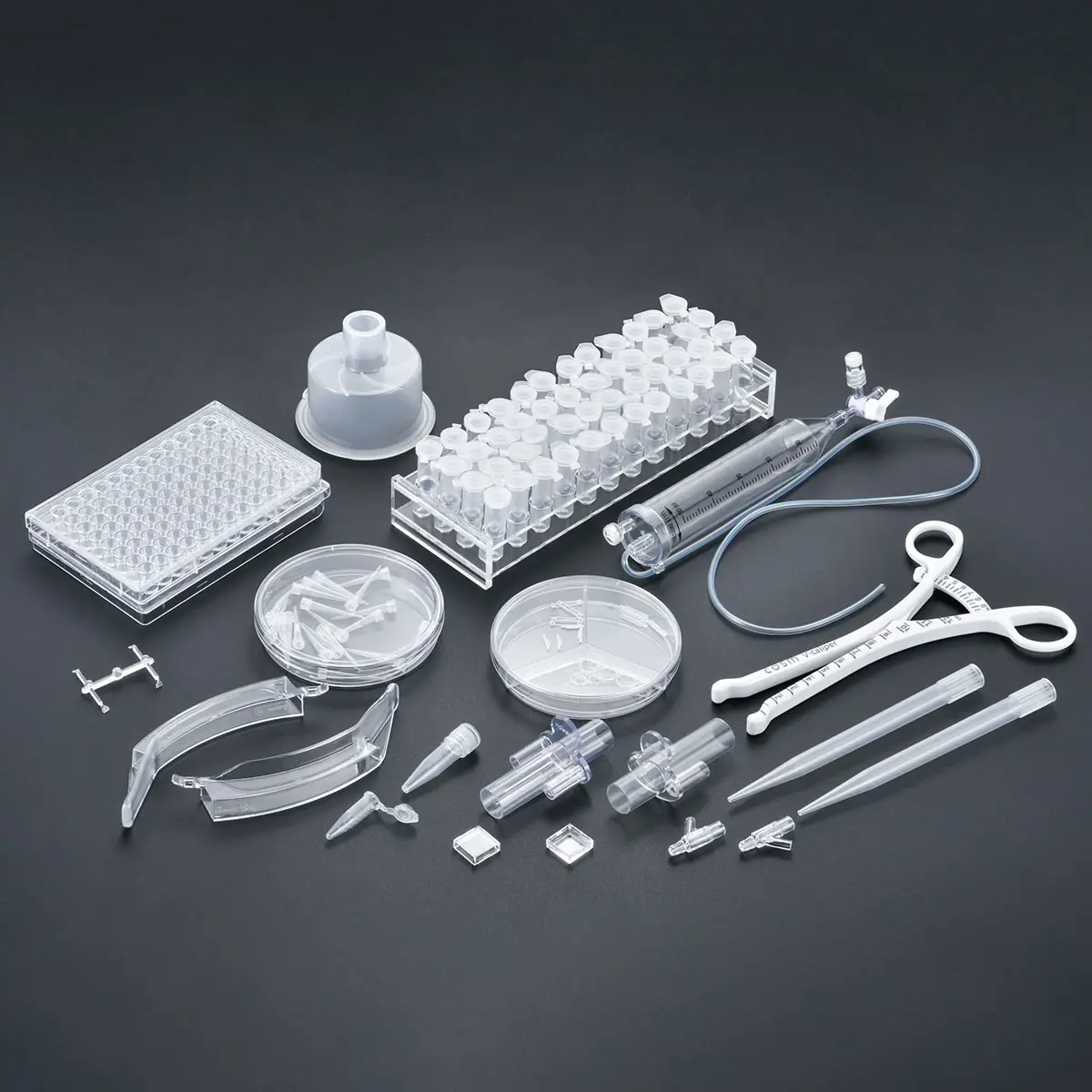
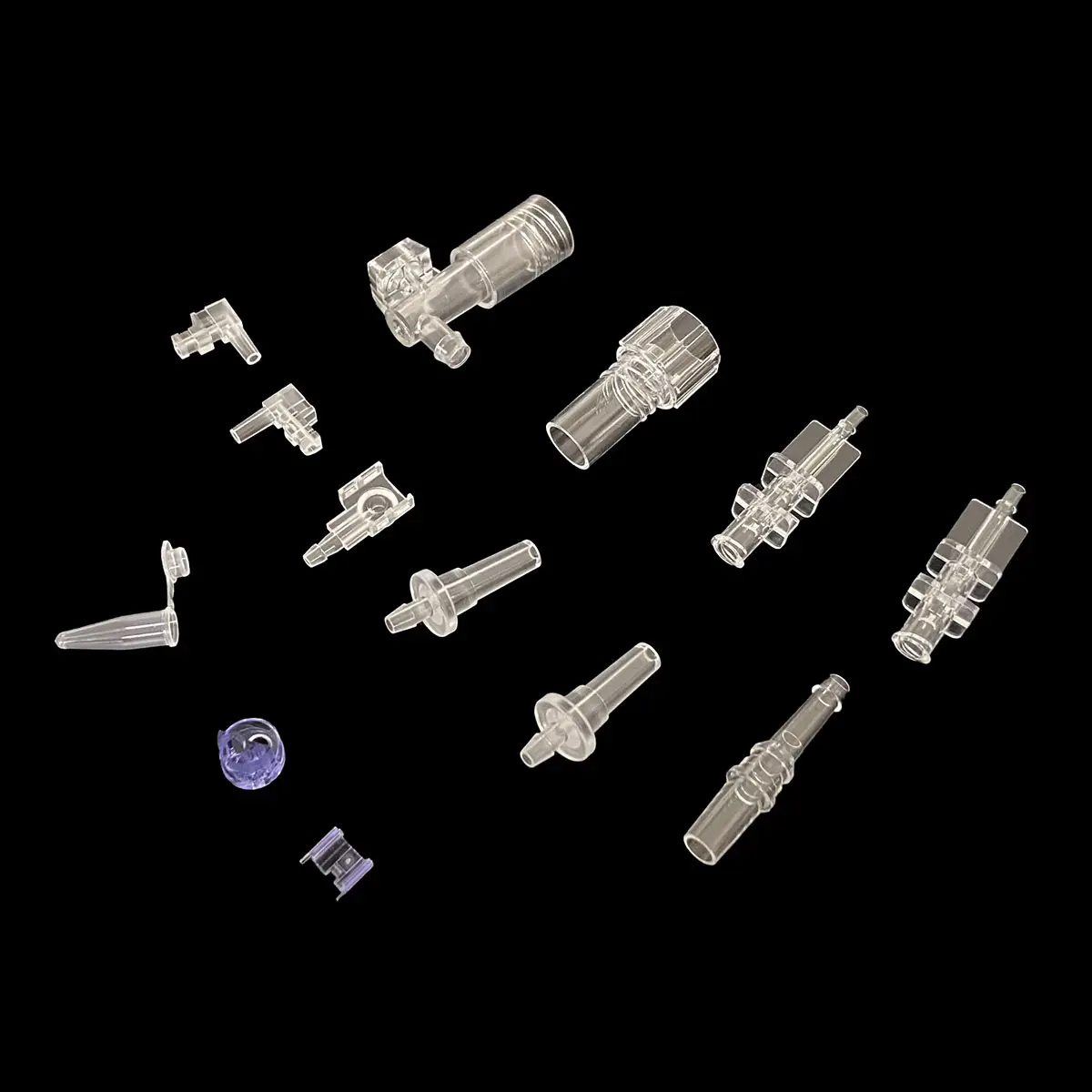
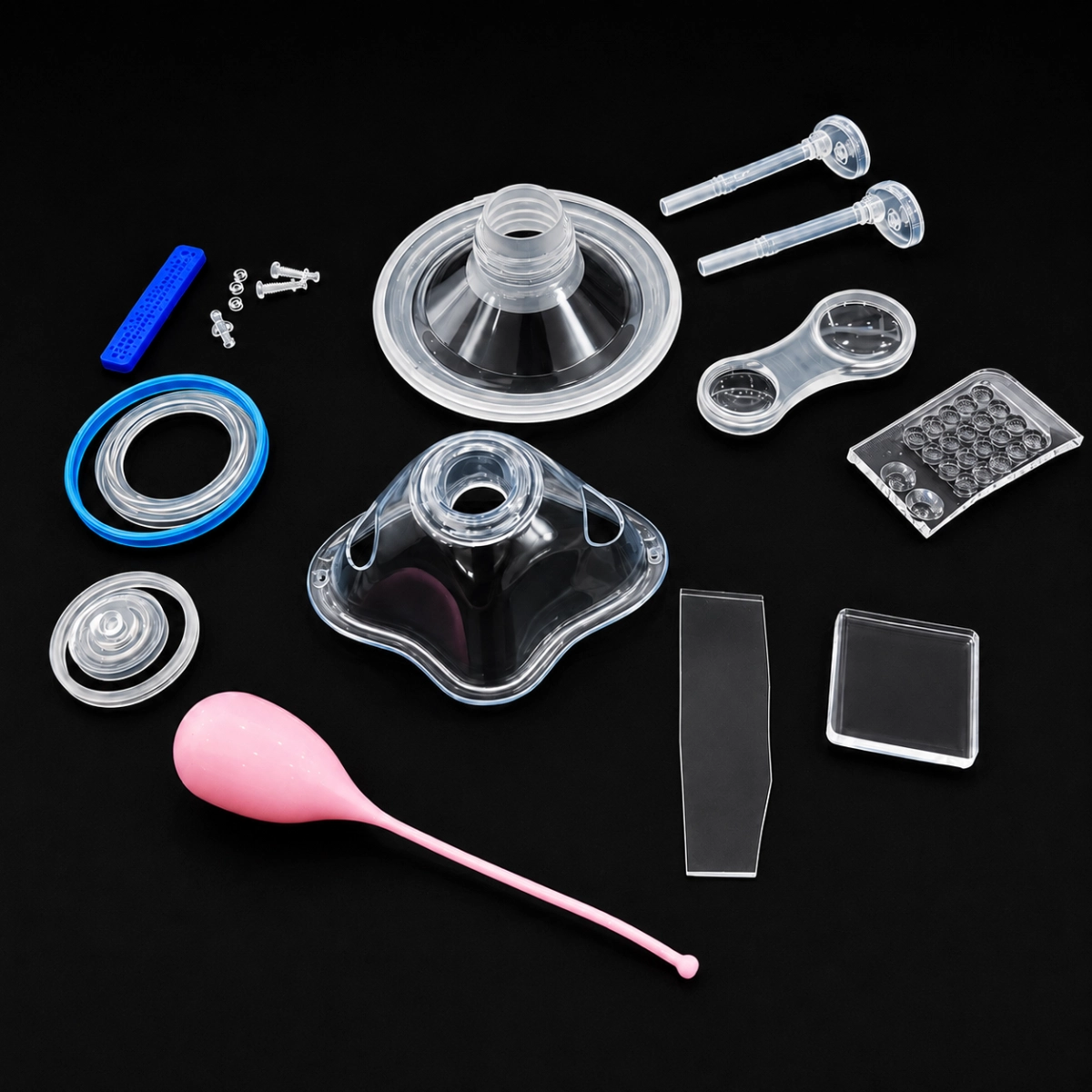
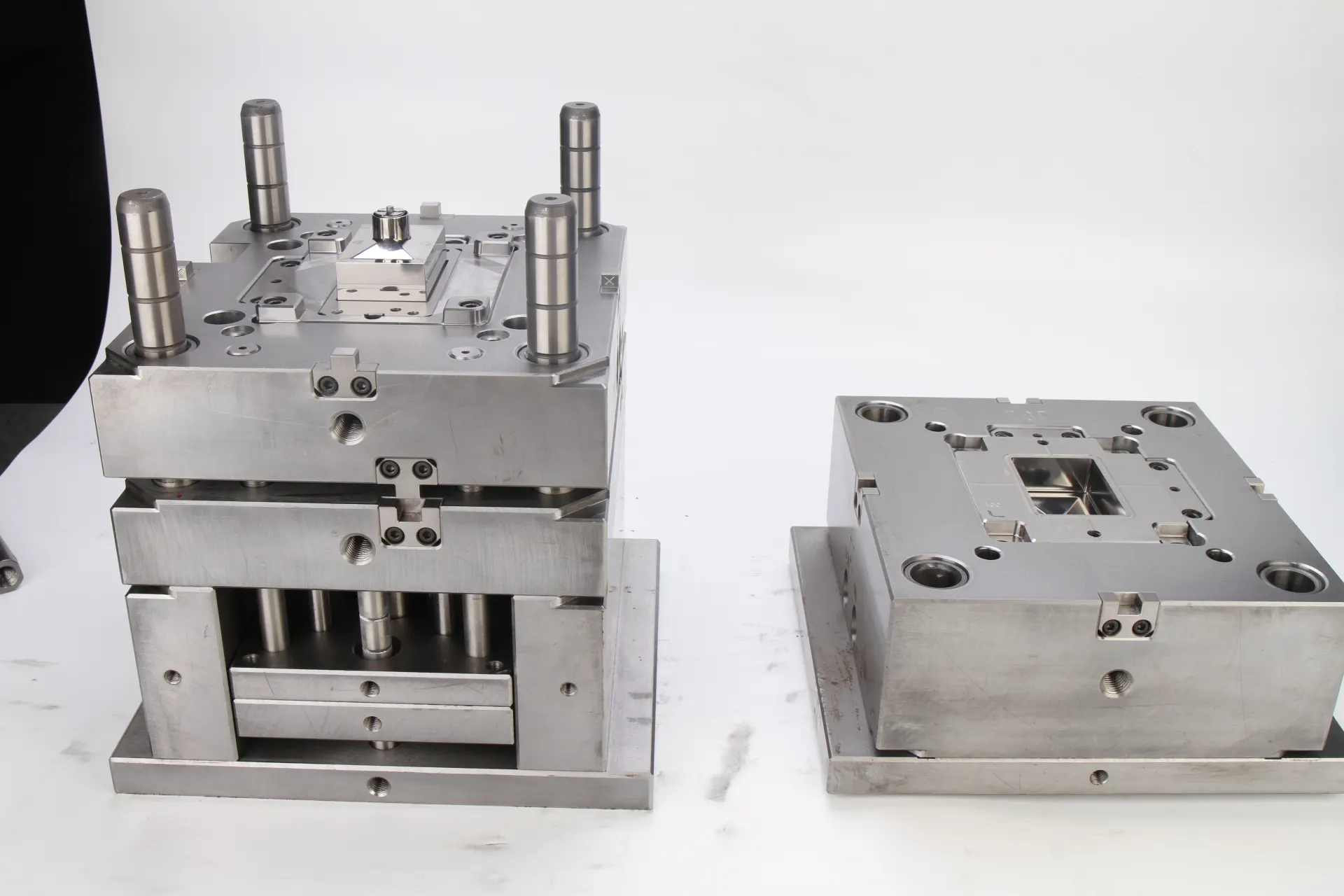
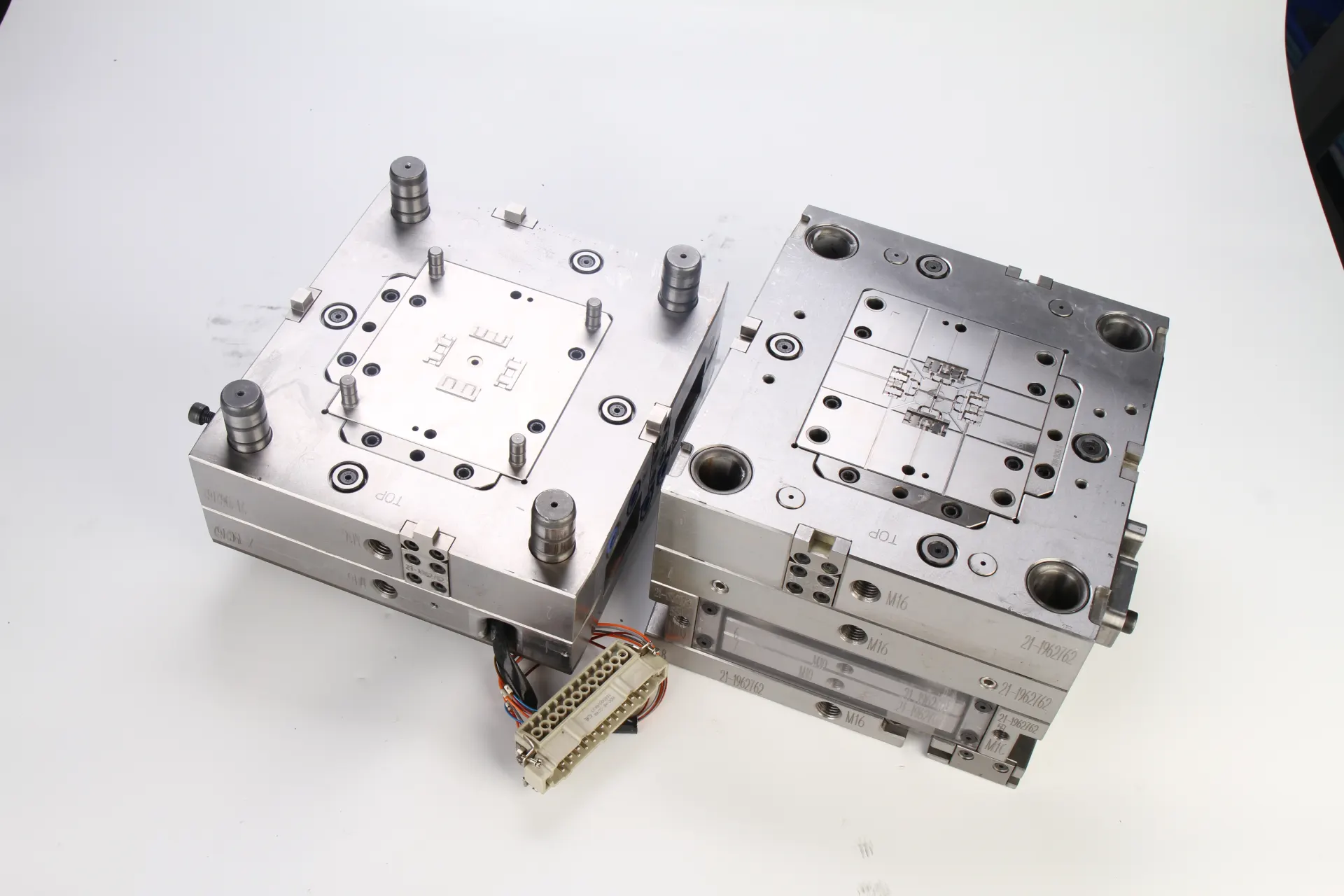
The compliance and sterility stability of medical packaging materials directly determine whether medical devices can be successfully and legally launched onto the market. As the categories of medical devices become increasingly specialized, standardized packaging materials have become inadequate for accommodating irregular-shaped or implantable devices. The demand for specialized medical equipment has led to the adoption of customized medical packaging materials, medical mold injection molding, and custom-made medical packaging based on drawings as the mainstream selection methods in the industry.
No matter how advanced your medical device design is, if the sterile barrier is damaged during transportation or storage, or if the packaging materials are not compliant and fail to pass the registration approval, the product cannot truly reach patients. For B-end purchasing managers and R&D engineers, choosing the appropriate medical packaging materials not only concerns product safety but also directly affects the launch progress.
This article will help you sort out the core elements for selecting compliant and sterile medical packaging materials, assisting your products in successfully passing regulatory approvals and safely entering the market.
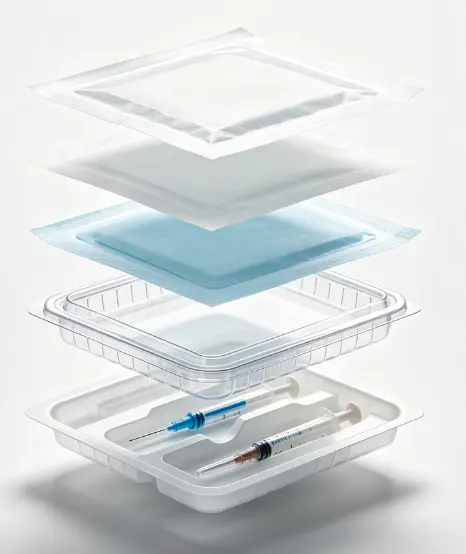
It is necessary to understand the structure of medical packaging materials.
When chatting with the packaging manufacturers, don't start by asking about the price. Instead, say something like: "Are your materials in accordance with ISO 11607 (also known as GB/T 19633 in China)?"
As soon as you say this, the manufacturer will know that you are an expert.
In simple terms, this standard divides packaging into two layers:
Inner layer (sterile barrier system): The layer of packaging that is in close contact with the medical device (such as dialysis bags or vacuum-sealed boxes). Its sole purpose is to keep bacteria out, and when the doctor tears it open in the operating room, it must not shed fibers, not tear apart, and must be able to "remove the device cleanly".
Outer layer (protective packaging): The outer cardboard box or large shell. Its task is to be durable and ensure that the contents inside are not damaged during transportation and logistics jolts.
Match the items! Select the materials based on the "sterilization method"
After the medical devices are packaged, they all need to be sterilized as a whole. Different sterilization methods have completely different requirements for the properties of the packaging materials.
The current mainstream methods are these three. Make sure you don't mix them up:
Ethylene Oxide (EO) sterilization: The packaging must be able to "breathe"
Principle: Use a chemical gas to kill the bacteria.
Material selection: The packaging must have one side that is breathable (allowing the gas to enter and kill the bacteria before releasing it), but the air hole must be small enough that even bacteria cannot get in.
Star materials: DuPont Tyvek or medical dialysis paper.
Radiation sterilization (Gamma rays): The packaging must be "radiation-resistant"
Principle: Use high-energy rays to directly kill the bacteria.Material selection: The material must be able to withstand radiation. Ordinary plastics will become brittle, yellow, or even emit toxic gas after being exposed to radiation.
Star materials: Barrier composite bags, or specially radiation-resistant PET/PE plastic films.
High-temperature steam sterilization: The packaging must be "able to withstand high temperatures"
Principle: Similar to a pressure cooker, use steam at 121°C or above to scald the bacteria to death.
Material selection: Must be able to withstand high temperatures and humidity, and the sealing glue must not melt when heated.
Star materials: Medical high-temperature-resistant paper.
Selecting Compliant Packaging Suppliers: 4 Key Criteria (Critical Points to Avoid Blunders)
- Compliance of production environment
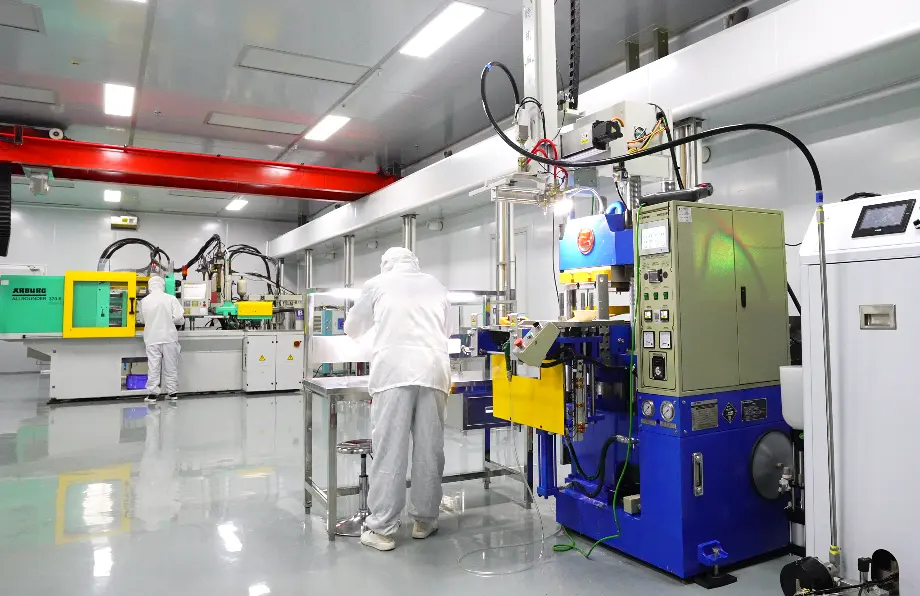
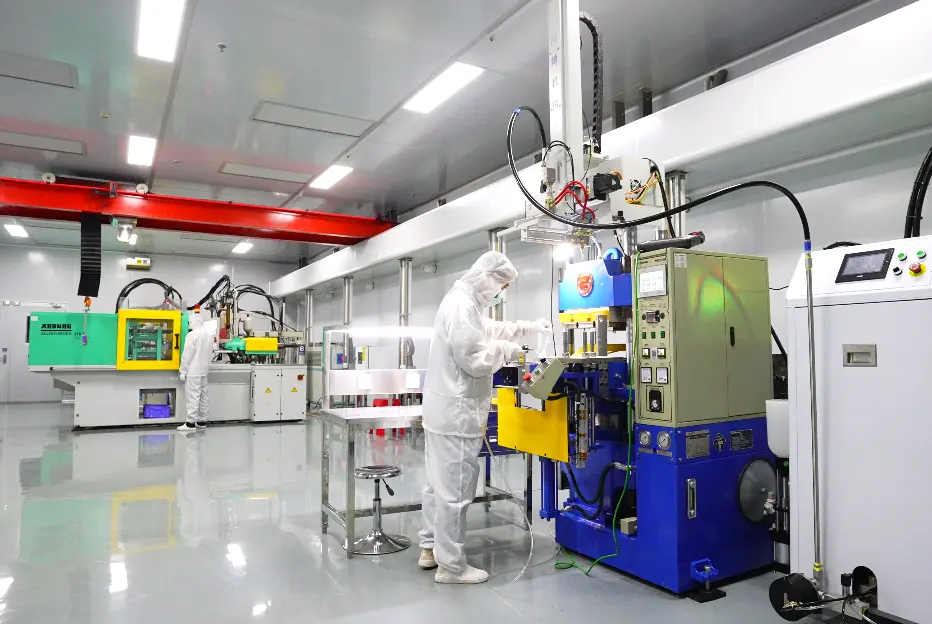
If packaging materials come into direct contact with uncleanly used instruments, the cleanliness level of the production workshop should not be lower than Class 100,000 Cleanroom for injection molding workshops; for high-value implantable packaging materials, it is preferable to use production lines in clean workshops, providing records of dust particle and microorganism detection in the workshops. Production workshop - Complete qualification documents
Suppliers must provide a complete set of materials
Material safety report
Testing report of clean workshops
ISO13485 Medical Device Production Quality Management System Certificate
Complete set of test data for biocompatibility, accelerated aging, and sealing integrity - Customization and verification support capabilities
High-quality suppliers can cooperate to complete packaging process verification: thermal sealing parameter debugging, sterilization compatibility simulation, ISTA transportation simulation testing, assisting enterprises in completing the writing of registration application materials. - Compliance of printing inks
Packaging printing inks must be medical-grade non-migrating, in line with ISO15223 Identification Standards, not staining or precipitating after sterilization, and the labels should indicate sterilization method, expiration date, UDI traceability code, and aseptic marking.
Conclusion
The compliance and sterility of medical packaging materials are far more than just buying a "bag". Therefore, choosing a packaging material with ISO 13485 medical device quality management system certification and ISO 7 cleanroom for meeting standards is essential. Whether you are seeking approval or want to upgrade your materials, we can handle it for you.
Pharmaceutical Packaging Injection Molding Solution The company's solution for medical packaging materials
Contact Information:
Tel: +86 13342659272 (Email, WhatsApp are the same number)
Email: Yuliya.chen@yizemould.com
FAQ
Q: What are the differences between ISO Class 9 Cleanroom and ISO 7 Cleanroom in the sterile packaging workshop, and how should one choose?
A: The 300,000-level cleanroom is suitable for packaging of low-value consumables; the 10,000-level cleanroom has higher dust particle and microorganism control standards and is used for third-category implantable devices and high-risk device packaging materials that come into direct contact with the human body. The NMPA inspection will verify the inspection records of the supplier's cleanroom.
Q: Should PS or PETG be used for the blister box? Can PS be used for implantable devices?
A: PS has high hardness but poor toughness and weak puncture resistance, and is only suitable for short-term low-value consumables; PETG has high transparency, good impact resistance, resistance to EO/vapor sterilization, and no harmful substances are released. The hard PETG rigid blister is strongly recommended for third-category implantable devices.
Q: What causes corrosion and color change of packaging materials and devices?
A: The material of the packaging is incompatible with the metal / plastic raw materials of the device, and a chemical reaction occurs after sterilization; 2. The release substances of the packaging material adhere to the device. Before purchasing, a compatibility simulation sterilization test must be conducted to avoid the risk of batch scrap after listing.
Q: If the packaging materials and devices are damaged during transportation, what additional validations are needed?
A: It is necessary to conduct ISTA simulation transportation tests, including vibration, drop, stacking, high and low temperature cycling, to verify the ability of the entire packaging structure to resist loss during logistics, and the transportation stability data is mandatory for MDR and FDA registration.
Q: After irradiation sterilization, the paper packaging becomes brittle and flaky. How to solve this problem?
A: Paper materials have poor radiation resistance, and transparent paper or ordinary paper cover materials are prohibited in gamma/electron beam sterilization scenarios. Replace with multi-layer PA/PE co-extruded film or aluminum-plastic composite high-barrier film. After irradiation, it will not become brittle and there will be no fiber shedding contamination.
Q: If the packaging supplier of medical devices changes, does it need to go through registration change?
A: According to risk levels: for third-category implantable devices, changing the packaging material / supplier must submit a registration change and supplement the complete packaging validation materials; for type one and type two, only changing the same specification and same material supplier can be done through the design change document to retain the record, and there is no need to change the registration certificate, but the test report needs to be refiled.