



-

Micro LSR Seal Design: Flash Prevention Tips for Precision Molding
-
Advantages of Liquid Silicone Rubber (LSR): Why It Is Replacing Traditional Rubber and Plastics
-
LSR Injection Molding (Cold Runner) vs. Compression Molding LSR (Runnerless): Process & Selection Guide
-
Medical Injection Molding DFM Checklist & Design Guidelines
Medical Injection Molding Materials Comparison
2026-07-02




复制成功
Selecting the right material is one of the most critical decisions in medical injection molding. The material determines the product's transparency, heat sterilization resistance, chemical compatibility, bio-compatibility, and overall cost. Whether you are developing disposable medical devices or high-performance surgical instruments, understanding the properties of different medical-grade plastics is essential.
This article introduces the most commonly used medical injection molding materials, explains their differences, discusses typical industry applications, and compares the relative costs of each material.
Why Material Selection is Crucial in Medical Injection Molding?
Medical device components must meet stringent sterilization requirements and maintain a dust-free production environment. Selecting appropriate materials not only ensures product performance but also helps manufacturers comply with standards such as ISO 13485, FDA, and USP VI when necessary.
When selecting materials, engineers typically evaluate: biocompatibility, mechanical strength, transparency, chemical resistance, sterilization compatibility, dimensional stability, and manufacturing cost.
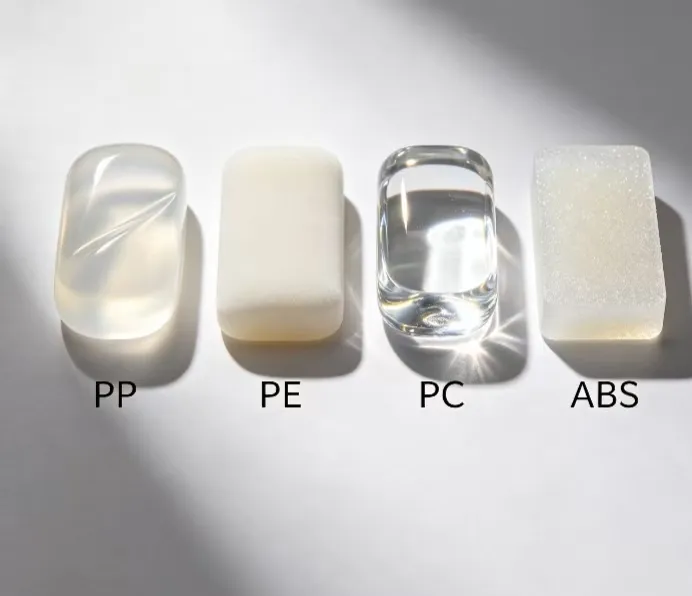
Polypropylene (PP)
Due to its excellent performance and cost-effectiveness, polypropylene has become the most widely used material in medical injection molding.
Advantages: outstanding chemical resistance, lightweight, good fatigue resistance, compatible with ethylene oxide (EO) and gamma sterilization, suitable for high-volume production, and high cost-efficiency
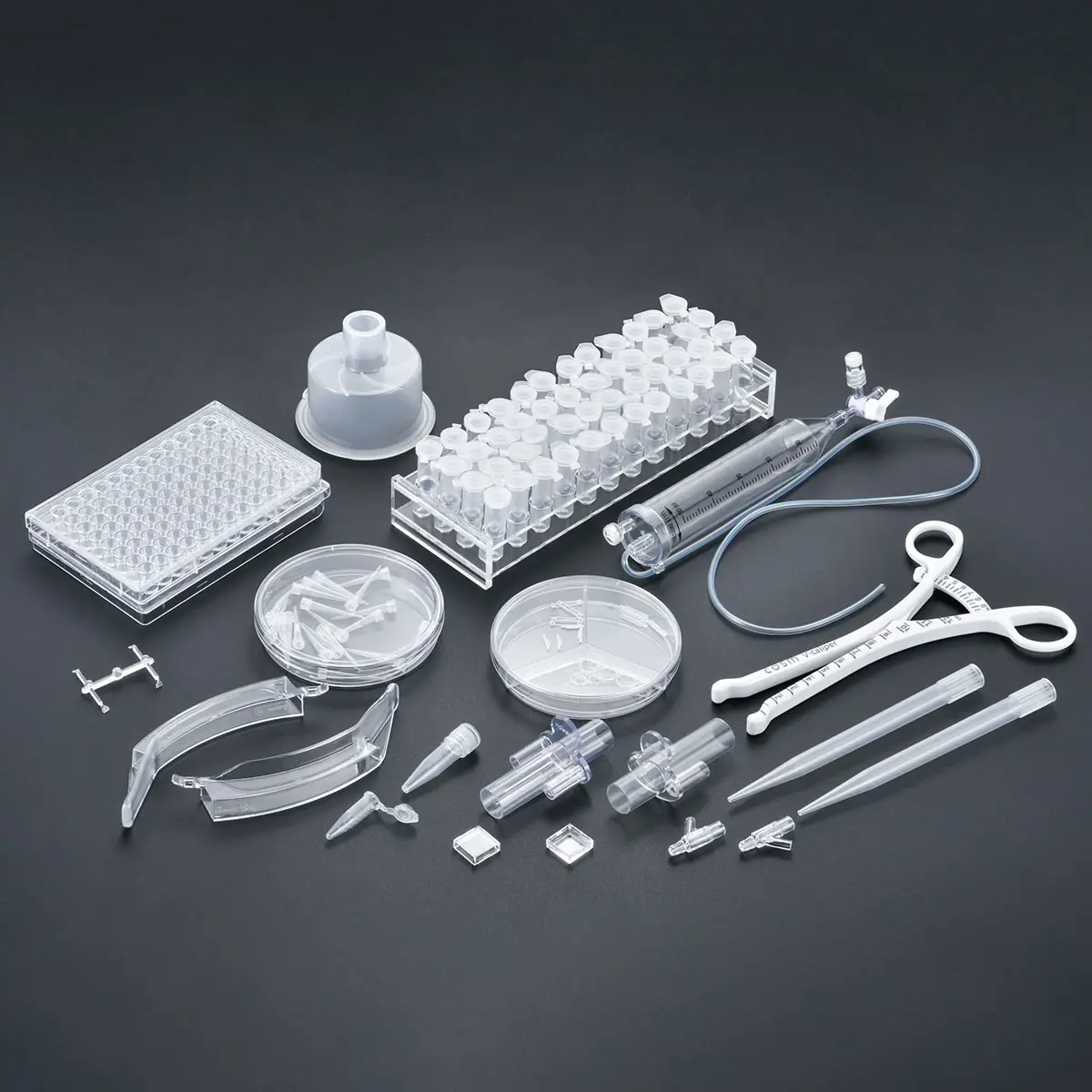
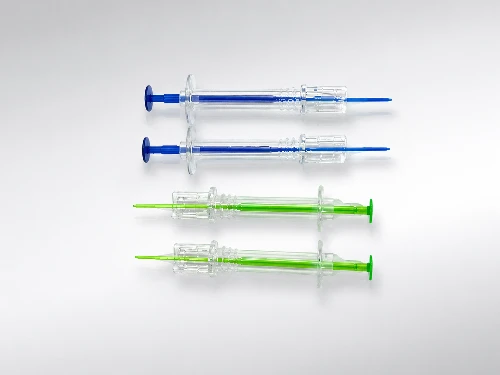
Typical applications: syringes, sample containers, test tubes, pipette tips, medical device packaging, diagnostic consumables
Relatively low cost (approximately $1.5–2.5 per kilogram)
Polyethylene (PE)
Polyethylene offers excellent flexibility and impact resistance while maintaining good biocompatibility.
Advantages: high flexibility, durable, moisture-resistant, easy to process
Typical applications: medical bottles, tubing, packaging, liquid containers
Relatively low cost
Polycarbonate (PC)
Polycarbonate is renowned for its excellent transparency and high impact resistance.
Advantages: Clear and transparent appearance, high mechanical strength, excellent dimensional stability, and superior heat resistance
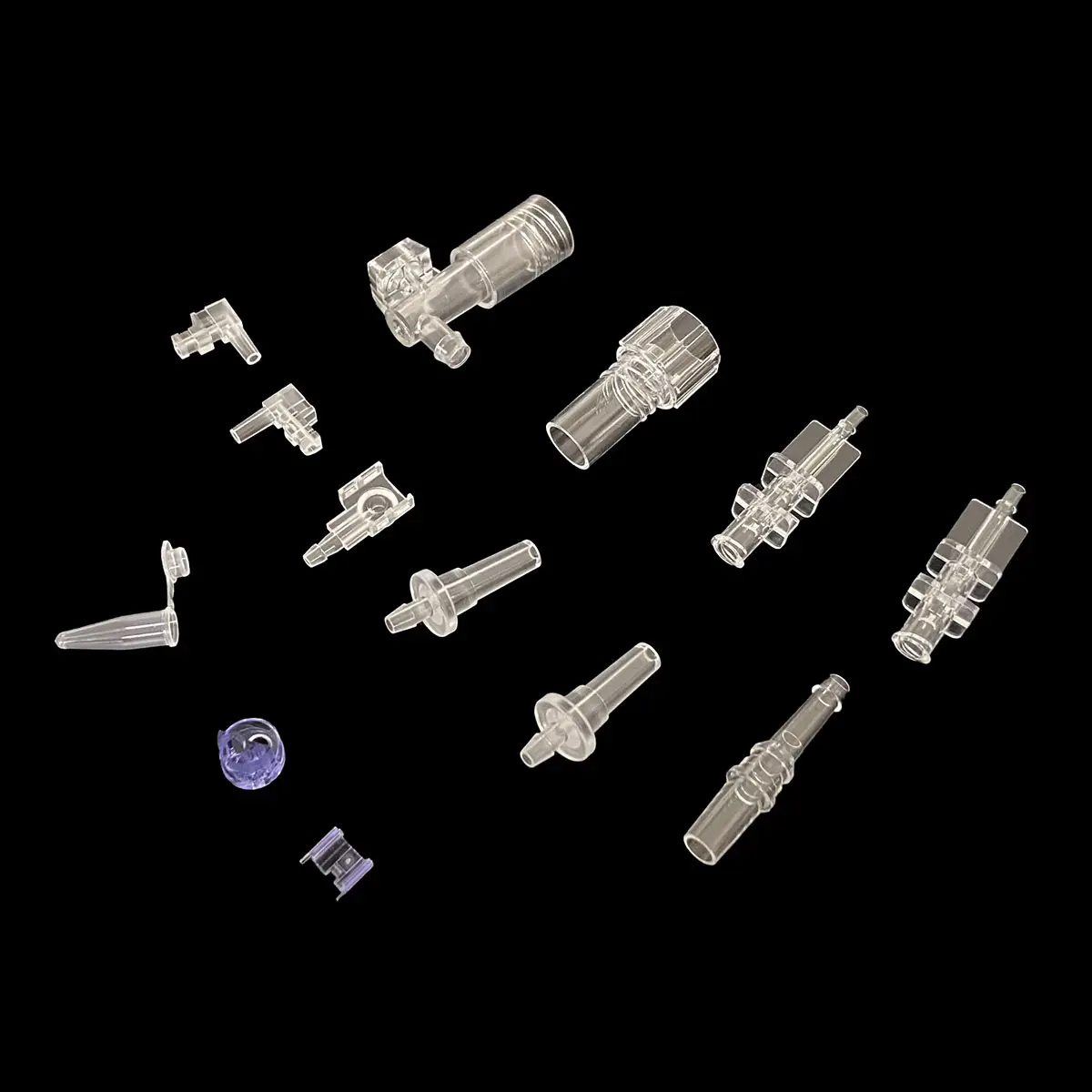
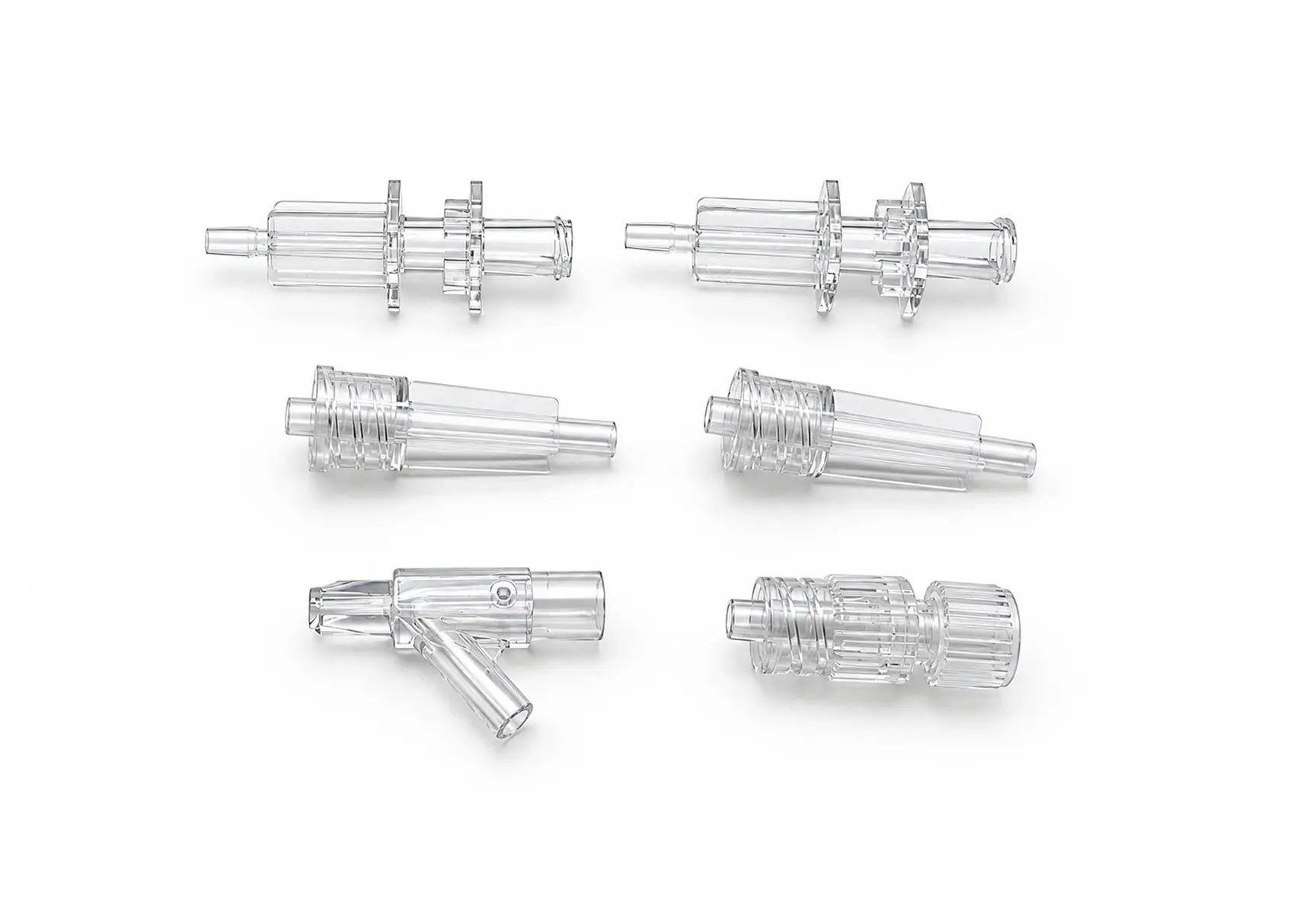
Typical applications: oxygen masks, IV connectors, diagnostic device components, medical fluid containers, transparent housings
Relative cost: Moderate to high (approximately $4–8 per kilogram)
ABS
is typically used for medical device housings rather than components that come into direct contact with patients.
Advantages: easy to mold, excellent surface finish, good dimensional stability, and high cost-effectiveness
Typical applications: medical device housings, diagnostic instrument enclosures, equipment cabinets, control panels
Relative cost: moderate
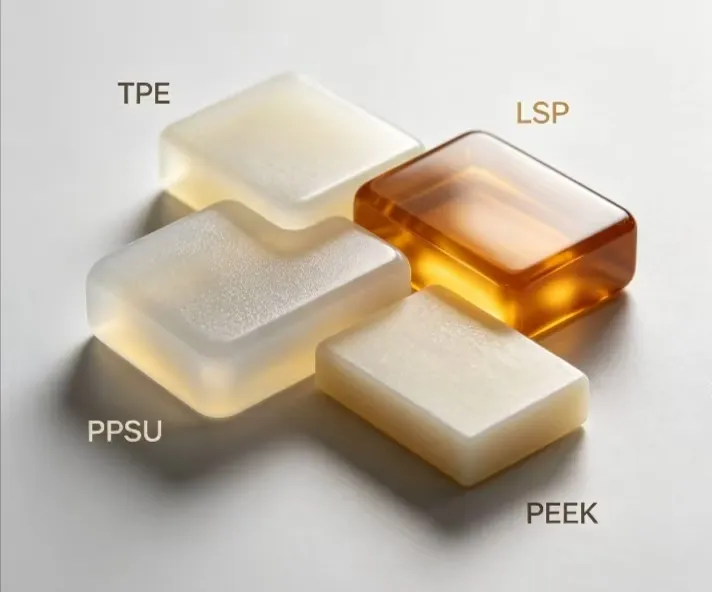
Thermoplastic Elastomers (TPE)
TPE combines the flexibility of rubber with the processing advantages of thermoplastic plastics.
Advantages: Soft surface texture, excellent grip, capable of overmolding, superior flexibility
Typical applications: medical handles, seals, flexible grips, soft-touch components, overmolded medical devices
Relative cost: Moderate
Liquid Silicone Rubber (LSR)
Medical-grade LSR is gaining increasing popularity due to its flexibility, biocompatibility, and high-temperature resistance, and is widely used in products requiring these properties.
Advantages: excellent biocompatibility, outstanding flexibility, strong heat resistance, long service life, suitable for repeated sterilization
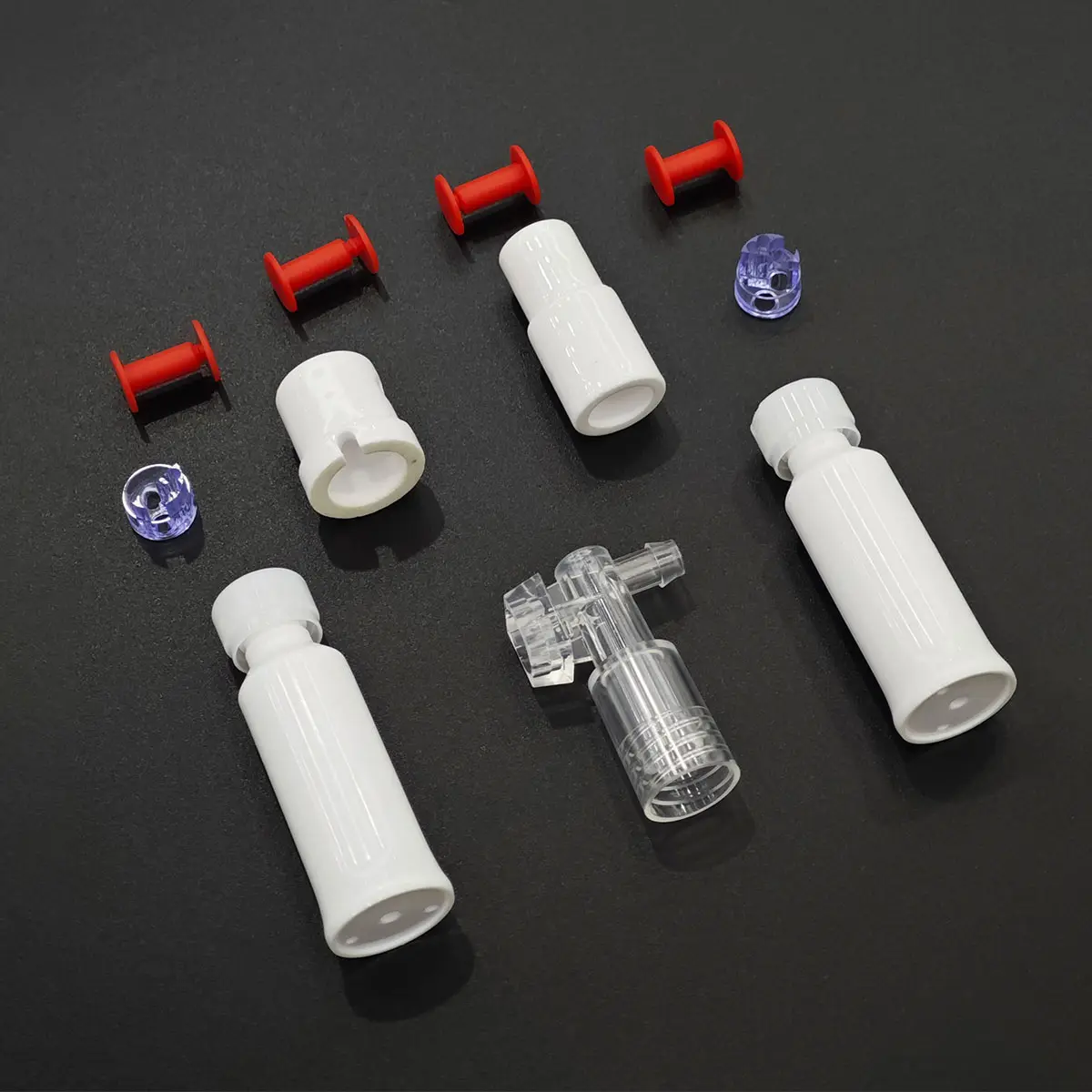
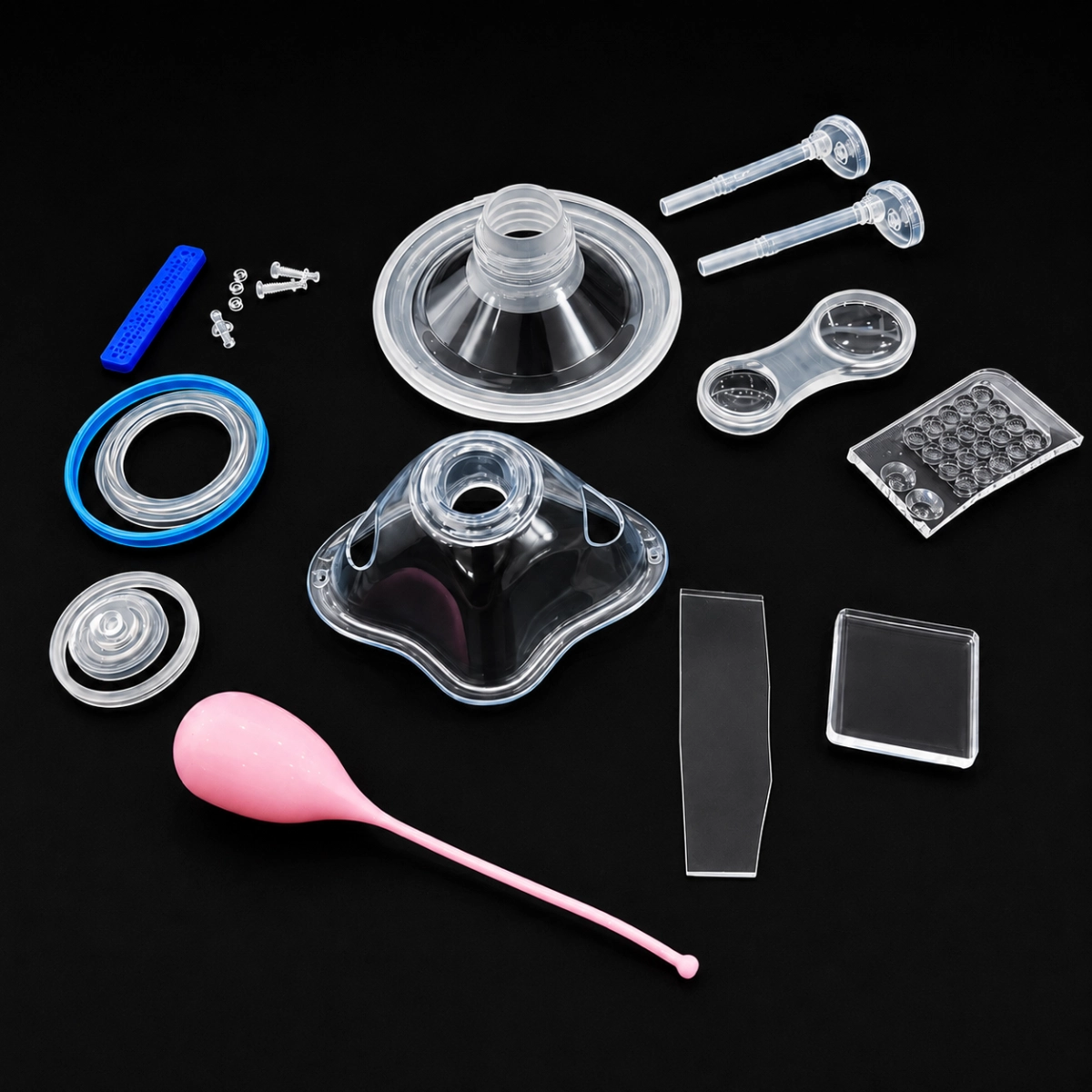
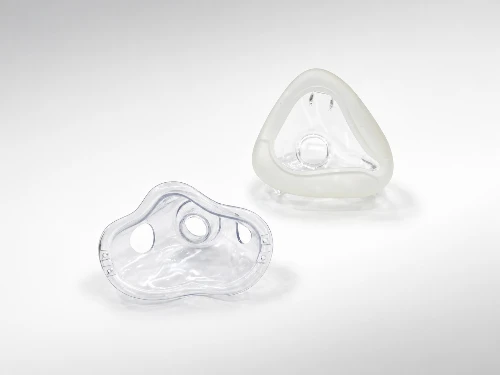
Typical applications: catheters, respiratory masks, valves, seals, infant medical products
Relatively high cost (approximately $10–20 per kilogram)
Polyetheretherketone (PEEK)
PEEK is considered one of the highest-performance engineering plastics used in the medical industry.
Advantages: excellent mechanical strength, outstanding wear resistance, superior chemical resistance, high continuous operating temperature, suitable for implantable medical devices
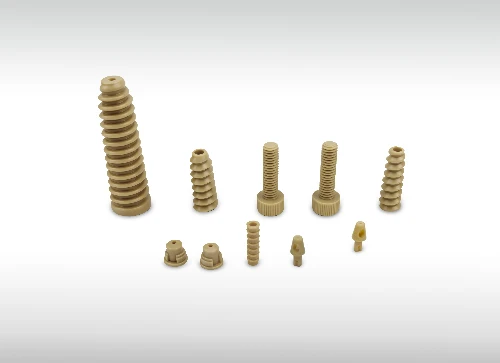
Typical applications: orthopedic implants, spinal implants, dental implants, surgical instruments, high-performance medical device components
Relative cost is very high (approximately $60 to $150 per kilogram, or higher, depending on grade)
Polyphenylsulfone (PPSU)
PPSU is widely used in reusable medical devices that require repeated sterilization.
Advantages: excellent hydrolysis resistance, withstands repeated steam sterilization, high impact strength, long service life
Typical applications: surgical instrument handles, sterilization trays, dental equipment, reusable medical devices
Material Comparison
| Material | Strength | Transparency | Sterilization Tolerance | Typical Applications | Relative Cost |
| PP | Medium | Low | Good | Disposable consumables | Low |
| PE | Medium | Low | Good | Bottles, tubing | Low |
| PC | High | Excellent | Good | Transparent medical components | Medium–High |
| ABS | Medium | Low | Fair | Equipment housings | Medium |
| TPE | Flexible | Low | Good | Handles, seals | Medium |
| LSR | Flexible | Medium | Excellent | Catheters, masks | High |
| PPSU | High | Medium | Excellent | Reusable instruments | High |
| PEEK | Very high | Low | Excellent | Implants, surgical instruments | High |
Which material is best suited for your medical project?
No single material fits all applications.
• PP and PE are preferred choices for disposable medical device components where cost-effectiveness is a top priority.
• PC is ideal for transparent parts, especially when strength and dimensional stability are required.
• ABS is suitable for medical device housings and structural components.
• TPE and LSR are recommended for medical products requiring soft touch, flexibility, or injection molding.
• PPSU is the best choice for reusable instruments requiring repeated steam sterilization.
• PEEK is the preferred solution for high-performance implantable medical devices.
When selecting the right material, consider product functionality, regulatory requirements, sterilization methods, production scale, and budget.
Contact Information:
Email: Yuliya.chen@yizemould.com
Telephone/WhatsApp: +86 13342659272
Partner with an experienced medical injection molding manufacturer
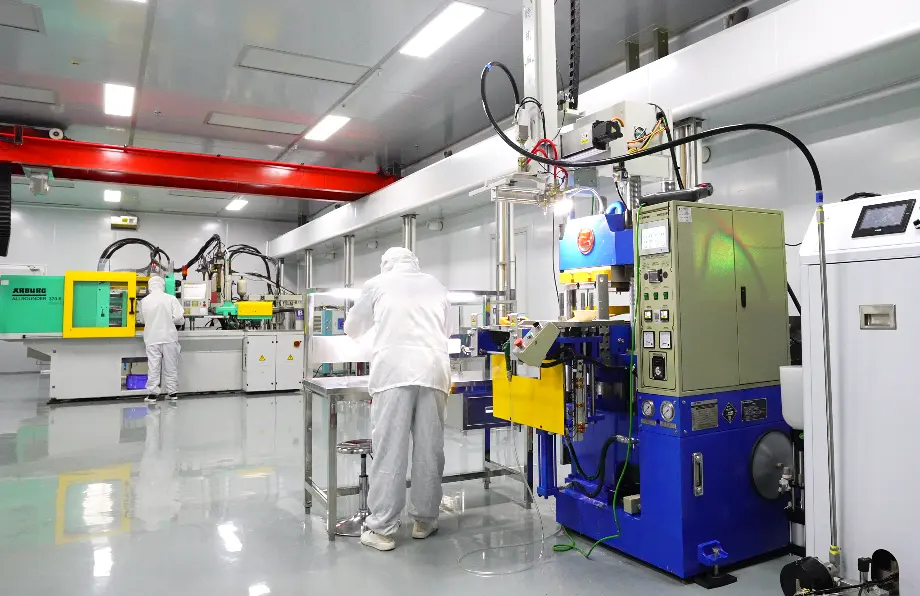
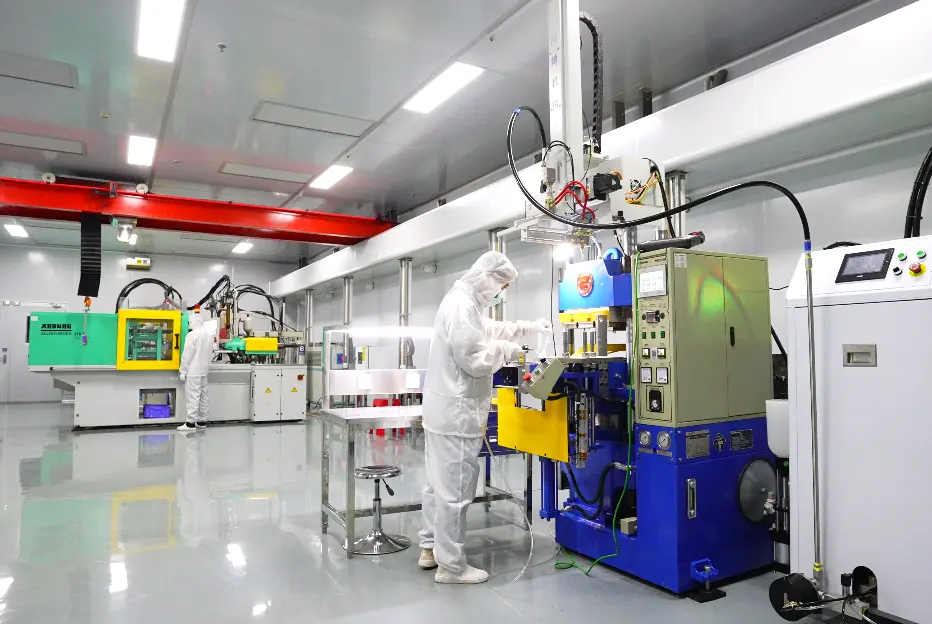
At Yize, we offer comprehensive medical injection molding solutions, including mold design, cleanroom manufacturing, material selection, and quality assurance.