



-

Micro LSR Seal Design: Flash Prevention Tips for Precision Molding
-
Advantages of Liquid Silicone Rubber (LSR): Why It Is Replacing Traditional Rubber and Plastics
-
LSR Injection Molding (Cold Runner) vs. Compression Molding LSR (Runnerless): Process & Selection Guide
-
Medical Injection Molding DFM Checklist & Design Guidelines
What is cleanroom manufacturing?
2026-06-30




复制成功
In fields such as precision manufacturing, medical health, and food manufacturing, invisible micro-dust, bacteria, and suspended particles can all lead to non-compliance of products and failure of processes. Cleanrooms, as the core infrastructure of high-end manufacturing, achieve pollution prevention from the root by controlling the environment. They are essential for high cleanliness production.
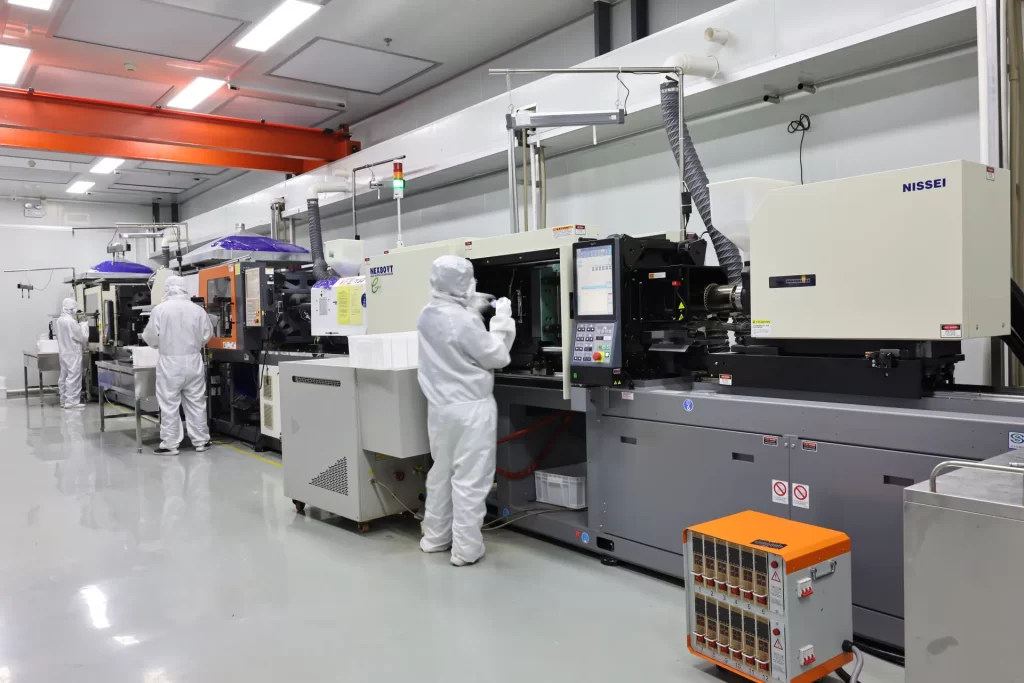
一. What is a Cleanroom
A cleanroom, also known as a dust-free room or a clean workshop, is simply a sealed room where the number of particles (such as dust and bacteria) in the air is strictly controlled by special equipment. Besides being "clean enough", it can also precisely control the temperature, humidity, pressure and static electricity inside the room. It is commonly used in industries that are extremely sensitive to the environment, such as chip manufacturing, pharmaceuticals, operating rooms and precision machinery.
二. How are the grades of clean rooms distinguished?
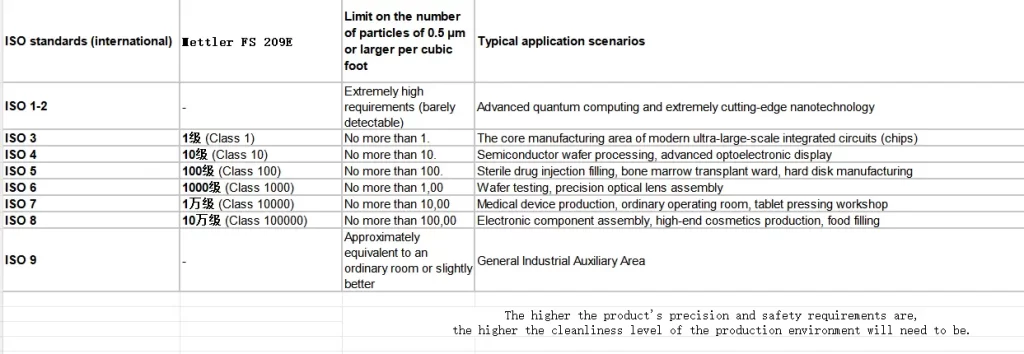
The core criterion for classifying cleanroom levels is: the maximum allowable number of particles of a specific size per cubic meter (or cubic foot) of air.
The two most commonly used classification standards in the world today are: the international standard ISO 14644-1 and the older but still widely used in the industry and verbally followed American standard FS 209E (also known as "ISO 6 cleanroom" or "Class 10,000").
三. Core Application Industries of Clean Rooms
Any industry where tiny impurities, bacteria, or dust can affect product quality and safety cannot do without a cleanroom. The current mainstream application areas cover the following sectors:
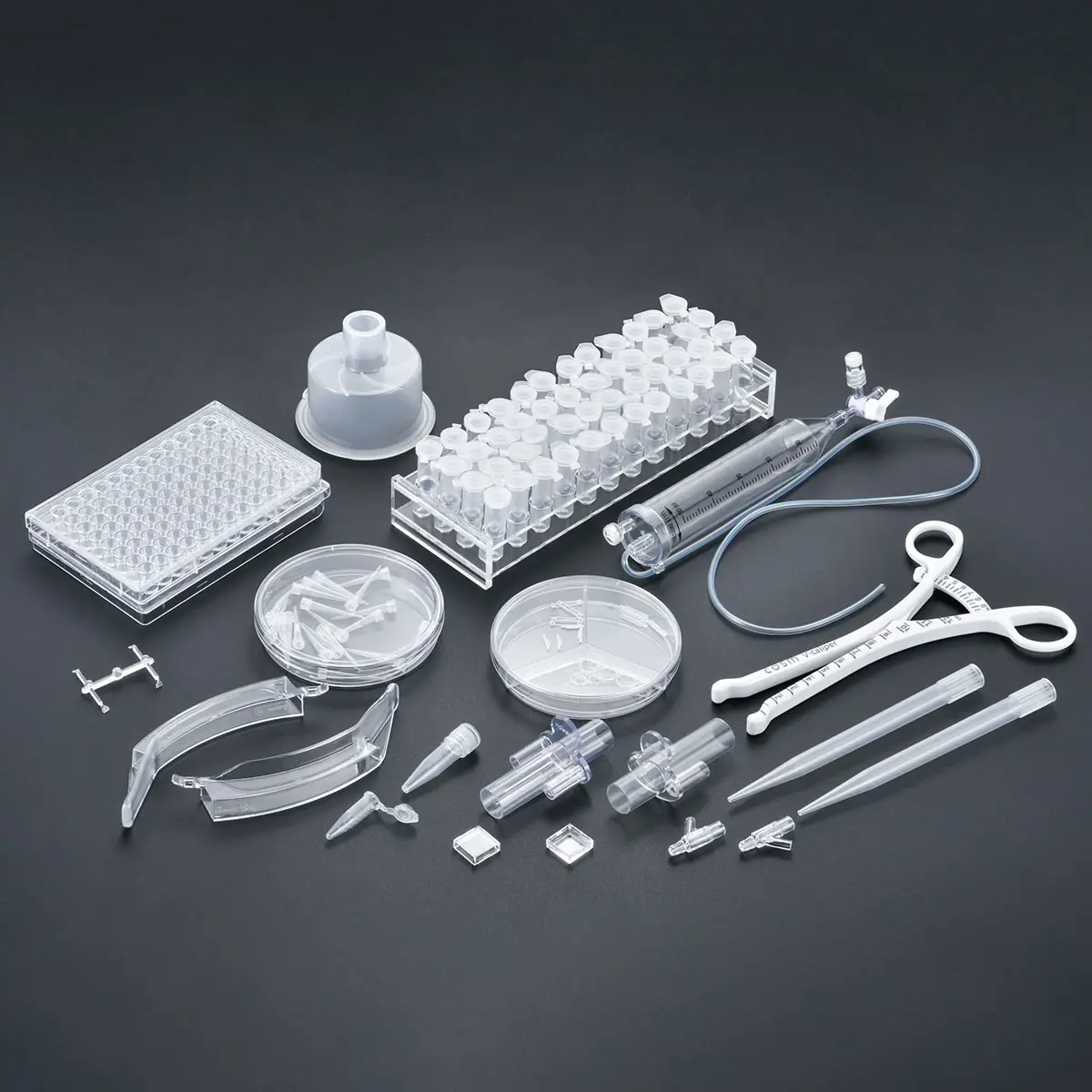
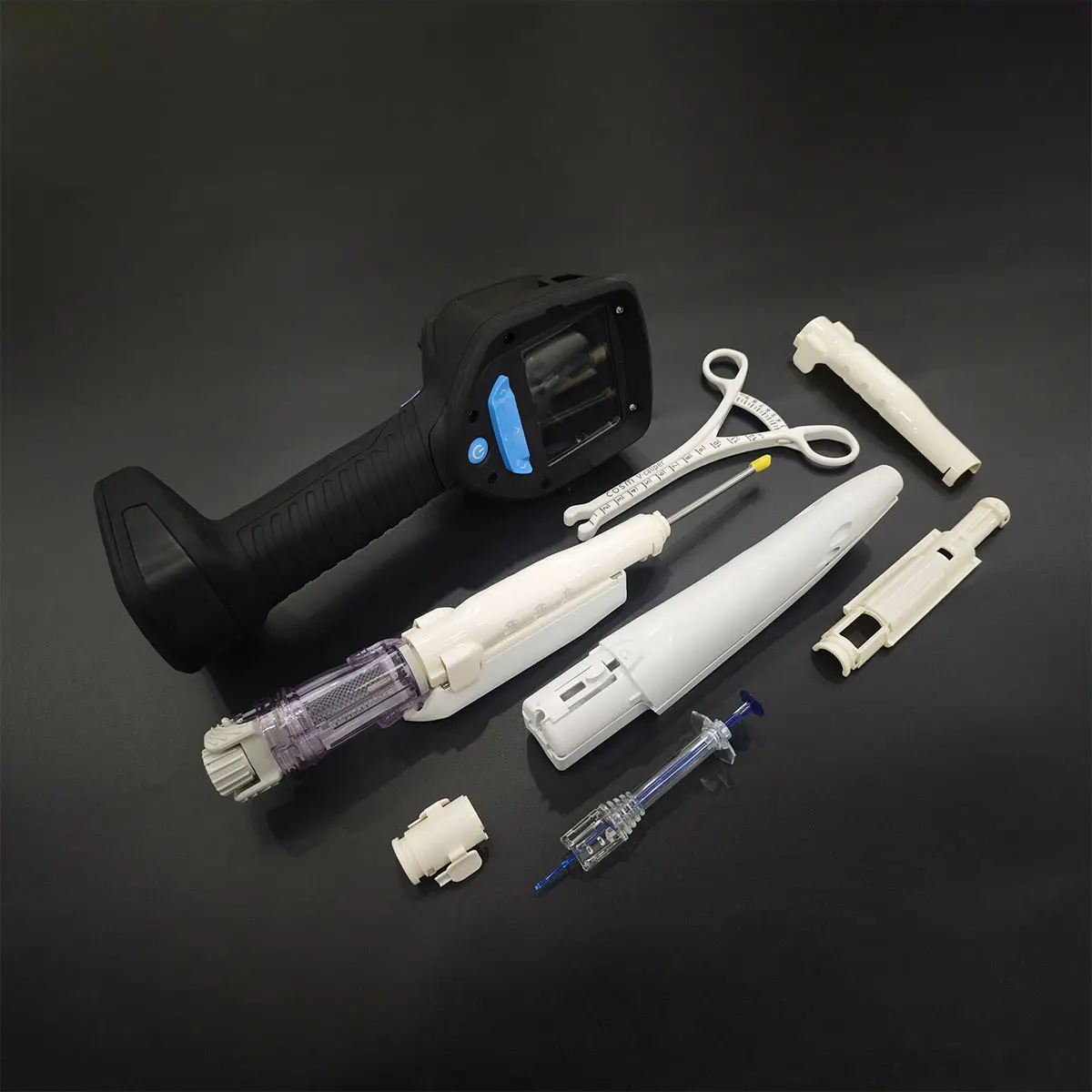
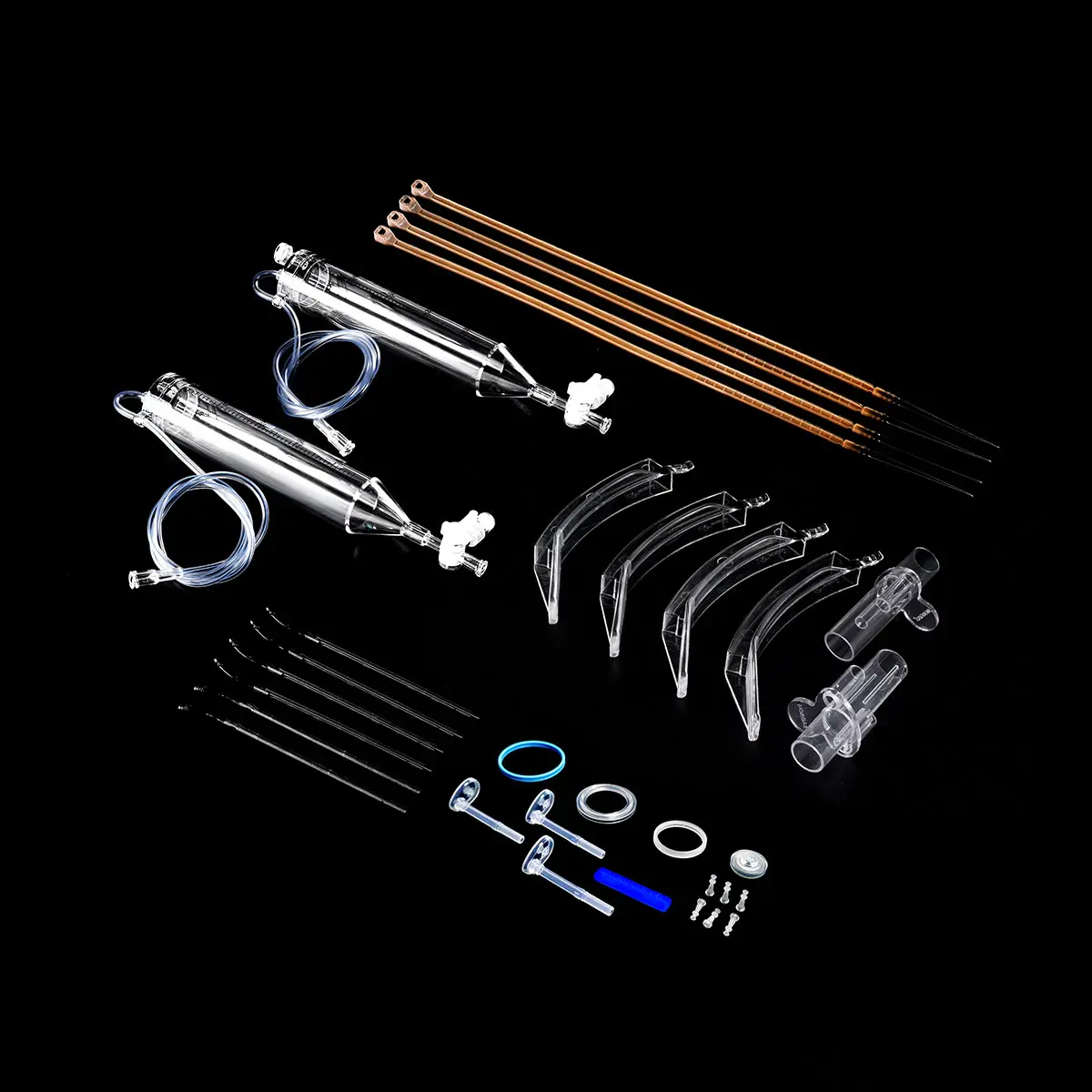
- Medical devices and medical consumables industry: surgical instruments, medical catheters, sterile packaging, disposable medical consumables, and implantable medical devices. Their production and assembly must be completed in a clean environment to prevent cross-contamination and ensure clinical safety.
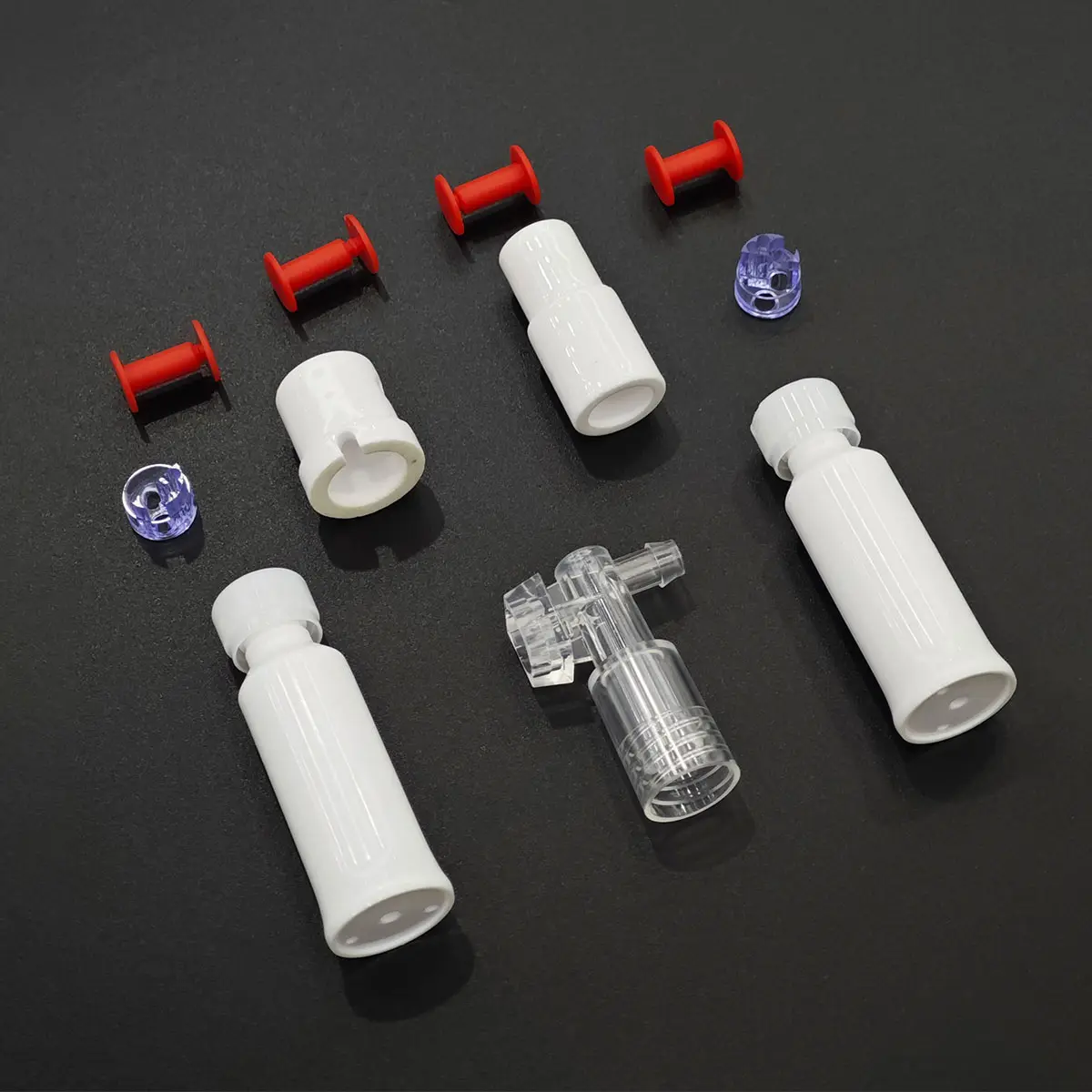
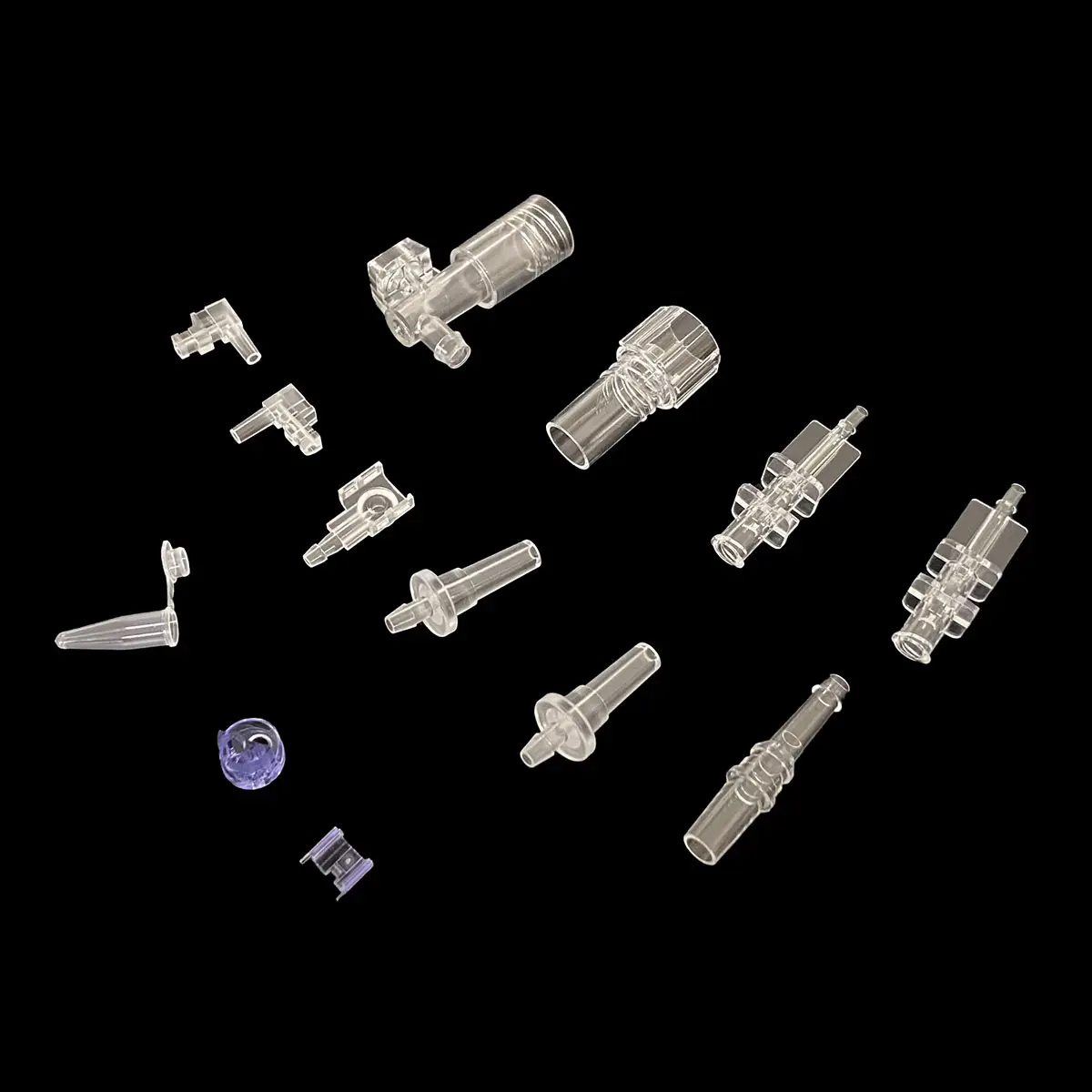
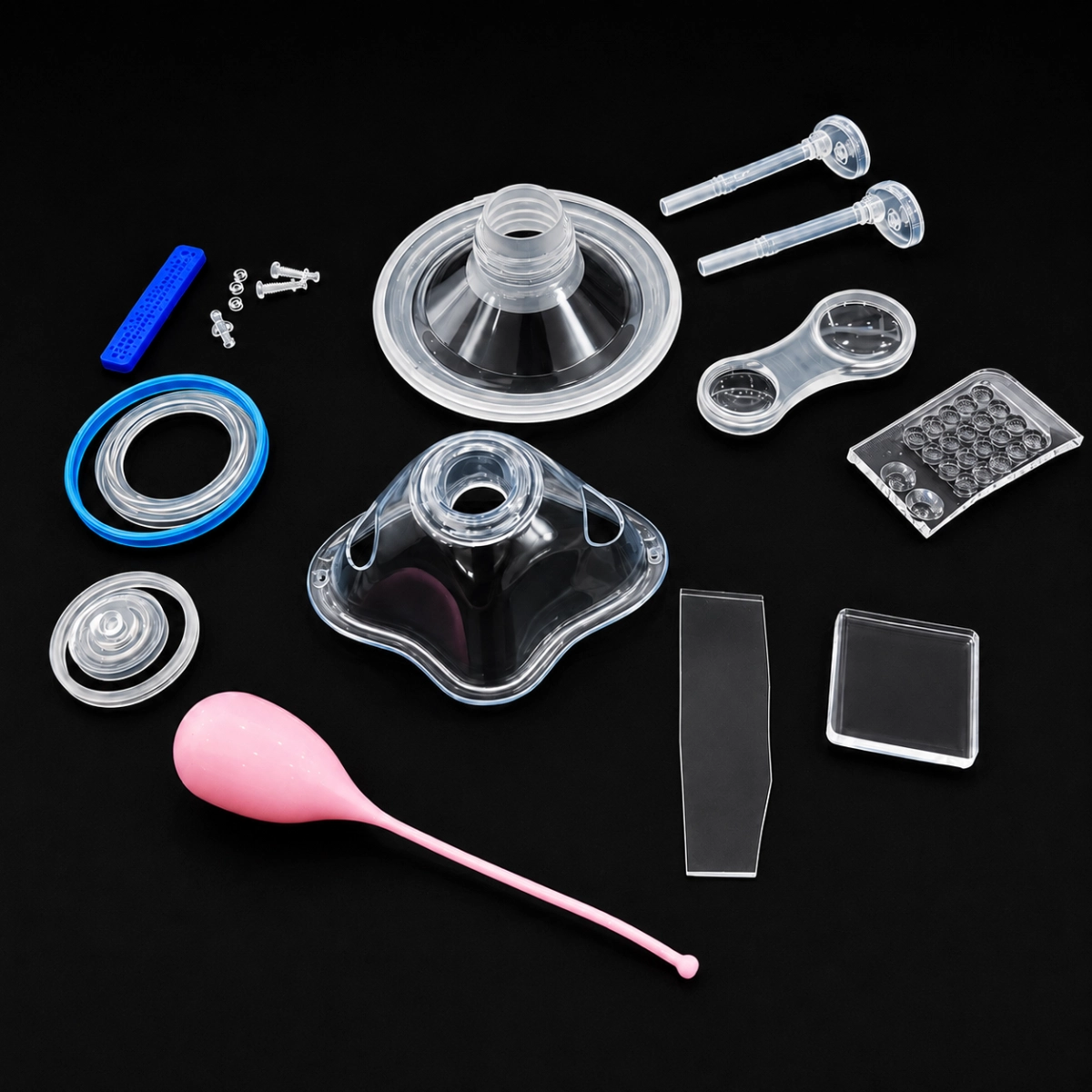
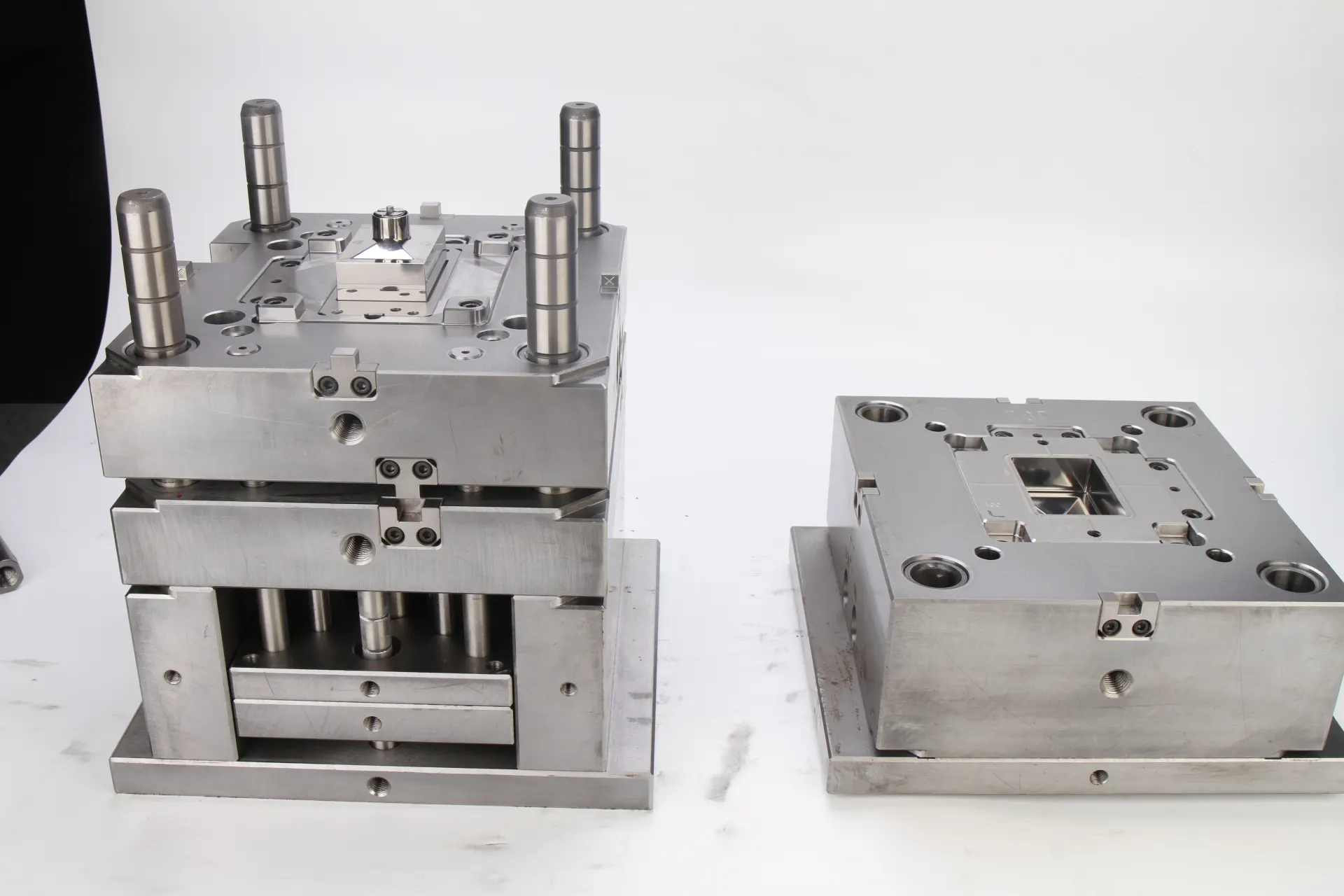
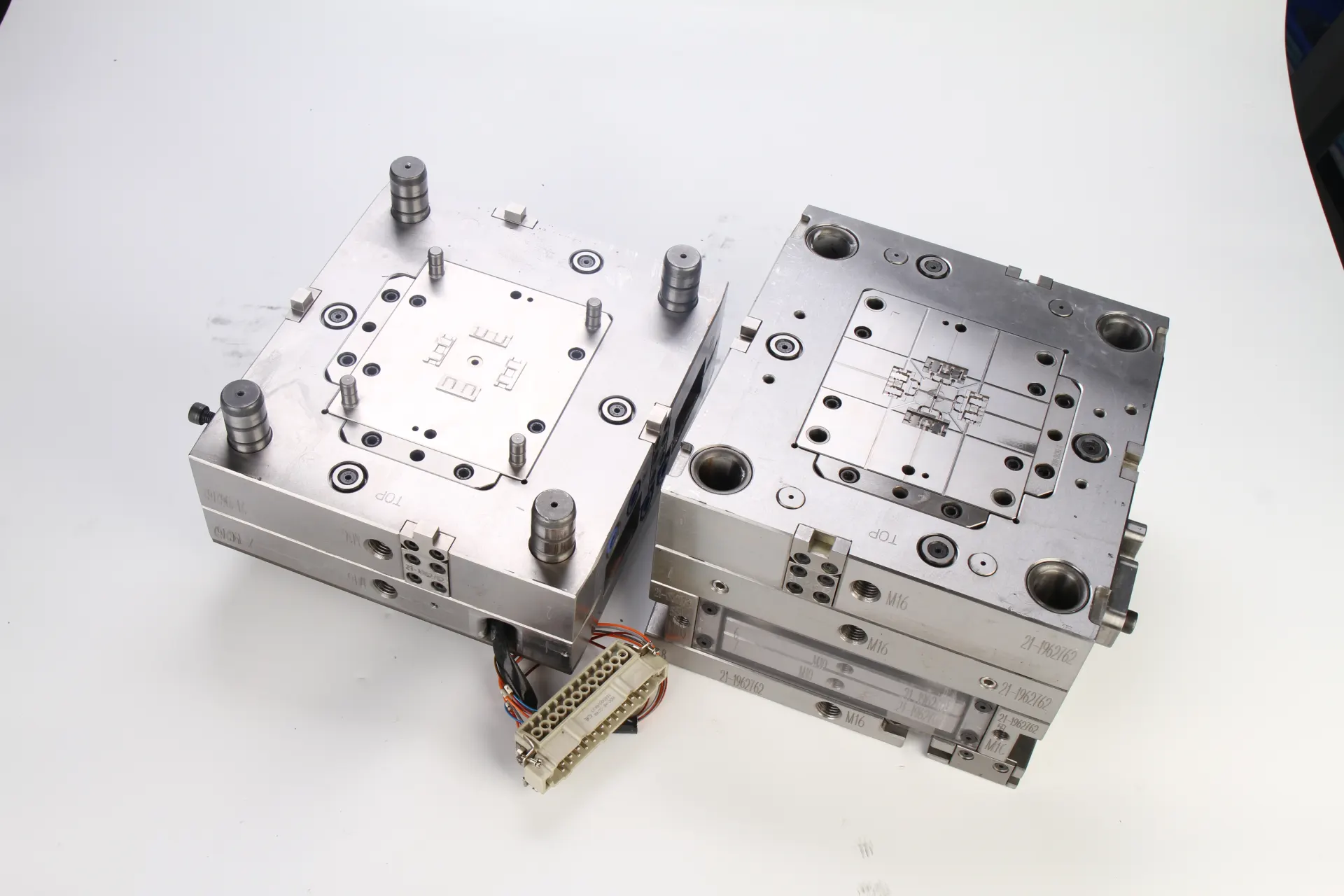
- Precision injection molding and mold industry: medical-grade plastic parts, transparent optical plastic parts, and precision electronic injection molded parts. Dust-free injection molding to avoid dust defects and static pollution, ensuring product appearance and accuracy meet standards.
- Aerospace and high-end equipment industry: aerospace precision components, aerospace sensors, and military precision components. Production and assembly to avoid particles causing equipment malfunctions, ensuring equipment stability and safety.
- Food and cosmetics industry: sterile food processing, high-end skin care products, and cosmetics filling and packaging. Controlling bacterial growth, extending product shelf life, and ensuring usage safety.
四. Configuration Description of Our Clean Rooms
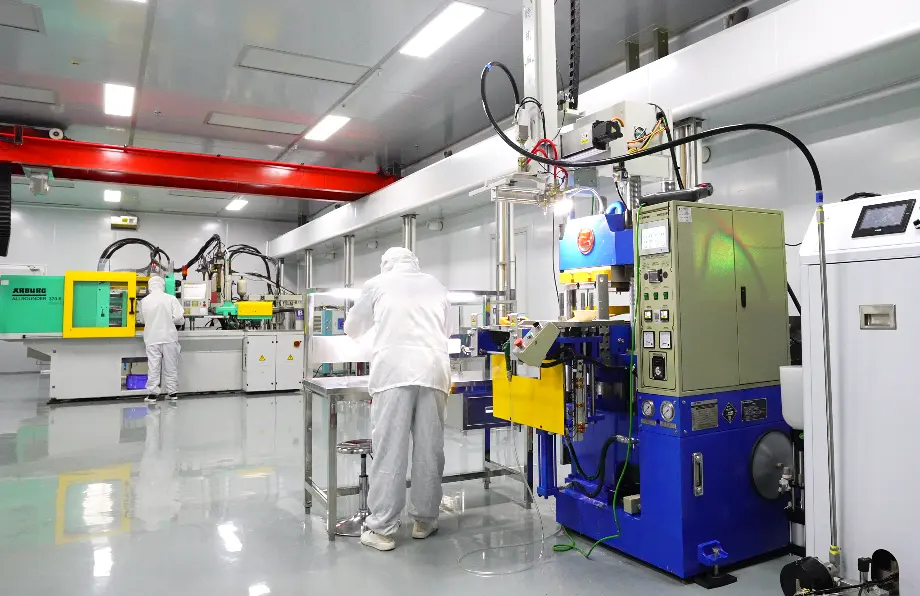
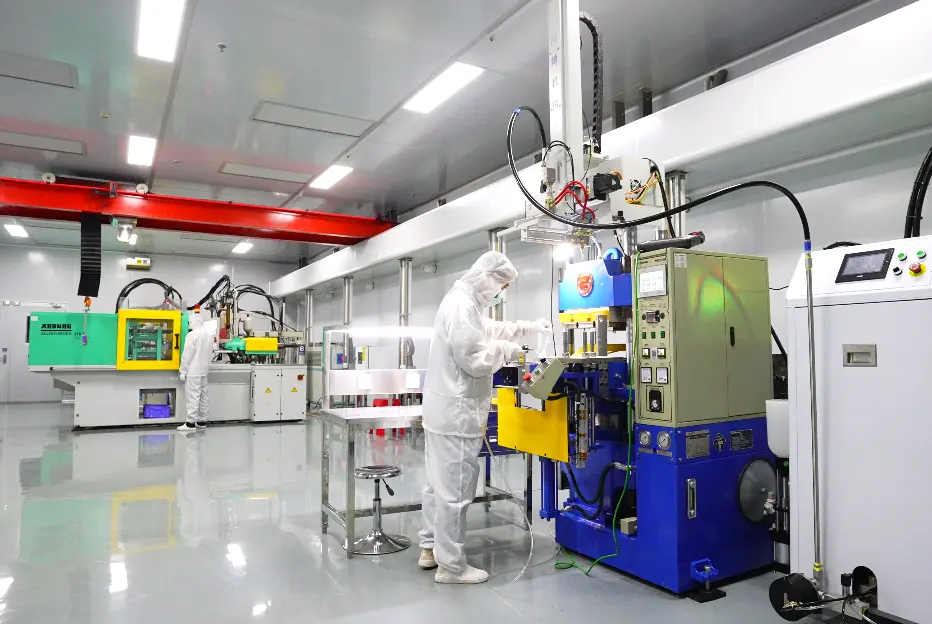
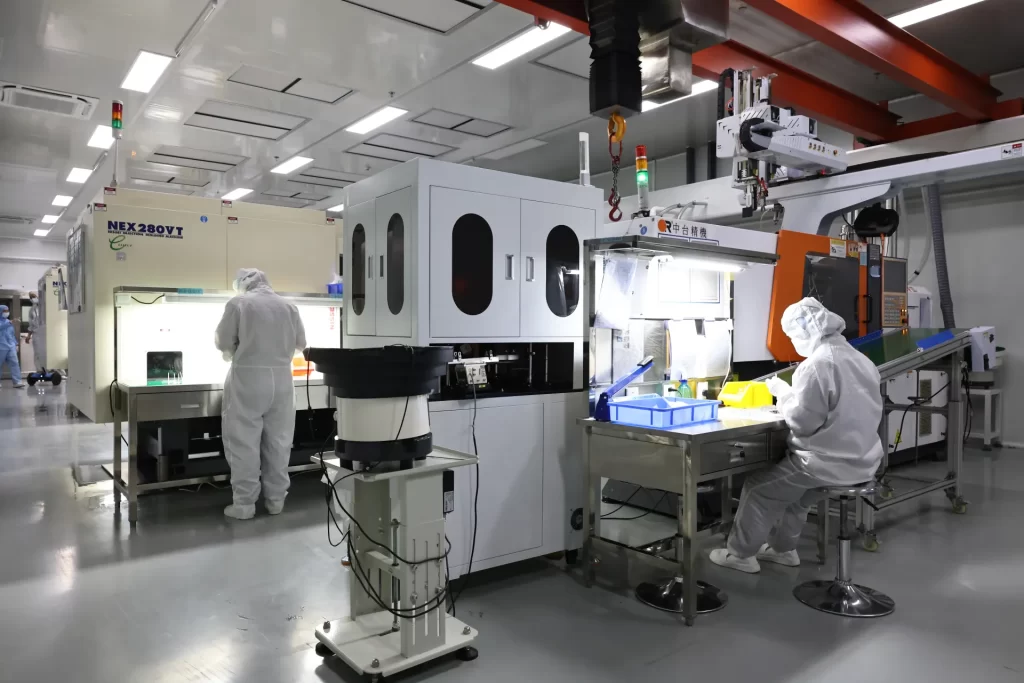
Based on its core business of precision dust-free injection molding and production of medical-grade plastic components, the company has established standardized clean production workshops that are tailored to the industry's urgent needs and have high adaptability. The core configurations are as follows:
Core main production line: ISO 7 (10,000-level) cleanroom: As the main production workshop, it is fully compatible with the dust-free molding processing of medical consumables injection molding, medical packaging materials, liquid silicone, medical equipment, etc. It strictly controls 0.5μm suspended particles in the air, maintains constant temperature and humidity, and has stable pressure difference. It can meet the high-standard acceptance requirements of most medical and electronic customers, and is also the mainstream compliant configuration for precise injection molding in the industry.
Contact Information:
Email: Yuliya.chen@yizemould.com
Telephone/WhatsApp: +86 13342659272
FAQ
Q1: What is the core difference between a Class 1000 cleanroom and a Class 10,000 cleanroom?
The core difference lies in the precision of particle control and the applicable scenarios. A Class 1000 (ISO7) cleanroom has a higher cleanliness level, with lower particle, impurity, and bacterial content, and is suitable for high-demand scenarios such as healthcare and precision electronics; a Class 10,000 (ISO8) cleanroom has a relatively looser standard and is mostly used for ordinary industrial clean production. In simple terms, the higher the precision and safety requirements of the product, the higher the cleanliness level required for the cleanroom.
Q2: Is a cleanroom just a "clean room", and can it be maintained simply by daily cleaning? No. The cleanliness of the cleanroom is not maintained through manual cleaning. Instead, it relies on the continuous operation of the HEPA high-efficiency filtration system, constant airflow, pressure difference control, and the purification process for personnel and materials. At the same time, standardized operation procedures and regular maintenance checks are required. Manual cleaning is only an auxiliary measure and cannot replace the purification capacity of the system.
Q3: Does the cleanroom need to operate 24 hours a day?
It is recommended to operate continuously under normal production conditions to avoid the accumulation of a large number of particles in the air after a shutdown. After restarting, it takes a long time to reach the standard for purification, which affects production efficiency and product quality. During non-production periods, a low-energy operation mode can be adjusted, which maintains the basic clean environment while reducing operating costs.
Q4: Can cleanrooms for different industries be used interchangeably?
No. Cleanrooms for the electronics industry focus on controlling dust and particles, with no strict aseptic requirements; while cleanrooms for medical and pharmaceutical industries need to control both particles and microorganisms, with stricter aseptic standards, pressure difference design, and disinfection processes. The purification standards, detection indicators, and operation specifications for different industries are different, and they cannot be directly used interchangeably.