

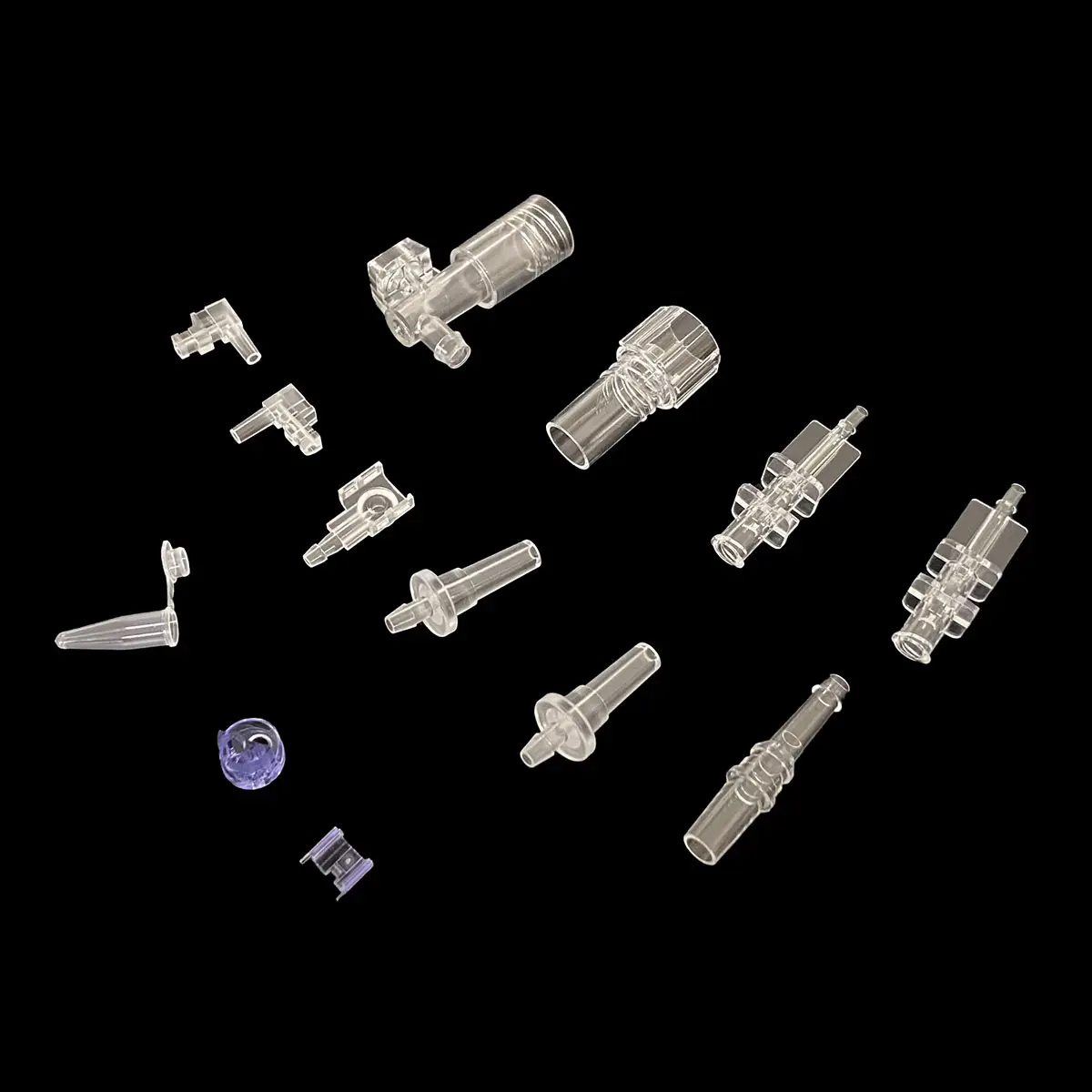
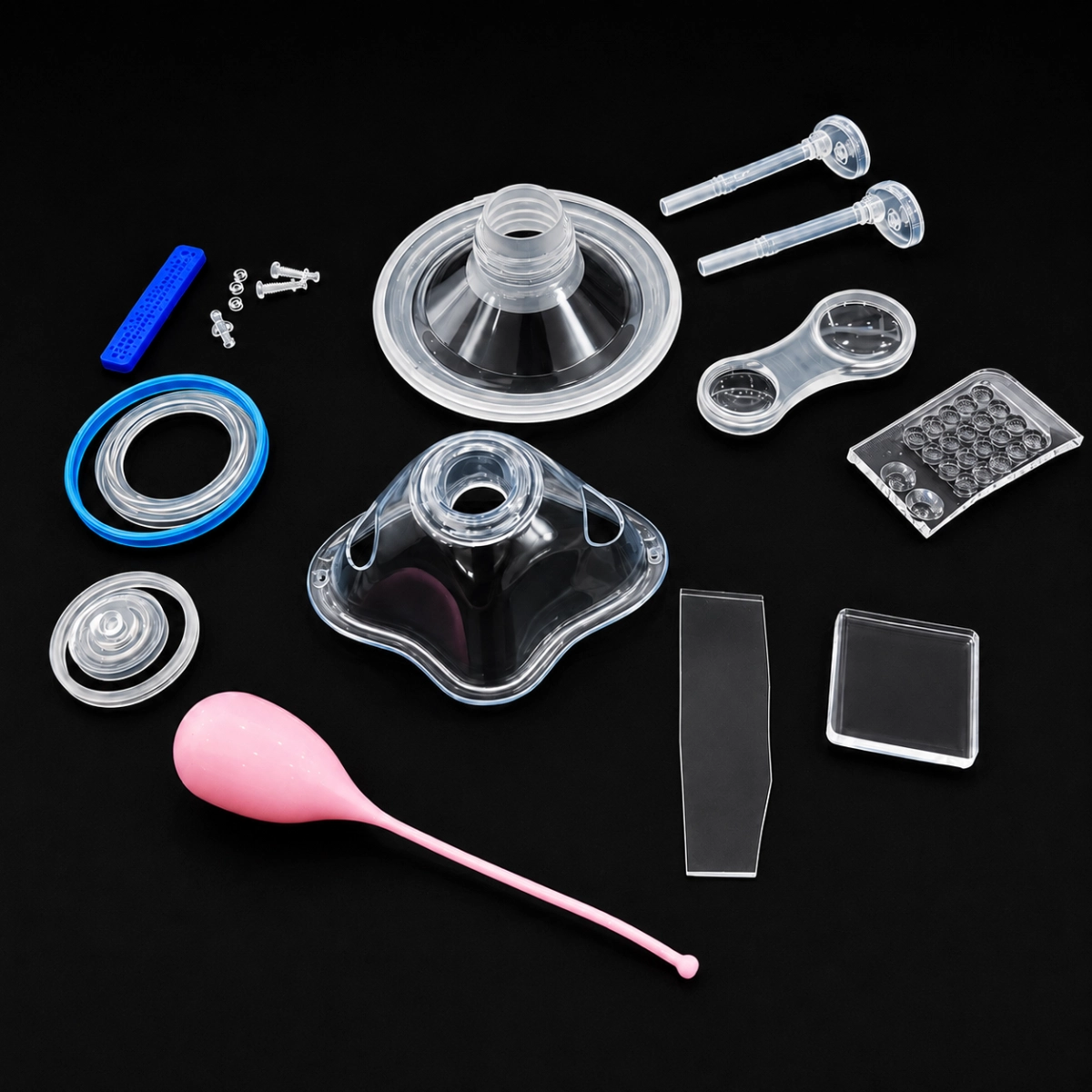
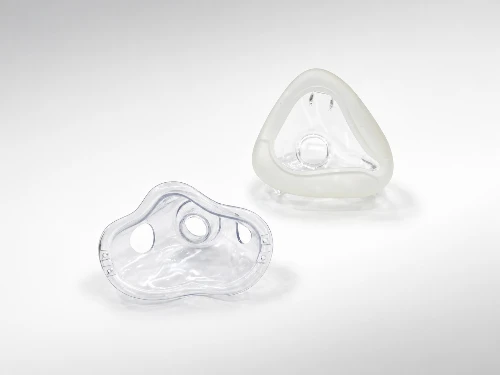
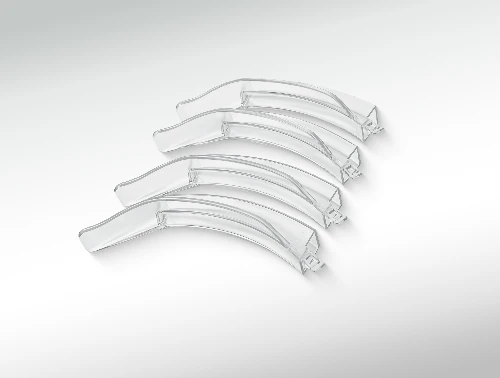


-

Micro LSR Seal Design: Flash Prevention Tips for Precision Molding
-
Advantages of Liquid Silicone Rubber (LSR): Why It Is Replacing Traditional Rubber and Plastics
-
LSR Injection Molding (Cold Runner) vs. Compression Molding LSR (Runnerless): Process & Selection Guide
-
Medical Injection Molding DFM Checklist & Design Guidelines
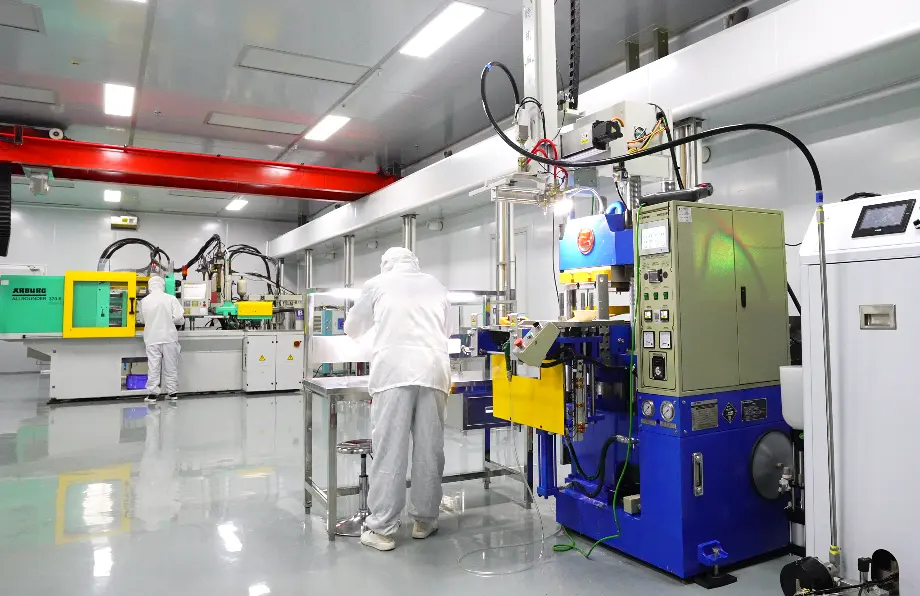
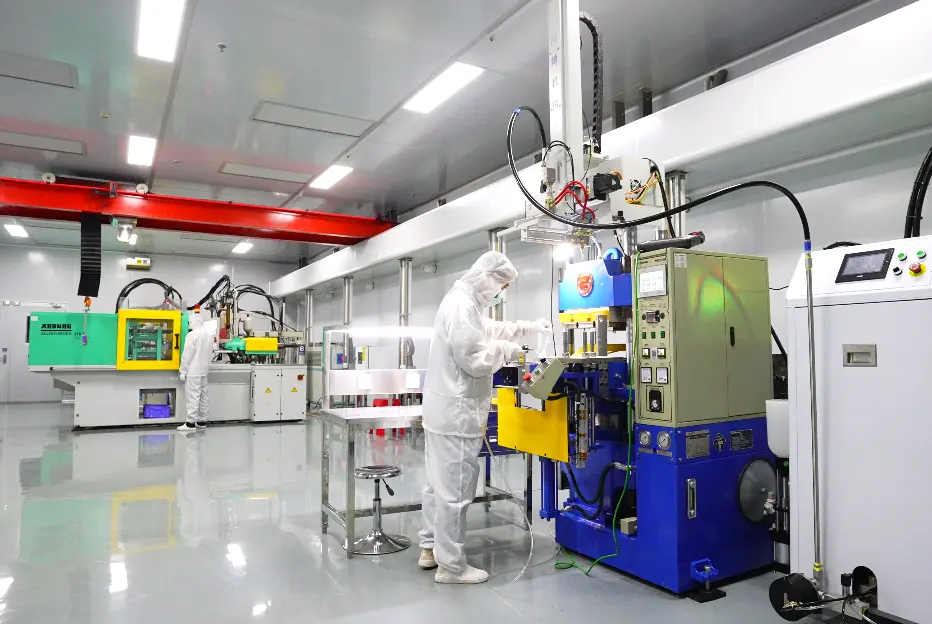
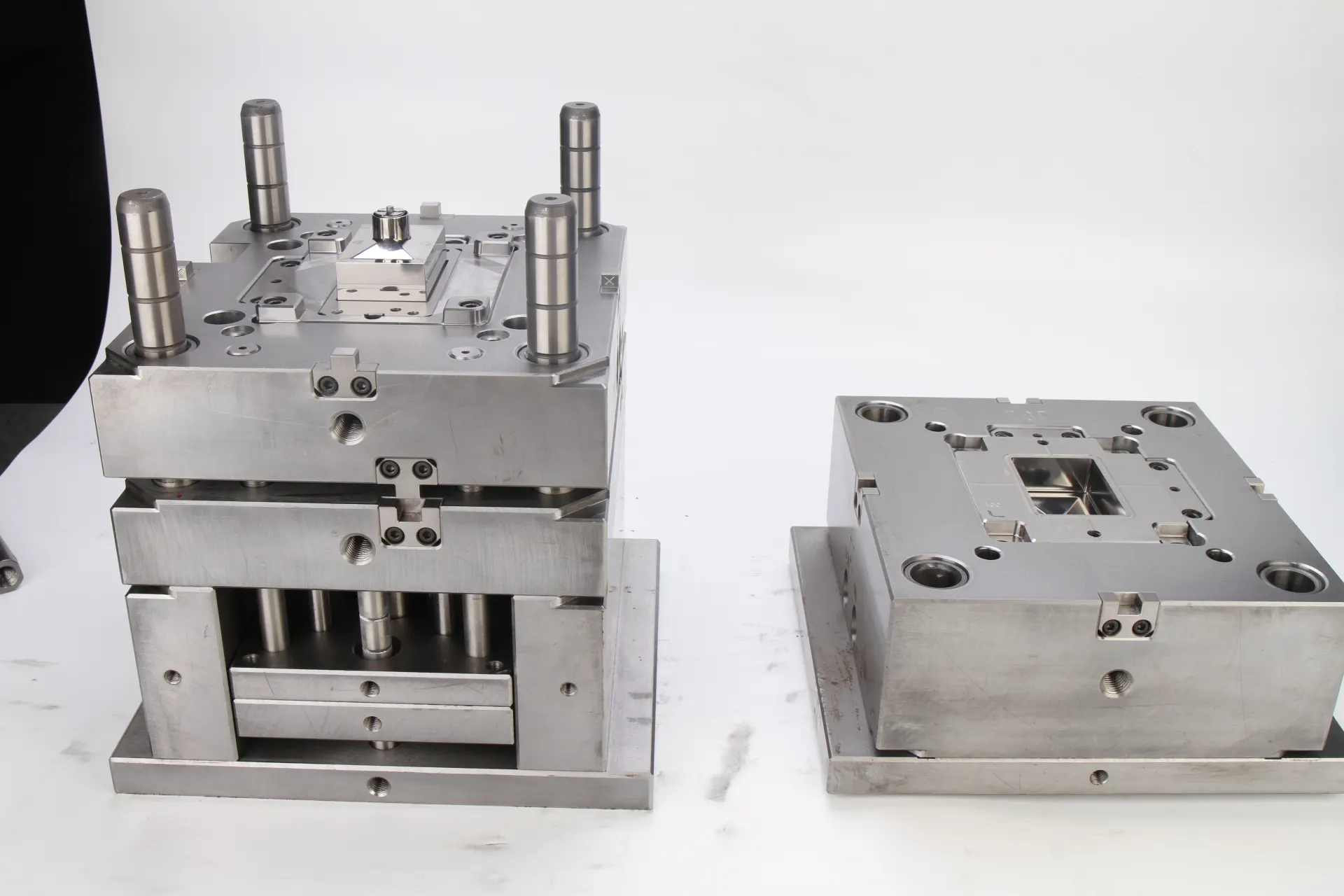
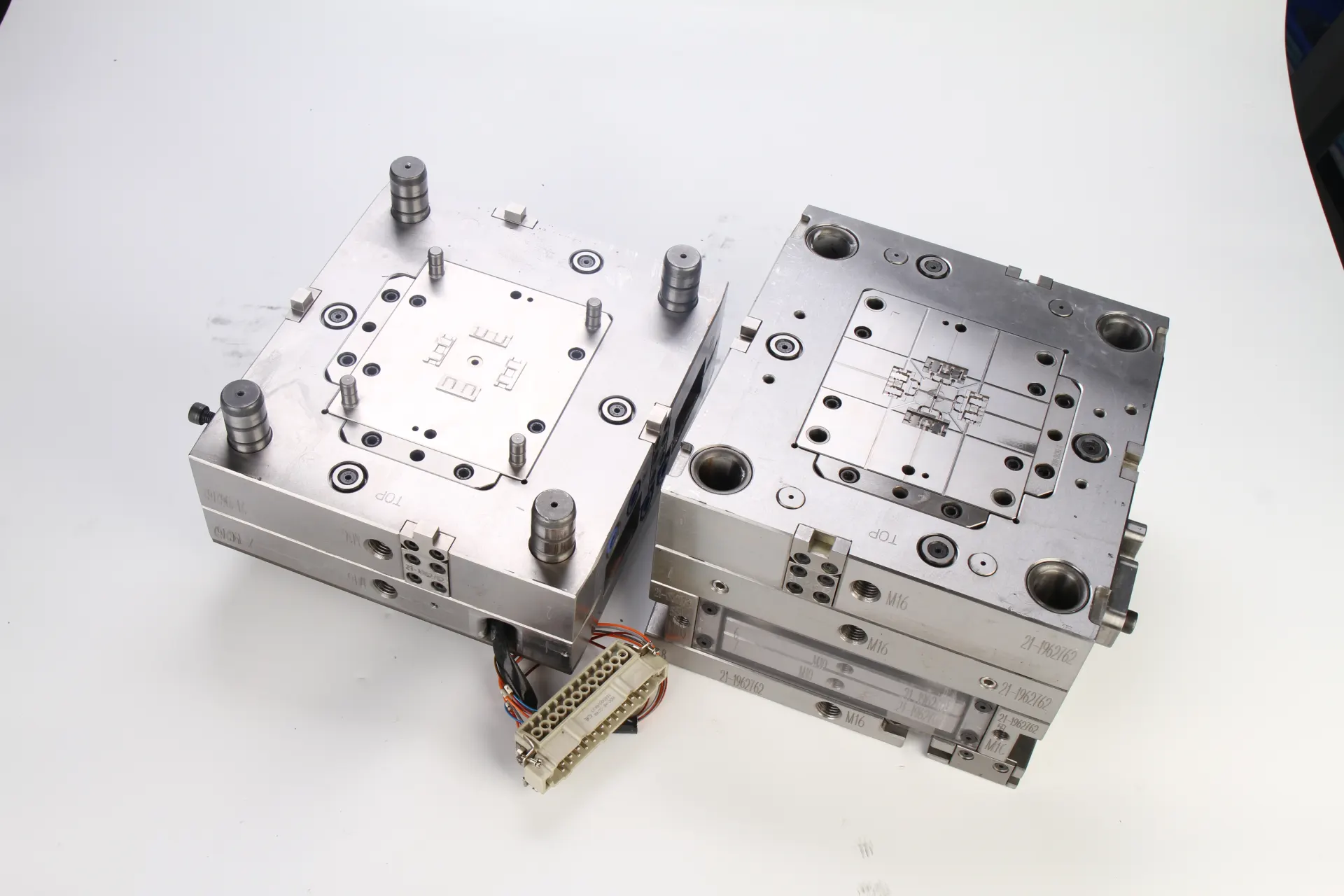
Medical mold injection molding Full-process
2026-06-26



复制成功
Buyer's pre-preparation → Supply-demand matching and finalization → Mold development → Sample finalization → Mass production delivery
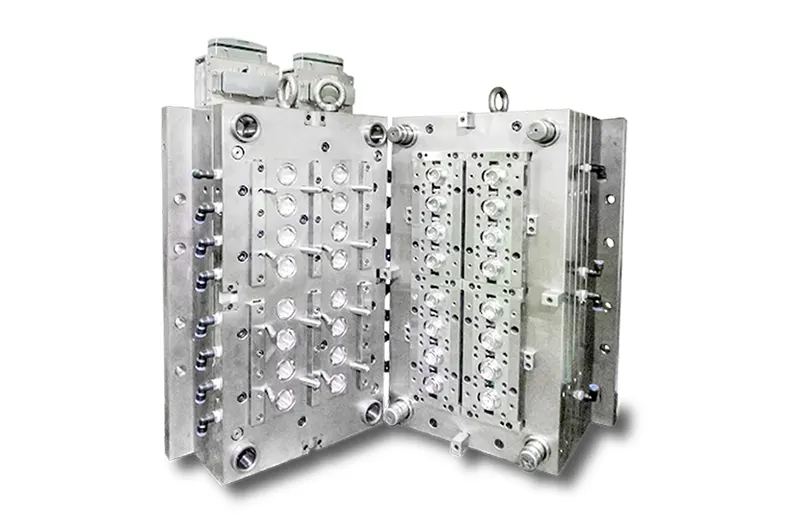
Phase 1: Preparation of Buyer Requirements
Core: Clearly define the product and compliance standards, prepare product information, select compliant suppliers, and complete the injection molding production of medical molds.
Buyer core actions
- Define product requirements: Determine the classification of medical devices, usage scenarios, sterile/biological compatibility and other core requirements, and lock in product materials, structure, function, and special process standards.
- Lock in raw materials and production requirements: Specify medical-grade materials, confirm production quantity, monthly demand and the overall quantity of the project, and delivery cycle.
- Define compliance quality inspection standards: Early determine the required qualification documents for ISO13485, cleanroom production, GMP quality inspection, third-party testing, etc.
- Compile technical materials: Output 3D drawings, inspection specifications, the structure of complex products, technical difficulties, assessment of budget and project cycle.
- Select and connect with suppliers: Prioritize choosing manufacturers with medical clean workshops, formal medical production qualifications, mature production experience, ISO13485 manufacturers, specializing in medical mold injection molding, initiating RFQ formal inquiries, and connecting with technical, quality assurance, and after-sales details.
Phase Two: Supply and Demand Matching and Project Scheduling
Core: The supplier conducts technical assessment and provides quotations. Both parties confirm the plan and sign the project agreement.
I. Work to be done by the manufacturer
- DFM feasibility review: Review 3D drawings, identify molding risks, propose an optimized OEM solution, and avoid common problems in medical product production.
- Customized mold solution: Determine the mold steel, cavity number, injection, cooling, and conduct mold flow analysis as per the precision and mass production requirements to optimize the mold manufacturing plan.
- Detailed quotation and schedule: The manufacturer provides specific costs for molds, trial molding, production, testing, packaging, etc., and clearly defines the mold warranty, repair policy, and the delivery time for each item of the project.
- Technical alignment confirmation: Both technical parties discuss and determine the specific matters of the product to ensure the smooth progress of the project.
II. Work to be done by the buyer - Review the DFM/OEM report, mold solution, and project schedule, and provide written confirmation of the optimized solution.
- Finalize the price, payment method, delivery period, and after-sales terms.
- Sign the mold contract, confidentiality agreement, quality agreement, and pay the first installment. The project is officially launched.
Phase Three: Mold Development
Core: The manufacturer completes the production of medical molds, while the buyer supervises and follows up.
I. Core Actions of the Manufacturer
- Complete the 3D design of the complete set of molds to meet the requirements of high-precision and sterile medical components for medical products.
- Purchase medical-grade mold steel, perform heat treatment, and then carry out high-precision processing, assembly, and mold alignment and verification.
- Purchase compliant accessories to complete the mold debugging to ensure smooth opening and closing and no hidden dirt corners.
- Purchase original medical raw materials, verify the qualifications, and perform drying and dehumidification pre-treatment to lock the source batch of the raw materials for traceability.
- Formulate standardized process documents for injection molding parameters.
II. Core Actions of the Buyer - Regularly follow up on the injection molding progress of the medical molds and keep a dedicated person in contact for follow-up at all times.
- Promptly confirm the manufacturer's issues and adjustment plans.
Phase 4: Mold Testing and Sample Verification
Core: Prototype testing, rectification and optimization, and determination of mass production standards.
I. Core actions of the manufacturer
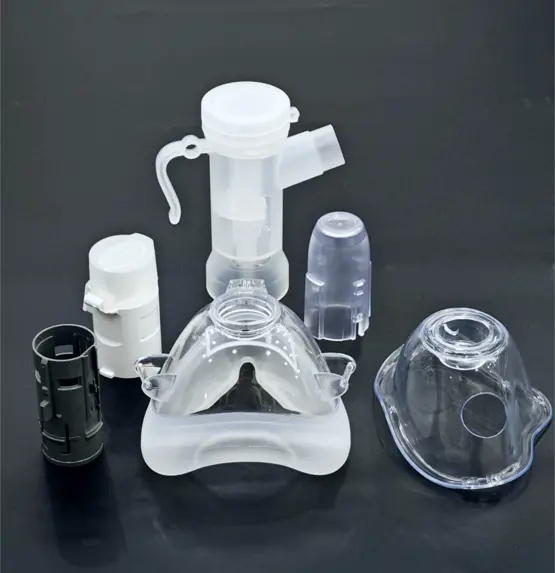
- Produce medical-grade molds, conduct prototype injection molding using the same medical raw materials as for mass production, record all process parameters, and produce samples.
- The manufacturer checks the appearance, dimensions, and assembly, and investigates molding defects.
- Issue the first article inspection report, send samples and supporting materials.
- Rectify the defective issues, retest, until the samples are qualified, ensuring the molds and process parameters.
II. Core actions of the buyer - Comprehensive verification of samples: appearance, dimensions, assembly, function, high-end medical components. Function experiments. Supplement their own sterilization and biocompatibility tests.
- Issue sample confirmation and finalization letters for qualified samples; for unqualified samples, clearly identify the problem points and provide feedback for rectification.
- Complete the approval process, officially lock the mass production process, quality inspection, and packaging standards.
Phase 5: Mass Production and Delivery
Core: Mass production of medical products in compliant clean rooms, full process quality control, acceptance verification, and completion of delivery.
I. Core Actions of the Manufacturer
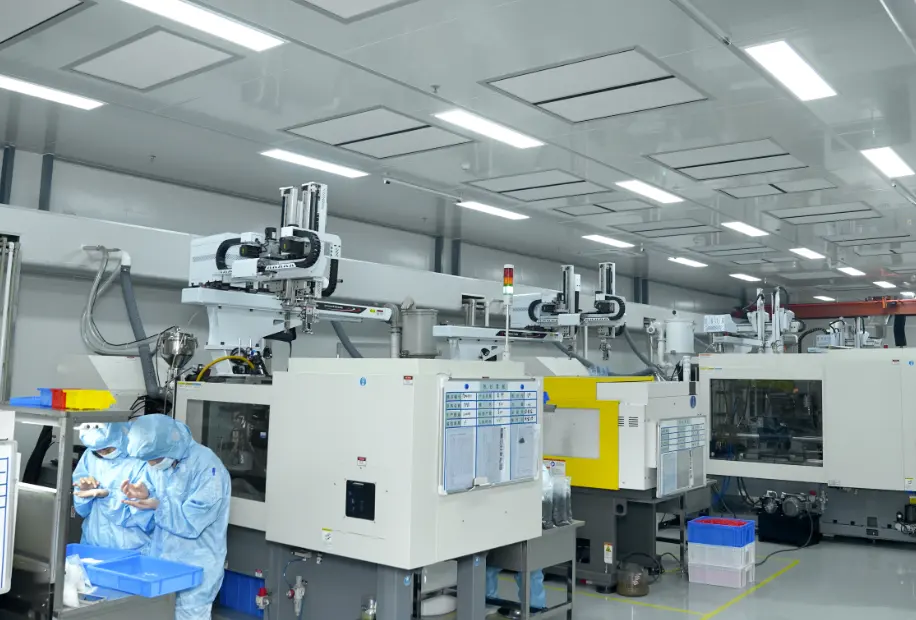
- Medical mold injection requires strictly following aseptic production in a clean room with 10,000-level or 100,000-level cleanliness. Automated picking reduces manual contamination.
- Follow the standard mass production process. First-piece inspection is mandatory, and regular inspections are conducted at fixed intervals. All production data can be traced.
- Full inspection of precision parts, regular batch sampling, eliminating defective products, and retaining quality inspection records.
- Complete dust-free cleaning, sterilization, and aseptic packaging as needed.
- Medical-grade compliant packaging, marking traceability information, and accompanying a complete set of compliant, testing, and traceability materials with the goods.
II. Core Actions of the Buyer - Verify the quantity, packaging, and batch of the medical products upon arrival, conduct sampling re-inspection, test the performance of the medical products, and conduct acceptance.
- After acceptance is qualified, complete the inventory reconciliation and pay the remaining payment according to the contract.
- If there is any quality anomaly, report it within 24 hours and contact the after-sales service.
Phase 6: After-sales Maintenance and Service
Key points of the stage: Long-term maintenance of molds, stable supply.
- During the contract period, provide free maintenance, servicing, and replacement of parts to ensure stable mass production.
- For non-human error-related issues, provide free re-production, returns, and exchanges, and implement closed-loop rectification.
- Give priority to long-term production scheduling, and keep a complete set of project materials on file to support traceability verification.
Buyer's core actions: - Synchronize monthly and quarterly production capacity requirements in advance, and conduct regular reconciliation and acceptance.
- Timely report product usage issues and collaborate to optimize process yield.
Contact Information:
Email: Yuliya.chen@yizemould.com
Telephone/WhatsApp: +86 13342659272
FAQ Q&A
Q1: What is the main difference between medical mold injection molding and ordinary injection molding?
A: The core difference lies in compliance and safety. Medical injection molding must use traceable medical-grade raw materials, be produced in a clean workshop, keep production and inspection records throughout the process, meet the requirements of ISO13485 system, eliminate the risks of contamination and leaching, and comply with medical safety standards.
Q2: After the medical product is molded, what core processes need to be completed to confirm that it is finalized?
A: The manufacturer needs to conduct self-inspection of the trial mold, issue the FAI first-piece report, and conduct comprehensive performance and compliance verification with the customer. After rectifying the problems and passing the retest, both parties confirm the sample standard, complete the PPAP approval, lock the mold structure and production process, and then it can be finalized for mass production.
Q3: How to handle quality issues after the medical injection molding is delivered in batches?
A: If the customer reports an anomaly within 24 hours, the manufacturer will check the production batch, process, and quality control traceability data. If it is not an issue caused by human error, it can be returned or replaced for free, and the process or mold problem can be closed-looply rectified to ensure the yield and quality stability of subsequent batches of products.