



-

Micro LSR Seal Design: Flash Prevention Tips for Precision Molding
-
Advantages of Liquid Silicone Rubber (LSR): Why It Is Replacing Traditional Rubber and Plastics
-
LSR Injection Molding (Cold Runner) vs. Compression Molding LSR (Runnerless): Process & Selection Guide
-
Medical Injection Molding DFM Checklist & Design Guidelines
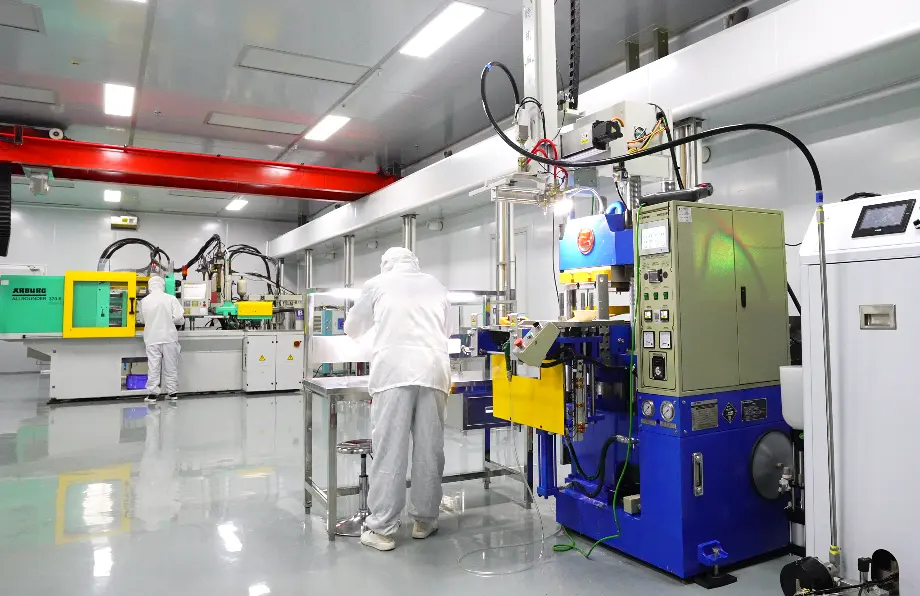
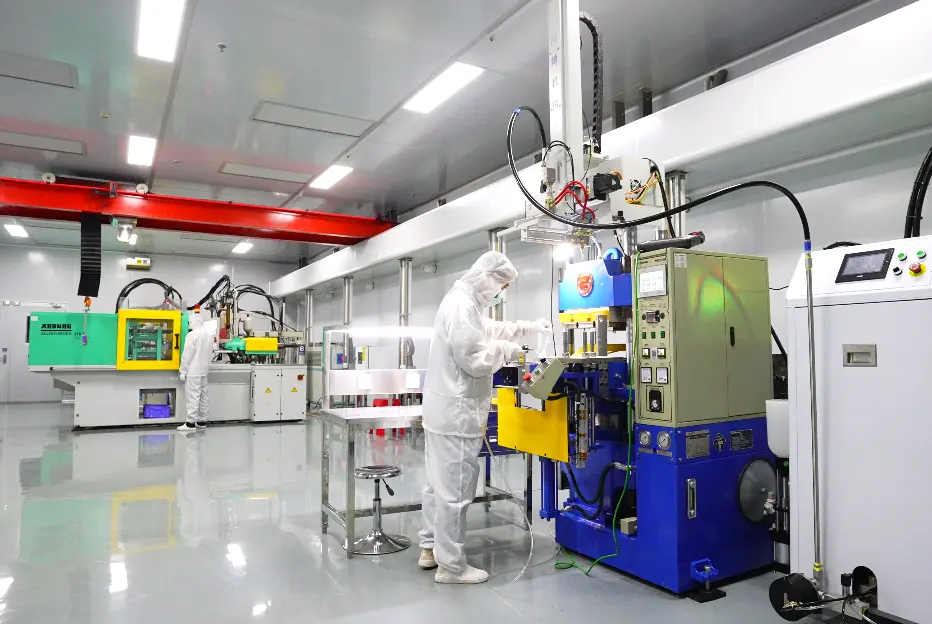
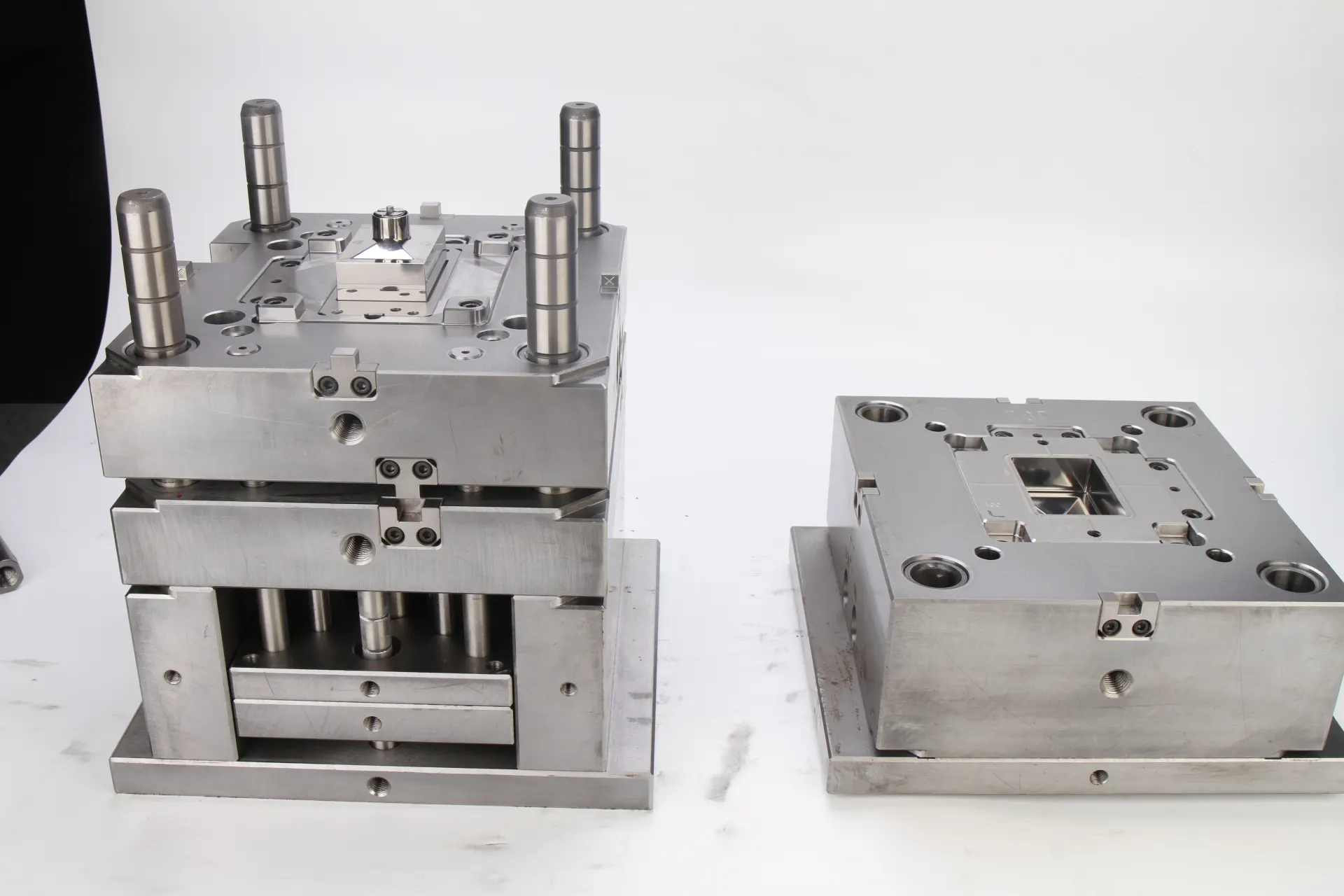
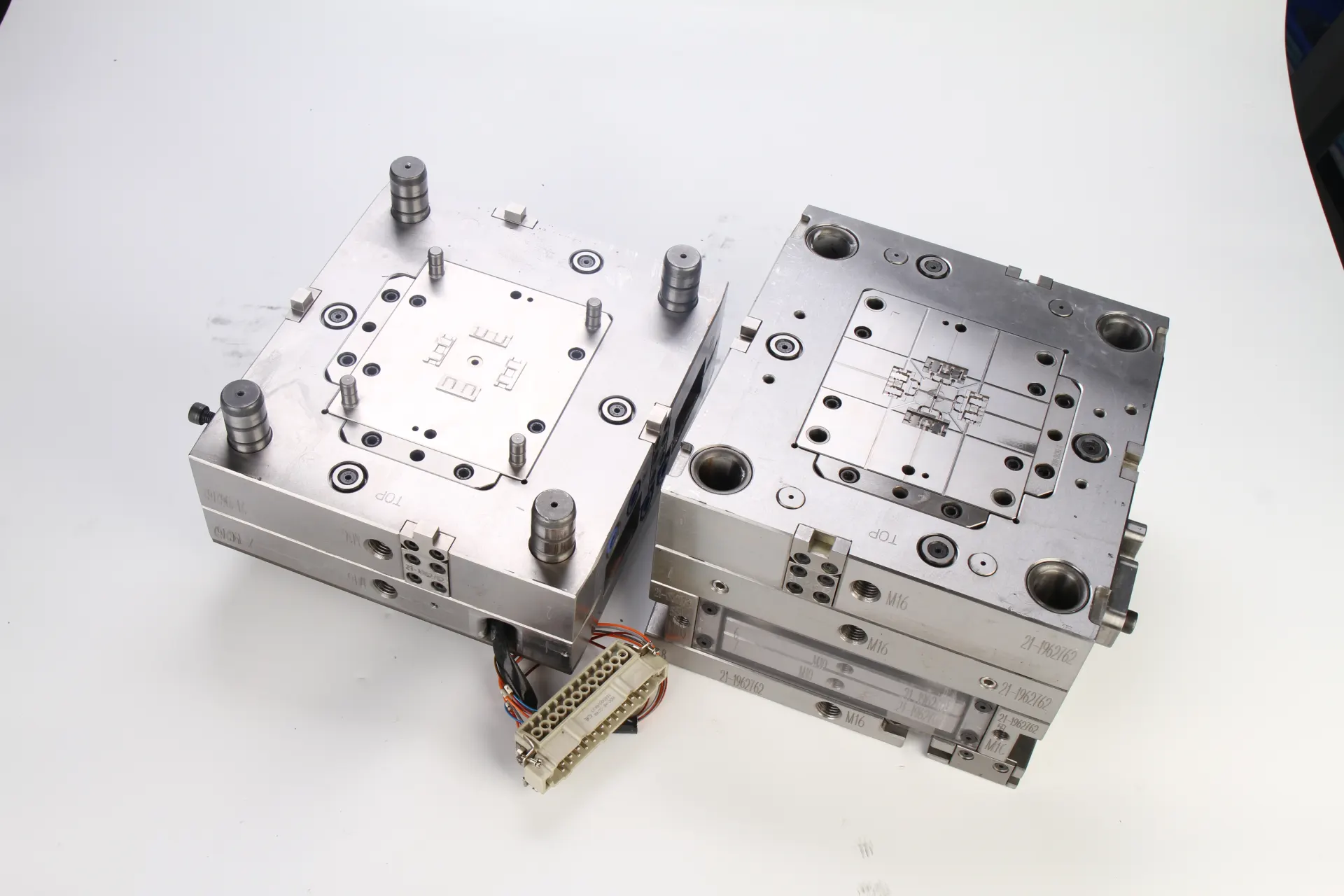
Cleanroom PEEK & PC Injection Molding
2026-08-12




复制成功
In the fields of implantable devices, minimally invasive surgical instruments, and high-precision diagnostic equipment,Polyetheretherketone (PEEK) and Polycarbonate (PC) are two of the most representative medical-grade polymers.
However, medical terminal applications demand extremely tight dimensional tolerances (often reaching ±0.01 mm or even micron levels) and rigorous contamination control. Combined with the high cost of medical-grade PEEK raw material (up to several thousand RMB per kilogram), mold trial and scrap costs are exceptionally high.
Executing high-precision injection molding within an ISO Class 7/8 cleanroom environment requires not only addressing environmental particulate contamination but also overcoming challenges such as mold thermal expansion, flow anisotropy, and shrinkage compensation under extremely high processing temperatures.
1. Overview
Molding medical-grade PEEK and PC in ISO Class 7/8 cleanrooms requires strict contamination control and precise shrinkage compensation to achieve tight tolerances up to ±0.01 mm.
2. Key Material Comparison
| Parameter | Medical PEEK (Semi-Crystalline) | Medical PC (Amorphous) |
| Structure | Crystalline (30%–35%) | Amorphous |
| Melt / Mold Temp | 360–400°C/ 160–200°C | 280–320°C/ 80–120°C |
| Linear Shrinkage | 1.2%–1.5% (Anisotropic) | 0.5%–0.7% (Isotropic) |
| Shrinkage Cause | Volumetric crystallization | Thermal contraction & relaxation |
| Main Challenge | Warpage, high mold temp, viscosity | Residual stress, moisture control |
3. Cleanroom Processing Requirements
Electric Machines: Use all-electric injection molding machines (IMM) to eliminate oil contamination risk and maintain clamping precision (±0.01 mm).
Thermal Insulation: Install mold insulation plates to contain heat from PEEK molds (160–200°C) and protect cleanroom laminar airflow.
Venting: Keep mold venting depth within 0.005–0.01 mm to prevent outgassing burns without causing flash.
4. Shrinkage & Mold Control Strategies
Anisotropic Shrinkage Compensation: PEEK contracts more perpendicular to flow than parallel (S⊥ ≈ (1.15 ~ 1.30) × S∥). Apply non-uniform 3D scaling (Sx ≠ Sy ≠ Sz) in CAD based on Moldflow analysis.
Packing & Gate Design: Use multi-stage packing profiles to compensate for solidifying material. Optimize gate dimensions to control freeze-off timing.
Conformal Cooling: Implement 3D-printed (SLM) conformal cooling channels to maintain uniform mold temperature ( ±1°Cacross the cavity).
5. Post-Processing: PEEK Annealing
To relieve internal stress and reach maximum crystallinity:
Ramp Up: Heat at 10°C/h – 20°C/h to 190°C – 200°C (above Tg).
Soak: Hold for 1 hour per 1 mm of wall thickness.
Cool Down: Cool slowly at < 10°C/h down to below 120°C.
Note: Annealing introduces an extra 0.1%–0.3% secondary shrinkage; factor this into initial mold dimensions.
6. Summary
Precision cleanroom molding of PC relies on low-stress filling, while PEEK requires uniform high mold
temperatures, anisotropic CAD compensation, and controlled post-annealing.
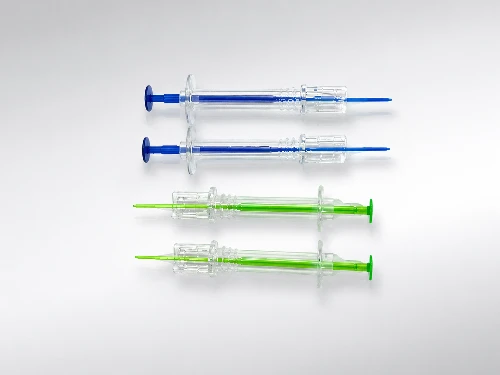
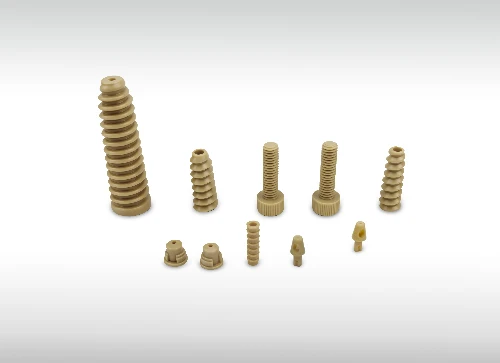
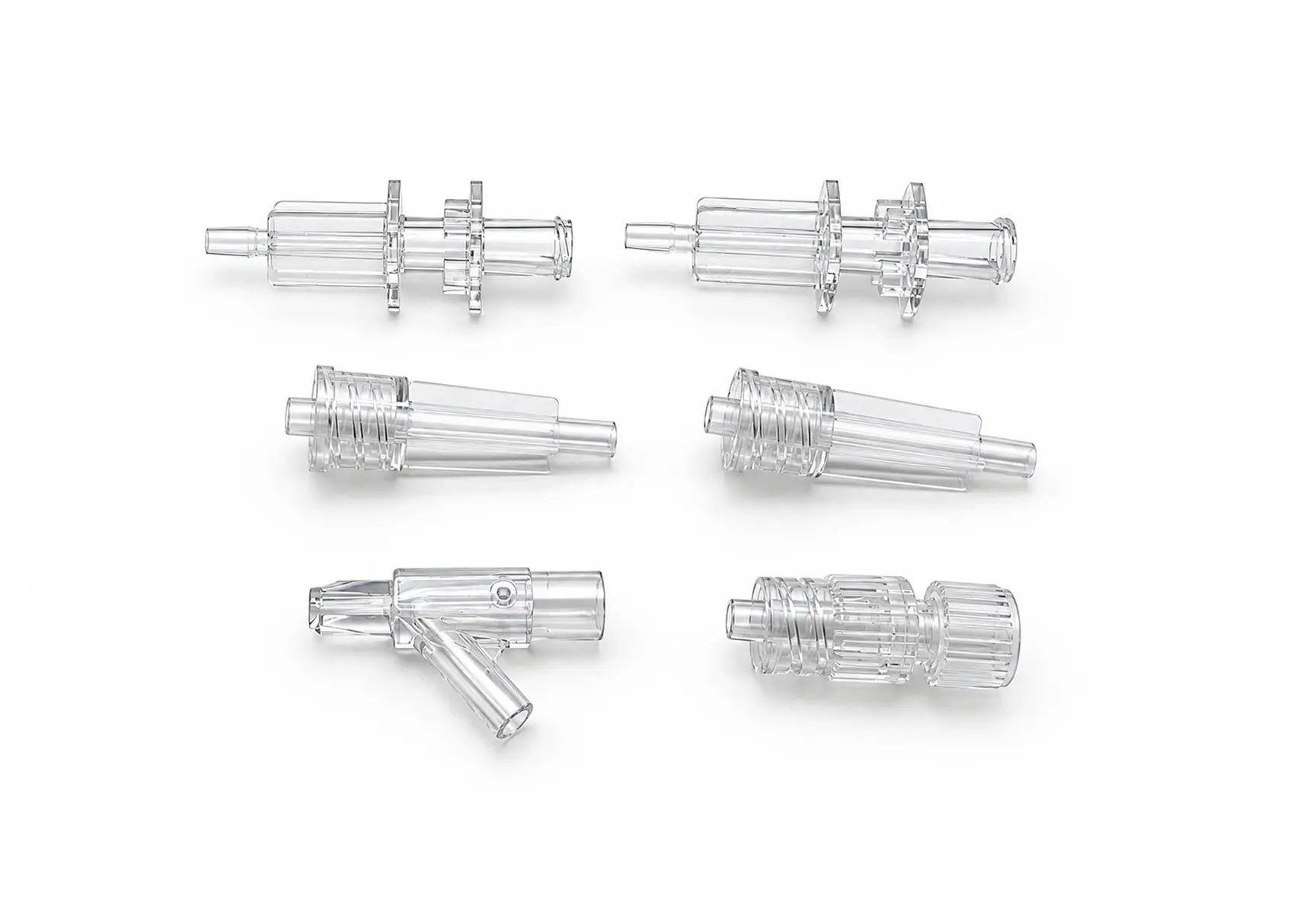
We offer PEEK and PC mold injection molding services. For more information, please refer to our case studies.