



-

Micro LSR Seal Design: Flash Prevention Tips for Precision Molding
-
Advantages of Liquid Silicone Rubber (LSR): Why It Is Replacing Traditional Rubber and Plastics
-
LSR Injection Molding (Cold Runner) vs. Compression Molding LSR (Runnerless): Process & Selection Guide
-
Medical Injection Molding DFM Checklist & Design Guidelines
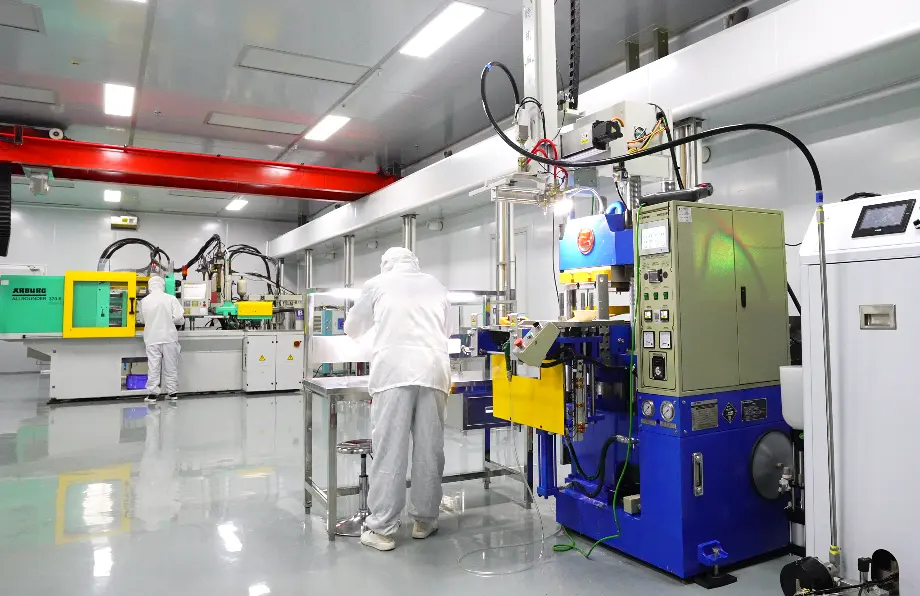
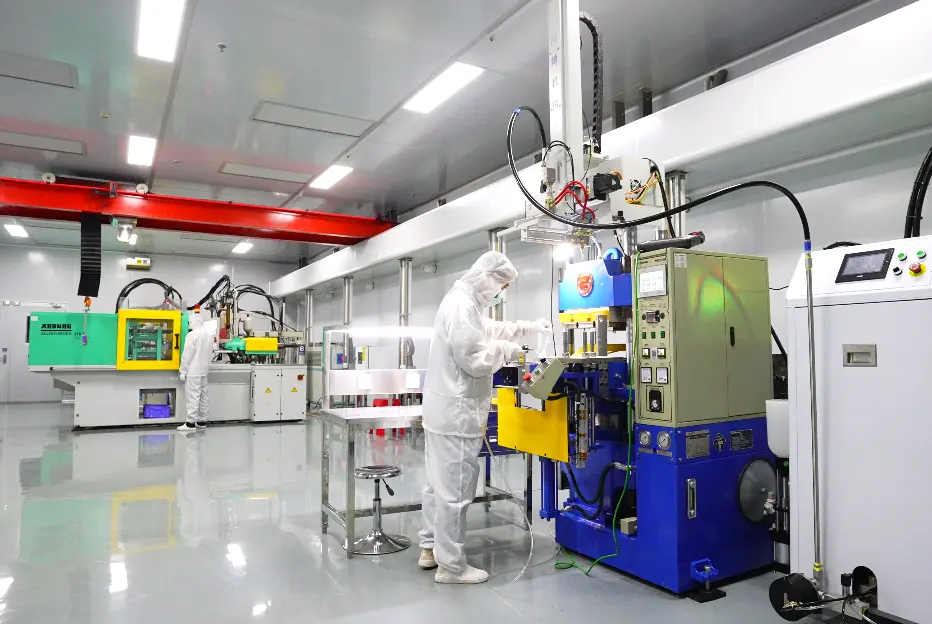
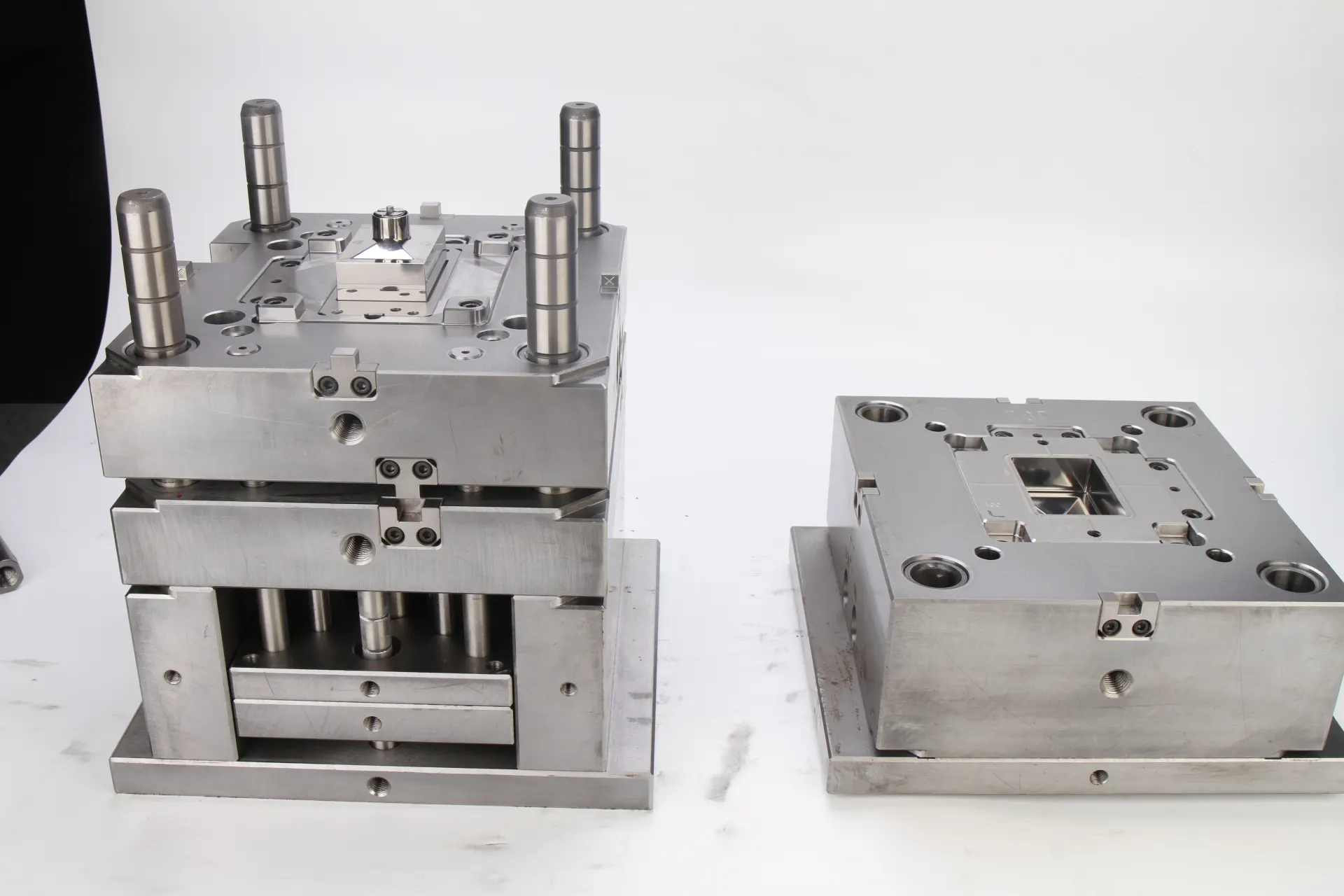
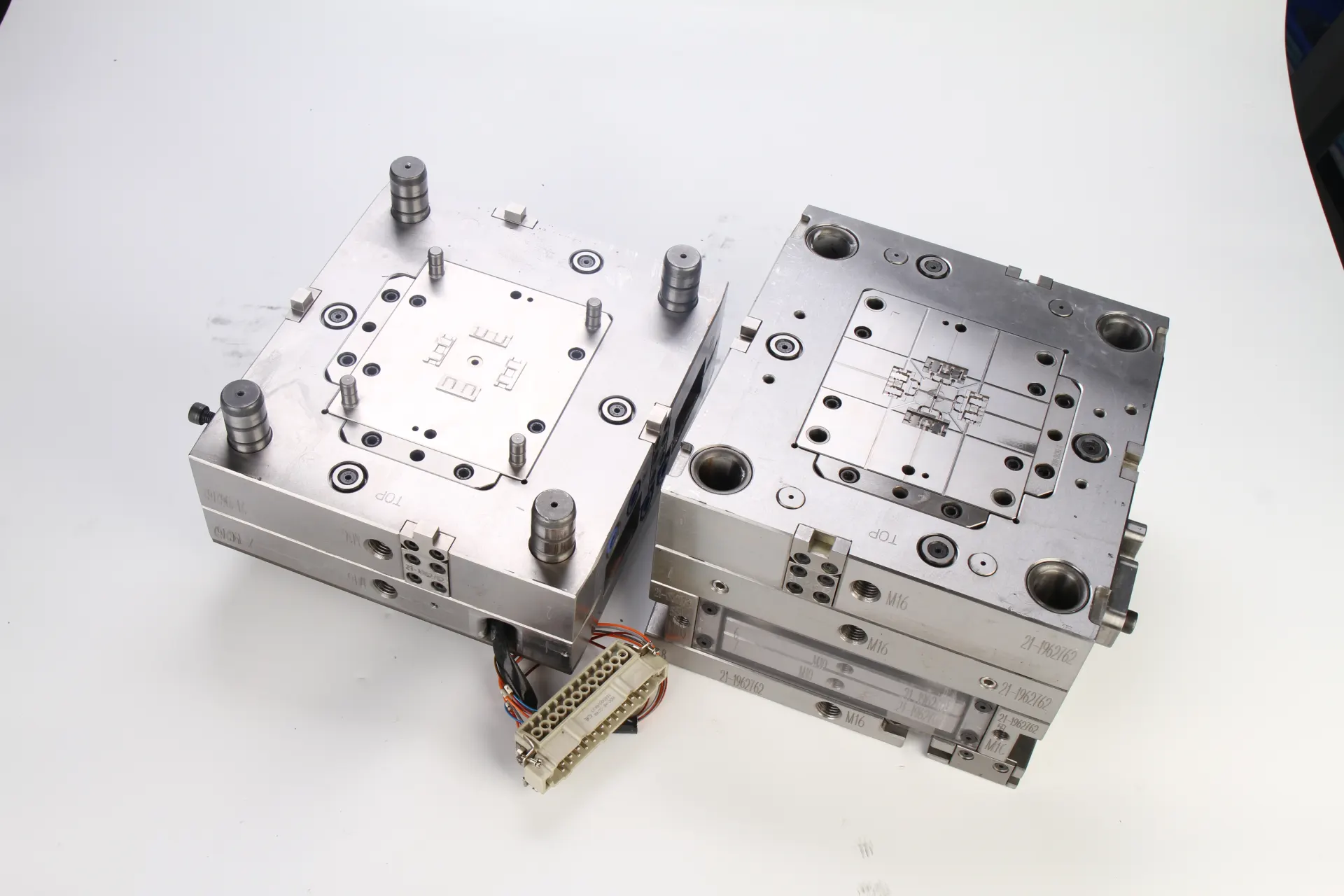
Why Medical and Optical Components Must Use Cleanroom Injection Molding
2026-08-10




复制成功
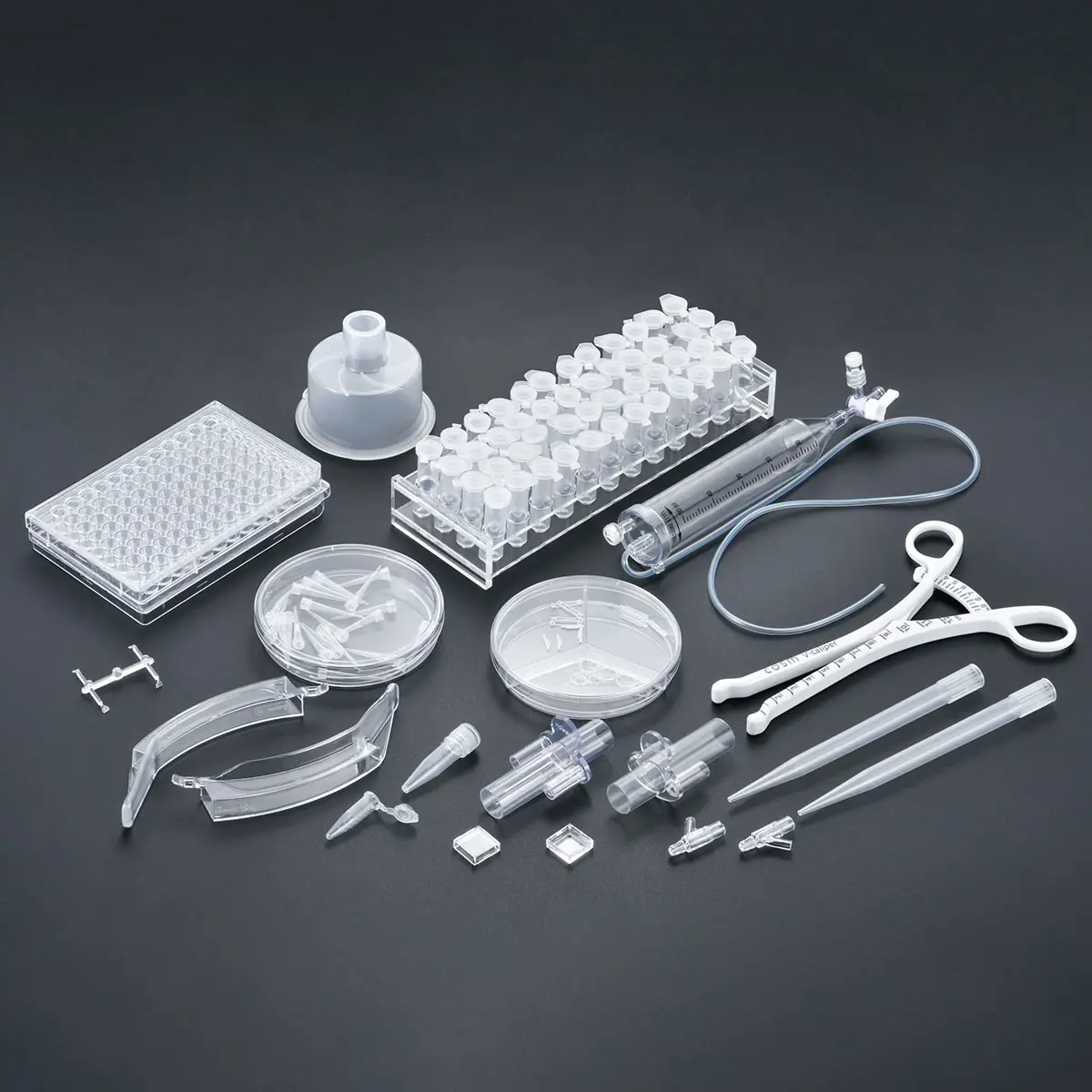
The fundamental reason why medical and optical components must utilize cleanroom injection molding lies in the extremely stringent requirements these two product categories demand regarding particulate contamination, bioburden control, and environmental stability.
Airborne dust, oil mist, microorganisms, and even static electricity present in standard injection molding environments can embed in or adhere to part surfaces during plastic melting, mold filling, or cooling crystallization. This can directly trigger medical safety incidents or lead to a complete failure of optical functionality.
1. Mandatory Medical Requirements: Biosecurity and Human Risk Control
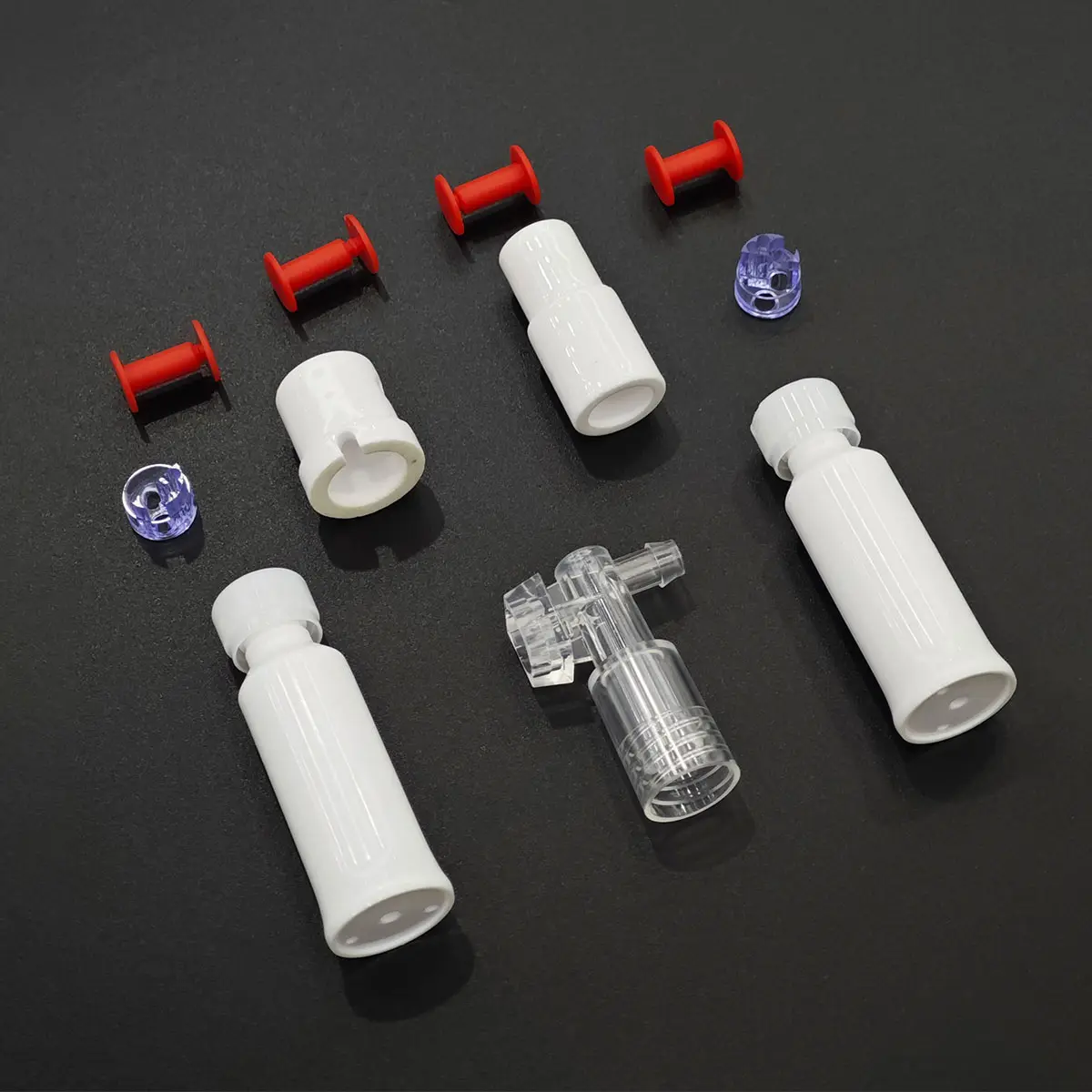
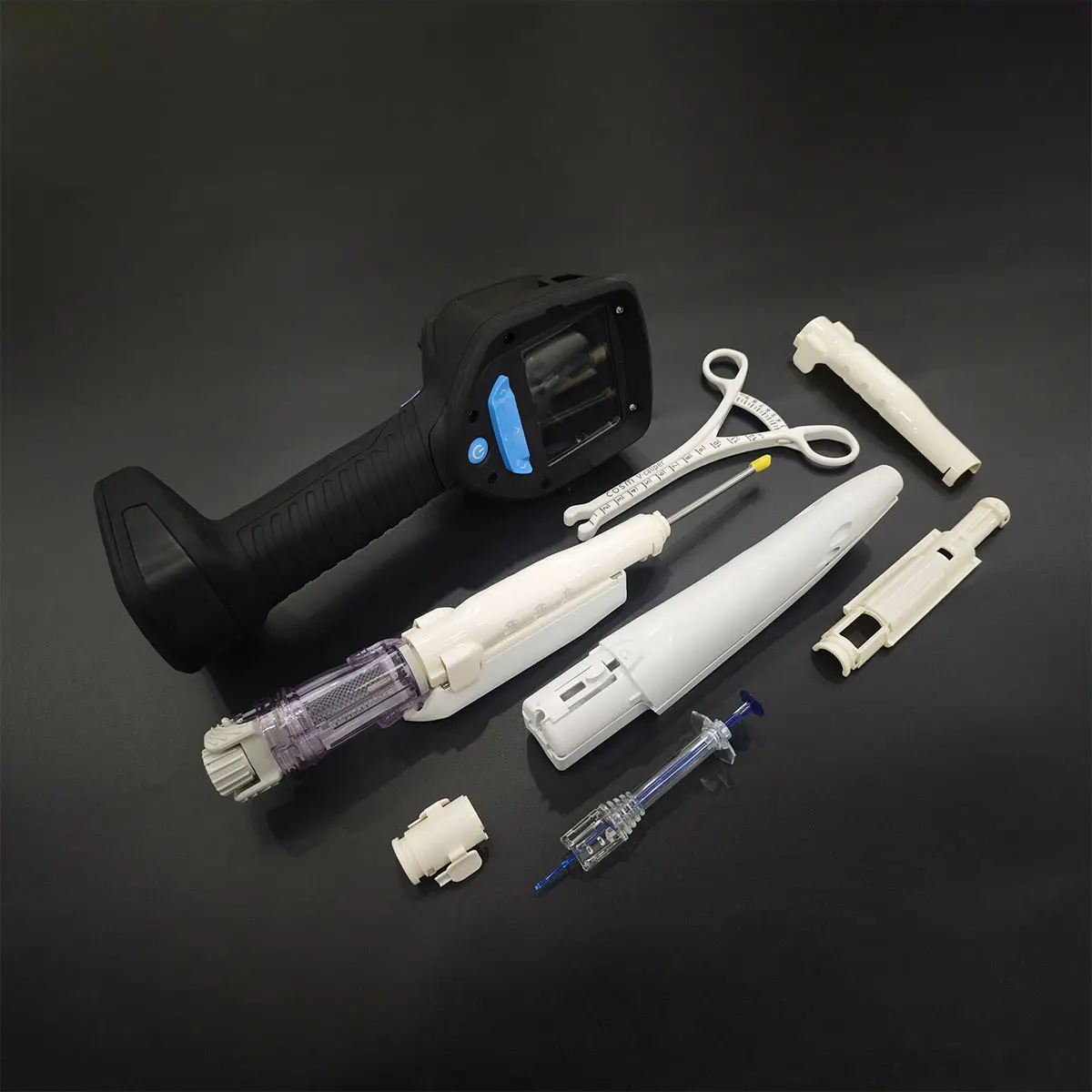
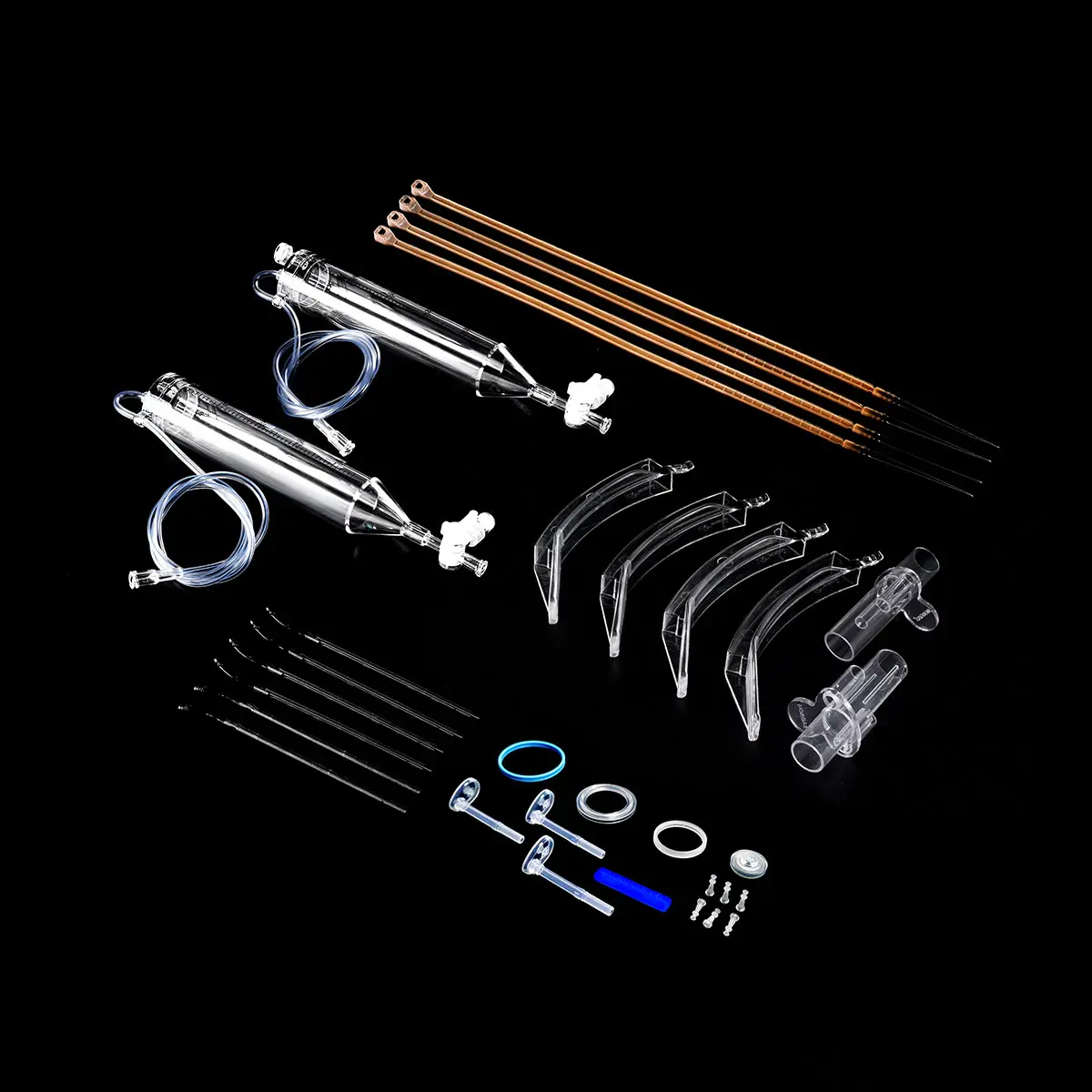
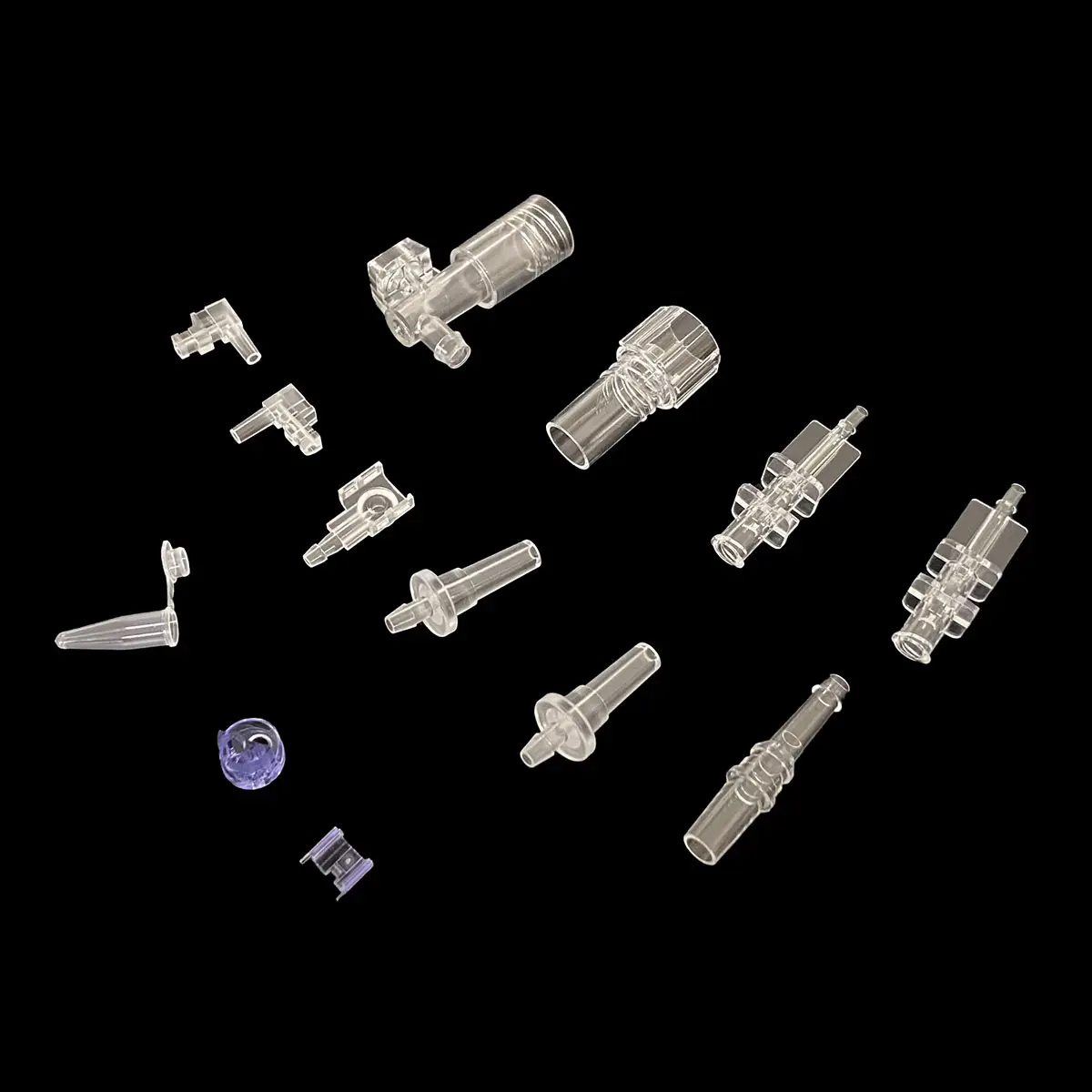
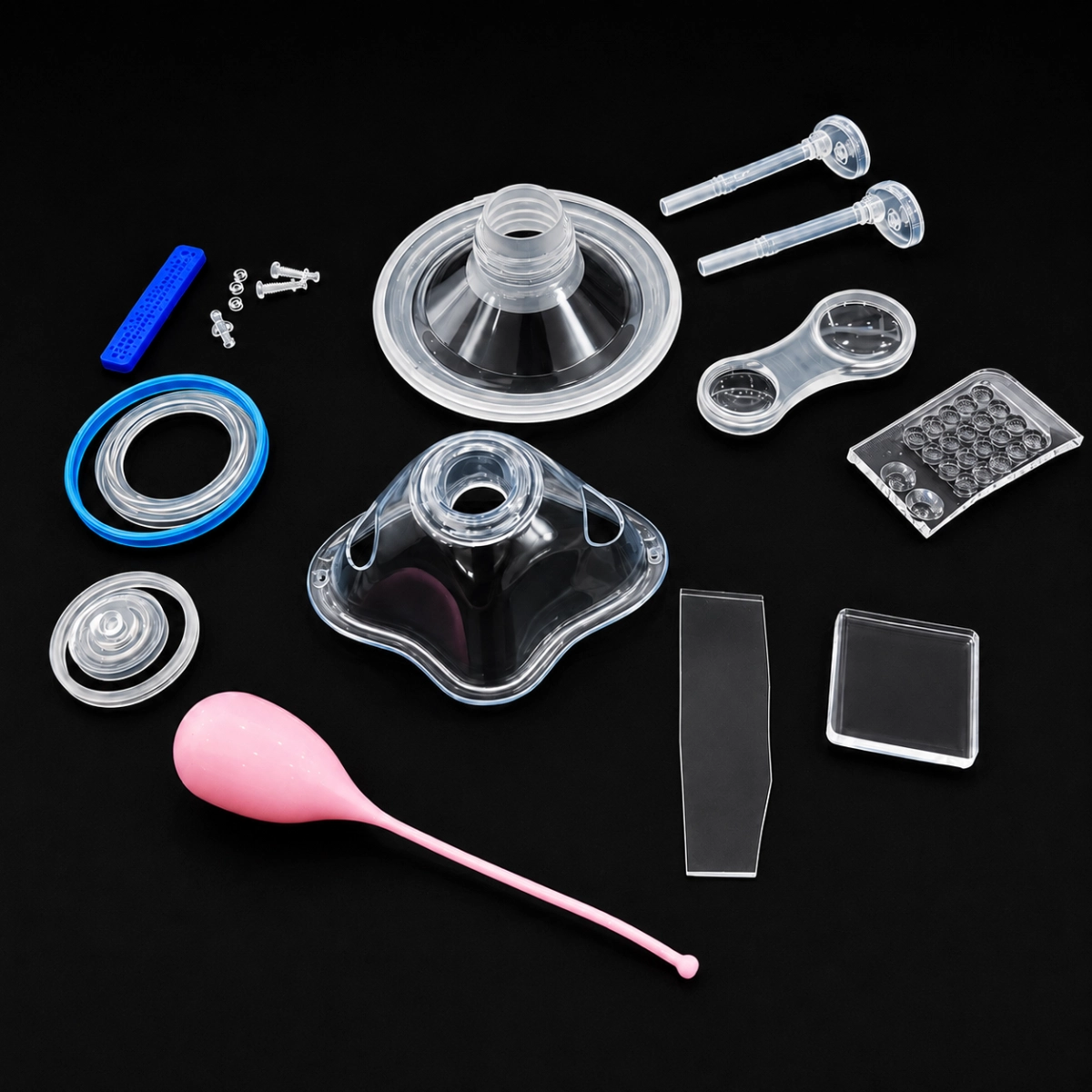
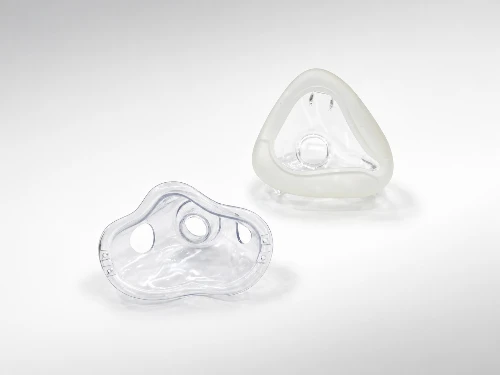
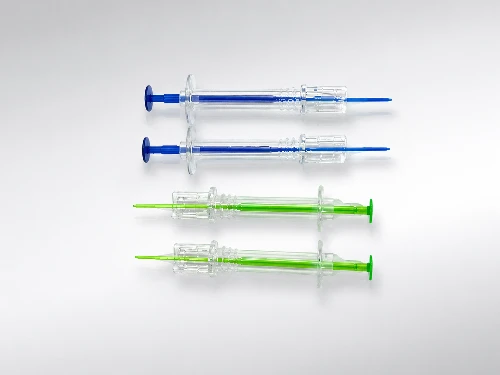
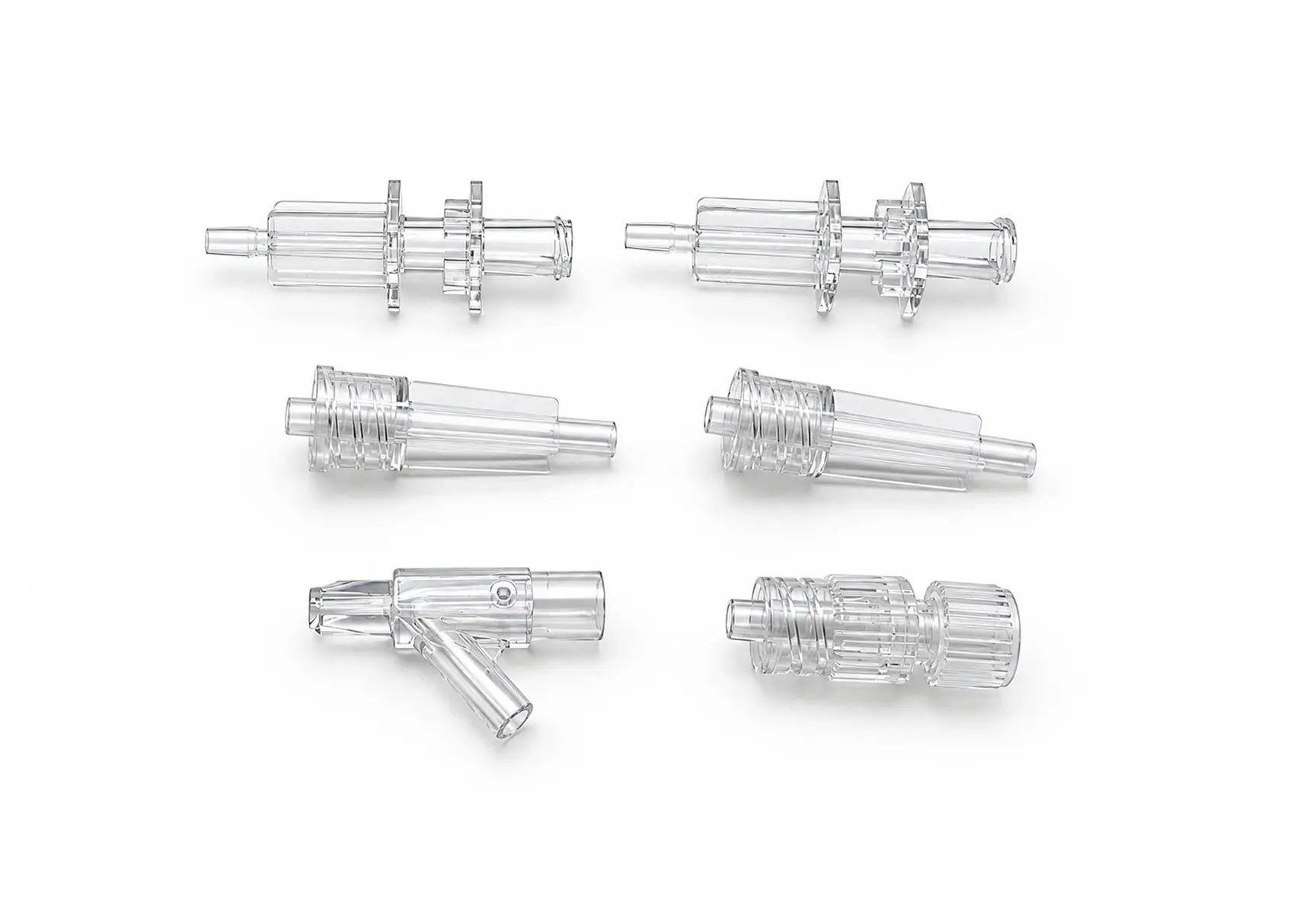
In the manufacturing of medical devices (such as syringes, IV fluid components, microfluidic chips, implants, and ventilator accessories), airborne particulates and microorganisms are lethal sources of contamination:
Preventing Microbial and Endotoxin Contamination (Bioburden Control): If medical molded parts carry bacteria, fungi, or bacterial endotoxins, they can cause severe pyrogenic reactions, sepsis, or tissue rejection upon entering the human body. Cleanrooms (typically ISO Class 7 or ISO Class 8) utilize positive pressure and HEPA filtration to block microbial transmission pathways.
Avoiding Thrombosis and Microvascular Occlusion: For components used in blood contact or drug delivery, if sub-micron or micron-sized airborne dust becomes trapped during molding, these particles can detach into the bloodstream during use, potentially triggering fatal microvascular embolisms.
Meeting Strict Regulatory and Quality Standards (GMP & ISO 13485): The FDA and global regulatory bodies enforce strict compliance for medical device manufacturing environments. Enterprises must adhere to ISO 13485 quality management systems and GMP guidelines, with the entire molding process validated via IQ/OQ/PQ (Installation/Operational/Performance Qualification)
2. Mandatory Optical Requirements: Precise Optical Paths and Physical Performance
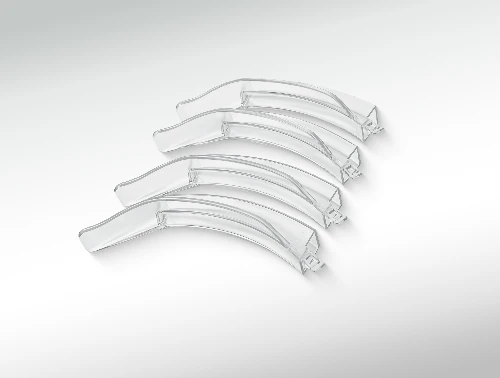
Optical lenses, prisms, camera lens modules, and automotive LiDAR covers have near-zero tolerance for surface defects and internal medium inconsistency:
Eliminating Light Scattering and Stray Light: During mold filling and cooling of molten plastic, even micron-scale dust particles settling on the mold cavity or mixing into the resin create light scattering centers, dark spots, or voids—directly degrading light transmittance and imaging resolution.
Ensuring Uniform Stress Distribution and Refractive Index: Optical polymers (such as PMMA, COP, PC) are highly sensitive to ambient temperature and humidity fluctuations, which induce internal residual stress and birefringence. Cleanrooms strictly control temperature and humidity (typically ±0.5, humidity ±0.5) to ensure highly consistent volumetric shrinkage during cooling.
Protecting Ultra-Precision Molds and Coating Preparation: Optical mold cavity surfaces undergo nanometer-scale ultra-precision polishing. Hard particulate matter in standard environments easily scratches these costly molds. Furthermore, optical components often undergo vacuum deposition/sputtering coating directly after molding; any surface micro-dust leads to coating flaking or peeling.
3. Key Differences: Cleanroom Molding vs. Standard Molding
To ensure high purity, cleanroom injection molding implements systematic upgrades in equipment design, utility control, and operational workflows:
| Comparison Dimension | Standard Injection Molding | Cleanroom Injection Molding (ISO 7 / ISO 8) |
| Airborne Particles | Uncontrolled (Millions / m³) | Strictly limited (e.g., ISO7 requires particles ≥ 0.5μm to be < 352, 000/m³) |
| Drive Equipment Type | Mostly hydraulic machines (risk of oil mist & leakage) | All-electric injection molding machines (oil-free, low heat, extreme repeatability) |
| Lubricants & Media | Industrial-grade oils / anti-rust agents | Food/medical-grade lubricants, minimal mold lubrication |
| Personnel & Logistics | Unrestricted access, standard cooling fans | Cleanroom suit gowning, air shower purification, pass-through box transfers |
| Temp, Humidity & Pressure | Significantly affected by external weather | Constant temperature & humidity, micro-positive pressure (prevents ingress) |
Summary: Cleanroom injection molding is far more than simply "moving a molding machine into a dust-free room." It is an integrated engineering ecosystem comprising all-electric molding machines, HEPA air filtration, medical/optical-grade resin dryers, dust-free automation robotics, and full data traceability systems (e.g., FDA 21 CFR Part 11).
Learn more about cleanroom injection molding knowledge :know more about