



-

Micro LSR Seal Design: Flash Prevention Tips for Precision Molding
-
Advantages of Liquid Silicone Rubber (LSR): Why It Is Replacing Traditional Rubber and Plastics
-
LSR Injection Molding (Cold Runner) vs. Compression Molding LSR (Runnerless): Process & Selection Guide
-
Medical Injection Molding DFM Checklist & Design Guidelines

Cleanroom Injection Molding DFM Guide: 6 Design Traps Engineers Often Overlook
2026-08-07




复制成功
In medical and precision plastic manufacturing, a successful injection molded part starts long before production begins. Design for Manufacturing (DFM) plays a critical role in ensuring part quality, dimensional stability, and cost efficiency.
For cleanroom injection molding projects, small design mistakes can create serious problems, including sink marks, warpage, air traps, short shots, and contamination risks.
This guide highlights 6 common DFM design traps engineers often overlook and provides practical recommendations for better injection molding performance.
1. Uneven Wall Thickness Causes Sink Marks and Warpage
Design Problem
One of the most common injection molding defects is inconsistent wall thickness.
When thick areas cool slower than thin sections, internal shrinkage occurs and creates visible depressions called sink marks.
In medical and cleanroom applications, sink marks may affect:Product appearance、Dimensional accuracy、Assembly performance、Functional reliability
DFM Recommendation
Maintain uniform wall thickness whenever possible.
Recommended wall thickness:
| Material | Recommended Thickness |
| ABS | 1.5–3.5 mm |
| PC | 1.0–3.0 mm |
| POM | 1.0–3.0 mm |
| PP | 1.0–3.5 mm |
For thicker areas, engineers should consider:
- Rib structures instead of solid sections
- Core-out designs
- Gradual thickness transitions
A well-designed part reduces shrinkage variation and improves molding consistency.
2. Insufficient Draft Angle Causes Ejection Problems
Design Problem
Many engineers focus on product function but overlook mold release requirements.
Without enough draft angle, parts may experience:Scratches、Deformation、Ejection marks、Mold damage
This is especially critical for medical components with strict surface requirements.
DFM Recommendation
Recommended draft angle:
- Standard surfaces: 1°–2°
- Textured surfaces: 3°–5°
- Deep cavities: increase draft angle accordingly
Adding proper draft improves:
- Mold life
- Production efficiency
- Part appearance
3. Poor Rib Design Creates Stress and Sink Marks
Design Problem
Ribs improve part strength, but oversized ribs can cause:Sink marks、Internal stress、Warpage
This problem is common in medical housings and precision components.
DFM Recommendation
Follow these rib design guidelines:
- Rib thickness: 40–60% of nominal wall thickness
- Rib height: typically less than 3 times wall thickness
- Add draft angle on rib sides
Proper rib design provides strength without increasing molding defects.
4. Sharp Corners Increase Stress Concentration
Design Problem
Sharp corners create stress concentration during molding and product use.
Potential issues include:Cracking、Weak mechanical performance、Poor material flow
Medical plastic parts often require long-term reliability, making corner design especially important.
DFM Recommendation
Use rounded corners:
- Internal radius: ≥ 0.5 × wall thickness
- External radius: internal radius + wall thickness
Smooth transitions improve:
- Material flow
- Part strength
- Mold filling performance
5. Poor Venting Design Causes Air Traps and Burn Marks
Design Problem
During injection molding, trapped air cannot escape properly, causing:Short shots、Burn marks、Surface defects、Incomplete filling
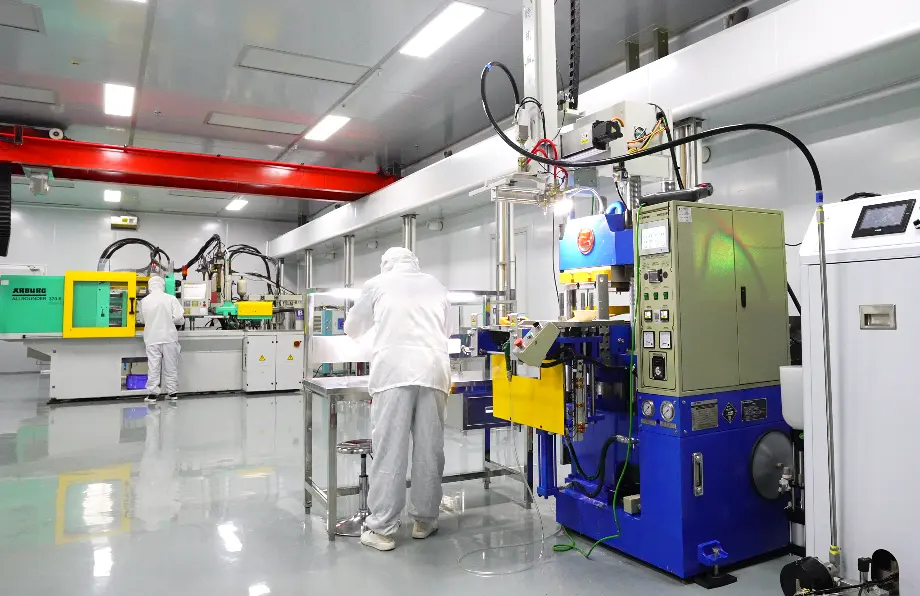
For cleanroom injection molding, defect control is critical because medical components often require strict appearance and functional standards.
DFM Recommendation
Optimize:
- Gate location
- Flow path
- Mold venting system
Typical mold vent depth:
- Thermoplastics: approximately 0.02–0.05 mm
Professional mold design can significantly reduce air trap risks.
6. Incorrect Gate Location Affects Part Quality
Design Problem
Gate design directly affects:Filling balance、Weld lines、Mechanical strength、Cosmetic appearance
Incorrect gate positioning may create weak areas in critical medical components.
DFM Recommendation
Engineers should consider:
- Short and balanced flow paths
- Avoiding critical sealing areas
- Minimizing weld line impact
- Optimizing filling simulation results
Using mold flow analysis before tooling can identify potential issues early.
Why DFM Matters for Cleanroom Injection Molding
A successful medical injection molding project requires cooperation between:Product designers、Mold engineers、Injection molding specialists、Quality teams
Early DFM analysis helps:
✔ Reduce tooling modification costs
✔ Improve first-pass production success
✔ Ensure stable dimensions
✔ Shorten product development cycles
✔ Improve medical product reliability
For companies developing medical devices, selecting an experienced ISO 13485 certified injection molding partner is essential.
Partner with an Experienced Cleanroom Injection Molding Manufacturer
At Yize Medical, we provide professional medical plastic injection molding services, including:
- ISO 13485 compliant quality management
- Class 10,000 cleanroom manufacturing
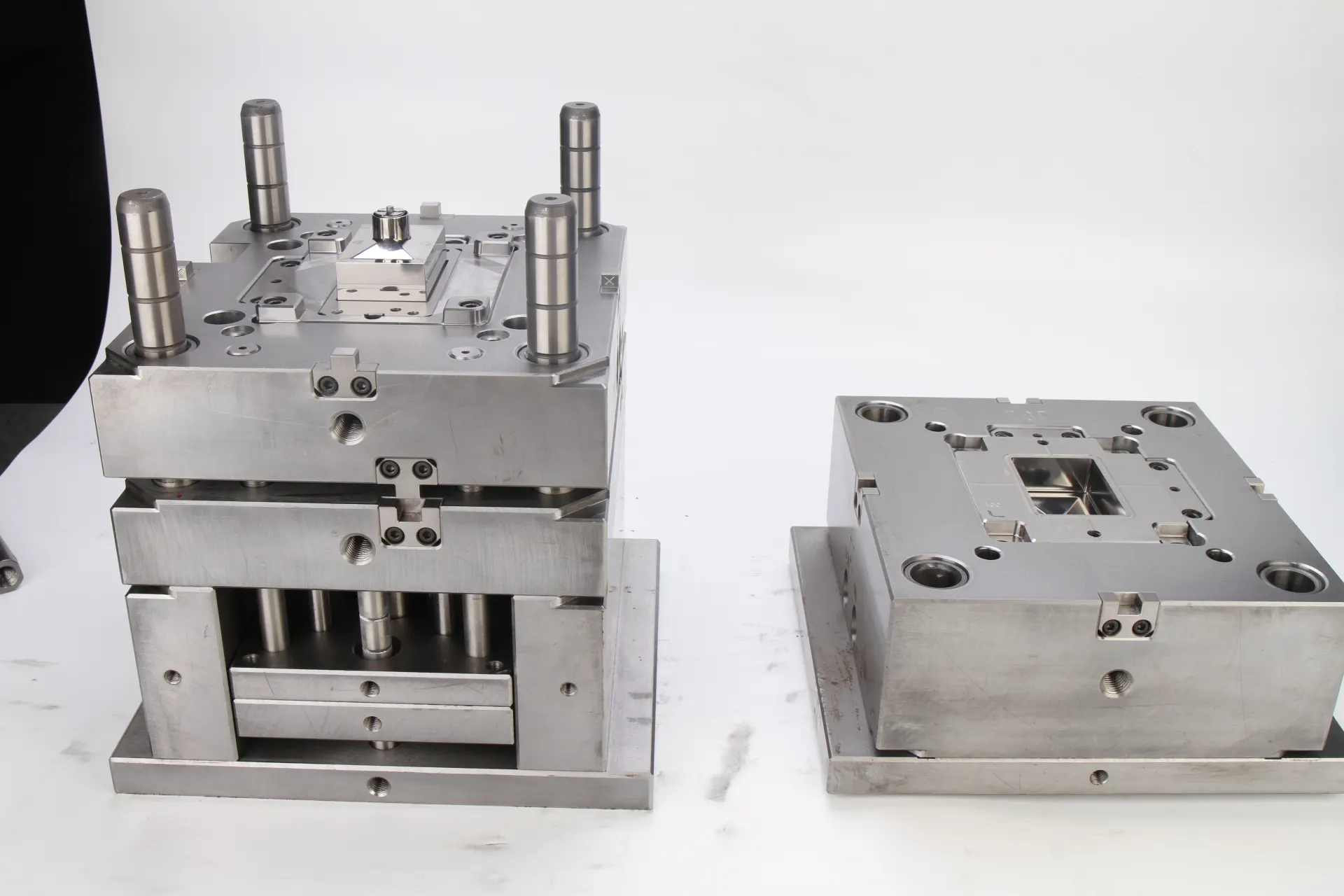
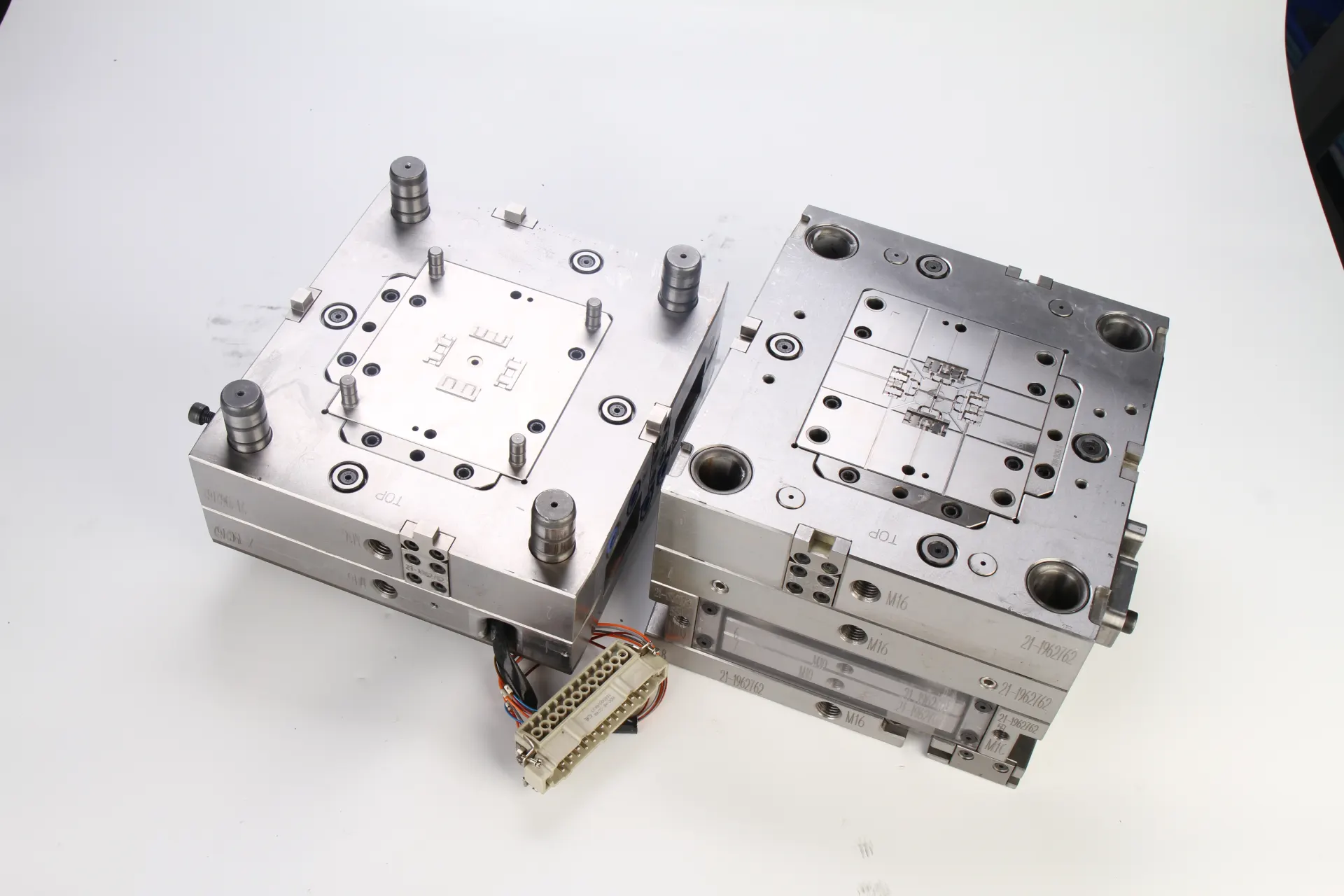
- Precision mold design and manufacturing
- DFM analysis and engineering support
- Medical-grade material solutions
Our engineering team works with customers from concept design to mass production, helping optimize parts for quality, performance, and cost efficiency.
Contact us today to discuss your next medical injection molding project.Email: Yuliya.chen@yizemould.com Telephone/WhatsApp: +86 13342659272