



-
Micro LSR Seal Design: Flash Prevention Tips for Precision Molding
-
Advantages of Liquid Silicone Rubber (LSR): Why It Is Replacing Traditional Rubber and Plastics
-
LSR Injection Molding (Cold Runner) vs. Compression Molding LSR (Runnerless): Process & Selection Guide
-
Medical Injection Molding DFM Checklist & Design Guidelines
How to Eliminate Black Specks & Particle Contamination in Cleanroom Molding
2026-08-05




复制成功
In medical devices, precision components, and high-cleanliness plastic manufacturing, black specks and particle contamination are critical quality issues that can affect product reliability, appearance, and regulatory compliance.
For ordinary plastic products, minor cosmetic defects may only be considered appearance issues. However, for medical injection molding components, even tiny contaminants can impact:Product safety、Device reliability、Assembly performance、Customer validation requirements.
High-quality cleanroom injection molding requires more than a controlled production environment. It requires comprehensive Cleanroom Molding Defect Control throughout the entire manufacturing process, including materials, molds, equipment, automation, and quality management.
This article explains the main causes of black specks and particle contamination in cleanroom molding and introduces effective solutions to improve production yield.
1. Material Degradation Causes Black Specks
Common Problem
During injection molding, plastic materials are heated and melted inside the barrel.
If the material remains at high temperatures for too long, thermal degradation may occur, causing:
- Material carbonization
- Plastic residue buildup
- Black particle formation
These carbonized particles can enter the molded parts and create visible defects.
Common Causes
- Excessive processing temperature
- Long material residence time
- Improper shutdown procedures
- Material residue inside the screw and barrel
Solutions
Manufacturers can reduce black specks by:
- Optimizing molding temperature parameters
- Controlling material residence time
- Regularly cleaning screws and barrels
- Selecting proper processing conditions for medical-grade materials
Stable material processing is the foundation of consistent medical plastic injection molding.
2. Equipment Wear Creates Metal Particle Contamination
Common Problem
During long-term operation, injection molding machine components such as:
- Screws
- Check rings
- Barrel surfaces
may experience mechanical wear.
Wear particles can enter the molten plastic and cause contamination issues.
Solution: Wear-Resistant Screw Surface Treatment
For medical cleanroom molding applications, manufacturers may use:
- Nitrided screws
- Chrome-plated surfaces
- DLC (Diamond-Like Carbon) coatings
- High-performance alloy materials
Benefits include:
✔ Reduced material adhesion
✔ Lower contamination risk
✔ Improved equipment stability
✔ Longer machine service life
Proper equipment maintenance plays an important role in maintaining clean production.
3. Static Electricity Control Reduces Particle Attraction
Why Does Static Electricity Cause Contamination?
Plastic parts often generate static electricity during:
- Demolding
- Transportation
- Handling processes
Charged surfaces can easily attract:
- Airborne dust
- Plastic particles
- Small contaminants
This is especially important for medical components manufactured in controlled environments.
Solution: Ionizing Static Elimination Systems
Modern cleanroom injection molding production lines often use:
- Ionizing air bars
- Static eliminators
- Anti-static conveyor systems
The system releases positive and negative ions to neutralize surface charges and prevent particle attraction.
Benefits:
✔ Reduced surface contamination
✔ Improved cleanliness
✔ Lower cleaning requirements
✔ Better product consistency
4. Automation Robots Reduce Human Contamination
Why Is Manual Handling a Risk?
Even in a cleanroom environment, operators remain one of the largest potential contamination sources.
Manual handling may introduce:
- Glove particles
- Human-generated dust
- Product contact contamination
Solution: Automated Robotic Handling
Advanced cleanroom molding production lines use:
- Automatic pick-and-place robots
- Six-axis robotic arms
- Automated packaging systems
Advantages:
✔ Minimizes human contact
✔ Reduces particle contamination
✔ Improves production consistency
✔ Increases manufacturing efficiency
Automation is especially suitable for:
- Medical device housings
- Disposable medical components
- Precision plastic parts
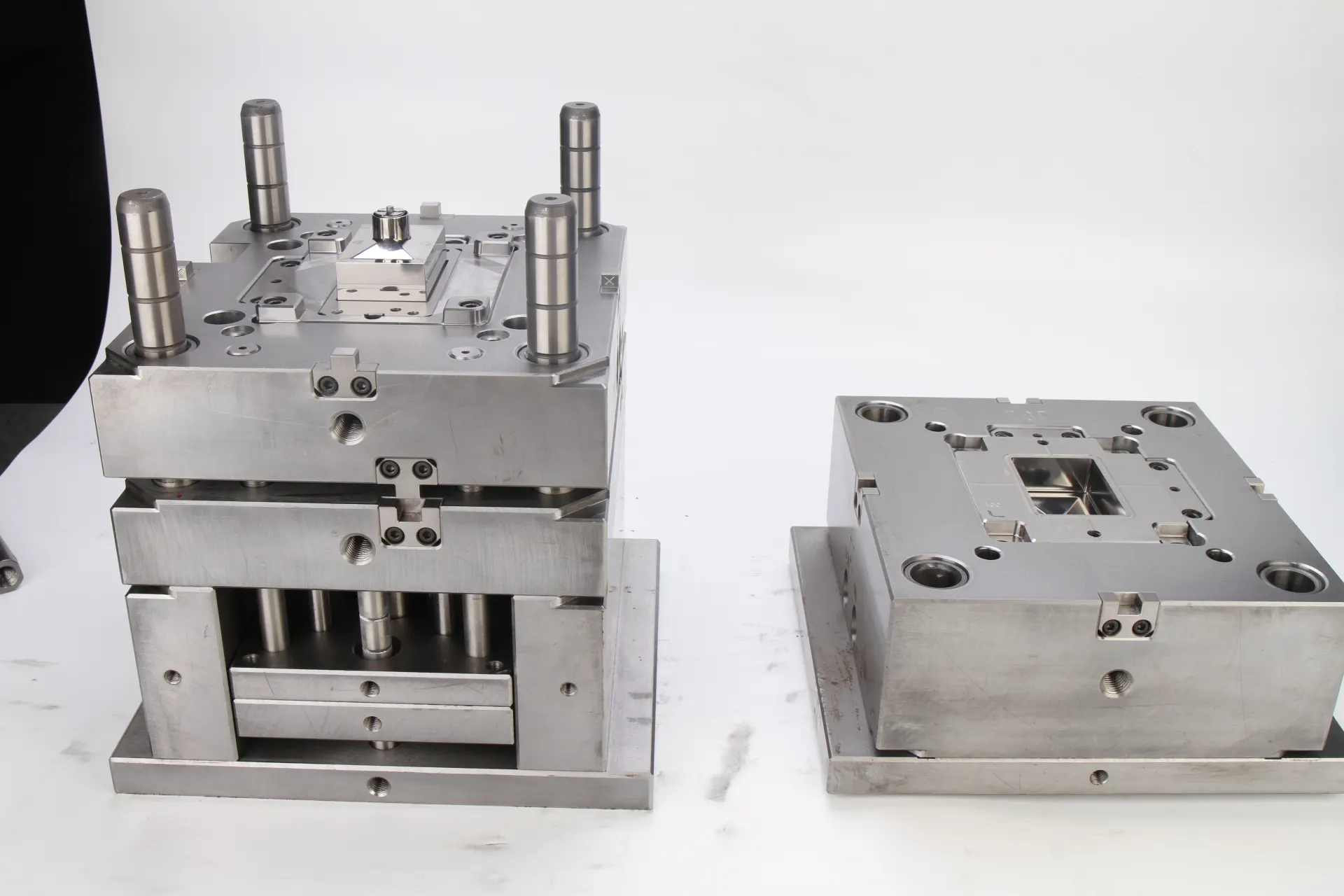
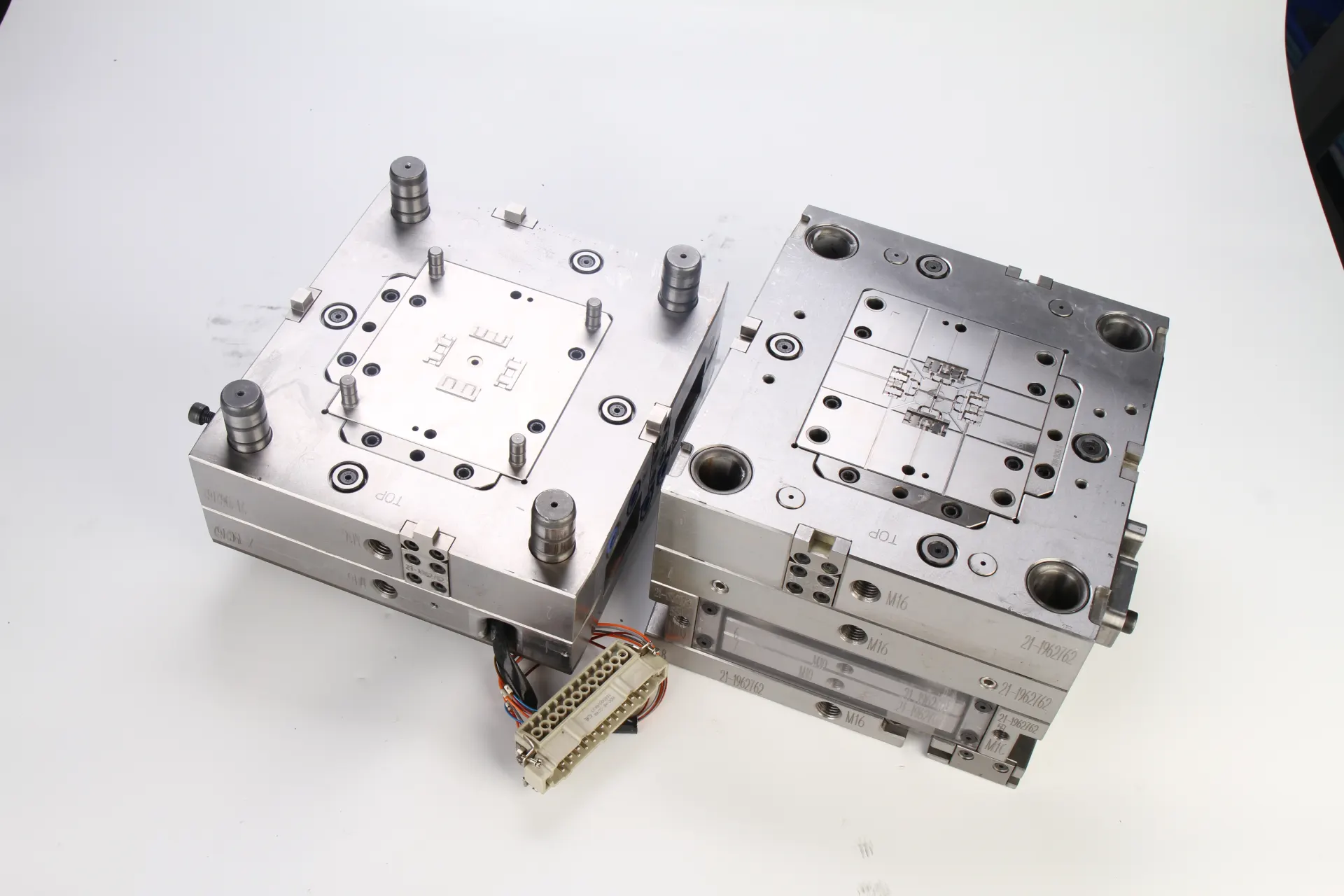
5. Mold Design Optimization Prevents Contamination
Mold design affects not only dimensional accuracy but also product cleanliness.Cleanroom Molding Defect Control is indispensable.
1. Improve Mold Venting Design
Poor venting can cause:
- Trapped gas
- Burn marks
- Filling defects
- Black contamination
Optimized venting allows air and gas to escape efficiently during injection.
2. Use High-Quality Mold Materials
Medical injection molds commonly use:
- S136 stainless steel
- 718 steel
- NAK80 steel
Benefits:
- Excellent polishing performance
- High corrosion resistance
- Long mold service life
3. Reduce Dead Areas Inside the Mold
Complex mold structures may create areas where:
- Material accumulates
- Cleaning becomes difficult
- Contamination builds up
Optimized runner systems and mold structures help reduce contamination risks.
6. Cleanroom Control Ensures Stable Production
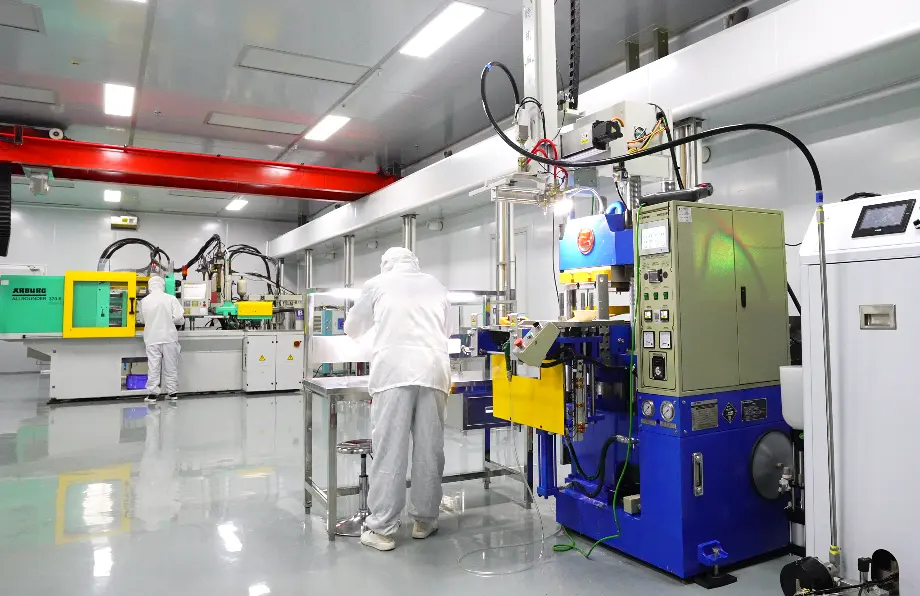
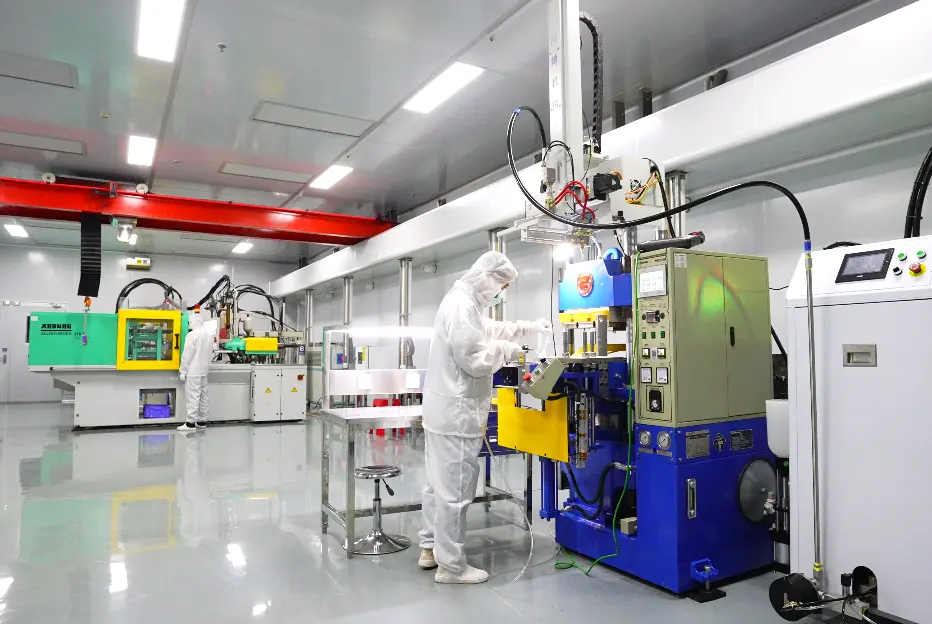
High-quality cleanroom injection molding depends on both advanced equipment and strict manufacturing management.
Environmental Control
Key controls include:
- Class 10,000 cleanroom environment
- Air filtration systems
- Temperature and humidity management
- Regular particle monitoring
Personnel Control
Important procedures include:
- Cleanroom garment management
- Employee training
- Controlled access procedures
Production Quality Control
Manufacturers should implement:
- First article inspection
- In-process quality monitoring
- Product traceability systems
These controls ensure stable production and meet strict medical industry requirements.
How to Improve Injection Molding Yield Through Process Control
Cleanroom Molding Defect Control,Reducing black specks and particle contamination requires a complete manufacturing strategy.
| Control Area | Solution |
| Static contamination | Ionizing air systems |
| Material degradation | Optimized temperature and residence time |
| Equipment contamination | Wear-resistant screw treatment |
| Human contamination | Automated robotic handling |
| Mold contamination | Optimized mold design |
| Environmental contamination | Cleanroom management |
Only by controlling every stage—from material preparation to final production—can manufacturers achieve stable and high-quality output.
Choose an Experienced Cleanroom Injection Molding Partner
Yize Medical provides professional medical plastic injection molding services with:
✔ ISO 13485 quality management system
✔ Class 10,000 cleanroom manufacturing
✔ Precision medical mold design and manufacturing
✔ Automated injection molding production
✔ DFM engineering support
✔ Strict particle contamination control
From product development to mass production, our engineering team helps medical device companies improve quality, reduce manufacturing risks, and achieve reliable production.
Contact us today to discuss your medical injection molding project.Contact Information:Email: Yuliya.chen@yizemould.com Telephone/WhatsApp: +86 13342659272