



-

Micro LSR Seal Design: Flash Prevention Tips for Precision Molding
-
Advantages of Liquid Silicone Rubber (LSR): Why It Is Replacing Traditional Rubber and Plastics
-
LSR Injection Molding (Cold Runner) vs. Compression Molding LSR (Runnerless): Process & Selection Guide
-
Medical Injection Molding DFM Checklist & Design Guidelines
Understanding Cleanroom Molding Quotes: Why Do Supplier Prices Vary by 30%?
2026-08-03




复制成功
In medical device, semiconductor, and high-precision optical procurement, project managers frequently encounter a frustrating scenario: You send the exact same 3D CAD files to two cleanroom injection molders with seemingly identical qualifications, yet one quote comes back 30% higher than the other.
Is the higher quote an inflated mark-up, or does the lower quote hide unstated quality risks and technical shortcuts?
As a precision cleanroom injection molding manufacturer, we break down the three core cost drivers—tooling steel selection, ISO cleanroom energy consumption, and automation levels—to help you decode the true economics behind your RFQ (Request for Quote).

1. Tooling Costs: Tool Steel and Machining Precision
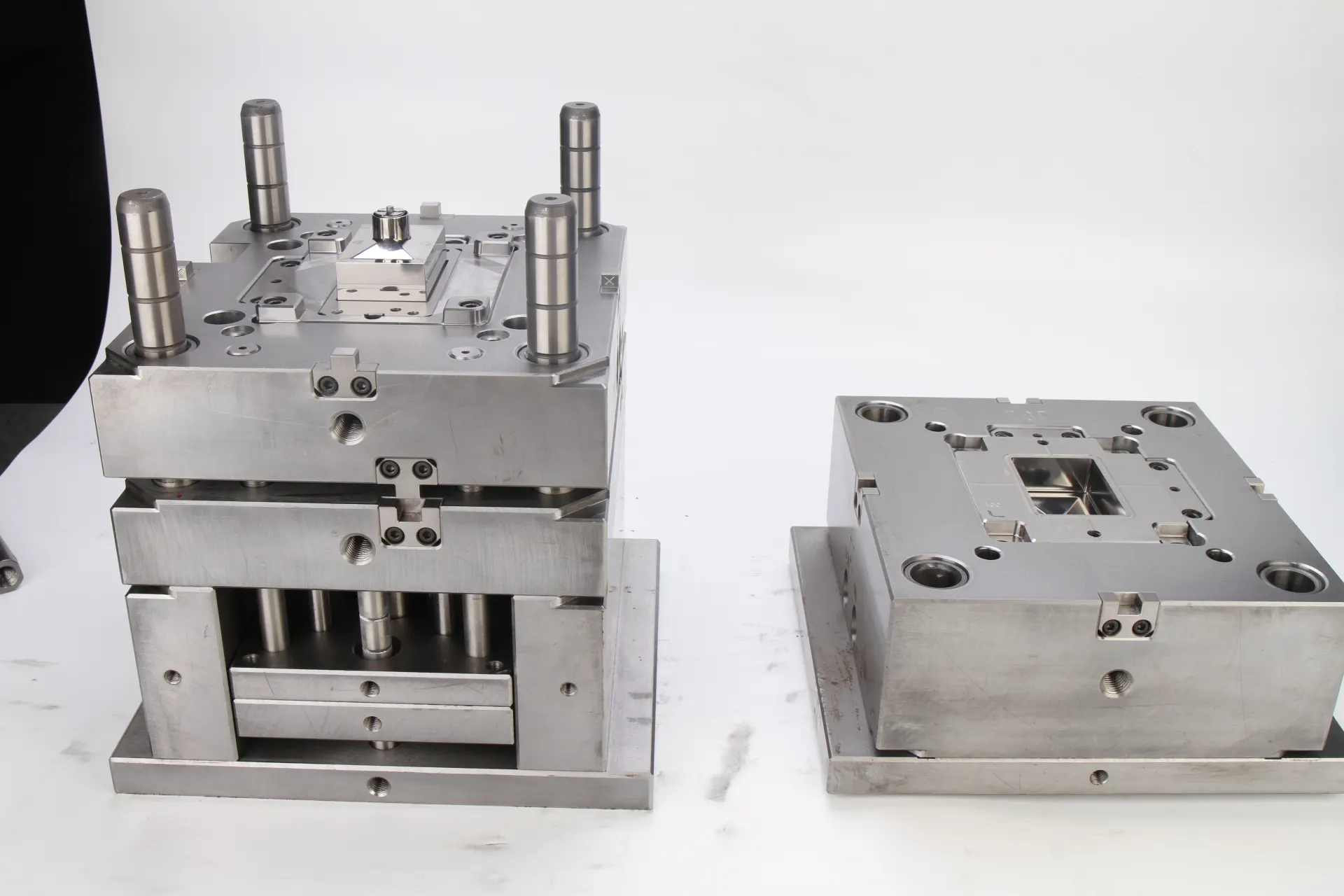
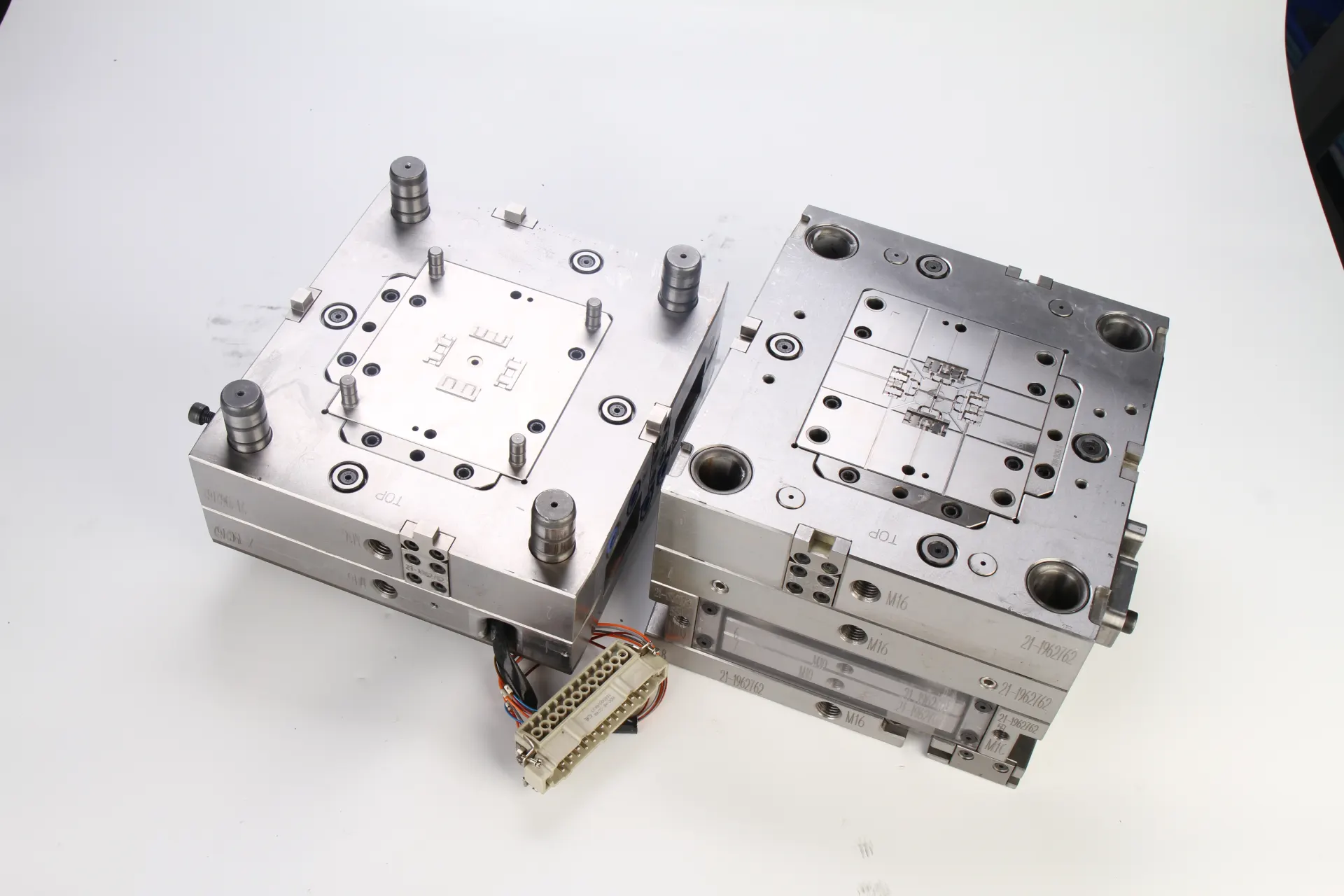
Tooling fees often represent the largest portion of upfront Capex. That 30% price gap usually originates right here: in tool steel selection and machining standards.
Steel Grades: P20 vs. NAK80 vs. S136
Different plastic components require vastly different mold lifespans, surface polishes, and corrosion resistance:
P20 / 718H (Pre-hardened Steel): Ideal for general-purpose molding or low-volume prototype tooling (100k–300k shots). While inexpensive, it cannot achieve an optical mirror polish and lacks corrosion resistance—making it generally unsuitable for strict medical-grade cleanroom applications.
NAK80 (High-Hardness Pre-hardened Steel): Offers excellent machinability and mirror polishability. Great for precision structural parts, but lacks the high-acid corrosion resistance required for specialized resins.
S136 / S136H (Corrosion-Resistant Stainless Mold Steel): The gold standard for medical and optical molding. Hardened to HRC 48–52, it offers exceptional corrosion resistance and can achieve a flawless mirror polish (SPI A-1 class). However, raw material and machining costs are 3 to 5 times higher than P20.
The Quoting Reality: A budget quote often defaults to P20 or local equivalent steels, whereas a higher quote accounts for genuine imported, hardened S136 steel and high-precision mirror polishing.
2. Piece Price: ISO Cleanroom Class & Energy Overhead
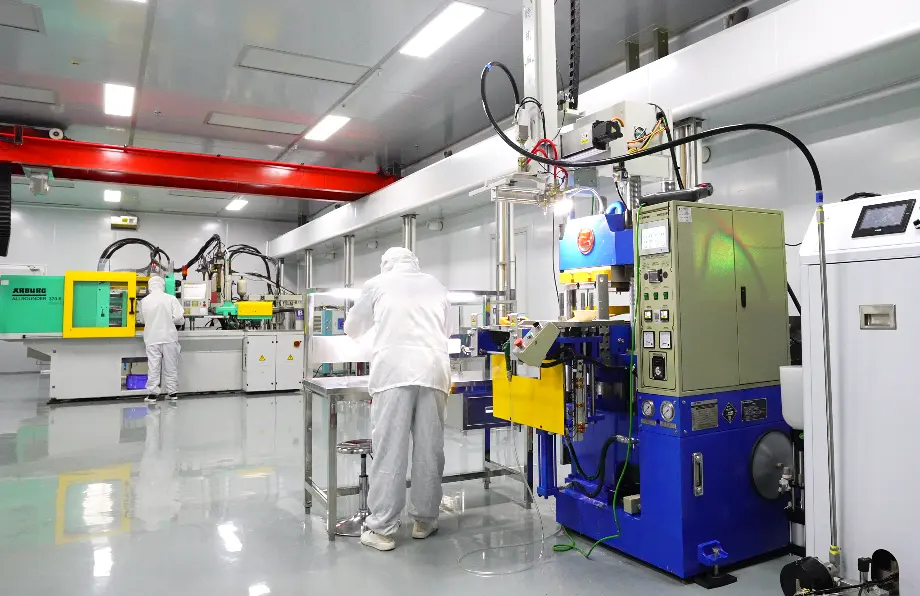
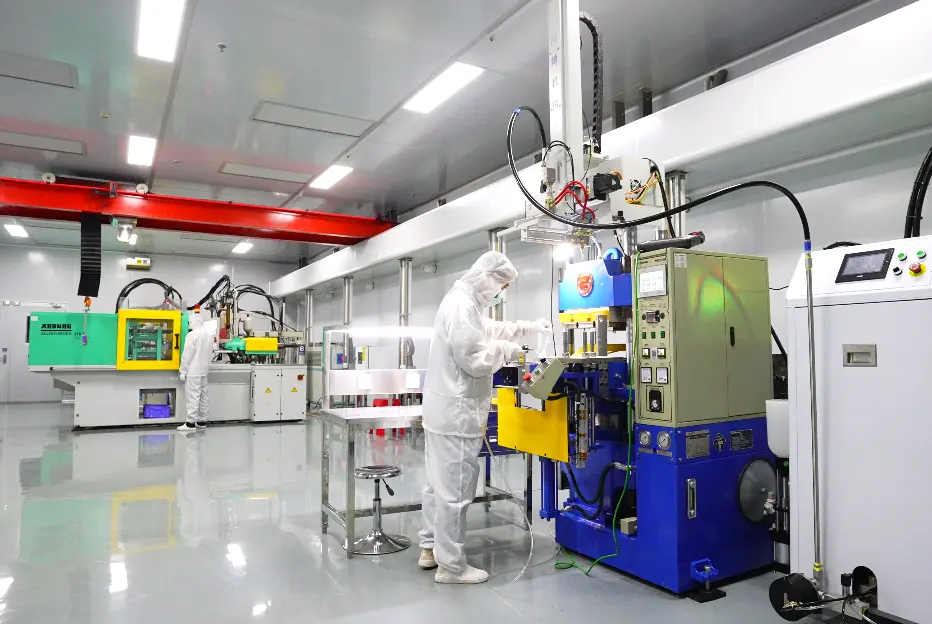
The piece price for cleanroom injection molding is naturally higher than standard molding. The primary reason? The massive energy and operational costs required for micron-level environmental control.
| Standard Workshop Overhead vs. ISO Cleanroom Overhead | |
| Standard Molding | Press Energy Consumption |
| ISO Cleanroom | Press Energy + 24/7 HEPA Air Filtration + HVAC Climate Control + Routine Certification |
ISO Class 7 (Class 10,000) vs. ISO Class 8 (Class 100,000)
Air Change Rates: An ISO Class 8 cleanroom requires 20–30 air changes per hour, whereas an ISO Class 7 room demands 30–60 air changes per hour.
HEPA Filtration & Humidity Control: ISO Class 7 demands rigorous air filtration and tight humidity control to prevent particulate static attraction. Consequently, allocated electricity and maintenance costs per hour for ISO Class 7 are 40% to 60% higher than ISO Class 8.
If your product only requires ISO Class 8, but a supplier quotes based on ISO Class 7 overhead—or conversely, a low-cost vendor attempts to mold in a non-compliant environment—you will see a sharp 30% variance in piece price.
3. Production Efficiency & Labor: Automation vs. Scrap Rates
The third driver behind price disparities is whether the molding line relies on manual labor or a closed-loop automated cell.
| Evaluation Metric | Semi-Automated / Manual Line | Fully Automated Cleanroom Cell |
| Part Removal & Degating | Manual mold opening and hand-trimming | Cleanroom-grade multi-axis robots |
| Contamination Risk | High operator touchpoints, elevated particulate risk | Hands-free processing, zero human contamination |
| Cycle Time | Inconsistent; dependent on operator fatigue | Highly consistent; reduces cycle time by 15%–30% |
| Upfront Capex | Low | High (Robotic arms, vision inspection systems) |
Why can higher automation yield a lower per-part cost in the long run?
While automated cells increase machine rate allocations, they drastically reduce scrap rates and contamination risks. For high-cost medical resins (such as PEEK, COP, or medical-grade PC), reducing yield loss by just 5% easily offsets the equipment depreciation cost.
4. Procurement Checklist: How to Evaluate a Cleanroom Molding RFQ
When comparing quotes with a 30% price gap, always request a detailed Breakdown and DFM (Design for Manufacturability) report covering the following:
Specify Tool Steel Grade and Hardness: Ensure the contract specifies exact steel brands (e.g., Uddeholm S136), target hardness (HRC), and guaranteed mold life (shot count).
Verify Cleanroom Certification: Ask for third-party environmental monitoring reports (ISO 14644-1 compliance).
Review DFM & Automation Strategy: Check the estimated cycle time, cavity count, and whether automated robotic part removal is included.
Looking for a Balanced Cleanroom Molding Partner?
we provide transparent, fully compliant, and cost-competitive cleanroom injection molding solutions tailored to your exact specifications.
ISO Class 7 & Class 8 Certified Cleanrooms (backed by routine third-party audits)
All-electric precision injection molding machines with automated robotic handling
Comprehensive DFM reports and fully transparent cost breakdowns
Whether you are in early-stage NPI (New Product Introduction) or searching for a high-yield mass production partner, our engineering team is ready to optimize your material selection and manufacturing costs.
Submit Your 3D CAD Files and receive a free DFM analysis and transparent quotation within 24 hours.Email:Yuliya.chen@yizemould.com Telephone/WhatsApp: +86 13342659272