



-

Micro LSR Seal Design: Flash Prevention Tips for Precision Molding
-
Advantages of Liquid Silicone Rubber (LSR): Why It Is Replacing Traditional Rubber and Plastics
-
LSR Injection Molding (Cold Runner) vs. Compression Molding LSR (Runnerless): Process & Selection Guide
-
Medical Injection Molding DFM Checklist & Design Guidelines
Medical Injection Molding Process: From Prototype to Mass Production
2026-07-31




复制成功
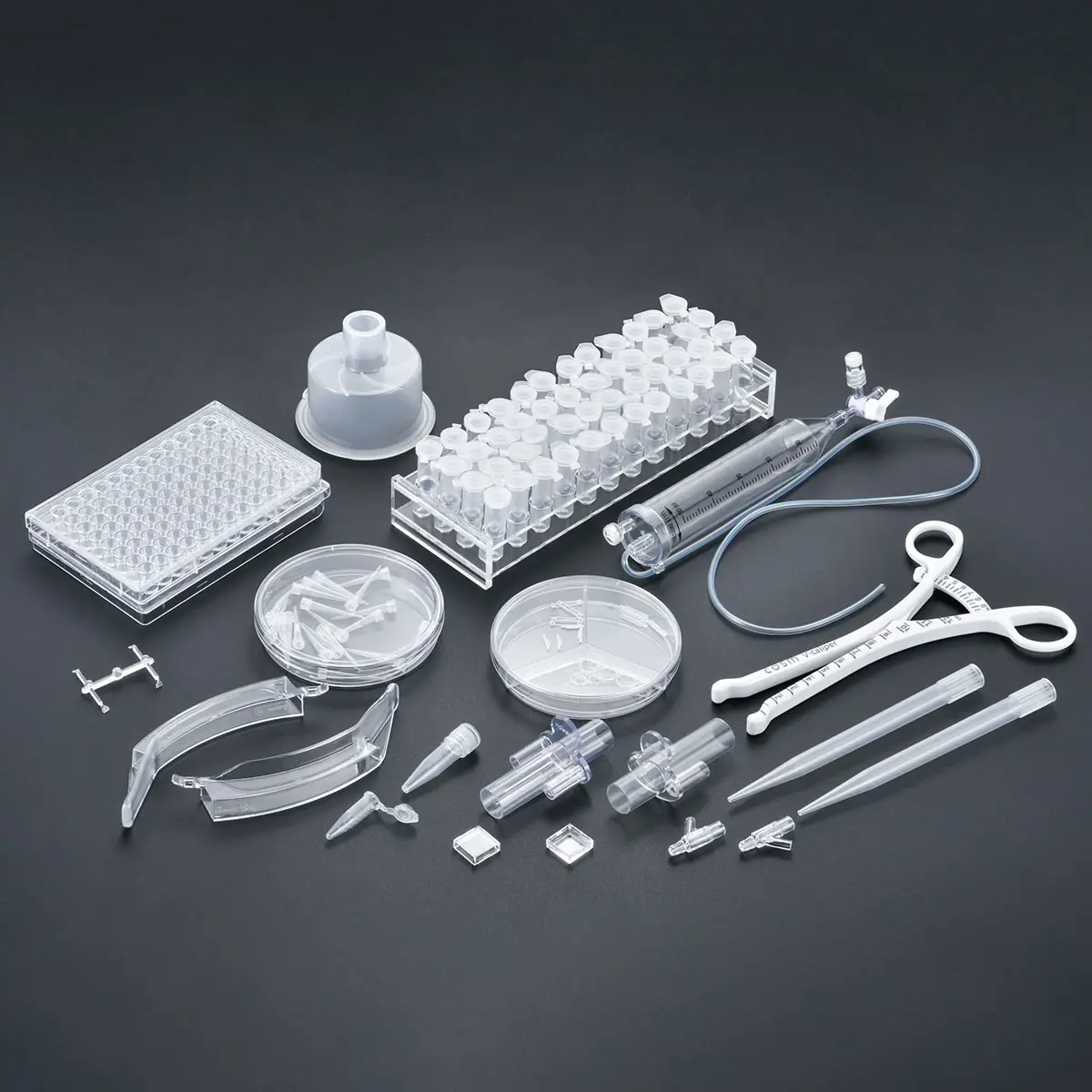
The medical injection molding process is the backbone of modern healthcare manufacturing, transforming complex designs into millions of precise, high-purity plastic components.
Because medical devices directly impact patient safety, moving a part from initial concept to commercial production requires strict precision.
Understanding how a medical part evolves from initial prototype molding through tooling development:mold validation (IQ/OQ/PQ), and mass production is crucial for MedTech engineers and procurement teams.

1. Prototype Molding: De-Risking the Design early
Before committing heavy capital to production tooling.
Firstly medical device manufacturers rely on prototype molding to evaluate form, fit, and function.
Rapid Prototyping Options: Engineers often start with 3D printing or soft aluminum tooling to produce low-volume sample parts within days.
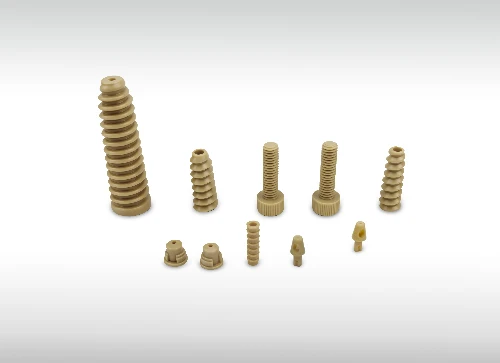
Material Selection: Testing biocompatible resins (such as PEEK, Polycarbonate, or Medical-grade Polypropylene) ensures the part meets structural, thermal, and sterilization requirements.
Design for Manufacturability (DFM): Prototype results reveal wall thickness inconsistencies, potential sink marks, or stress points, allowing designers to fix flaws before cutting steel.
2. Tooling Development: Precision Engineering for Longevity
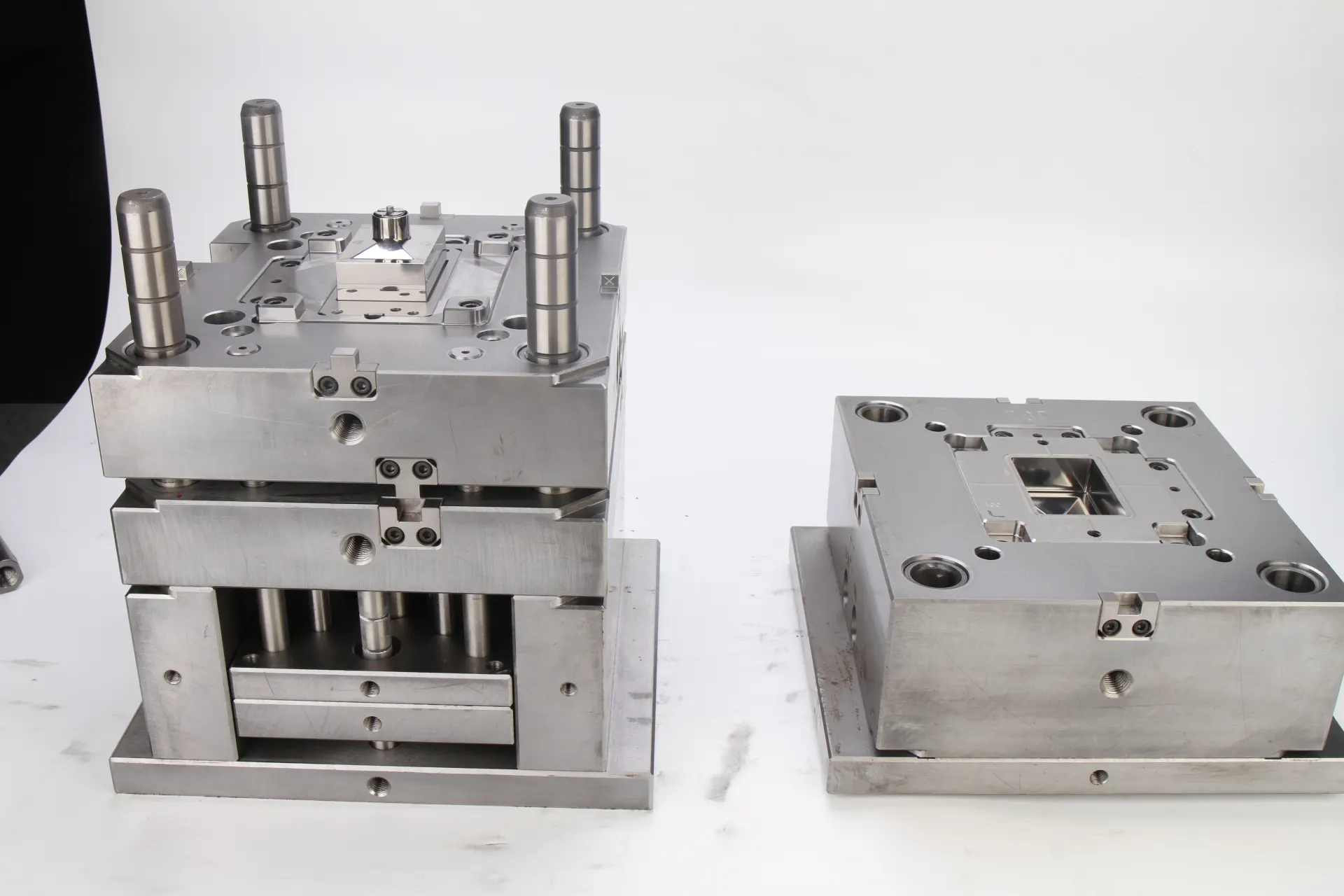
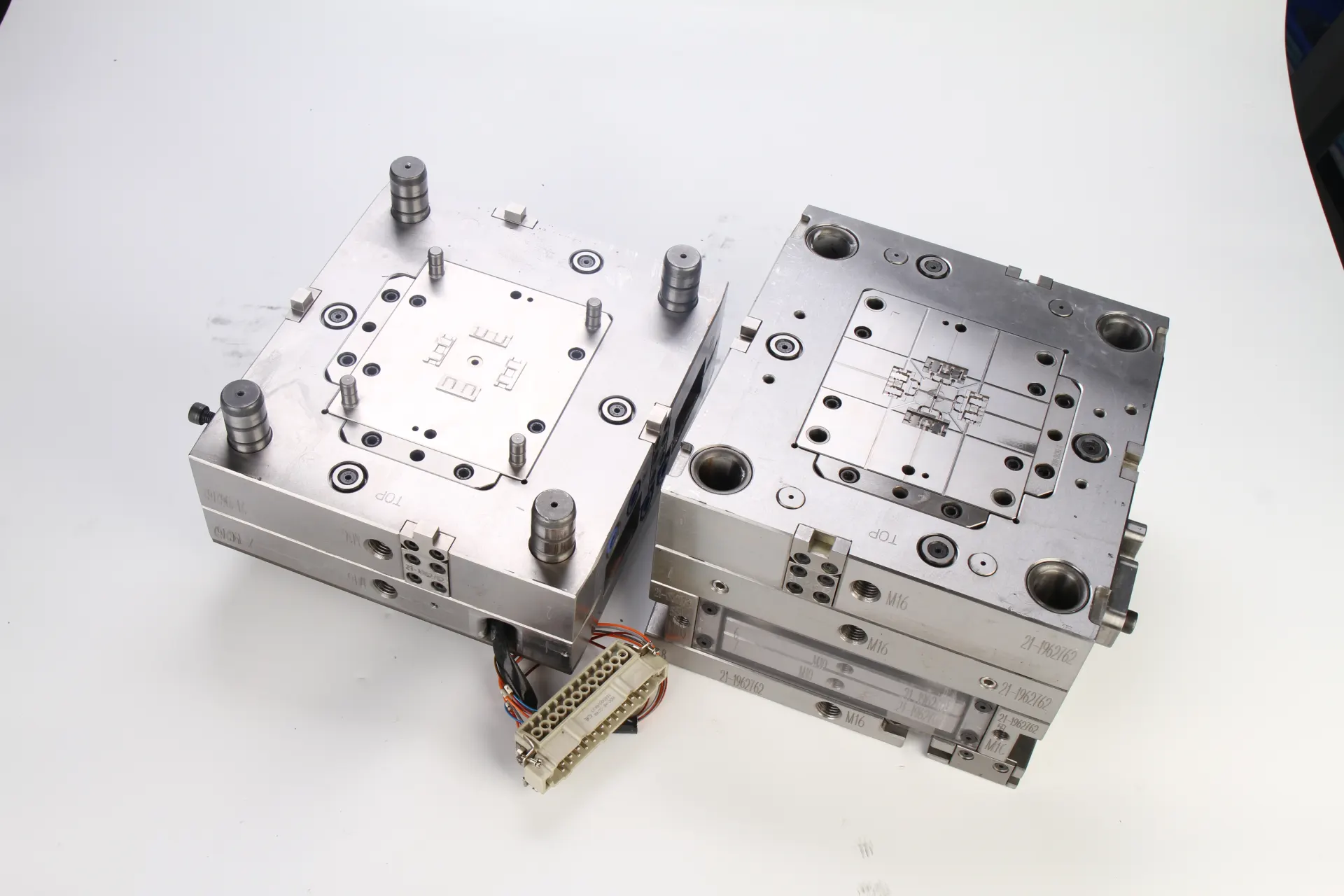
Once the prototype is validated, the focus shifts to tooling development. Production molds for medical parts demand extraordinary precision and durable materials to sustain millions of cycles without degradation.
Hardened Tool Steels: Molds are typically fabricated using hardened stainless steel (e.g., S136 or H13) to prevent corrosion, especially when molding flame-retardant or abrasive materials.
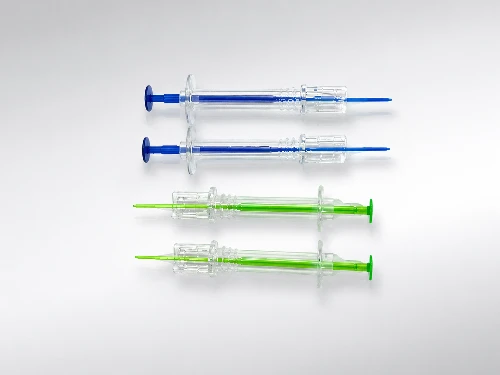
Multi-Cavity Molds: High-volume components like syringes or vial caps use multi-cavity designs to maximize efficiency and shorten cycle times.
Hot Runner Systems: Modern medical molds frequently incorporate hot runners to reduce plastic waste and maintain precise temperature control across all cavities.
3. Mold Validation & Qualification: IQ/OQ/PQ
In medical manufacturing, process repeatability is mandatory. Regulatory standards (such as ISO 13485 and FDA 21 CFR Part 820) require comprehensive mold validation to guarantee that every injection-molded part meets rigorous quality standards.
Validation relies on the IQ/OQ/PQ framework:
Installation Qualification (IQ)
Verifies that the injection molding machine, mold, auxiliary equipment, and utilities are correctly installed according to manufacturer specifications and safety protocols.
Operational Qualification (OQ)
Tests the operating boundaries of the molding process. By varying parameters like injection pressure, melt temperature, and hold time (often through Design of Experiments / DOE), engineers establish a robust processing window that consistently yields conforming parts.
Performance Qualification (PQ)
Demonstrates long-term process stability under actual commercial production conditions. PQ typically involves running multiple production batches over an extended period to ensure consistency across shifts and raw material lots.
4. Scaled Mass Production in Cleanrooms
Passing PQ unlocks full commercial manufacturing. Mass production of medical plastic components demands stringent environmental controls to prevent contamination.
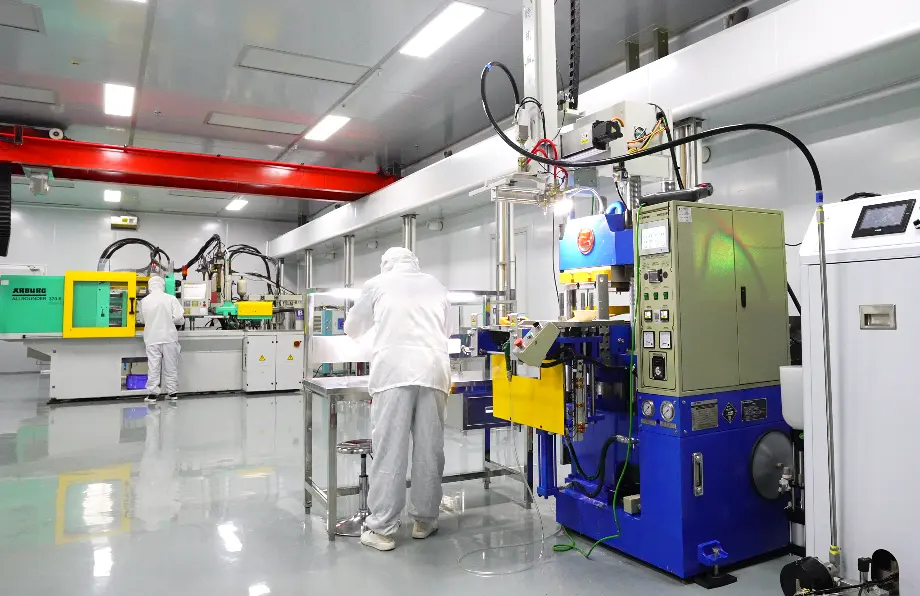
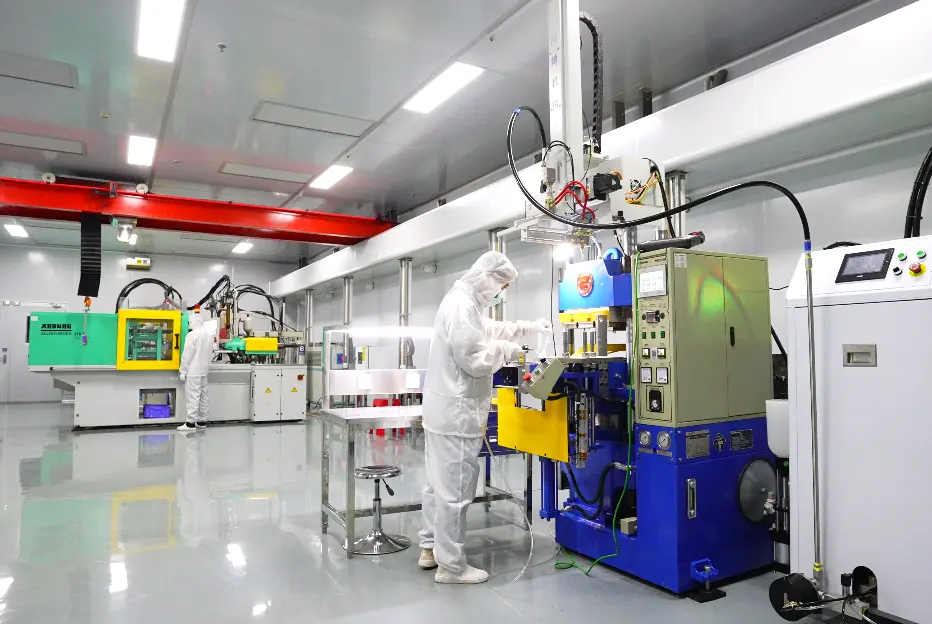
Controlled Environments: Production usually takes place in ISO Class 7 or Class 8 Cleanrooms to regulate airborne particles, temperature, and humidity.
Automated Quality Inspection: Automated vision systems and coordinate measuring machines (CMM) inspect high-volume output in real time for dimensional accuracy and aesthetic defects.
Full Traceability: Every production run maintains complete lot traceability—tracking raw resin batches, machine logs, operator shifts, and packaging records for regulatory audits.
Summary: A Structured Path to Market Success
Successfully navigating the medical injection molding process requires a clear, step-by-step approach.
By pairing robust tooling development with strict IQ/OQ/PQ validation protocols, medical device companies minimize risk, reduce time-to-market, and ensure high quality for every plastic component manufactured.
Contact Information:
Email: Yuliya.chen@yizemould.com
Telephone/WhatsApp: +86 13342659272