



-

Micro LSR Seal Design: Flash Prevention Tips for Precision Molding
-
Advantages of Liquid Silicone Rubber (LSR): Why It Is Replacing Traditional Rubber and Plastics
-
LSR Injection Molding (Cold Runner) vs. Compression Molding LSR (Runnerless): Process & Selection Guide
-
Medical Injection Molding DFM Checklist & Design Guidelines
How to Choose Medical Injection Molding Company
2026-07-29




复制成功
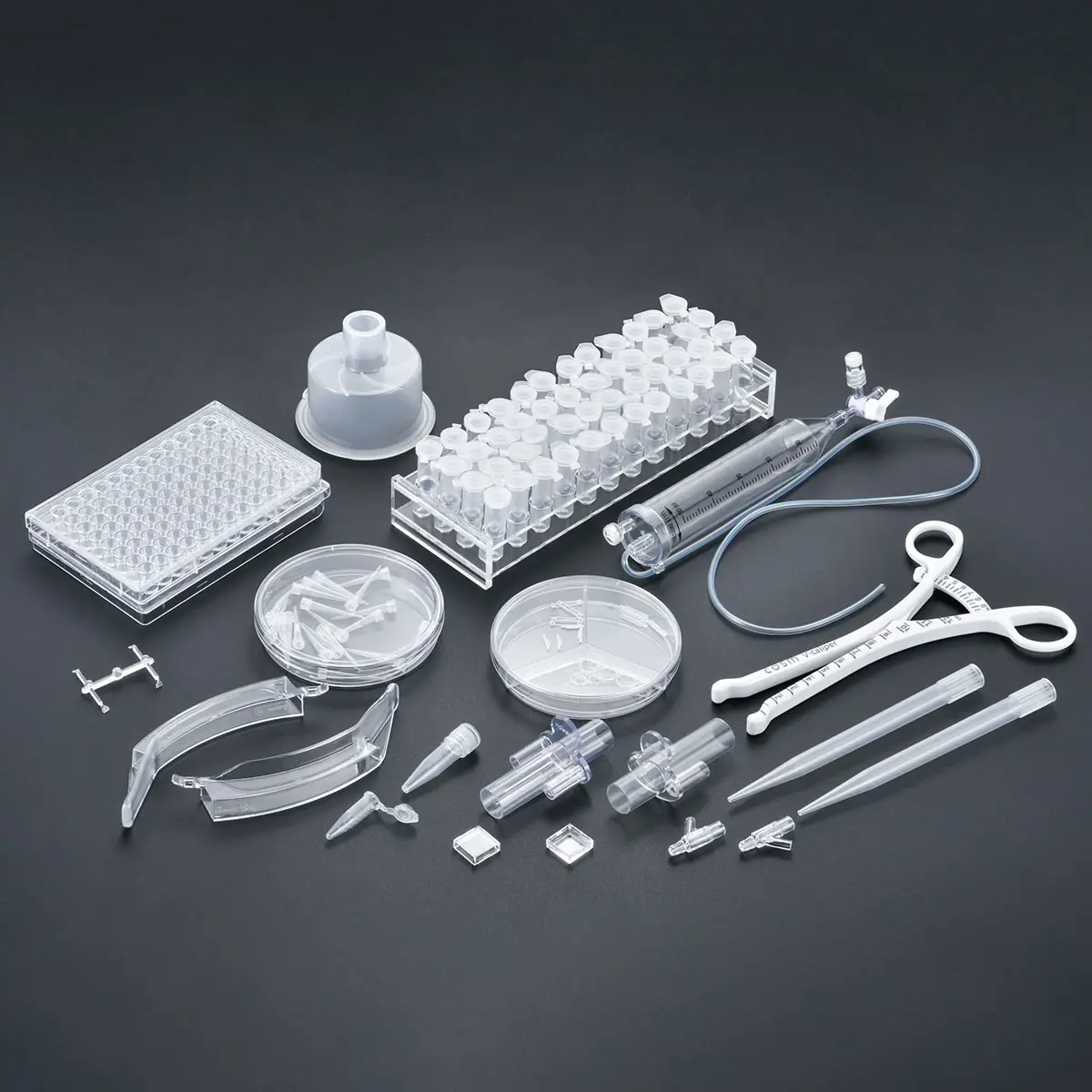
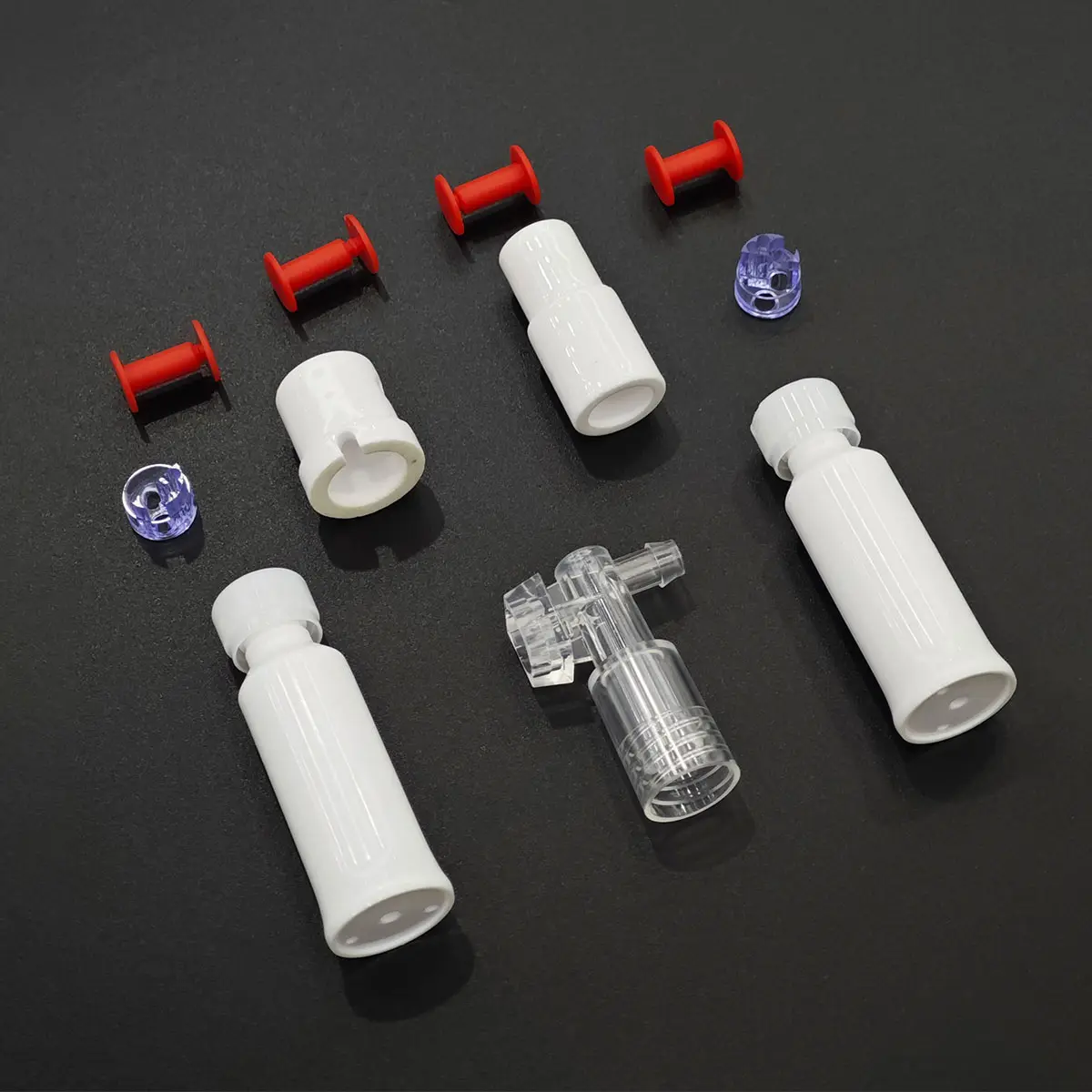
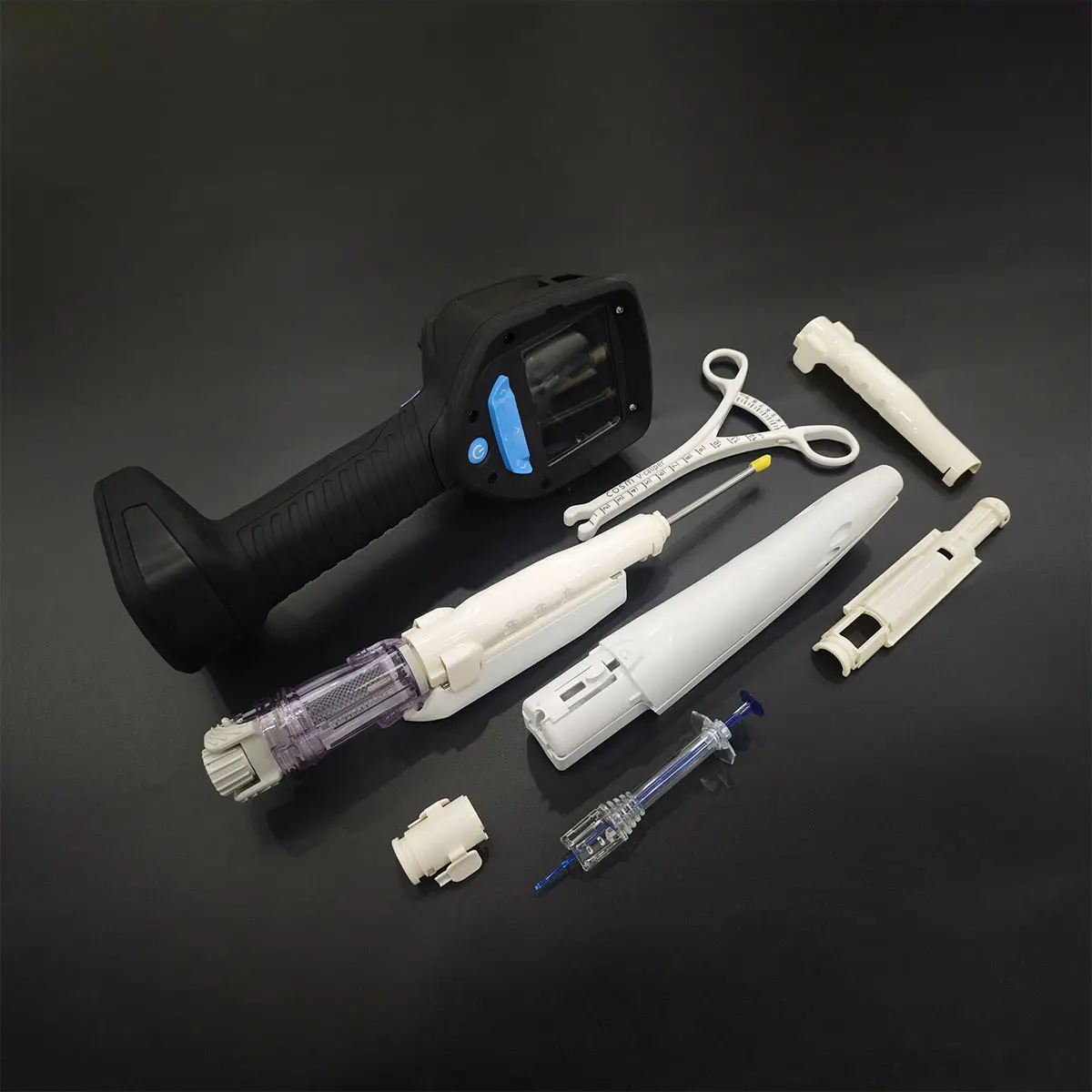
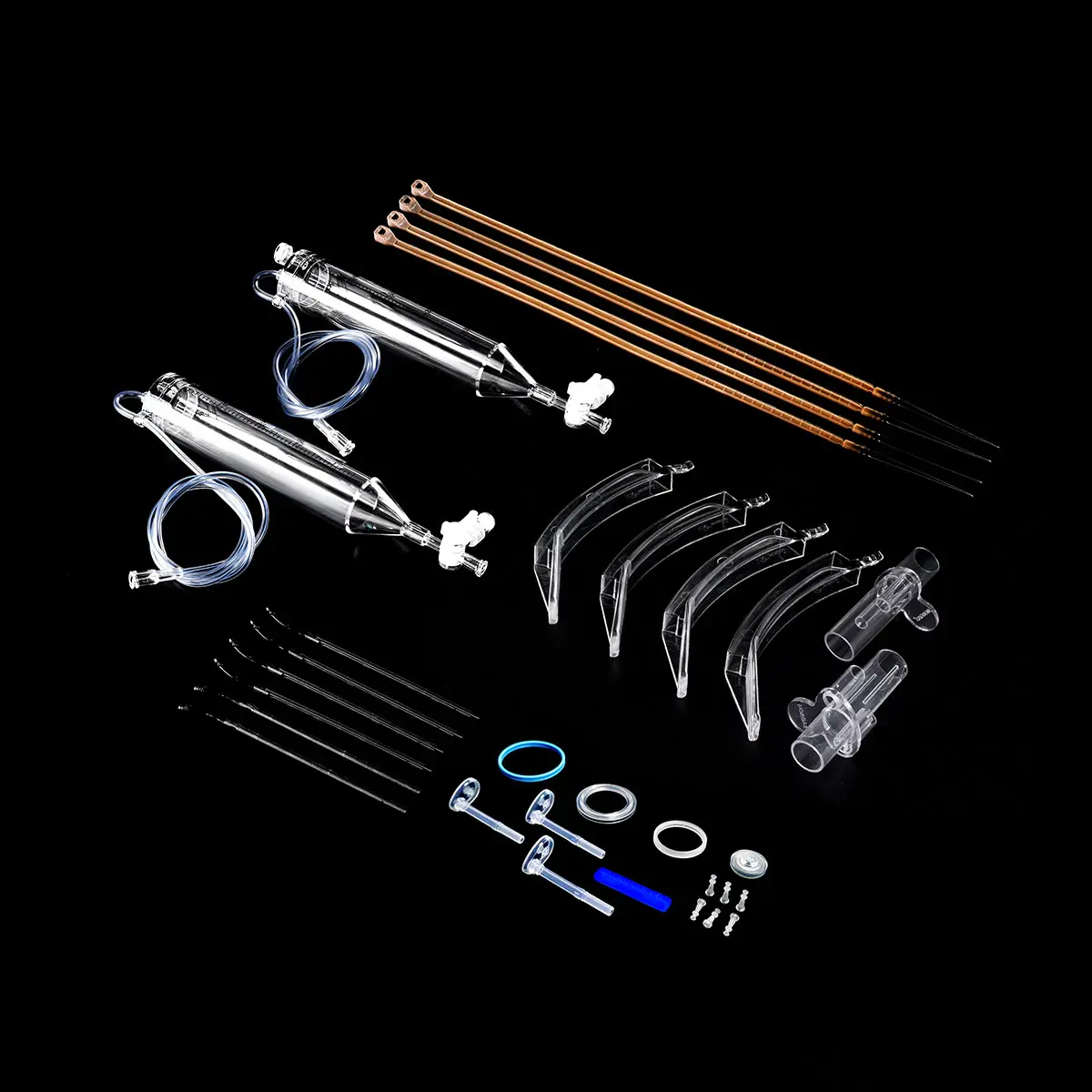
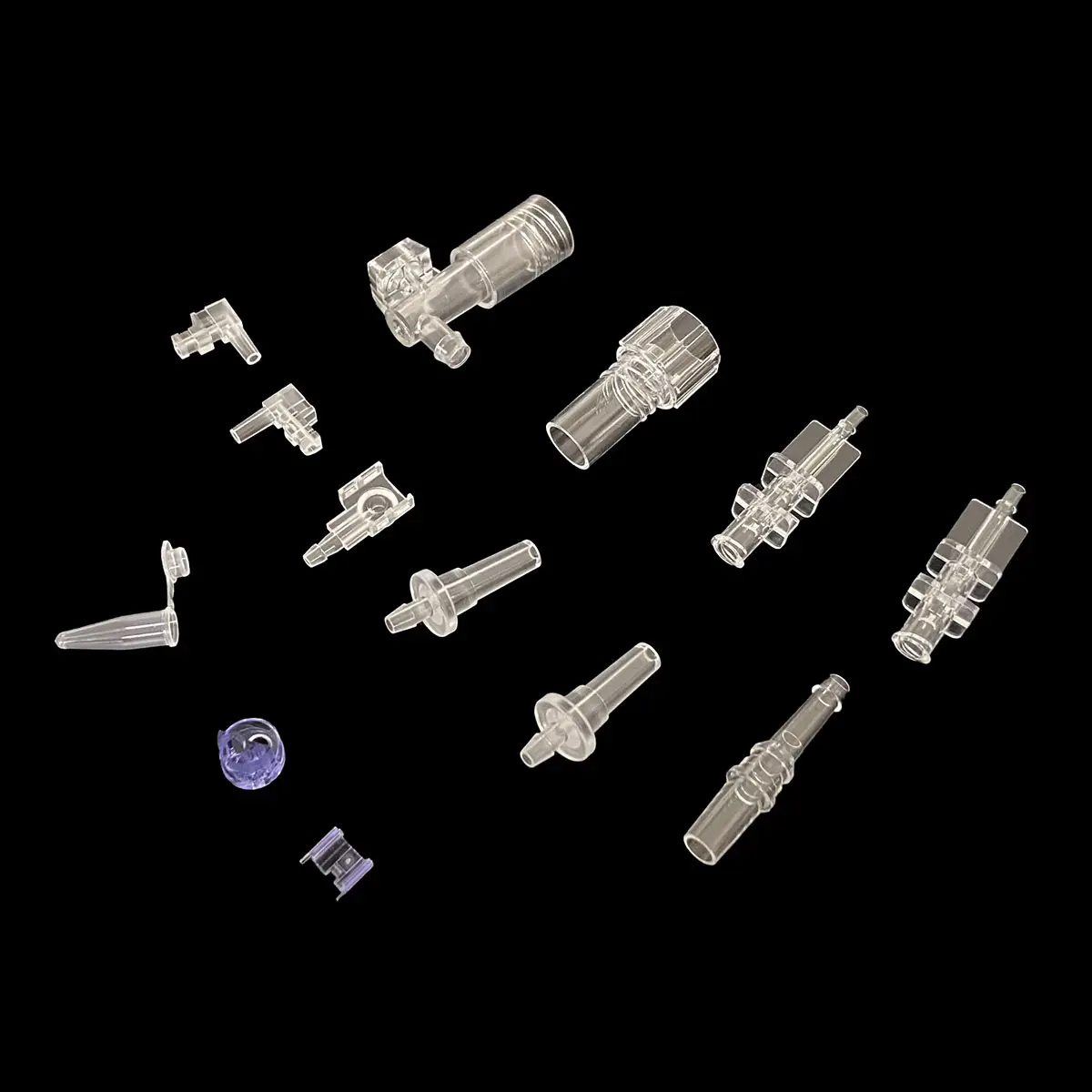
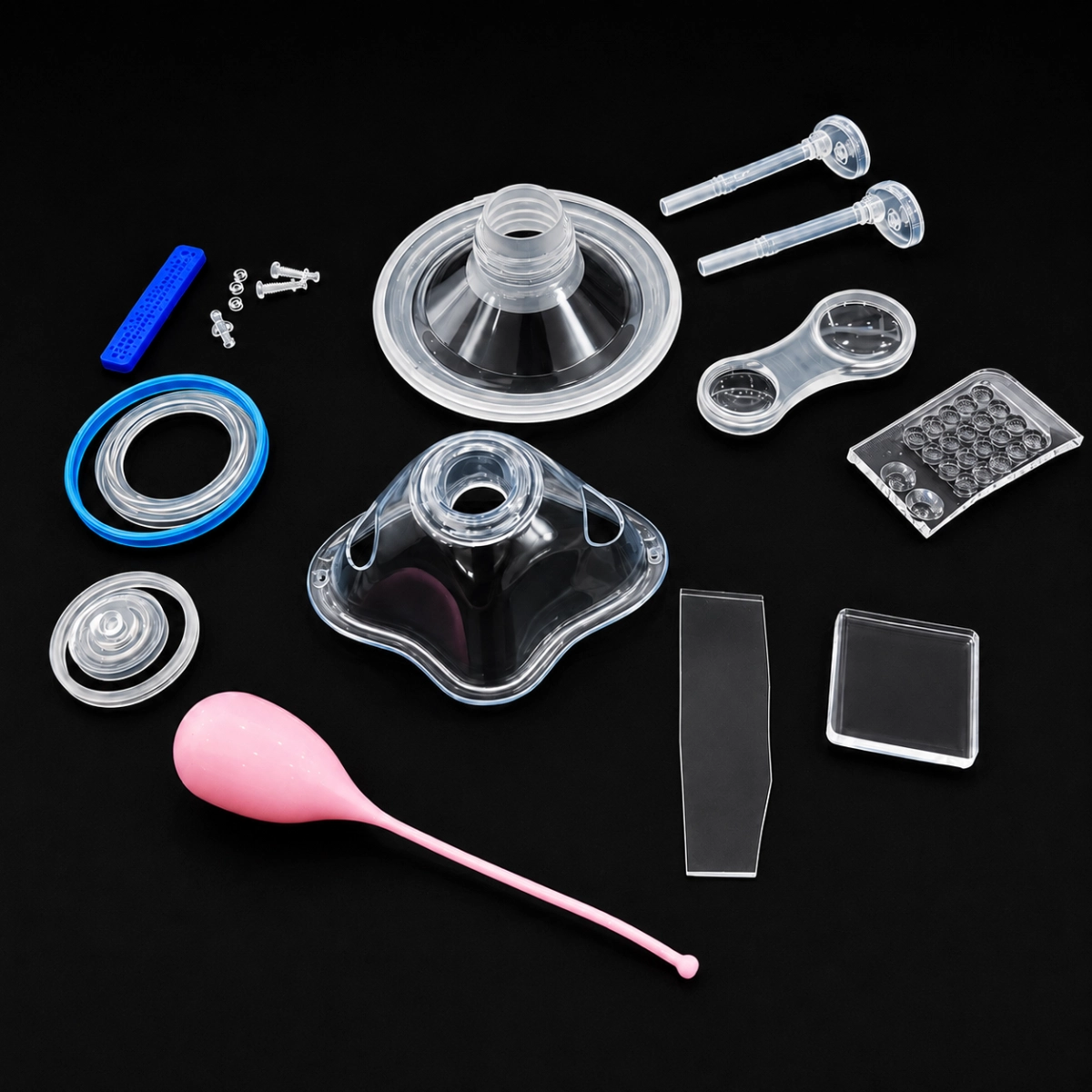
Selecting the right medical injection molding company can determine whether your product navigates regulatory clearance smoothly or faces costly recall risks. Because medical components require extreme precision, biocompatibility, and batch-to-batch repeatability, your manufacturing partner must operate at a far higher standard than a conventional plastic molder.
1. Verify Regulatory Certifications & Quality Systems
A standard ISO 9001 certification isn't enough for healthcare applications. Your partner must possess medical-grade quality management systems tailored to device manufacturing:
ISO 13485 Certification: The foundational Quality Management System (QMS) standard for medical devices. It ensures documented procedures, full material traceability, risk management, and strict change-control protocols.
FDA Registration & cGMP Compliance: In the U.S., the molder should be registered with the FDA and strictly follow current Good Manufacturing Practices (21 CFR Part 820 / QMSR).
ISO 14971 Risk Management: Ensures the team actively assesses and mitigates manufacturing risks throughout the product lifecycle.
2. Assess Cleanroom Classifications & Environmental Controls
Contamination from airborne particles or biological agents can ruin a medical component. Evaluate the molder's controlled environments:
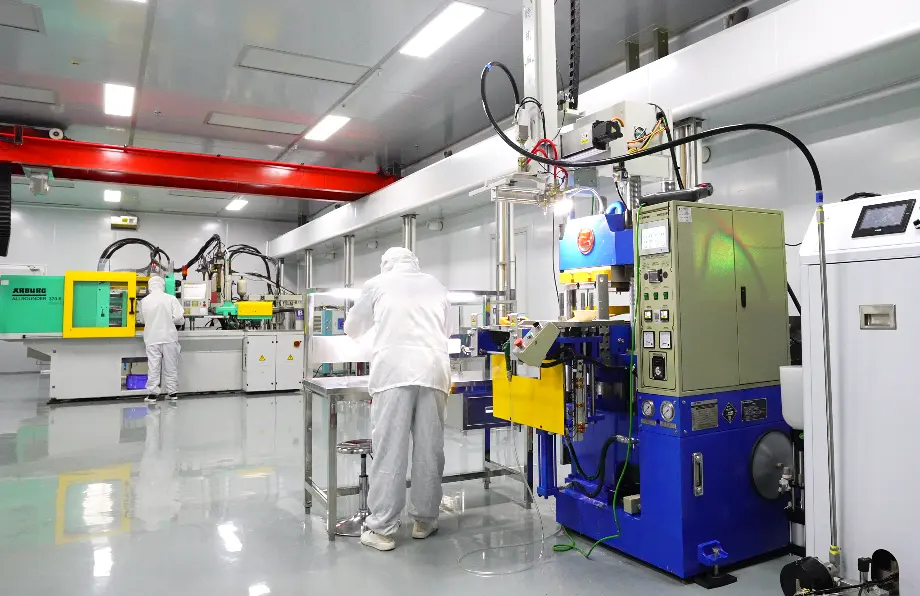
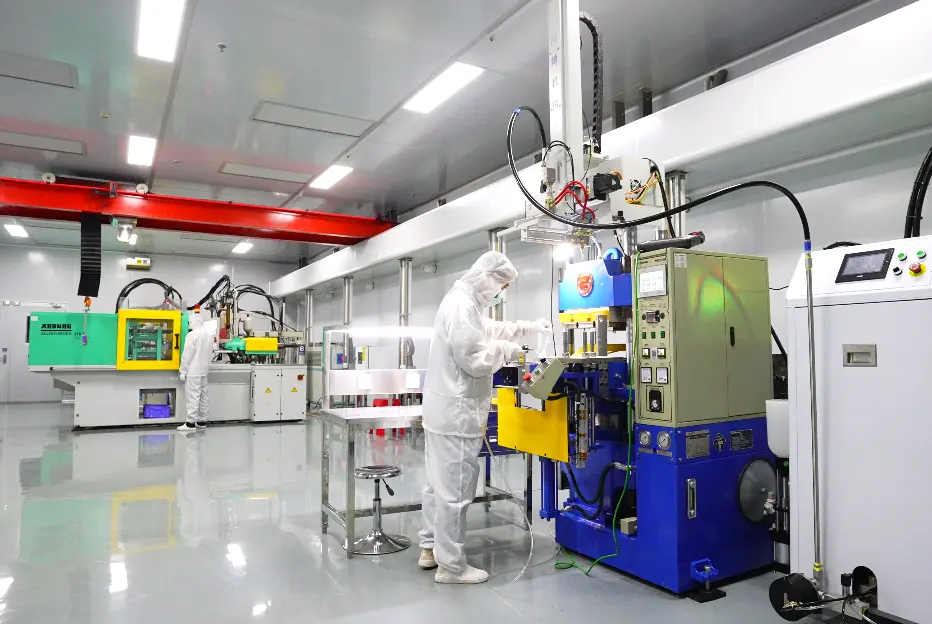
ISO Class 7 or Class 8 Cleanrooms: Most medical device housings, fluid handling components, and surgical tools require production within certified ISO Class 8 (Class 100,000) or ISO Class 7 (Class 10,000) cleanrooms.
ISO 14644 Compliance: Verify that cleanrooms undergo routine particle counting, pressure differential checks, and microbial monitoring.
Integrated Cleanroom Automation: Look for enclosed robotic cells, automated part collection, and sealed packaging within the cleanroom to minimize human contact.
3. Prioritize Early DFM and Material Expertise
The best molding partners contribute to product design long before the steel for a tool is cut.
Design for Manufacturability (DFM): Ensure their engineering team offers comprehensive DFM feedback. They should analyze draft angles, wall thickness transitions, gate locations, and flow simulation (Moldflow) to prevent sink marks, warpage, or void formation.
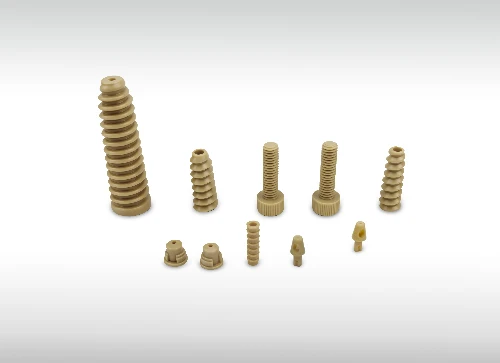
Biocompatible Resin Knowledge: Medical plastics behave differently than commodity resins. Your partner must have experience molding medical-grade resins like PEEK, Ultem (PEI), Polycarbonate, Cyclic Olefin Copolymers (COP), liquid silicone rubber (LSR), and bioresorbable polymers.
USP Class VI & ISO 10993 Compliance: They must assist with material certification tracking to ensure all resins, colorants, and additives meet stringent biological evaluation standards.
4. Require Proven Validation Protocols (IQ / OQ / PQ)
In Medical Injection Molding Company, process validation proves that a process consistently produces compliant parts. Ask prospective molders for their standard validation frameworks:
| Process Validation Path |
| IQ (Installation Qualification) Verify equipment & tooling are correctly installed |
| OQ (Operational Qualification) Define operating windows & test parameter limits |
| PQ (Performance Qualification) Demonstrate long-term stability across multiple runs |
A reliable partner should also use Scientific Molding principles (decoupled molding) and Statistical Process Control (SPC) to monitor critical dimensions in real time.
5. Evaluate End-to-End Capabilities & Traceability
Relying on multiple suppliers for molding, assembly, sterilization preparation, and packaging introduces supply chain risk. Look for a partner offering comprehensive turnkey services:
| Capability | What to Look For |
| Secondary Operations | Ultrasonic welding, pad printing, laser marking, and sub-assembly inside cleanrooms. |
| Packaging | In-house pouch sealing, thermoforming, and cleanroom packaging to maintain sterility. |
| Full Traceability | Unique lot tracking linking raw resin lot numbers, press parameters, operator IDs, and inspection records. |
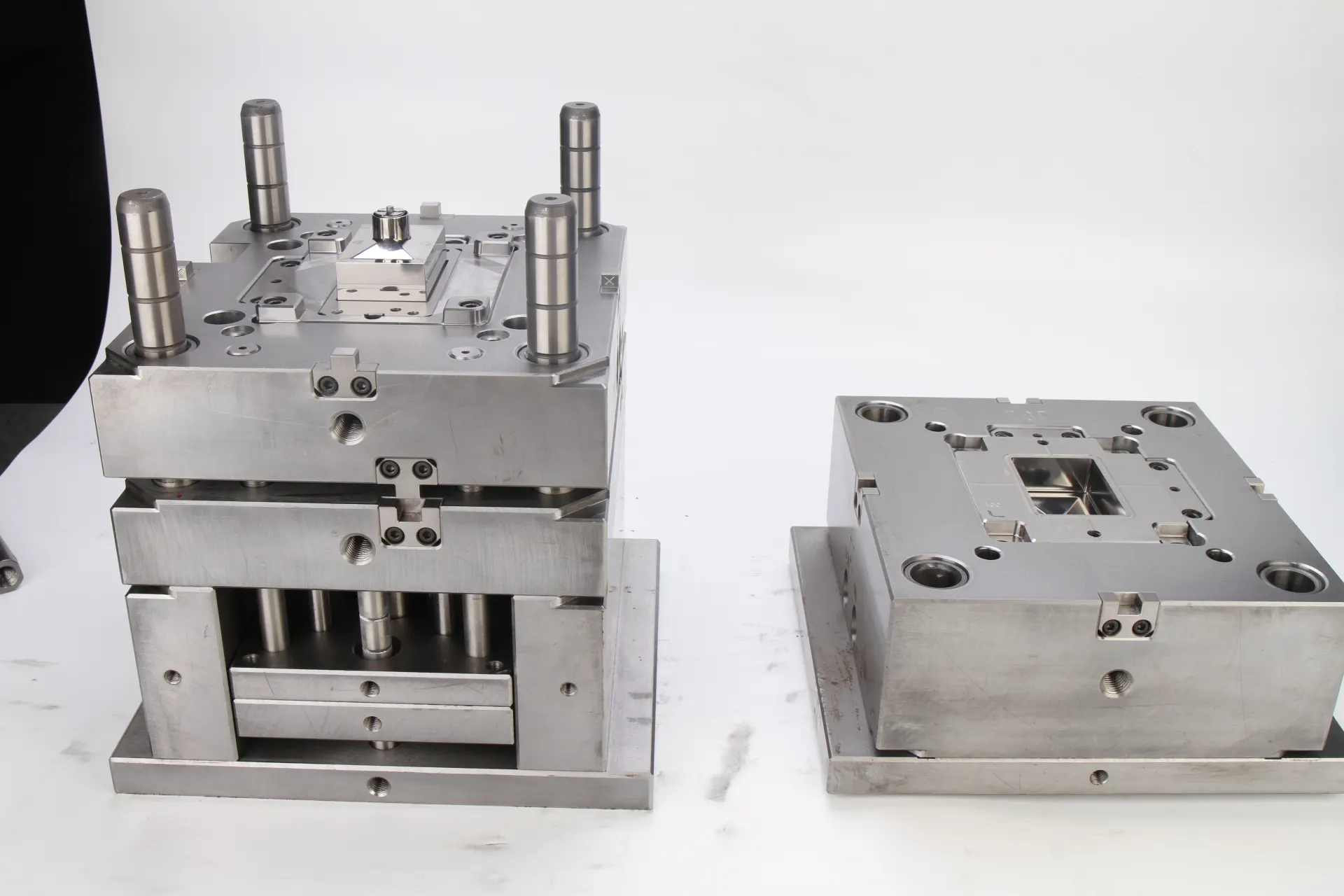
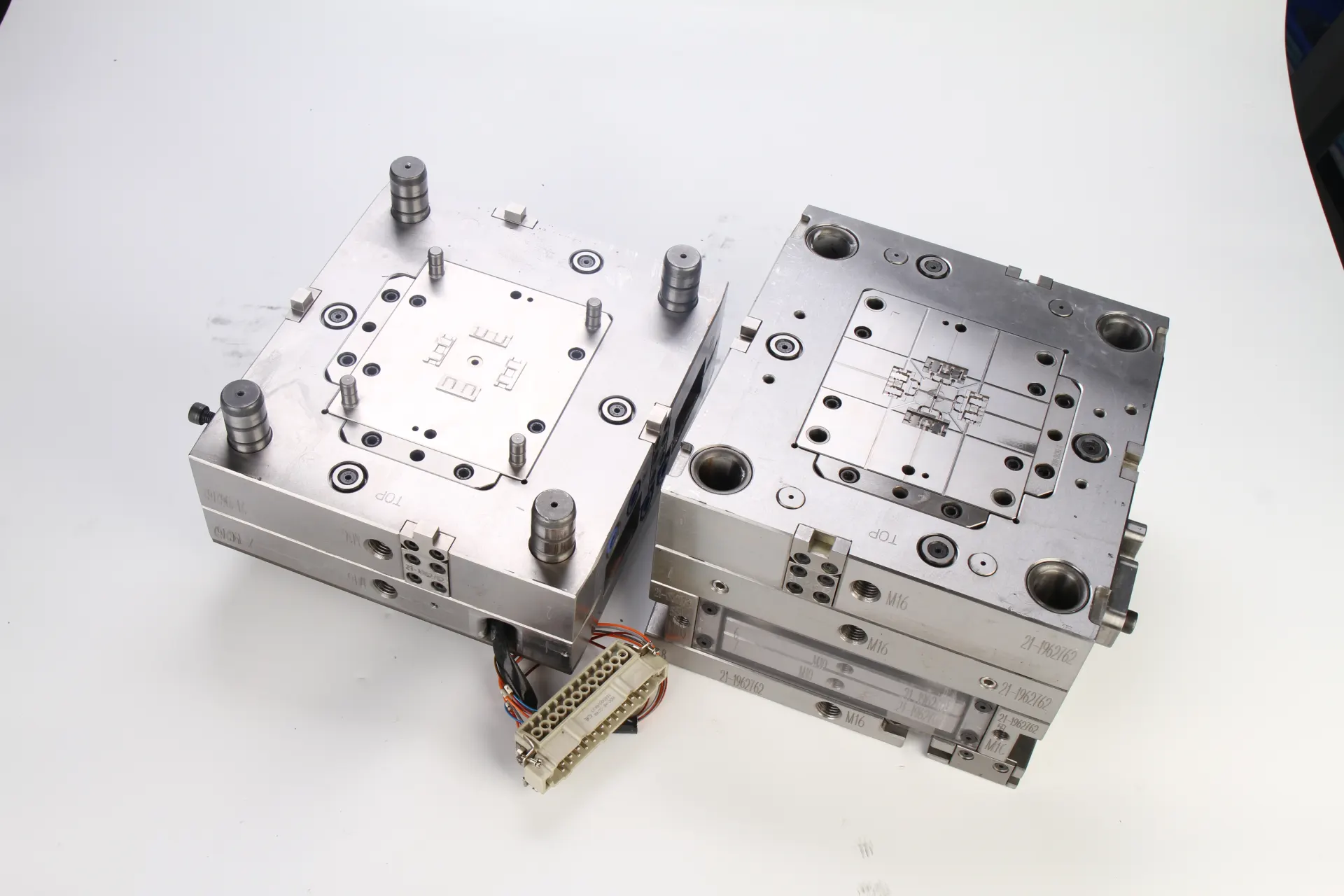
| Tooling Flexibility | Capabilities ranging from prototype tooling (aluminum/soft steel) to high-cavitation, hardened steel production molds. |
By prioritizing strict regulatory adherence, cleanroom infrastructure, early engineering support, and rigorous process validation, you can secure a manufacturing partner that lowers your compliance risk and delivers consistent product quality.
If you are looking for a our medical molding solutions, please feel free to contact us.
Email: Yuliya.chen@yizemould.com
Telephone/WhatsApp: +86 13342659272