



-

Micro LSR Seal Design: Flash Prevention Tips for Precision Molding
-
Advantages of Liquid Silicone Rubber (LSR): Why It Is Replacing Traditional Rubber and Plastics
-
LSR Injection Molding (Cold Runner) vs. Compression Molding LSR (Runnerless): Process & Selection Guide
-
Medical Injection Molding DFM Checklist & Design Guidelines
Custom Liquid Silicone Molding
2026-08-26




复制成功
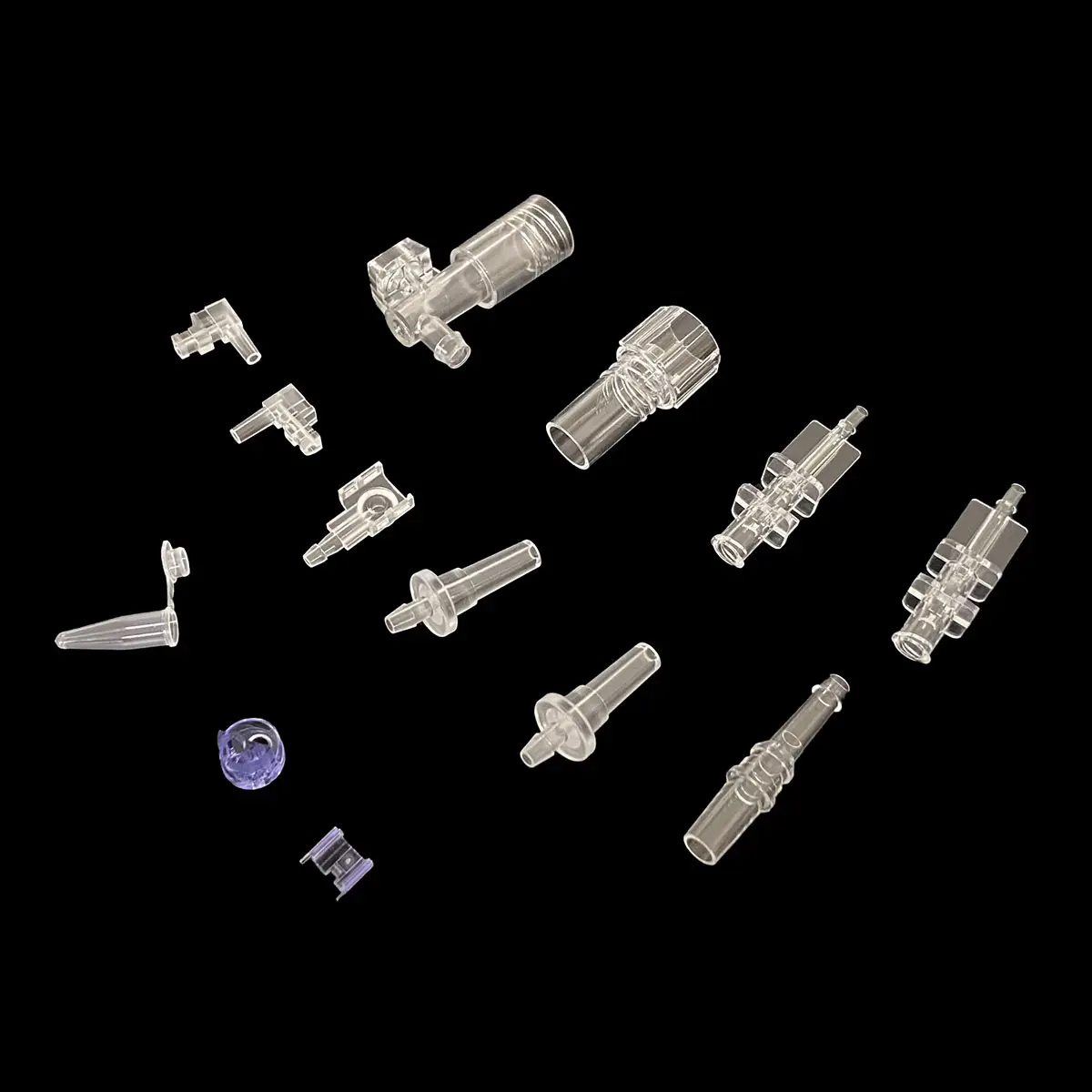
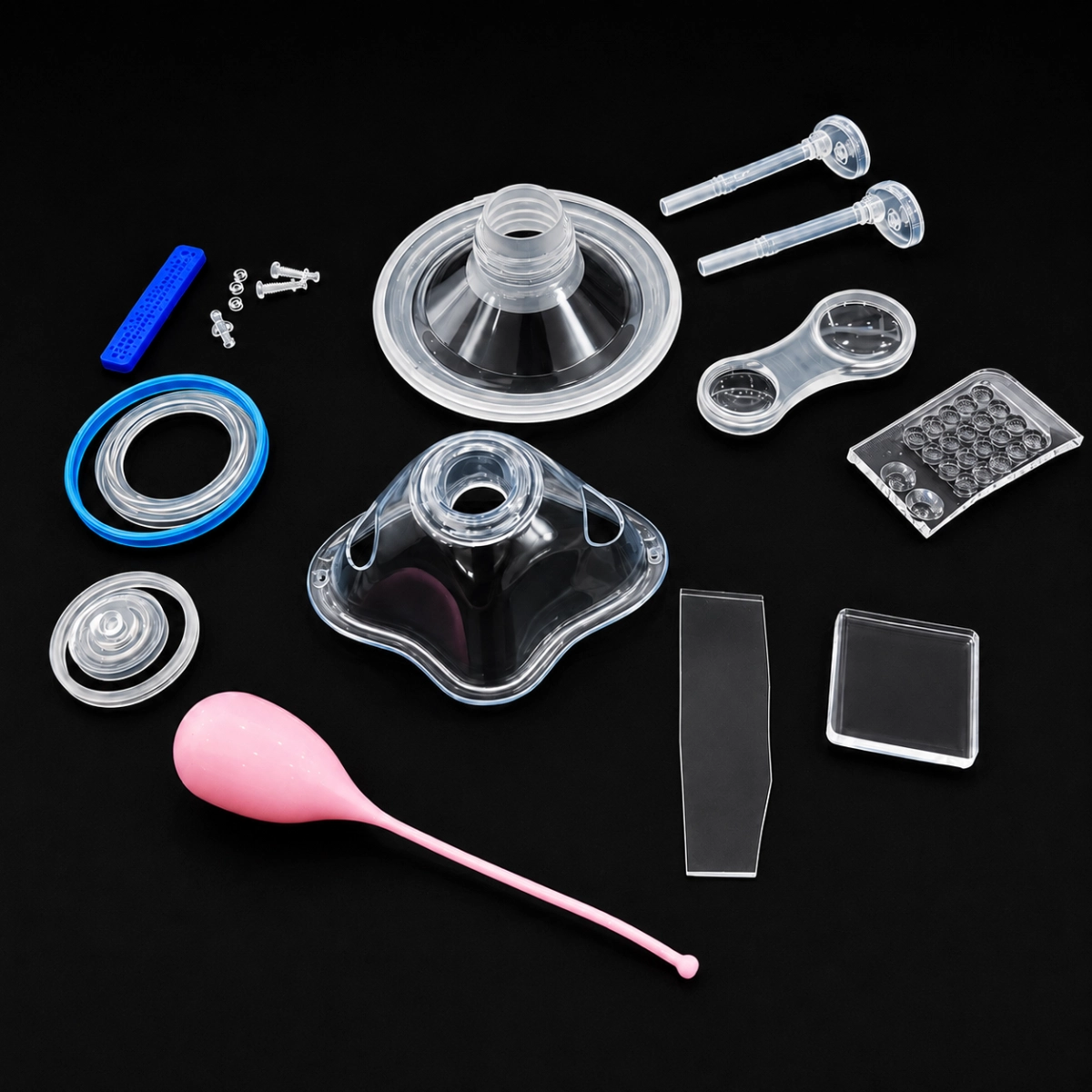
When products require flexibility, durability, precision, and reliable sealing, traditional plastics may not provide the required performance. Custom liquid silicone molding uses Liquid Silicone Rubber (LSR) to produce complex and consistent silicone components.
LSR molding is widely used in medical devices, automotive components, electronics, industrial seals, and consumer products because of its excellent elasticity, temperature resistance, chemical stability, and repeatability.
一、What Is Custom Liquid Silicone Molding?
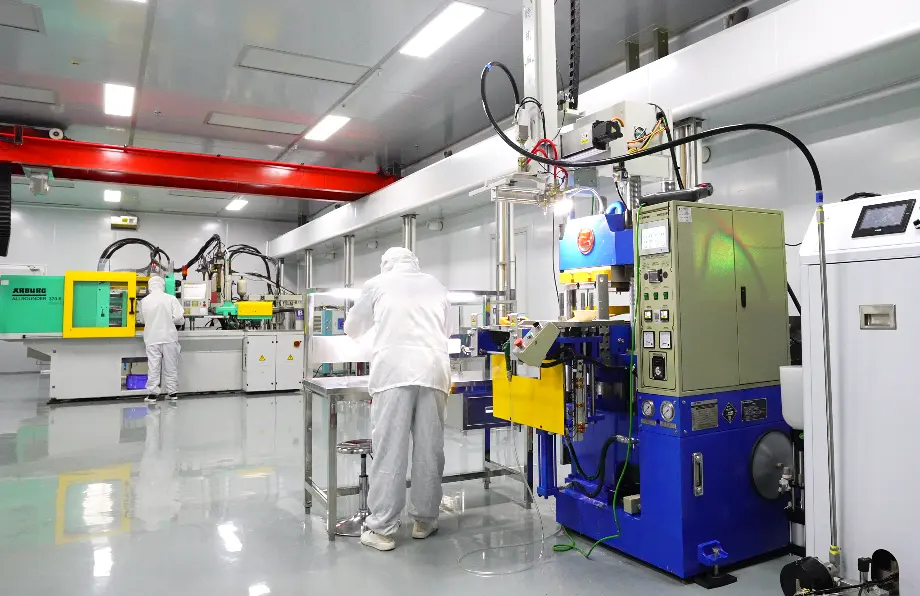
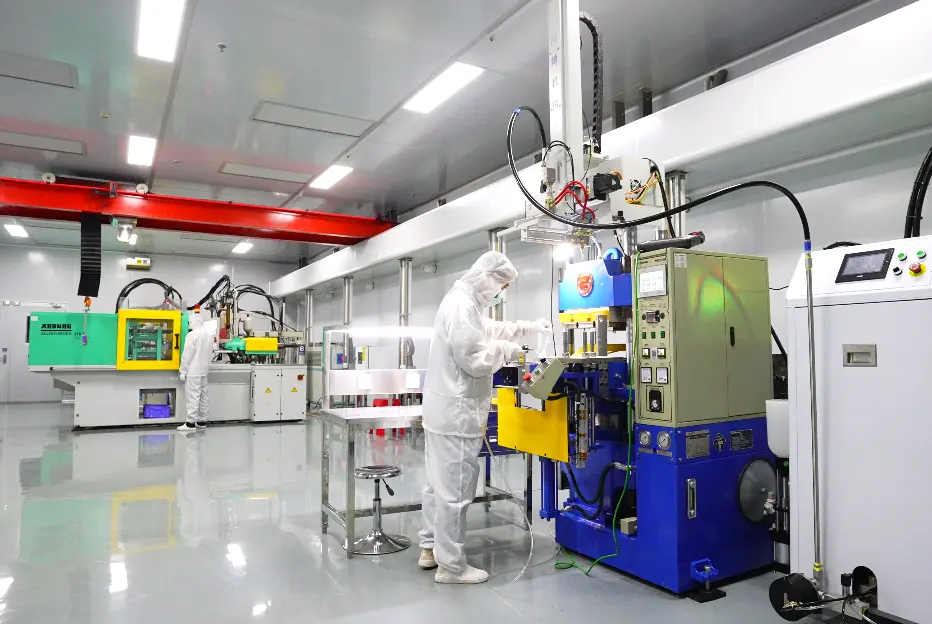
Custom liquid silicone molding is an injection molding process that uses two-component liquid silicone rubber. The material is accurately mixed, injected into a heated mold, and cured to form the final part.
It is suitable for:
- Complex silicone components
- Precision seals and gaskets
- Flexible medical parts
- Automotive sealing components
- Electronic protection components
二、How Does LSR Molding Work?
1. Mold Design
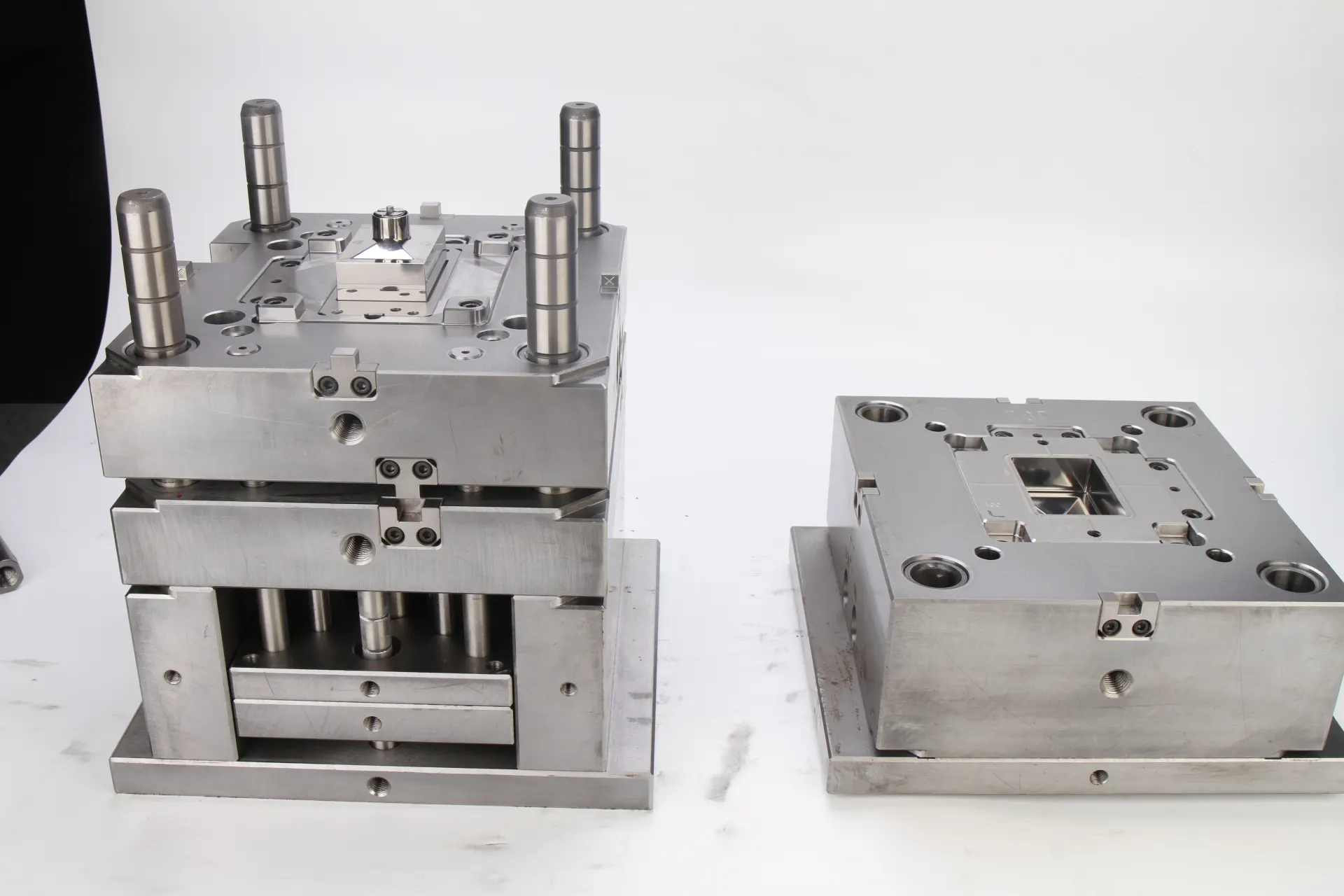
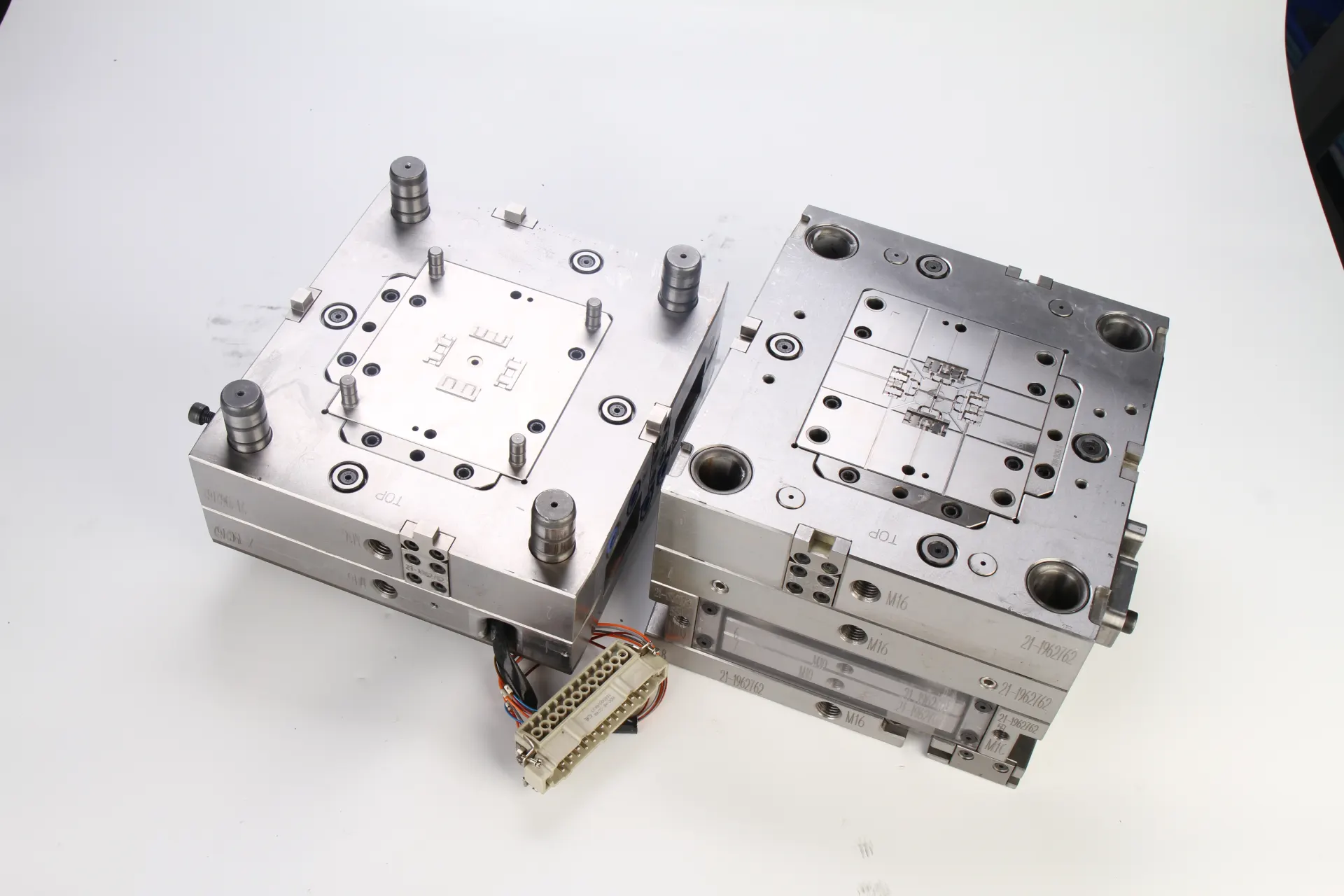
Engineers optimize the part design, gate, venting, parting line, and tolerances.
2. Material Mixing
Two LSR components are precisely metered and mixed before injection.
3. Injection & Curing
The liquid silicone is injected into a heated mold and cured under controlled conditions.
4. Demolding & Inspection
The finished part is removed, trimmed if necessary, and inspected for appearance and dimensions.
三、Key Benefits
1.High Precision
LSR can produce complex geometries and detailed features with consistent results.
2.Excellent Durability
Silicone provides good elasticity, temperature resistance, and chemical stability.
3.Consistent Mass Production
Automated material metering and molding processes support stable high-volume production.
4.Suitable for Clean Applications
Specialized LSR molding can meet demanding cleanliness requirements for medical and other sensitive applications.

四、Common Applications
- Medical: seals, valves, diaphragms, flexible components
- Automotive: gaskets, connectors, protective covers
- Electronics: seals, insulation, protective components
- Consumer Products: grips, buttons, soft-touch components
- Industrial: seals, gaskets, membranes
五、How to Avoid Common LSR Molding Problems
Flash: Optimize mold precision, parting lines, and clamping conditions.
Air Traps: Improve venting and gate design.
Dimensional Variation: Control material, mold temperature, curing time, and injection parameters.
Surface Defects: Maintain clean tooling and stable production conditions.
Conclusion
Custom liquid silicone molding provides an efficient solution for producing precise, flexible, and durable silicone components. With the right material, mold design, and process control, LSR molding can support applications ranging from medical devices to automotive and electronics.
FAQ
Is LSR suitable for complex parts?
Yes. LSR's excellent flow properties make it suitable for many complex and precision silicone components.
Can LSR be used for medical products?
Yes. Medical-grade LSR can be used when the material, manufacturing process, cleanliness, and quality requirements are properly controlled.
Is LSR molding suitable for mass production?
Yes. Automated LSR molding provides excellent repeatability and is suitable for medium- and high-volume production.
What information is needed for a custom LSR project?
A 3D CAD file, material requirements, production volume, tolerances, and application requirements are usually sufficient to begin a technical evaluation.
Learn more about liquid silicone rubber mold injection molding:learn more