



-

Micro LSR Seal Design: Flash Prevention Tips for Precision Molding
-
Advantages of Liquid Silicone Rubber (LSR): Why It Is Replacing Traditional Rubber and Plastics
-
LSR Injection Molding (Cold Runner) vs. Compression Molding LSR (Runnerless): Process & Selection Guide
-
Medical Injection Molding DFM Checklist & Design Guidelines
Liquid Silicone Injection Molding Process: Complete Step-by-Step Guide
2026-08-24




复制成功
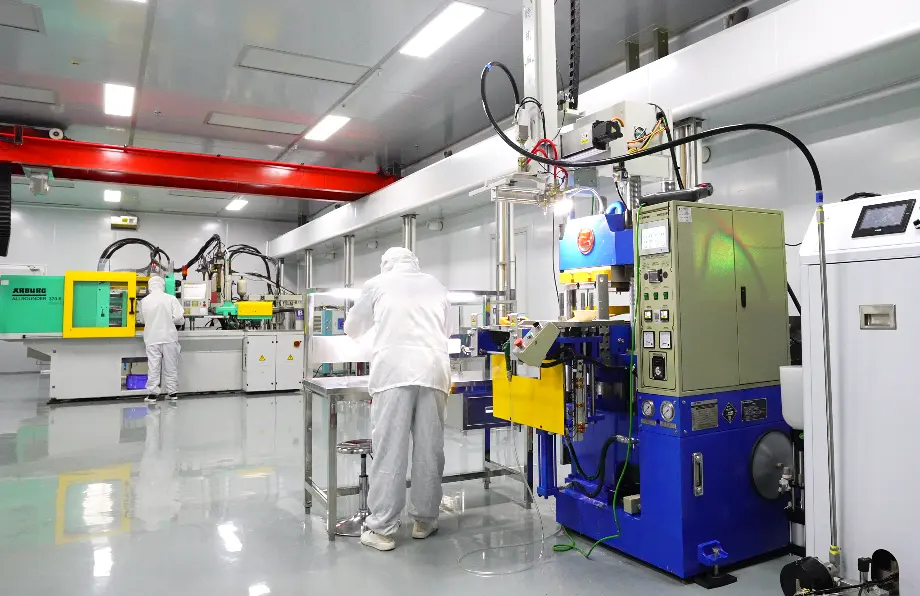
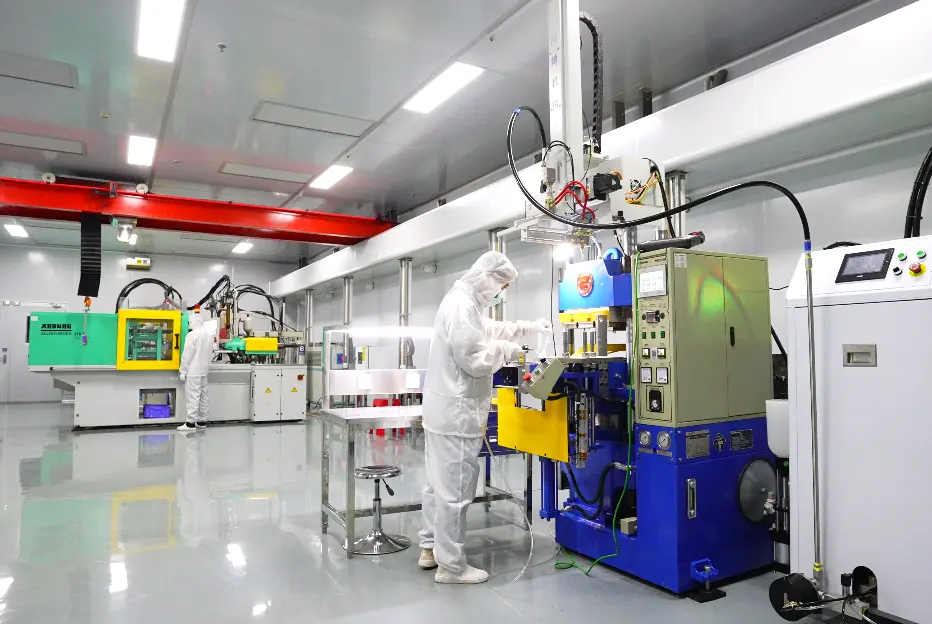
Manufacturing precision silicone components often leads to unexpected air traps, excessive flashing, or sticky parts. Operating a liquid silicone injection molding process requires an inverted thermal mindset: unlike thermoplastics, liquid silicone rubber (LSR) stays liquid when cold and cures instantly when heated. Controlling this unique behavior is key to eliminating costly scrap rates.

4-Step Breakdown of the LSR Injection Molding Process
Dosing & Mixing: Component A (catalyst) and B (cross-linker) are pumped at a strict 1:1 ratio through a static mixer.
Precision Injection: The mixture enters a chilled barrel (15°C–20°C) and is injected into the hot mold cavity.
Thermal Curing: The heated mold (170°C–210°C) triggers rapid vulcanization within seconds.
Demolding: Flexible parts are ejected via air blasts or mechanical strippers without damage.

Process Parameter Comparison: LSR vs. Thermoplastics
| Parameter | Thermoplastics | Liquid Silicone Rubber (LSR) |
| Material Entry | Solid pellets melted by heat | 2-part liquid mixed at room temp |
| Barrel Temp | Heated (200°C – 350°C) | Chilled (15°C – 20°C) |
| Mold Temp | Cooled (20°C – 90°C) | Heated (170°C – 210°C) |
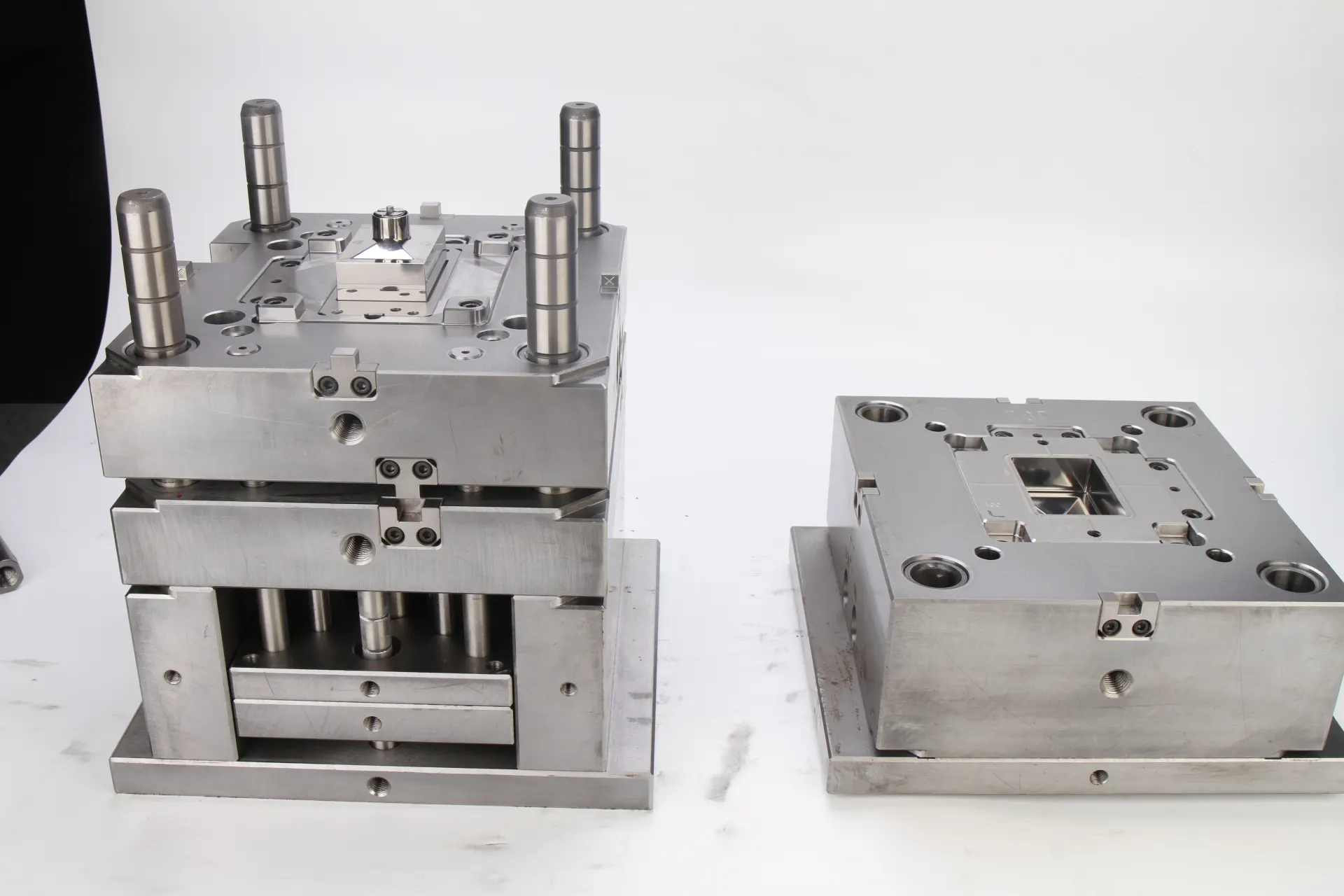
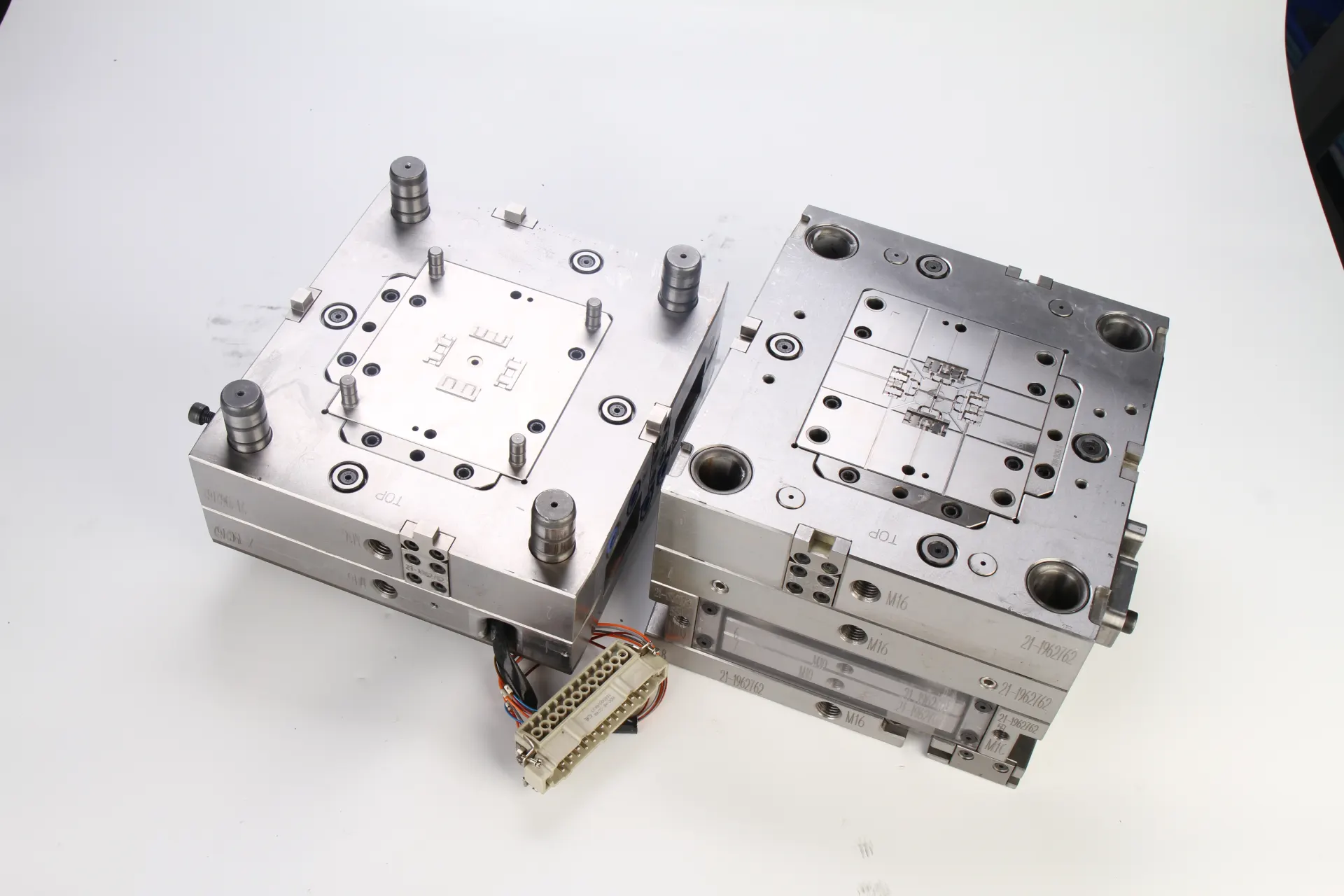
| Flash Risk | Low | Extremely High (Clearance < 0.005 mm) |
Common Defects & Solutions
Parting Line Flash: Caused by ultra-low viscosity. Reduce peak injection pressure and ensure mold tolerances are under 5 microns.
Sticky / Uncured Parts: Caused by low mold temp or sulfur poisoning. Increase heat and avoid contamination from latex or sulfur compounds.
Air Traps: Trapped air causes burns. Evacuate the cavity using a vacuum pump before injection.
Key Takeaways
Mastering LSR processing comes down to exact 1:1 mixing, maintaining cold-barrel to hot-mold thermal control, and tight tool sealing.
For more details, read our guides on Liquid Silicone Solutions
FAQ
What is the average LSR cycle time?
15 to 60 seconds, depending on the thickest wall section and mold temperature.
Can LSR be overmolded onto plastics?
Yes, provided the plastic base (like PA or PBT) can withstand the high mold curing temperatures.
Why is a vacuum pump required?
Because LSR flows so easily, tight vents aren't enough—vacuuming prevents trapped air pockets.