




-

Advantages of Liquid Silicone Rubber (LSR): Why It Is Replacing Traditional Rubber and Plastics
-
LSR Injection Molding (Cold Runner) vs. Compression Molding LSR (Runnerless): Process & Selection Guide
-
Medical Injection Molding DFM Checklist & Design Guidelines
-
Liquid Silicone Rubber (LSR) vs. Thermoplastic Injection Molding for Medical Devices

Precision Medical Plastic Components Manufacturing: Materials, Cleanroom Molding & Compliance
2026-08-21




复制成功
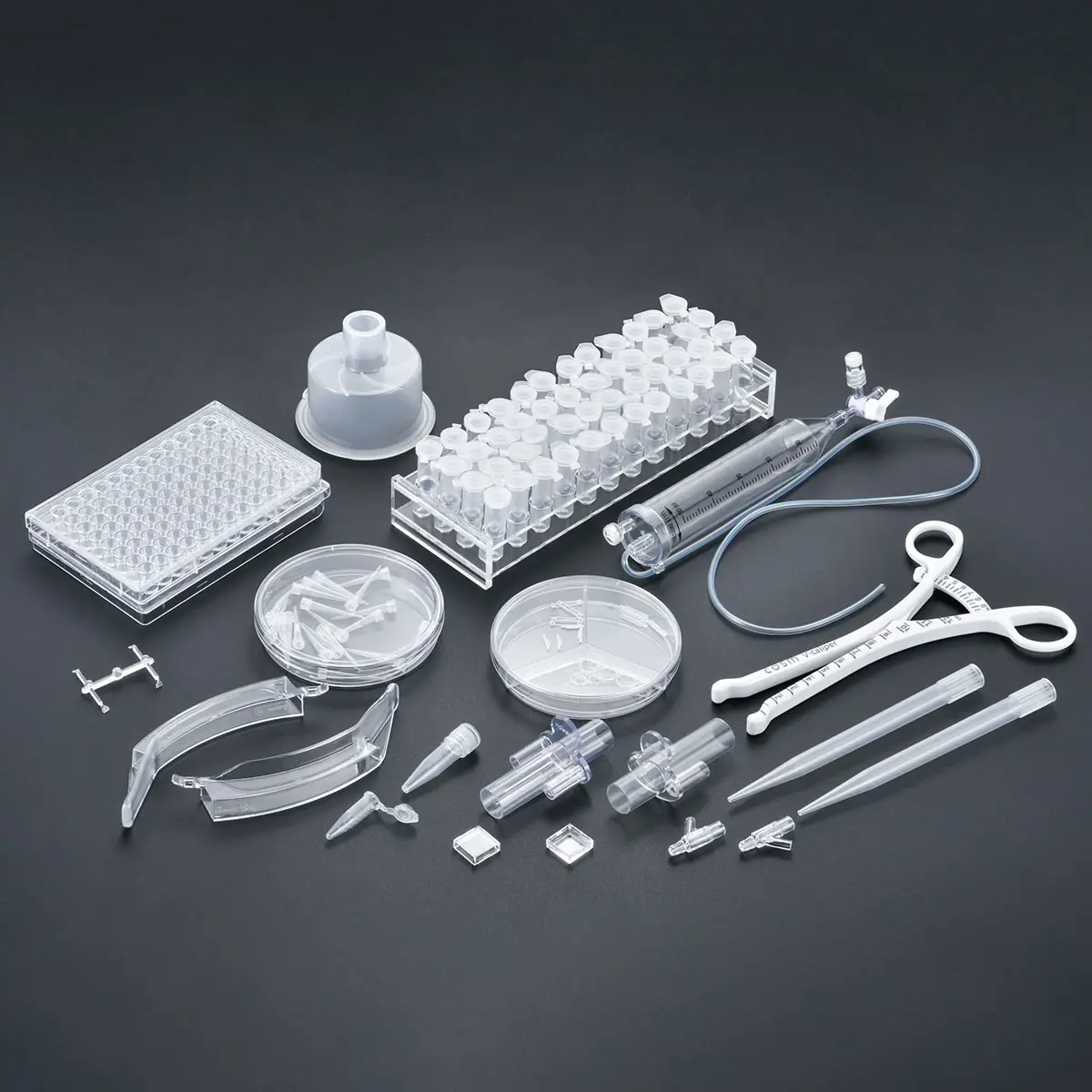
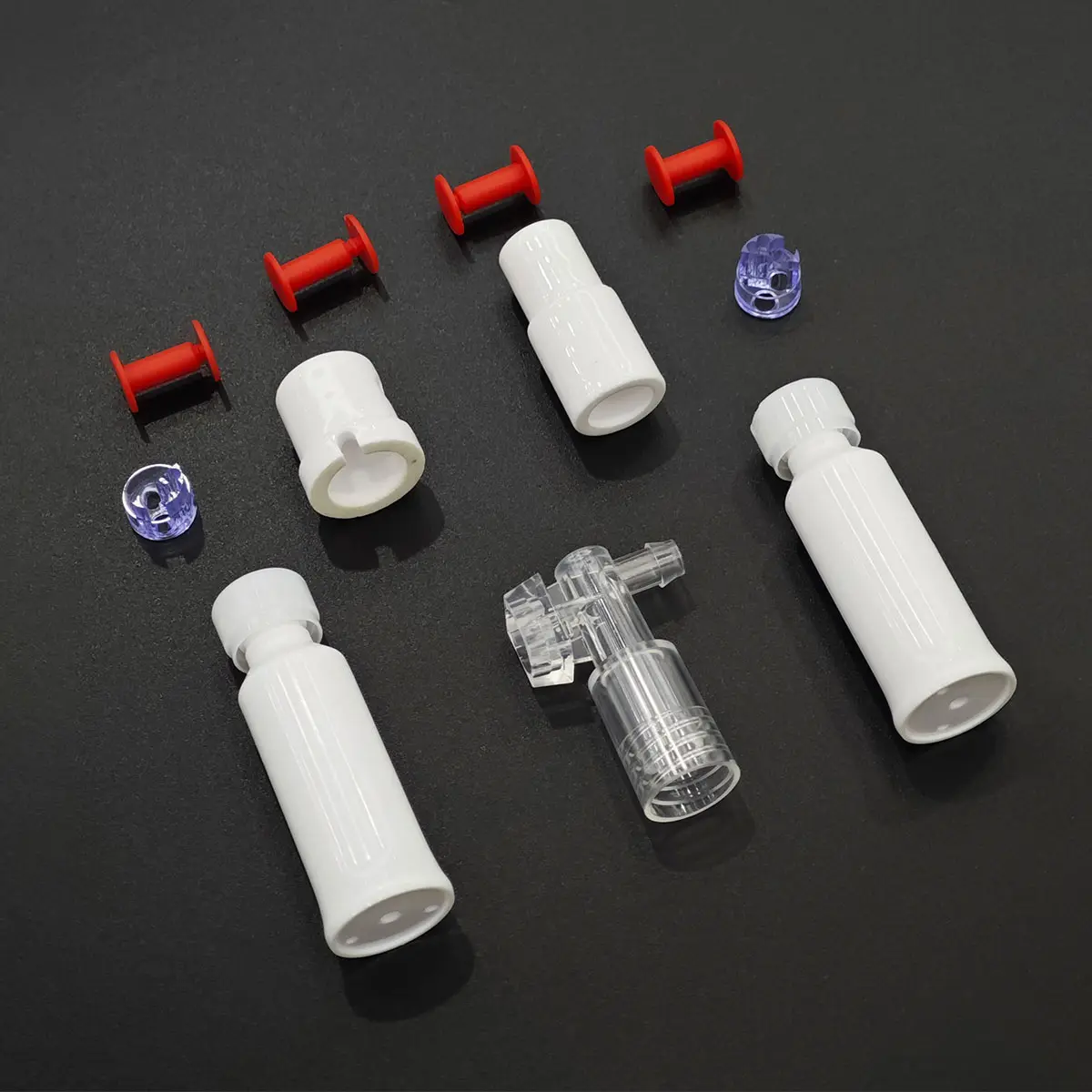
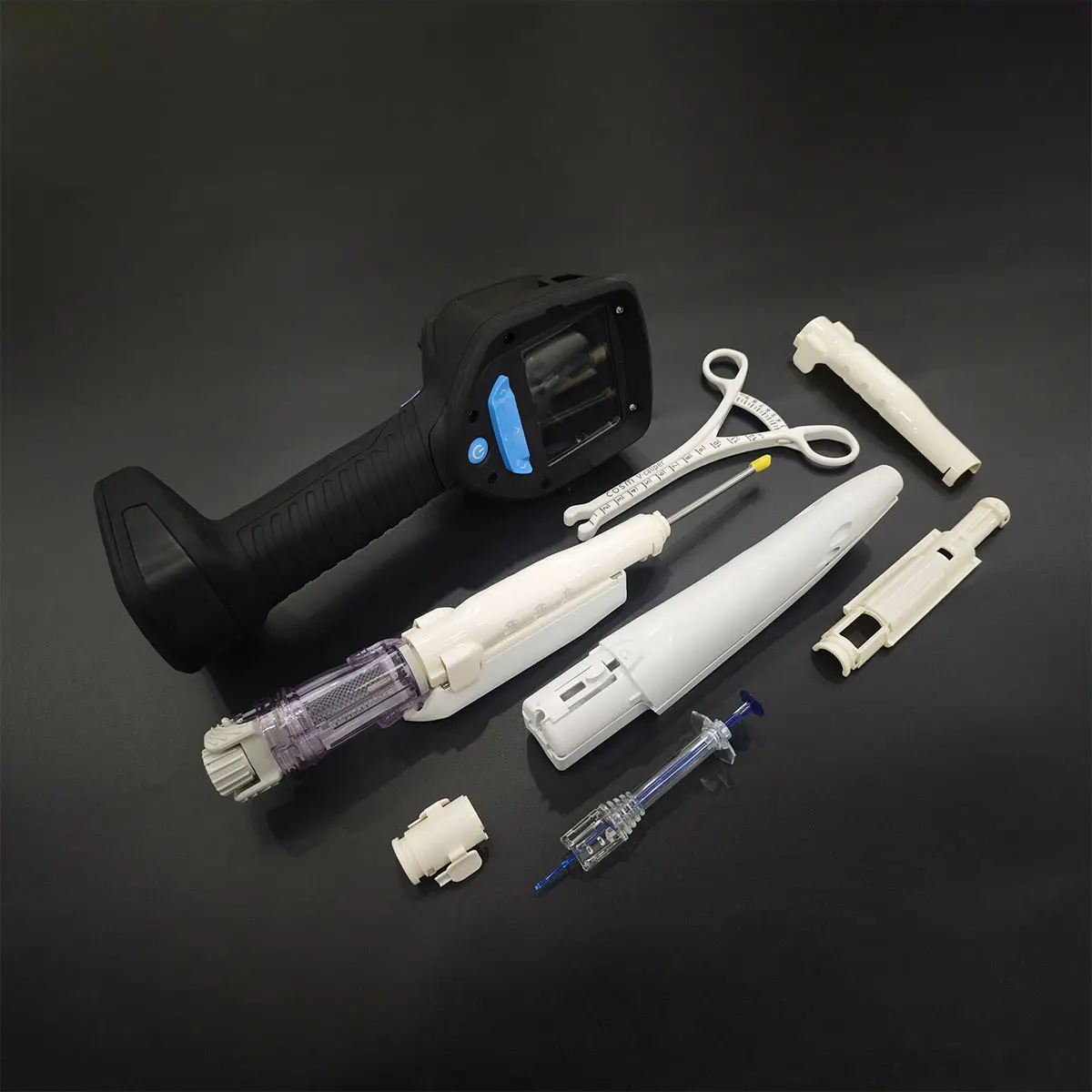
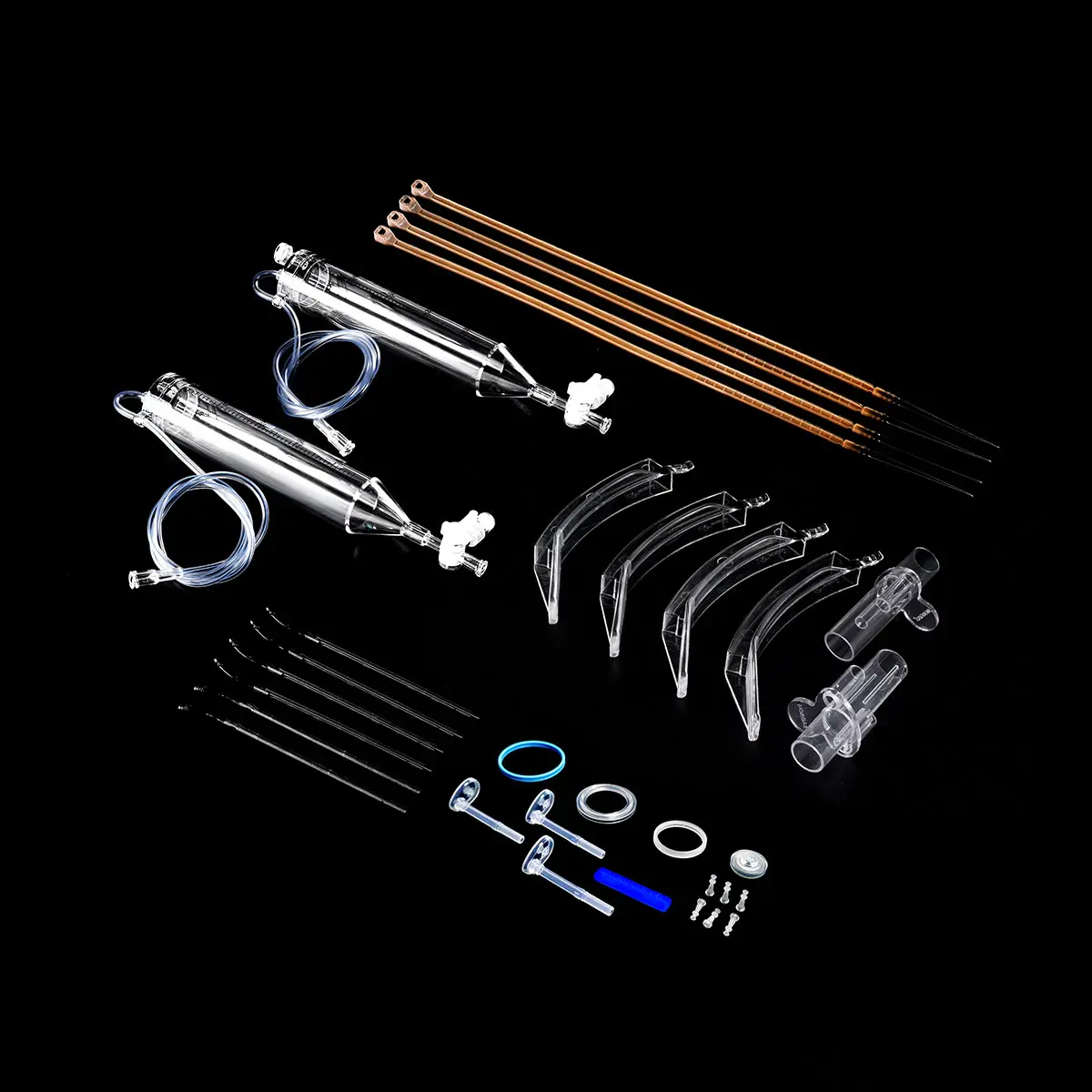
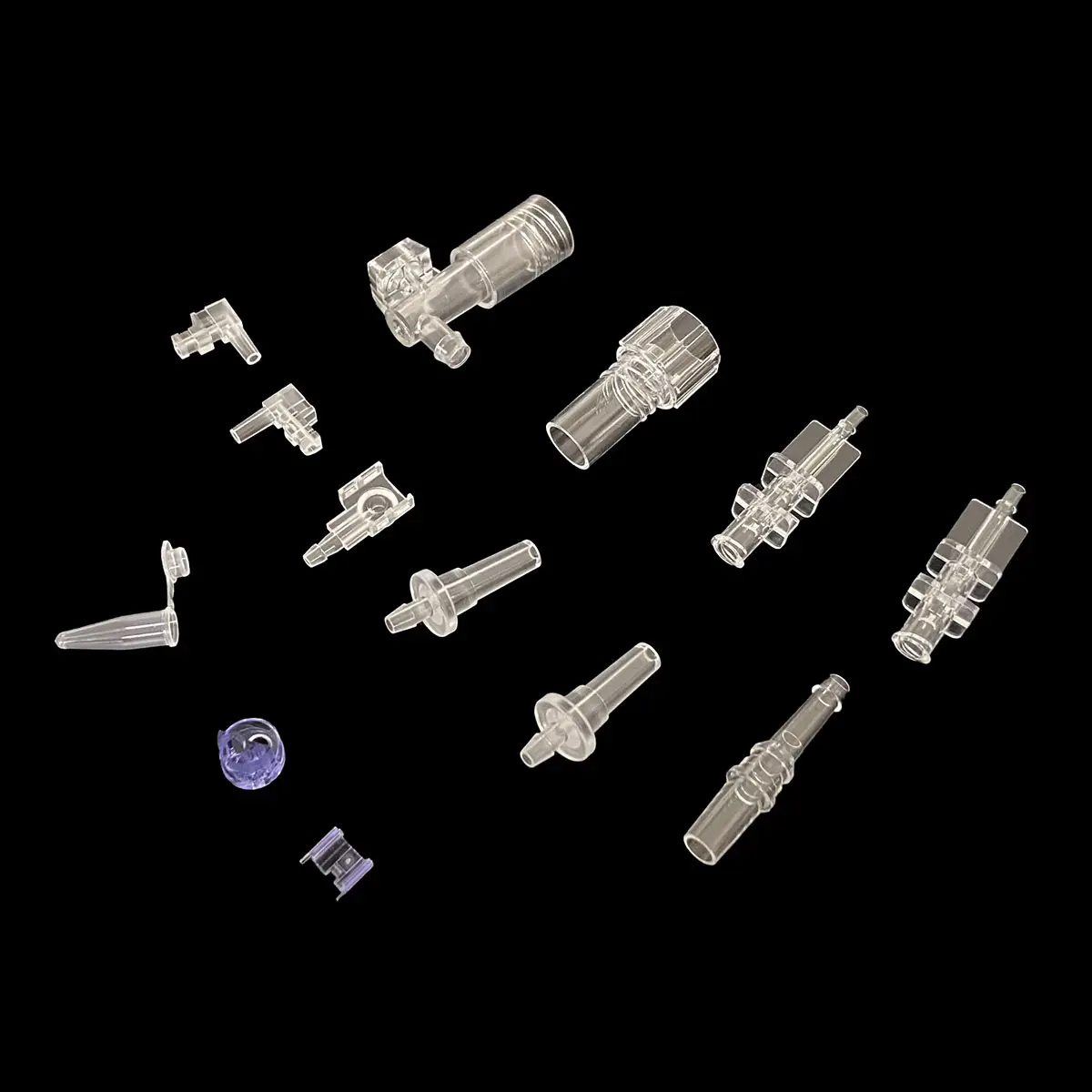
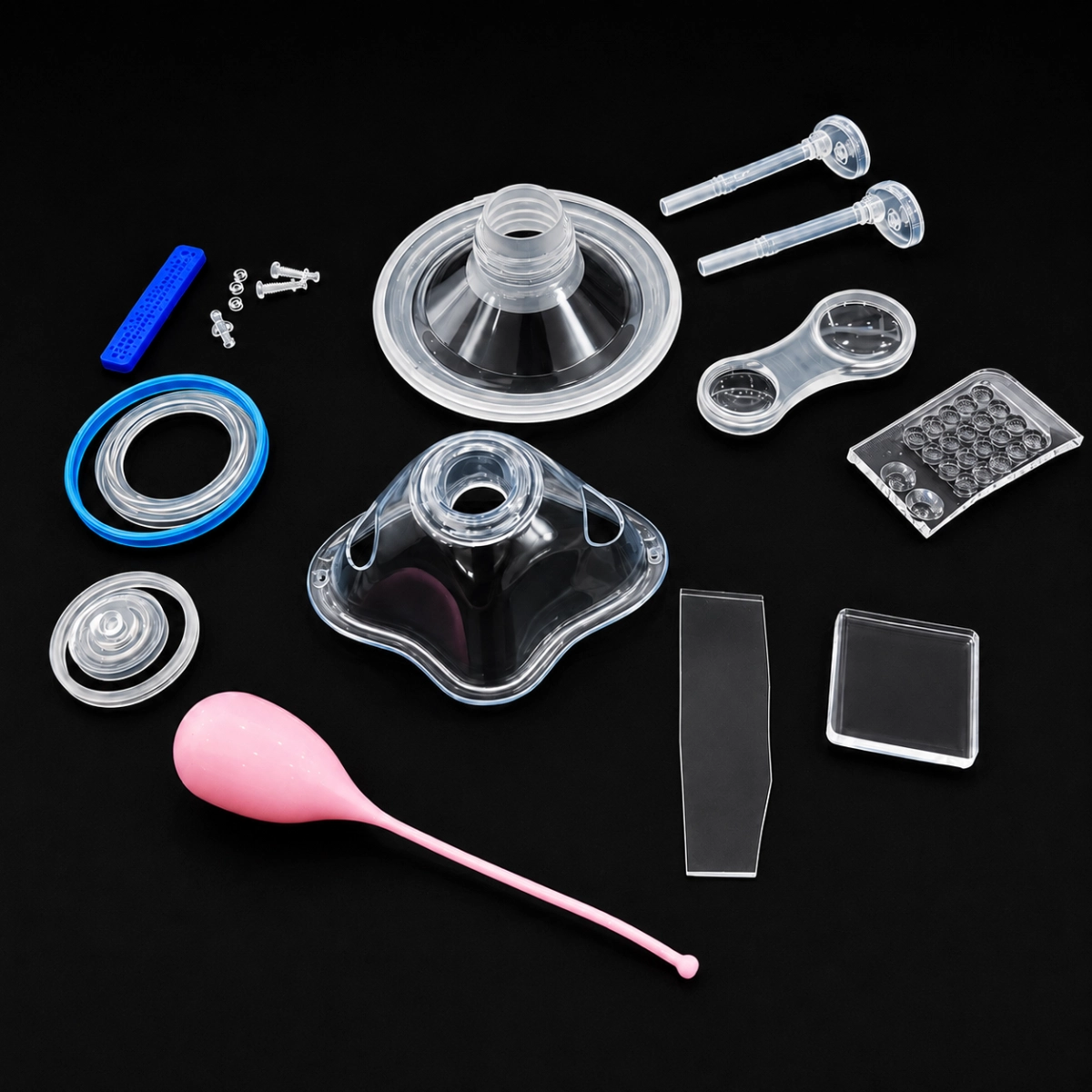
With the rapid advance of minimally invasive surgical instruments, microfluidic chips, in vitro diagnostic (IVD) devices, and smart drug delivery systems, precision medical plastic components manufacturing has become one of the most critical technical links in the high-end medical device supply chain.
Unlike standard industrial plastic products, medical plastic components demand extremely strict criteria regarding dimensional tolerances (often at the micron level), biocompatibility, sterile cleanliness, and full lifecycle traceability. Any minor defect or quality discrepancy can directly impact diagnostic accuracy or even jeopardize patient safety.
1. Medical-Grade Plastic Resin Selection: Performance and Biocompatibility
The first crucial milestone in precision medical plastic manufacturing is material selection. Polymer materials must strictly comply with USP Class VI and ISO 10993 biocompatibility standards (e.g., non-cytotoxic, non-sensitizing, and non-irritating):
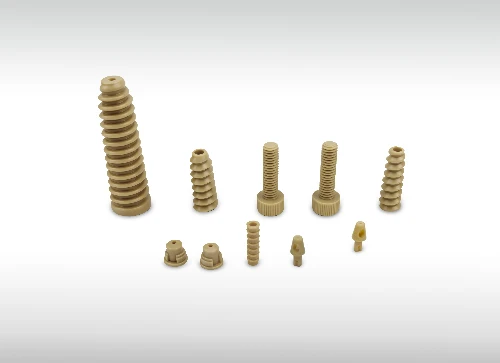
High-Performance Engineering Plastics (PEEK, PPSU): Exhibit exceptional heat and chemical resistance, enduring hundreds of autoclave steam sterilization cycles; widely used in surgical tool handles and orthopedic trial implants.
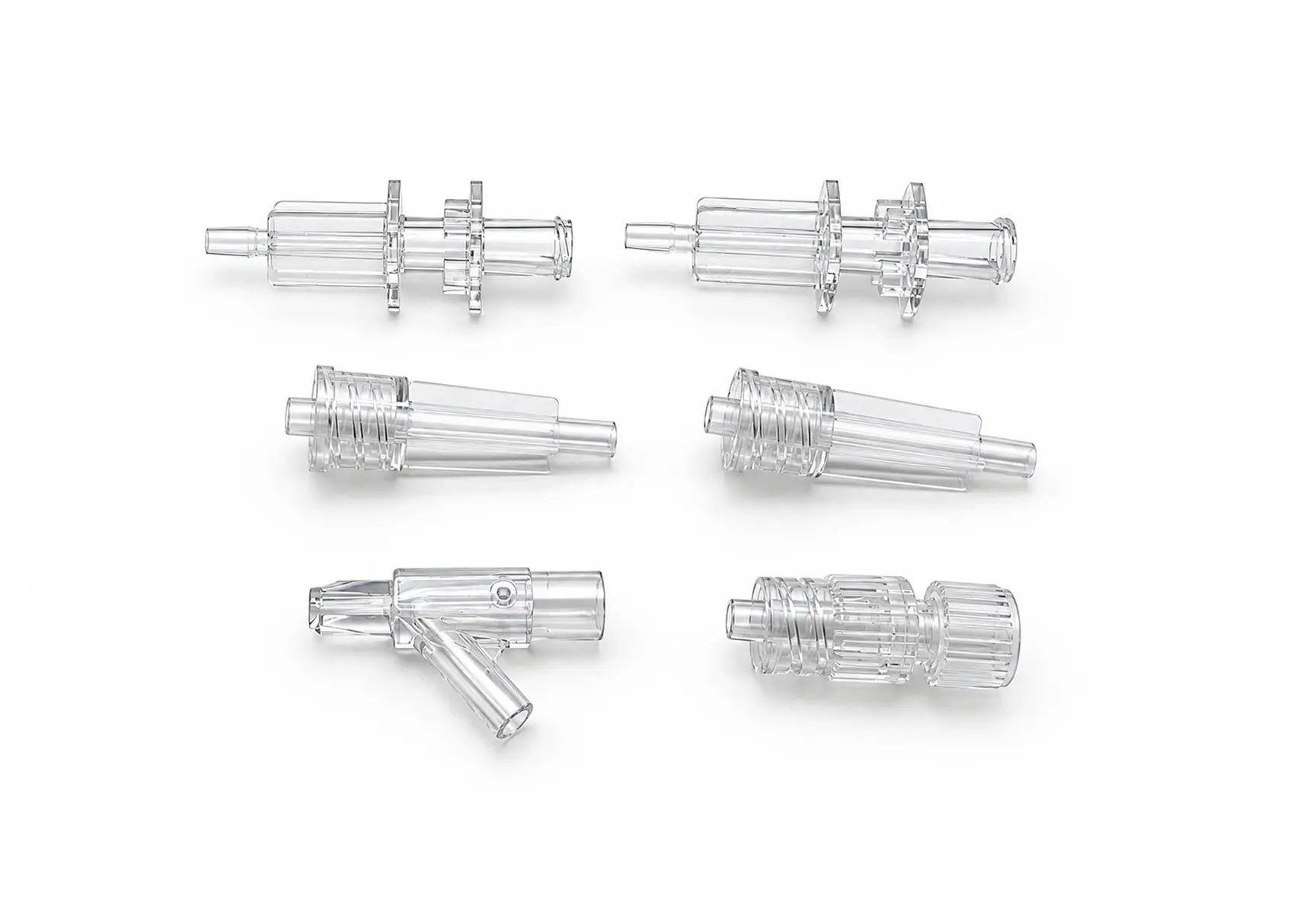
Cyclic Olefin Polymers (COC / COP): Possess glass-like optical transmittance, extremely low optical birefringence, and excellent moisture barrier properties, making them the top choice for microfluidic chips, cuvettes, and prefillable syringes.
Standard Medical-Grade Plastics (Medical-grade PP, PC, PMMA): Extensively applied in disposable IV sets, syringe plungers, hemodialyzer housings, and diagnostic test tubes.
2. Core Manufacturing Processes: ISO Cleanroom Molding & Precision Tooling
Successful production of precision medical plastic components relies on the seamless integration of controlled environments and high-precision equipment:
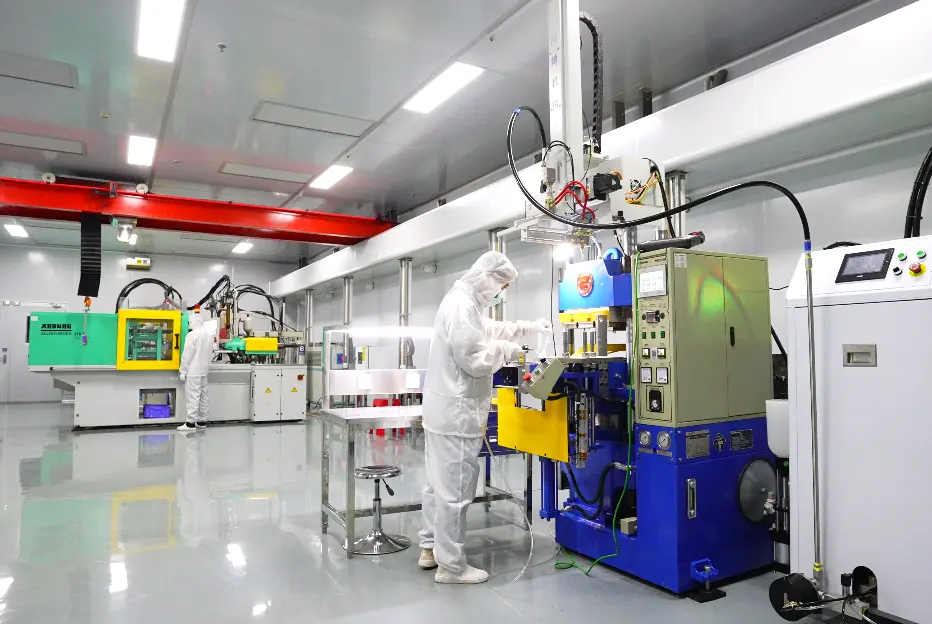
ISO Class 7 / Class 8 Cleanroom Production: Medical injection molding must be conducted within positive-pressure, HEPA-filtered cleanrooms. This strictly limits bioburden and sub-micron particulates to prevent contamination-induced microvascular embolisms or pyrogenic reactions.
All-Electric Injection Molding Technology: Eliminates oil-mist contamination risks associated with hydraulic systems, delivering precise injection pressure control (millisecond response) and extreme position repeatability (±0.01mm) for micro-molded parts and thin-wall structures.
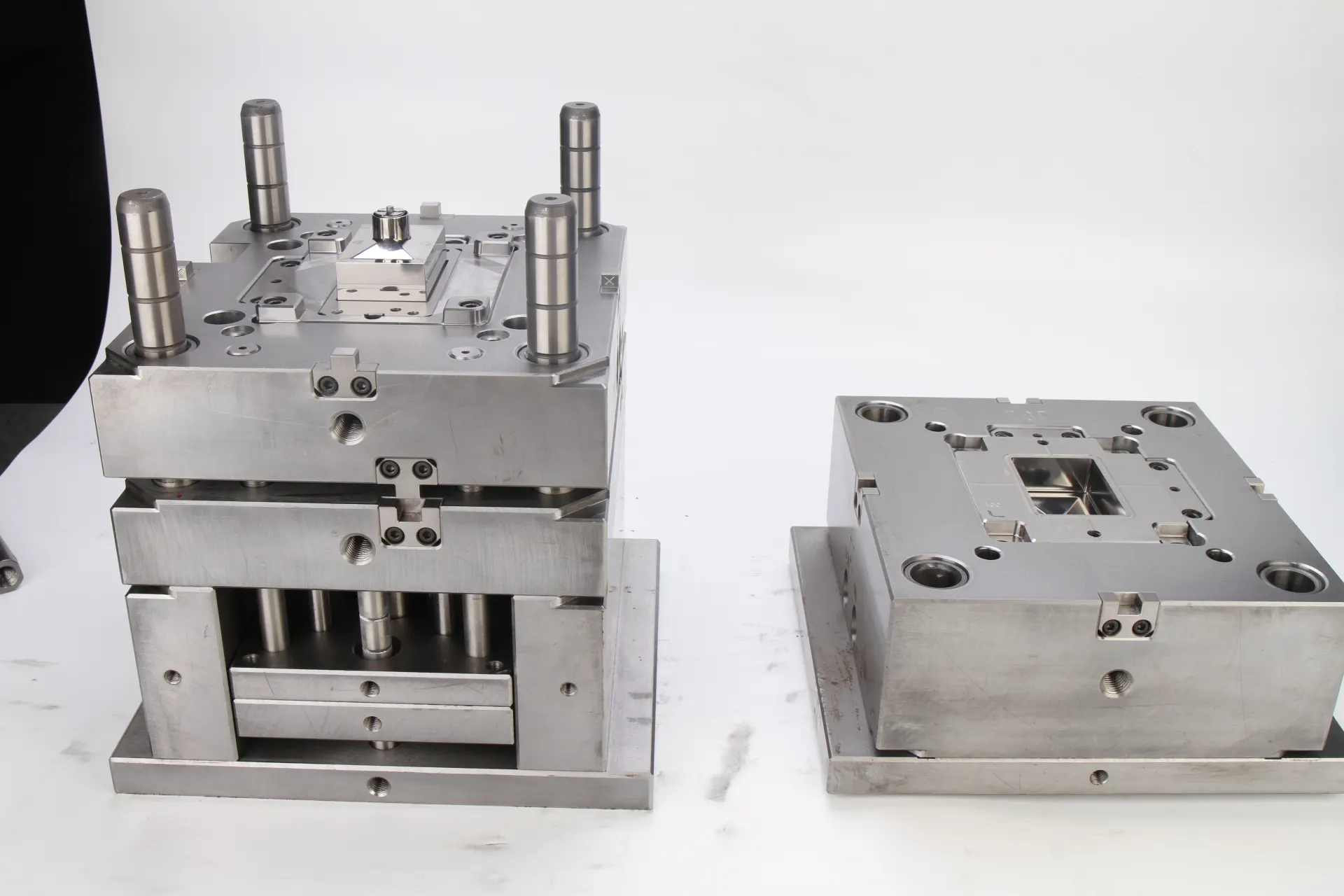
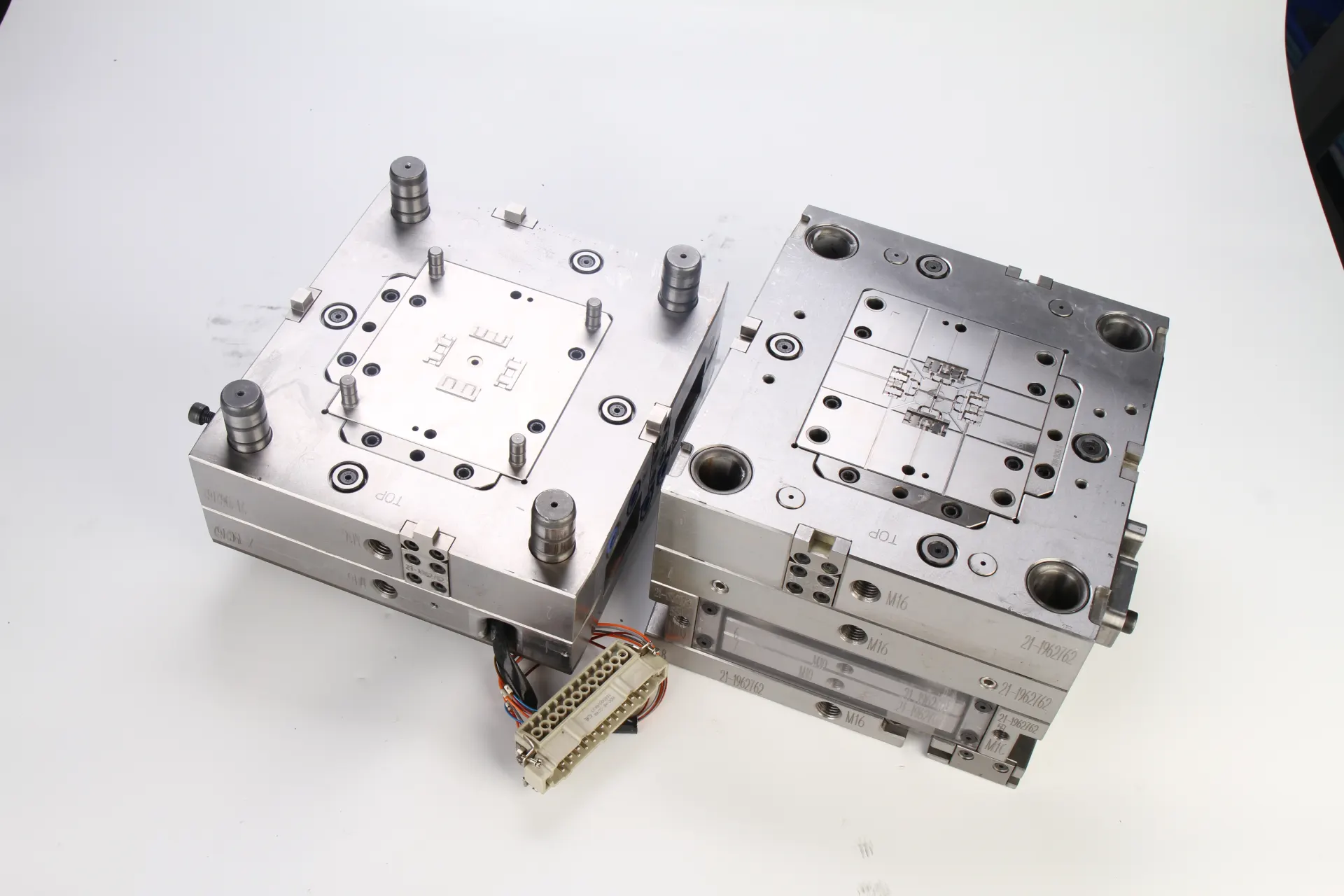
Ultra-Precision Tooling & Runner Optimization: Employs mirror-finish EDM machining and nanometer-scale polishing combined with Moldflow analysis to accurately predict residual stress, shrinkage, and air traps, ensuring smooth part ejection even with minimal draft angles.
3. Quality Management Systems and Regulatory Validation
In the medical device industry, "manufacturing is compliance." Industry-leading medical plastic manufacturers must establish robust compliance systems:
| Validation & Compliance Aspect | Core Requirements & Technical Standards |
| ISO 13485 System | A comprehensive quality management system covering design & development, raw material procurement, manufacturing, and final inspection. |
| Process Validation (IQ/OQ/PQ) | IQ (Installation Qualification): Verifies equipment hardware compliance; OQ (Operational Qualification): Tests process limits and operating windows; PQ (Performance Qualification): Validates long-term, continuous production stability. |
| Data Traceability | Complies with FDA 21 CFR Part 11 standards, ensuring molding parameters, material lot histories, and inspection records are tamper-proof and fully traceable. |
Summary: Precision medical plastic components manufacturing is not merely plastic processing—it is an integrated engineering discipline combining materials science, ultra-precision tooling, cleanroom environmental control, and stringent medical regulatory compliance. Partnering with a manufacturer equipped with high-precision capabilities and strict ISO 13485 certification is paramount to bringing safe and effective medical devices to market.