



-

Micro LSR Seal Design: Flash Prevention Tips for Precision Molding
-
Advantages of Liquid Silicone Rubber (LSR): Why It Is Replacing Traditional Rubber and Plastics
-
LSR Injection Molding (Cold Runner) vs. Compression Molding LSR (Runnerless): Process & Selection Guide
-
Medical Injection Molding DFM Checklist & Design Guidelines
Transitioning Medical Plastics from Prototyping to Cleanroom Mass Production
2026-08-19




复制成功
In medical device R&D and manufacturing, procurement and project managers face a common headache: "The sample is perfect, but mass production is a disaster." During the prototyping stage, dimensions and cosmetics look flawless. Yet, once transferred to cleanroom injection molding and assembly, production is plagued by warpage, flash, dimensional drift, or even yields dropping below 50%.
Prototyping prioritizes speed and proof-of-concept, whereas cleanroom mass production demands extreme repeatability and regulatory compliance. Achieving a seamless transition requires shifting away from the "rush-to-sample" mindset and locking in process windows through a structured New Product Introduction (NPI) process and IQ/OQ/PQ validation protocol.

1. Root Cause Analysis: Why Can’t a "Passing Sample" Go Straight to Mass Production?
Prototyping and cleanroom mass production rely on fundamentally different manufacturing logics. Ignoring these differences and jumping straight into mass production inevitably leads to skyrocketing setup costs and severe schedule delays.
| Evaluation Dimension | Prototyping Stage | Cleanroom Mass Production |
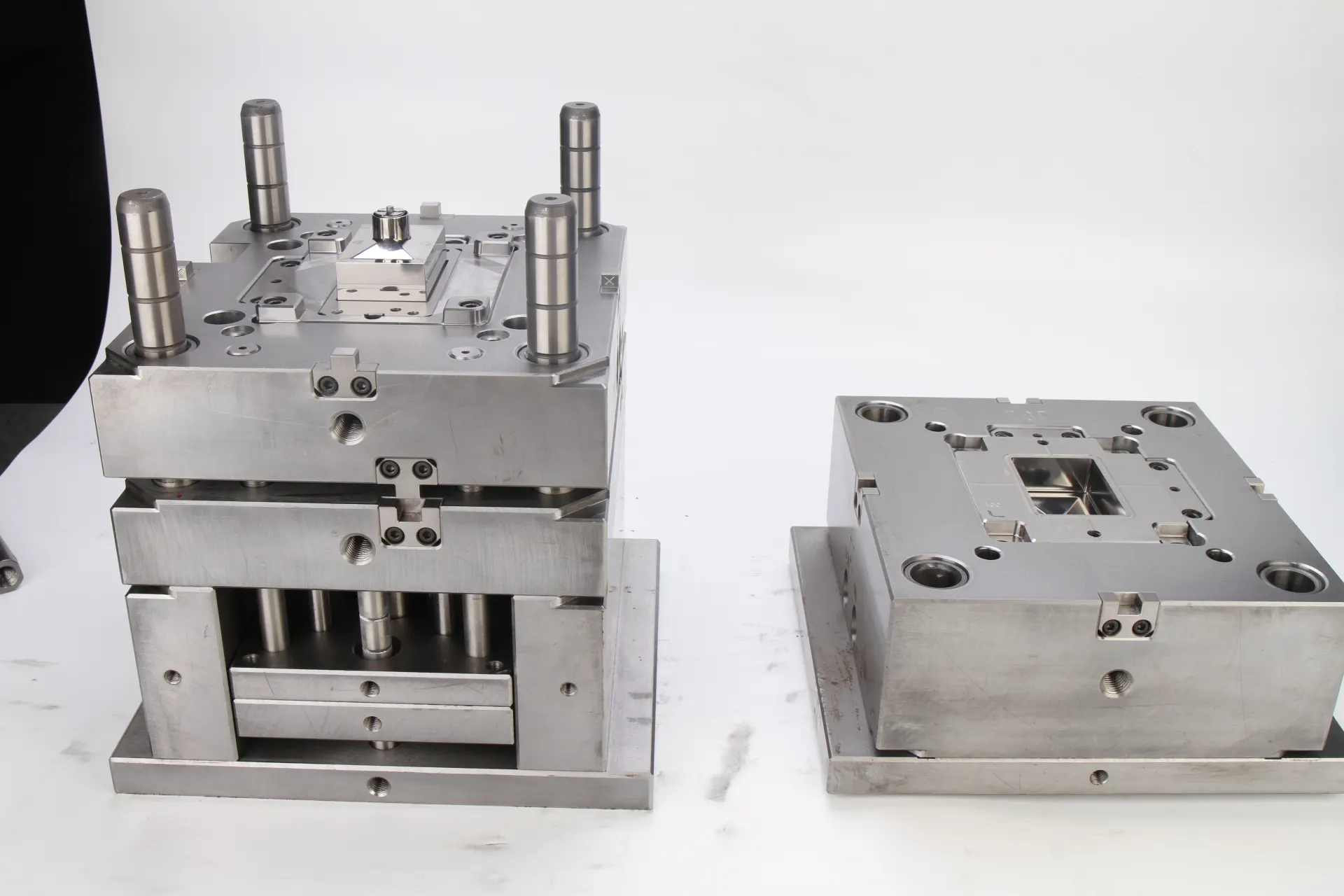
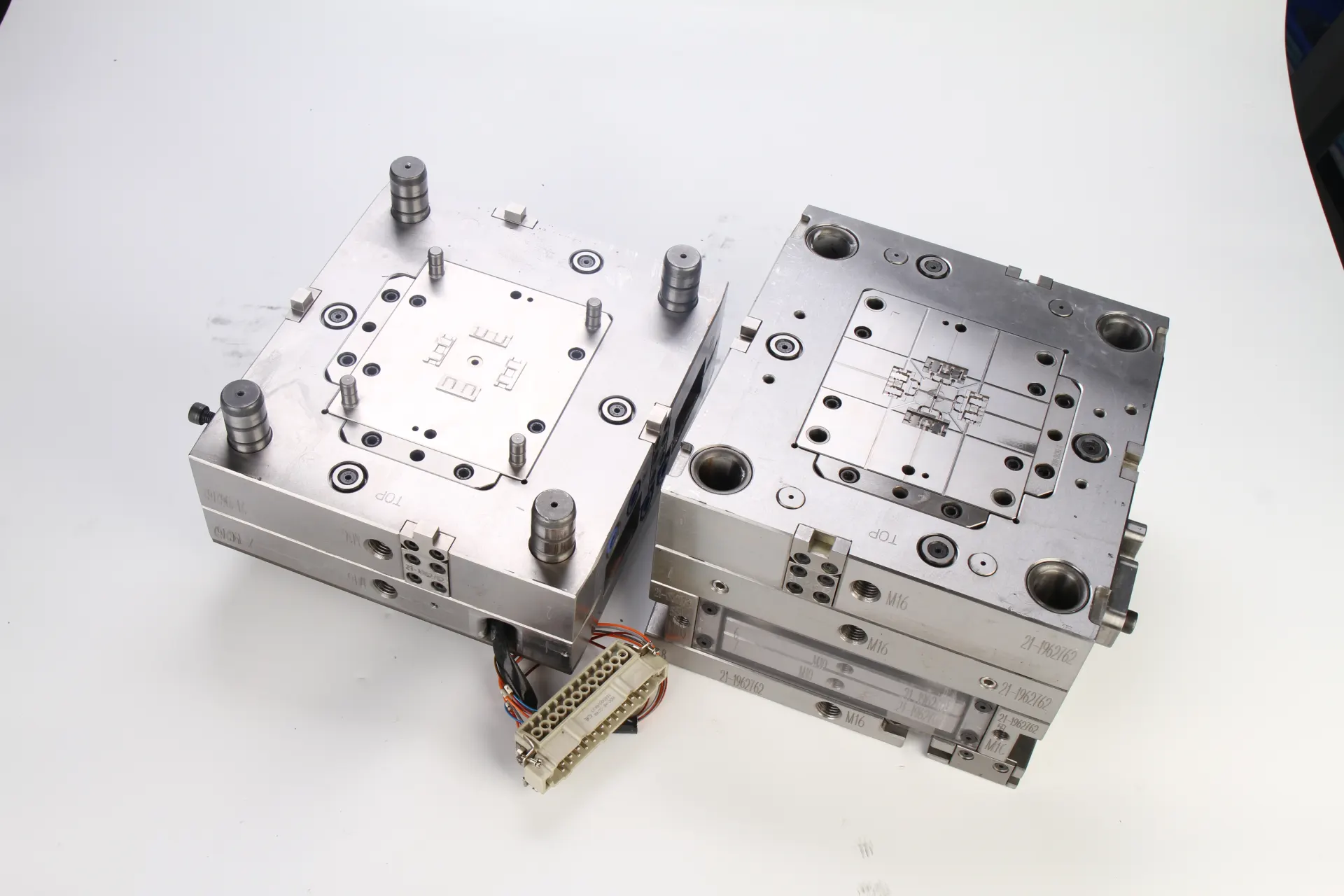
| Manufacturing Method | CNC machining, 3D printing, or single-cavity soft tooling (aluminum/soft steel) | Multi-cavity hardened steel molds (e.g., S136/NAK80), automated production lines |
| Process Control | Relies on experienced technicians manual tuning and hand-finishing | Locked machine parameters (pressure, temperature, time); zero manual intervention |
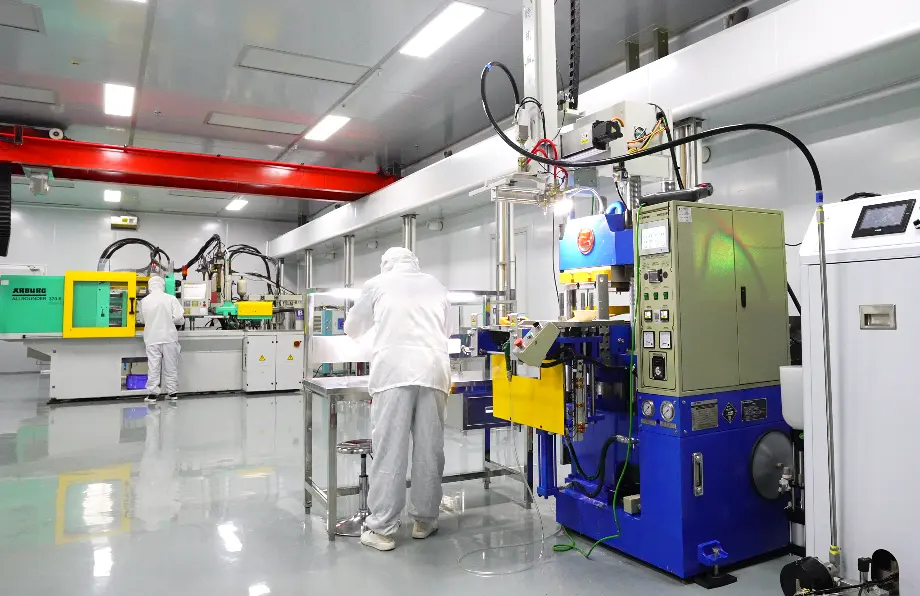
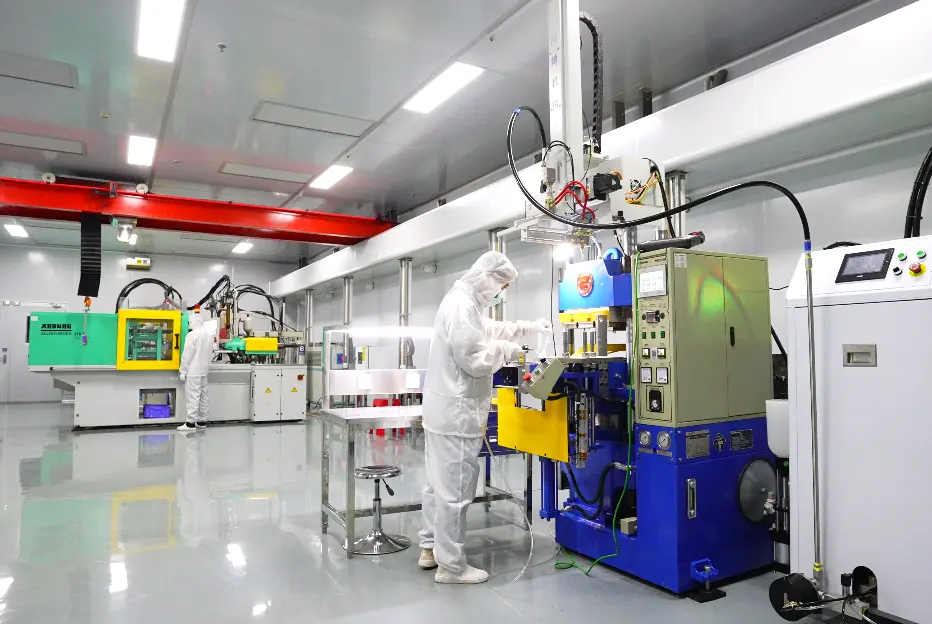
| Environment | Standard workshop with no strict temperature or humidity control | ISO Class 7 / ISO Class 8 cleanrooms with controlled particles, bioburden, temp & humidity |
| Quality Objective | Prove "design concept feasibility" (a few functional samples) | Ensure continuous production of tens of thousands of parts with $Cp/Cpk \ge 1.33$ |
2. The 4-Step NPI Transition: A Standardized Path from Prototype to Volume Production
To avoid production landmines, medical plastic components must follow a strict NPI gate-control process:
1.DFM & Moldflow Analysis:Eliminate 80% of potential defects before cutting steel。
Wall Thickness Uniformity: Prevent sink marks, voids, or internal stress warpage caused by uneven wall thickness.
Draft Angles & Structural Optimization: Ensure smooth ejection without mold release agents (or with minimal use) to meet high-cleanliness requirements.
Moldflow Analysis: Predict weld lines, air traps, and packing shrinkage to optimize gate location and design.
2.Tooling & Industrialization:Shift from moldable to consistently moldable。
Utilize high-grade mold steel and high-precision hot runner systems to extend tool life and ensure cavity-to-cavity consistency.
Design cleanroom-compatible, anti-scald, dust-free automation jigs/fixtures to minimize human contact and secondary contamination.
3.Cleanroom 3-Stage Process Validation (IQ/OQ/PQ):The core line of defense for medical compliance and production release。
Define a robust process window through structured Installation Qualification (IQ), Operational Qualification (OQ), and Performance Qualification (PQ).
4.Pilot Run & Control Plan Locking:Execute pilot runs and lock down control plans。
Conduct a pilot run of 1,000–5,000 units to test automated end-of-arm tooling (EOAT), packaging, and sterilization compatibility.
Freeze product drawings, SOPs, Control Plans (CP), and inspection standards (AQL/FAI).
3. The Core Element: How IQ / OQ / PQ Validation Secures Production Yield
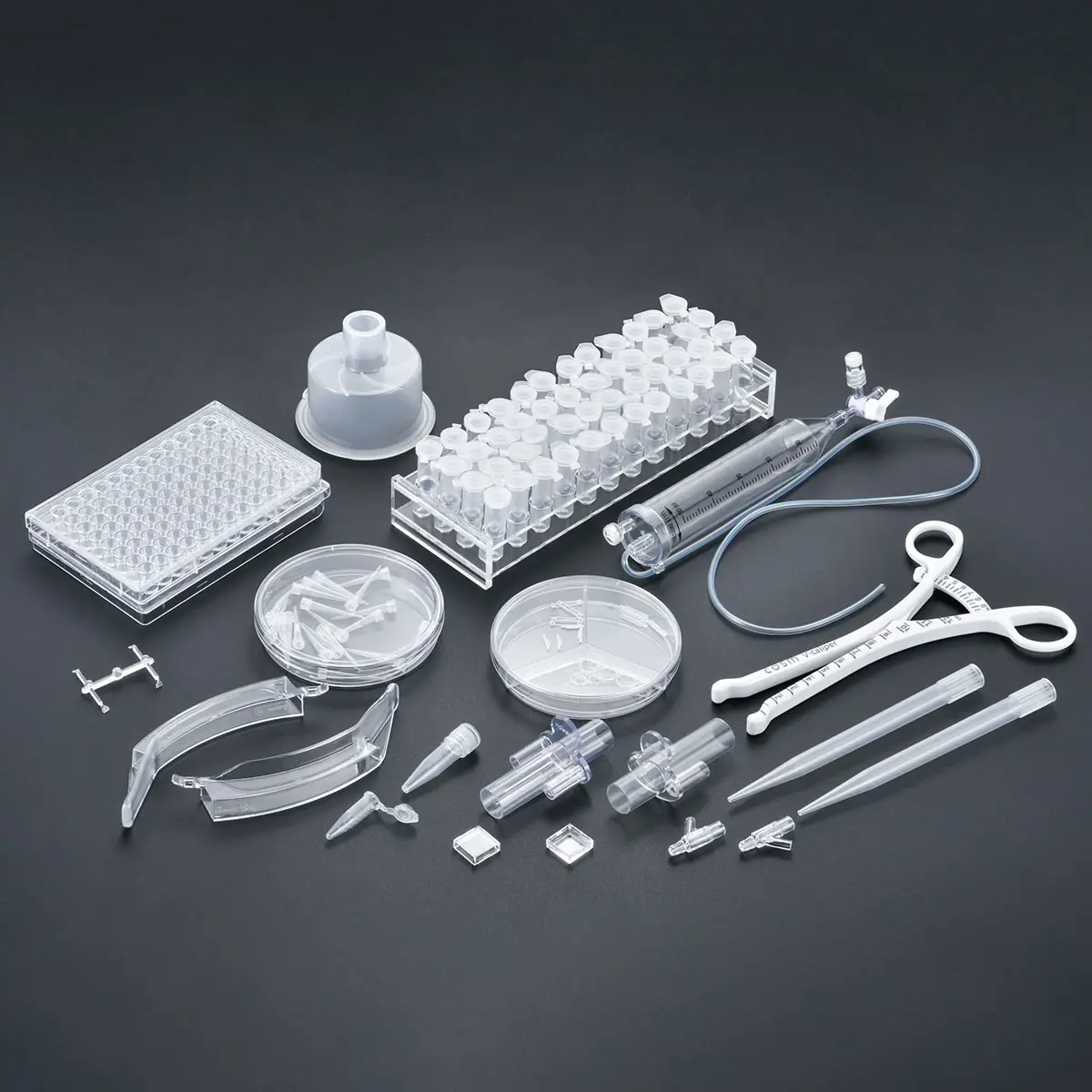
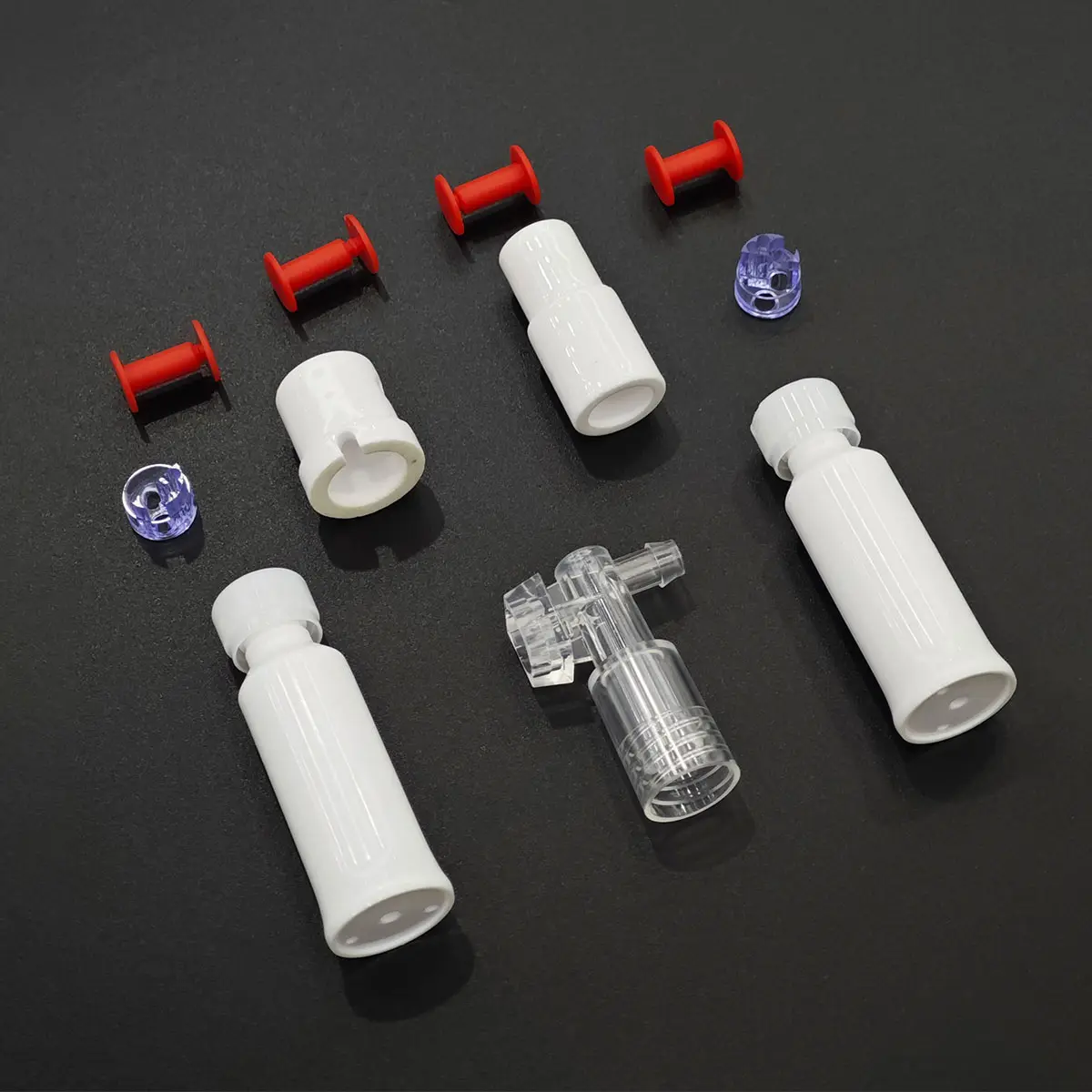
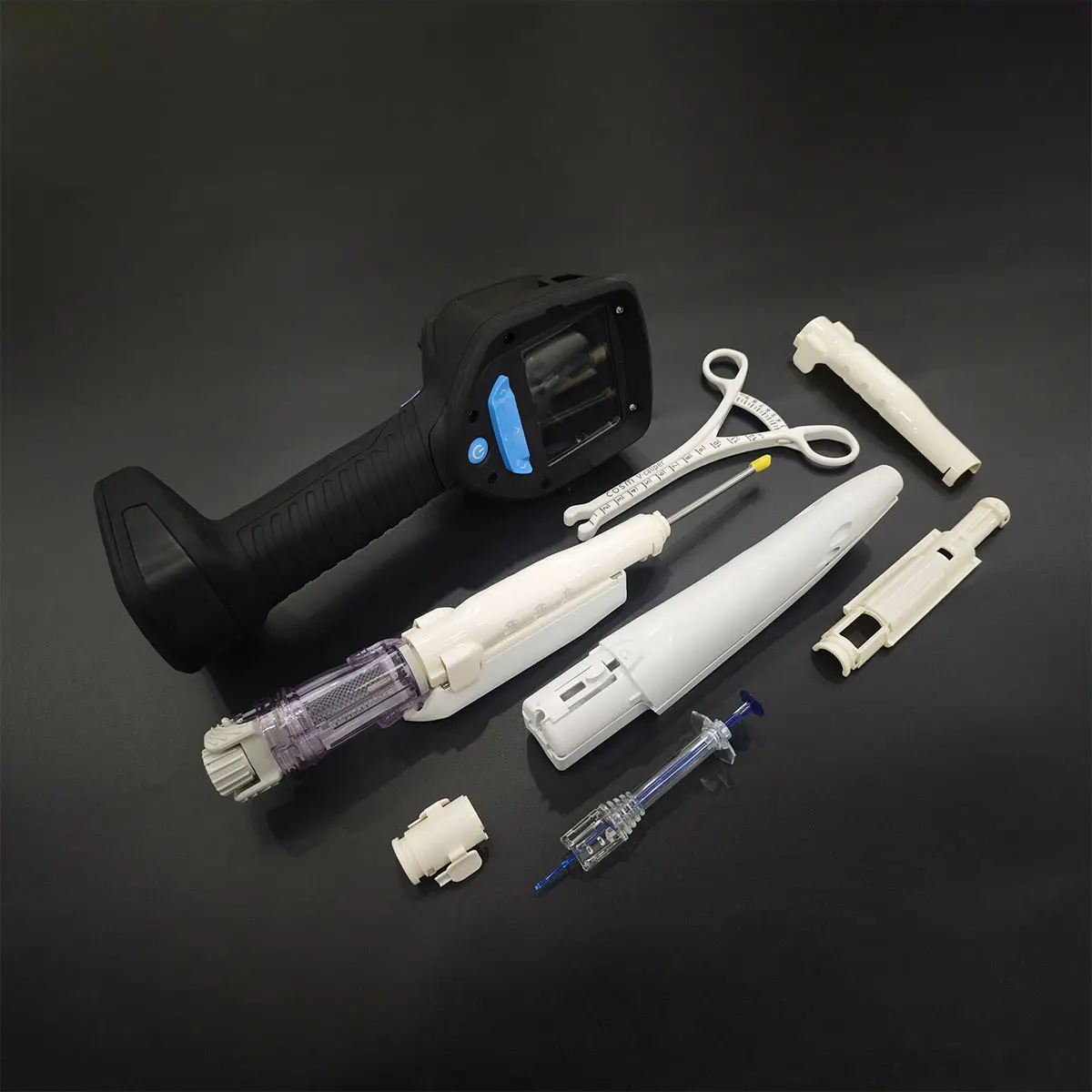
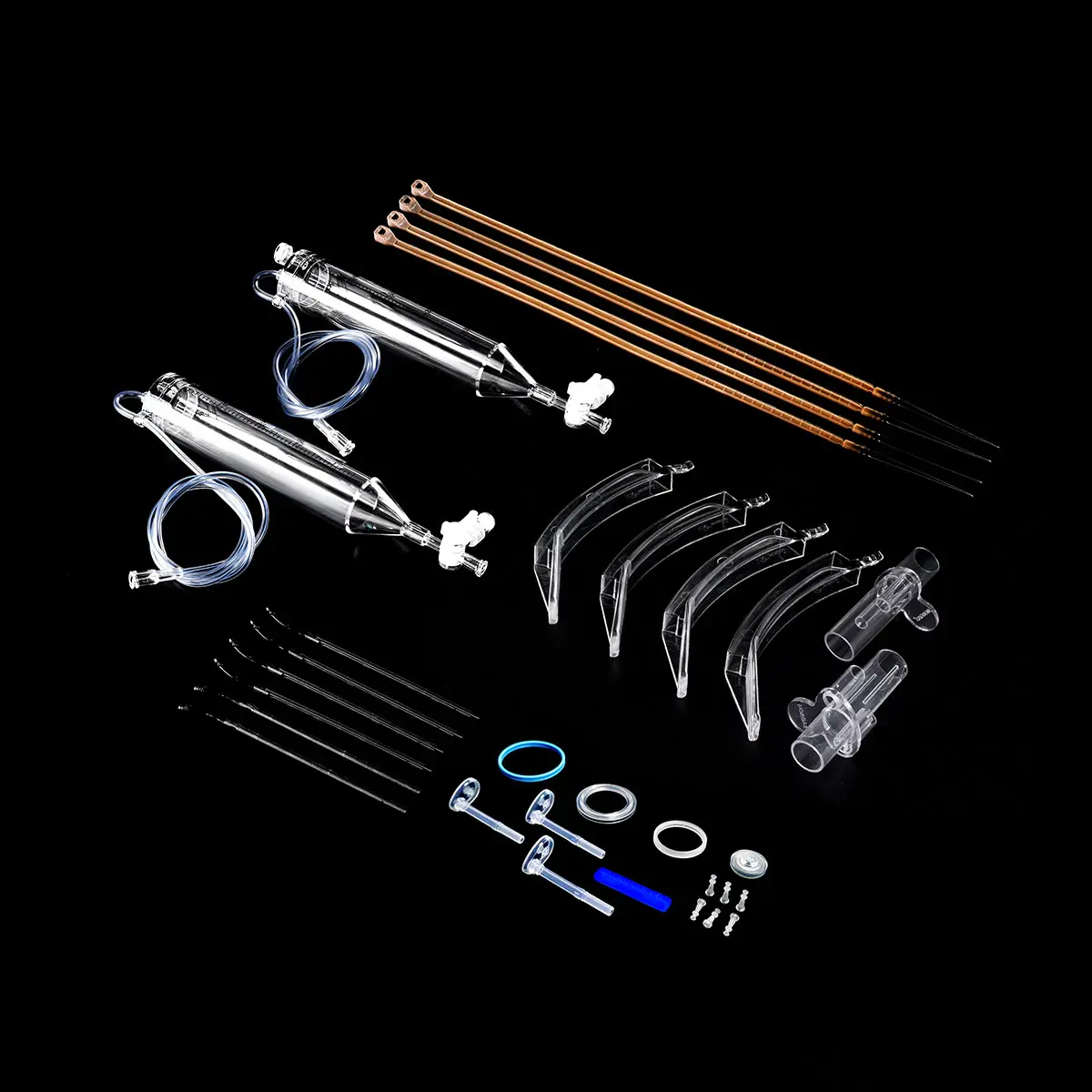
For medical-grade plastic parts (e.g., syringe components, microfluidic chips, ventilator connectors), IQ/OQ/PQ process validation is the key to ensuring prototype quality can be 100% replicated in volume production.
| IQ (Installation) Equipment, Tooling, & Facility Verification |
| OQ (Operational) DOE Experiments to Find Process Limits |
| PQ (Performance) Multi-Batch Long-Run Stability Verification |
1. IQ (Installation Qualification)
Objective: Verify that "hardware and environment comply with design specifications."
Key Focus Areas:
Confirm injection molding machines, mold temperature controllers, and chillers meet required specifications.
Validate cleanroom environmental conditions (ISO Class 7/8 differential pressure, air exchange rate, airborne particulate counts).
Ensure mold connections to high-purity air lines and water circuits are secure and free of oil leaks.
2. OQ (Operational Qualification)
Objective: Identify the optimal process window and prove that conforming parts are produced even at parameter extremes.
Key Focus Areas:
Execute Design of Experiments (DOE) to test upper and lower limits of injection pressure, hold time, melt temperature, and mold temperature.
Challenge Testing: Run production at the upper and lower specification limits to verify that Critical-to-Quality (CTQ) dimensions remain within tolerance.
Establish an unalterable "Optimal Process Window."
3. PQ (Performance Qualification)
Objective: Demonstrate "long-term, multi-batch production stability and consistency."
Key Focus Areas:
Operate at the optimal parameters established during OQ for at least 3 consecutive, independent batches (or 24–72 hours of continuous production).
Perform full-dimensional inspections ($Cpk \ge 1.33$), cosmetic defect statistical analysis, and initial bioburden/particulate testing on output parts.
Upon successful validation, process parameters are "locked"; any future modification must trigger a formal Engineering Change Notice (ECN) process.
4. Procurement & Project Manager Pitfall Checklist
When auditing and selecting suppliers for medical plastic components, focus on these critical areas during the NPI phase:
Depth of DFM: Does the supplier proactively provide a comprehensive DFM report with Moldflow and CTQ tolerance analysis, rather than simply "cutting steel to print"?
Cleanroom Capabilities: Are the injection molding machines equipped with electric ejectors (oil-free) and in-mold robotic pick-and-place systems?
Validation Compliance: Does the supplier have a dedicated QA team capable of drafting independent IQ/OQ/PQ Protocols and Summary Reports?
Multi-Cavity Consistency: During mold trials, does the supplier perform 100% full-dimensional measurements across all cavities to evaluate cavity-to-cavity variation?
Successfully transitioning medical device components from prototype to cleanroom volume production is far more complex than simply "mounting a mold onto a machine." By implementing thorough DFM during prototyping and strictly executing IQ/OQ/PQ validation during NPI, teams can eliminate the pain points of poor yields and delivery failures, guaranteeing high-quality, compliant mass production.
Welcome to learn more about product case studies