



-

Micro LSR Seal Design: Flash Prevention Tips for Precision Molding
-
Advantages of Liquid Silicone Rubber (LSR): Why It Is Replacing Traditional Rubber and Plastics
-
LSR Injection Molding (Cold Runner) vs. Compression Molding LSR (Runnerless): Process & Selection Guide
-
Medical Injection Molding DFM Checklist & Design Guidelines
How to Choose Medical Device Injection Molding Companies: A 2026 Guide
2026-09-15


复制成功
Finding a qualified partner among hundreds of medical device injection molding companies is one of the most critical decisions in your product lifecycle. A minor error in material compliance, precision tolerances, or cleanroom standards can lead to costly FDA delays, expensive tool re-works, or devastating product recalls.
Navigating the complex landscape of regulatory requirements, resin selection, and Design for Manufacturing (DFM) requires more than a standard plastic supplier—it demands a certified medical molding expert. This guide breaks down how top-tier suppliers operate, compares key market leaders, and provides a framework to evaluate partners for your next medical project.

Essential Regulatory Standards for Medical Injection Molders
Unlike commercial plastic manufacturing, medical component production requires strict quality management systems (QMS) and controlled environments.
ISO 13485 Certification: The foundational QMS standard for medical devices, ensuring full traceability, risk management, and risk mitigation throughout production.
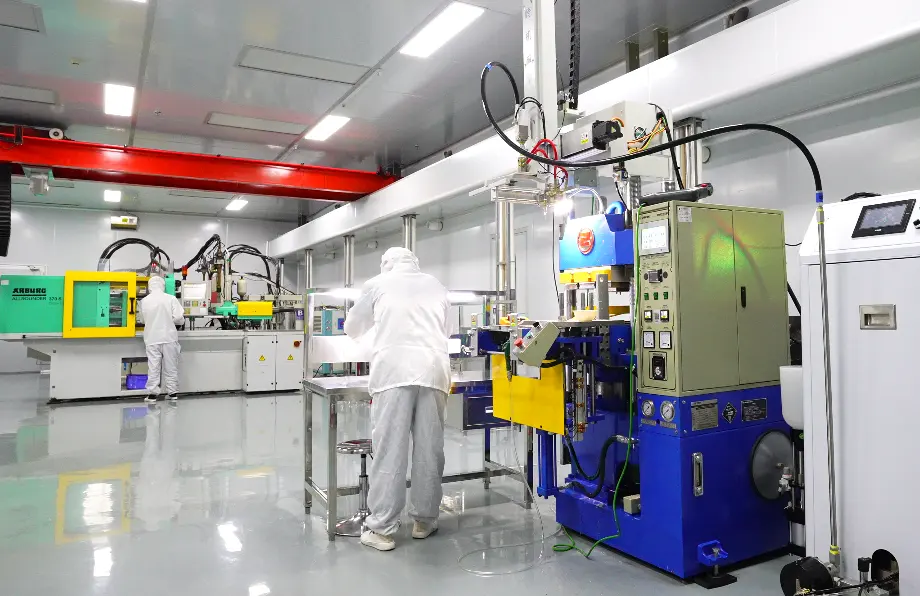
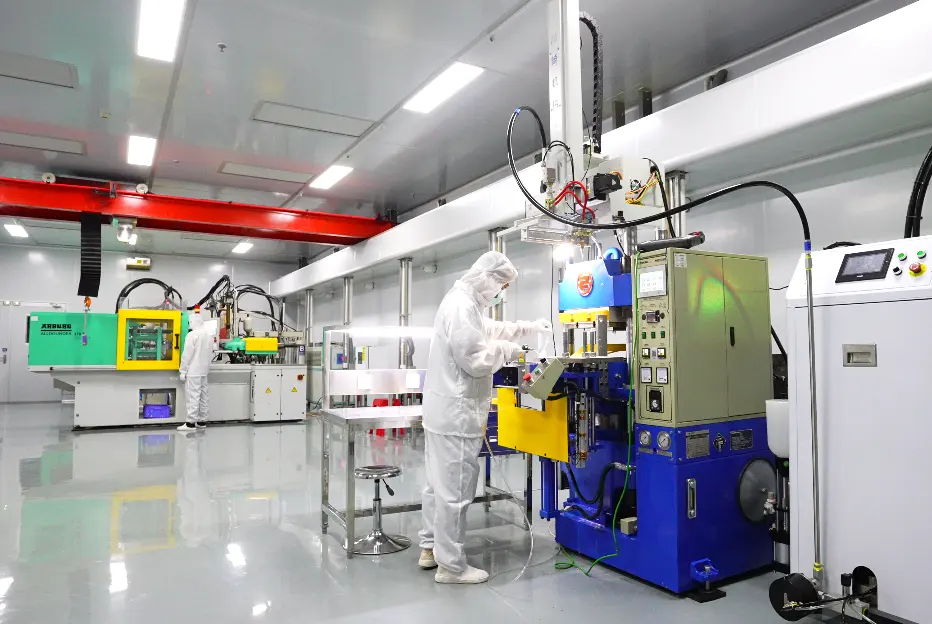
Cleanroom ISO Classes: Molding implantables or diagnostic tools requires ISO Class 7 or Class 8 cleanrooms to control airborne particulates and bioburden.
FDA Registration & 21 CFR Part 820: Ensures compliance with Current Good Manufacturing Practice (cGMP) regulations for products distributed in the United States.
USP Class VI & ISO 10993: Validates that raw plastic resins meet stringent biocompatibility criteria for human contact.
Key Capabilities to Evaluate in Custom Medical Injection Molding
Top-tier suppliers distinguish themselves by offering full-lifecycle engineering support rather than simple contract manufacturing.
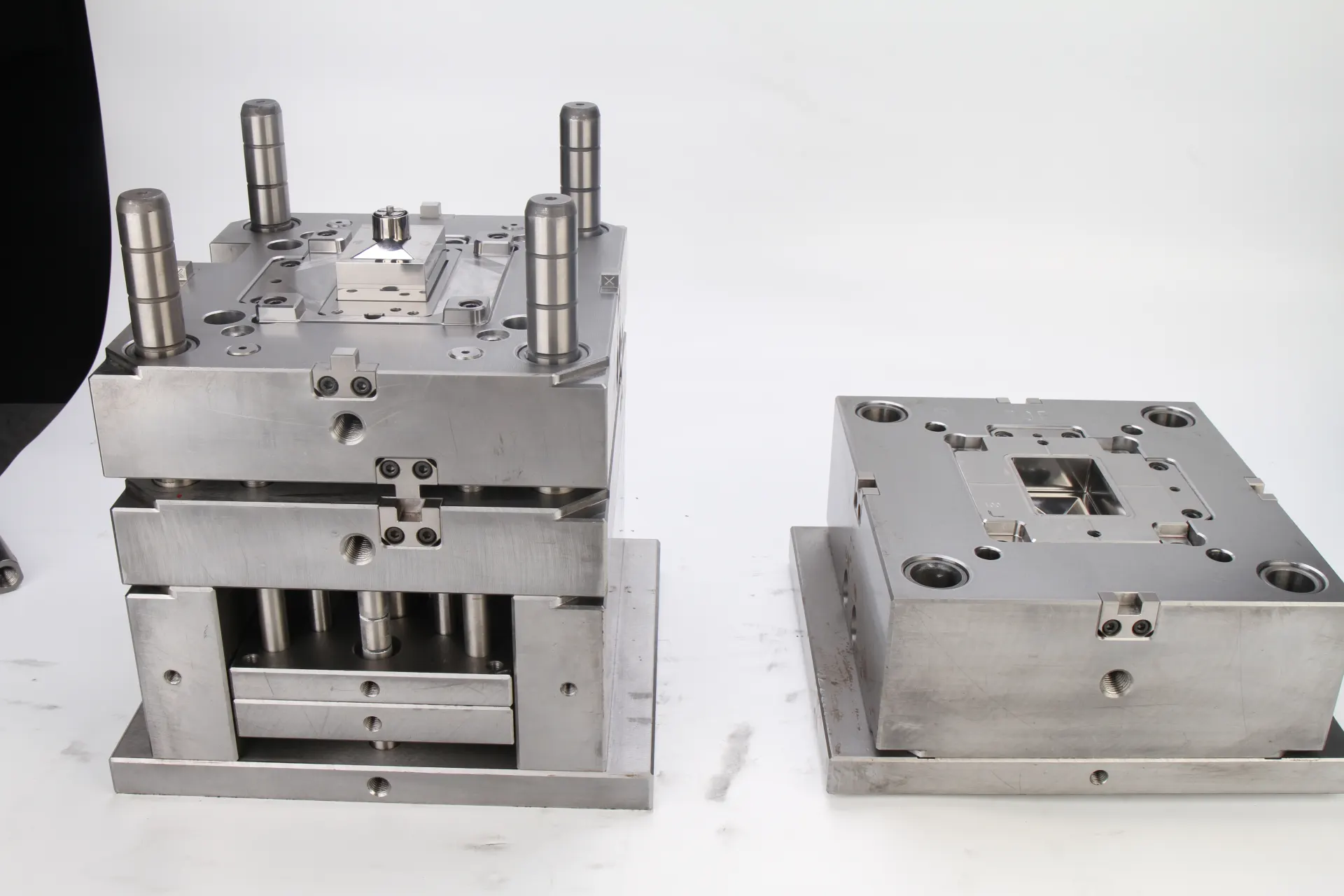
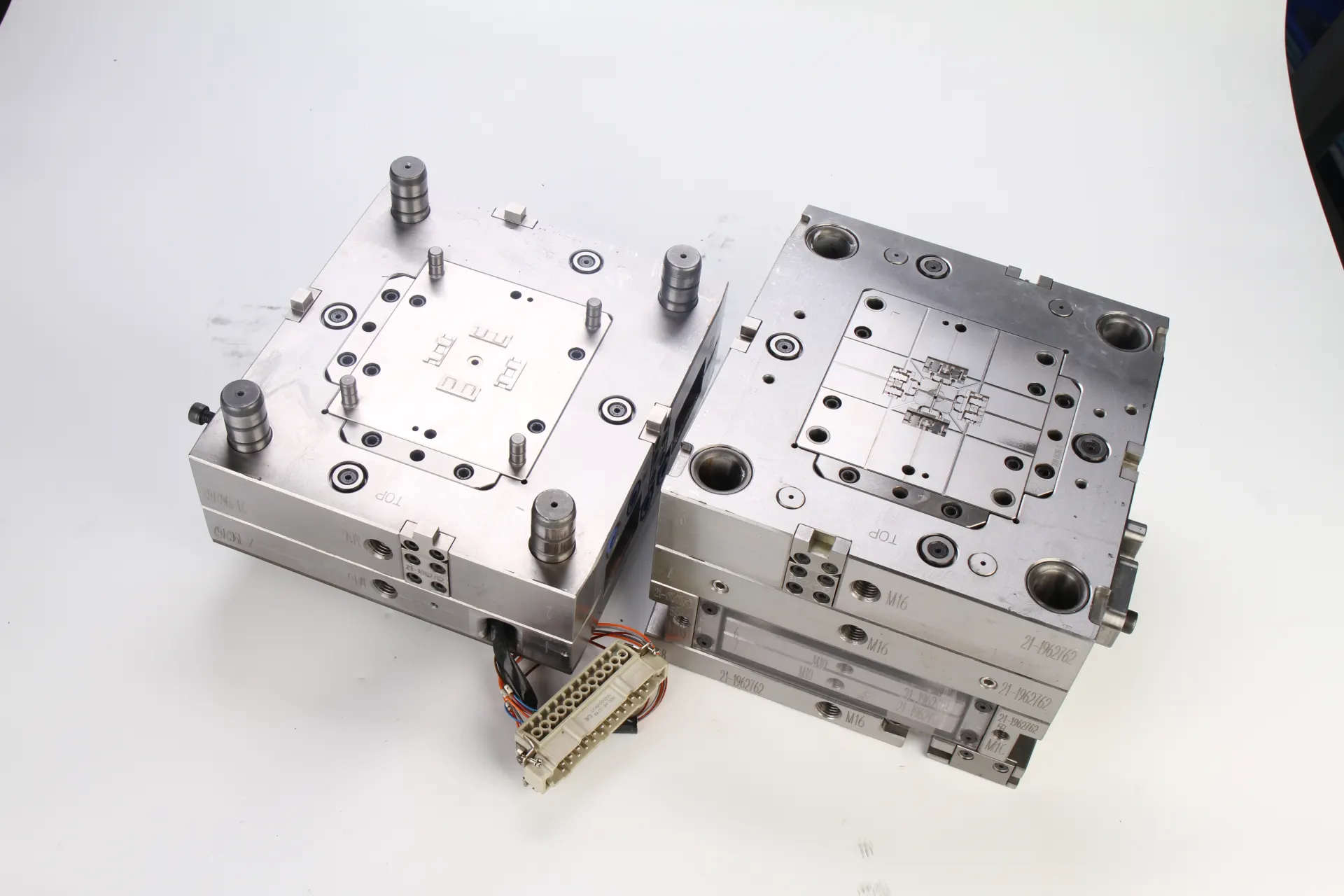
Design for Manufacturability (DFM): Utilizing Moldflow® analysis to identify sink marks, air traps, and wall thickness variance before cutting metal.
Micro-Molding: Precision components with tolerances under 0.001 inches (e.g., bioresorbable implants).
Insert & Overmolding: Combining soft-touch elastomers with rigid polymers for surgical instruments.
Liquid Silicone Rubber (LSR) Molding: For high-purity, heat-resistant medical seals and valves.
Material Versatility: Capability to process high-performance engineering resins such as PEEK, PEI (Ultem), PPSU, and implantable-grade polymers.

Top Medical Device Injection Molding Companies Compared
| Company Name | Primary Specialization | Cleanroom Standards | Standout Advantage |
| DuPont™ Spectrum | Precision components, fluid management, micro-molding | ISO Class 7 & Class 8 | Global footprint with deep medical polymer expertise |
| Viant Medical | Complex surgical devices, orthopedics, end-to-end assembly | ISO Class 7 & Class 8 | Full product lifecycle solutions from design to packaging |
| Gilero | Single-use consumables, drug delivery devices | ISO Class 8 | Strong design engineering & rapid prototyping capabilities |
| Biomerics | Catheter components, cardiovascular devices, micro-molding | ISO Class 7 & Class 8 | Specialized in interventional plastics and extrusion |
| Dongguan Yise Mold Co., Ltd. | Disposable consumables, medical devices,medical packaging materials | ISO Class 7 | With 20 years of experience in medical mold injection molding, we are a domestic Chinese manufacturer specializing in custom components. |
Contact Information:
Email: Yuliya.chen@yizemould.com
Telephone/WhatsApp: +86 13342659272
4-Step Checklist for Partner Selection
Verify Quality Certifications: Request current ISO 13485 and FDA registration documentation before issuing an RFP.
Audit Cleanroom & Tooling Capacity: Confirm that mold building, maintenance, and production environments meet your product's bioburden limits.
Review Resins & Biocompatibility Data: Ensure the vendor has direct experience handling your targeted medical-grade polymers.
Evaluate Post-Molding Capabilities: Look for integrated secondary operations such as ultrasonic welding, laser marking, sterile packaging, and assembly.
Common Pitfalls to Avoid During Supplier Onboarding
Selecting Based on Unit Price Alone: Cheaper molders often lack rigorous IQ/OQ/PQ (Installation, Operational, and Performance Qualification) protocols, leading to yield losses later.
Ignoring Tooling Ownership & Maintenance: Clarify tool ownership terms and preventive maintenance guarantees in the initial contract.
Treating DFM as an Afterthought: Involving your injection molder late in the CAD design process increases tooling modifications and delays time-to-market.
Frequently Asked Questions (FAQ)
Q: What is the difference between ISO 9001 and ISO 13485 for injection molders?
A: ISO 9001 applies to general quality management, whereas ISO 13485 specifically addresses medical device safety, process validation (IQ/OQ/PQ), risk assessment, and regulatory compliance.
Q: Why is cleanroom injection molding necessary for medical parts?
A: Cleanroom environments regulate airborne particles, temperature, and humidity, preventing contamination and keeping bioburden levels low for parts that contact bodily fluids or sterile fields.
Q: How long does process validation take with a medical injection molder?
A: A complete validation process—including tool build, DFM, prototype sampling, and formal IQ/OQ/PQ runs—typically takes 8 to 16 weeks depending on part complexity.
Learn more about medical mold injection molding knowledge