



-

Micro LSR Seal Design: Flash Prevention Tips for Precision Molding
-
Advantages of Liquid Silicone Rubber (LSR): Why It Is Replacing Traditional Rubber and Plastics
-
LSR Injection Molding (Cold Runner) vs. Compression Molding LSR (Runnerless): Process & Selection Guide
-
Medical Injection Molding DFM Checklist & Design Guidelines
Medical Plastics Heat & Corrosion Resistance: Materials Comparison
2026-09-16


复制成功
The Critical Challenge of Heat and Corrosion in Medical Devices
Selecting materials for reusable surgical tools, diagnostic equipment, and implantable components presents a tough engineering trade-off. Components face punishing environments: 121°C–134°C high-pressure saturated steam (Autoclave), aggressive chemical disinfectants (VHP, IPA, peracetic acid), and corrosive physiological fluids.
Choosing the wrong material leads to stress cracking, color shifting, surface pitting, or polymer chain degradation—triggering premature device failure and regulatory non-compliance. Understanding how high-performance polymers, medical-grade metals, and silicones perform under extreme thermal and chemical stress is essential for reliable product performance and manufacturing success.
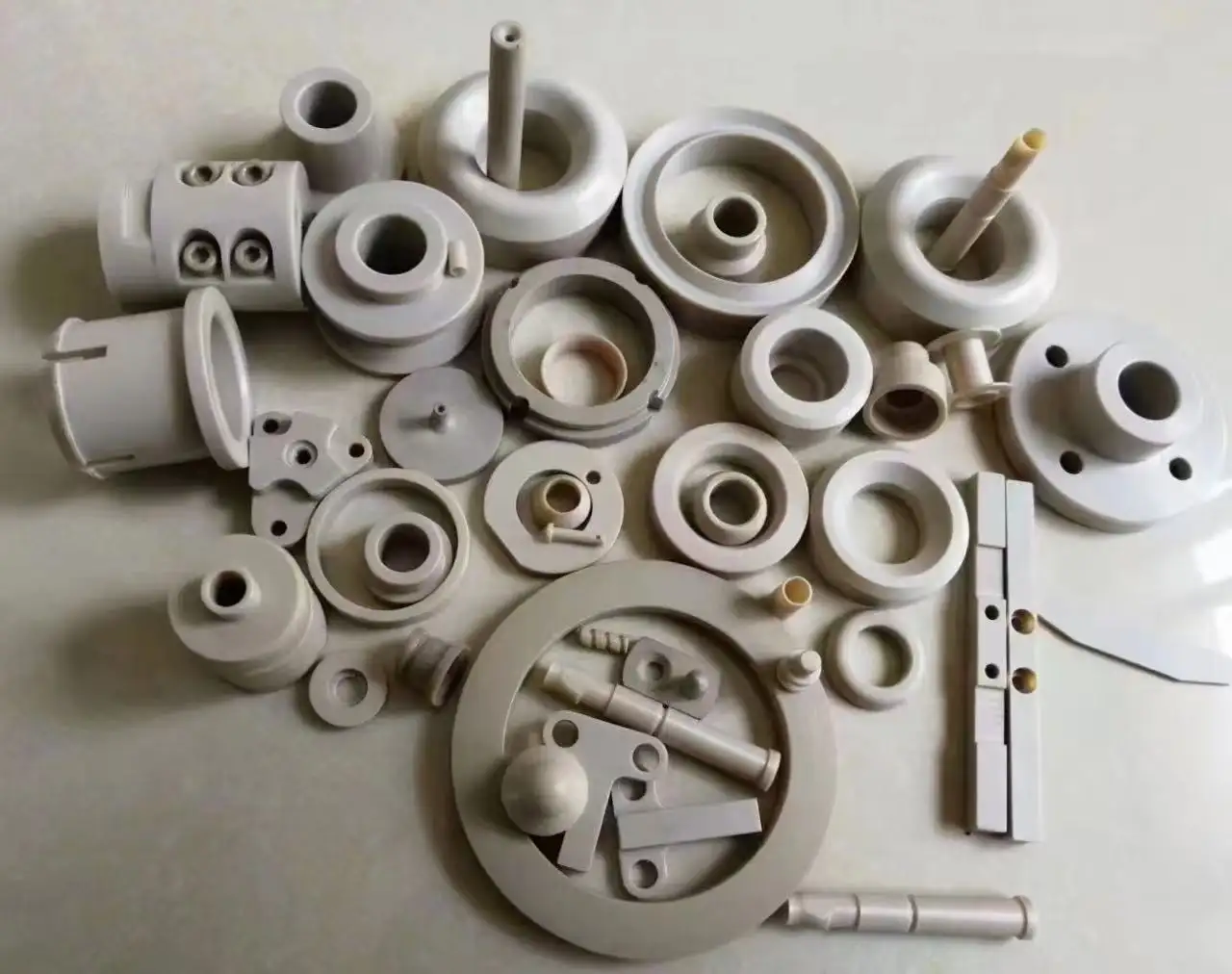
Comprehensive Comparison: Medical Materials Performance
| Material Category | Material Name | Max Continuous Temp / HDT | Autoclave Resistance (134°C) | Chemical & Corrosion Resistance Profile | Primary Medical Applications |
| High-Performance Polymers | PEEK | 260°C / HDT ~160°C–300°C | Exceptional (1,000+ cycles) | Impervious to organic solvents, acids, and body fluids. Dissolves only in concentrated sulfuric acid. | Surgical instruments, implants, spinal cages |
| PPSU | 180°C / HDT ~207°C | Exceptional (1,000+ cycles) | Superior resistance to hydrolysis, acids, bases, and repeated alcohol/disinfectant wiping. | Sterilization trays, endoscopic handles, fluid manifolds | |
| PEI (Ultem) | 170°C / HDT ~200°C | High (Hundreds of cycles) | Resists acids and hydrocarbons; susceptible to polar solvents (acetone, MEK) under stress. | Device housings, manifold blocks, dialyzer components | |
| Engineering Plastics | PC (Medical Grade) | 120°C / HDT ~130°C | Poor / Limited (Prone to hydrolysis) | Moderate. Resists dilute acids, but degrades under strong alkalis, ketones, and repeated alcohol contact. | Syringes, blood dialyzers, fluid connectors (single-use) |
| PP (Medical Grade) | 100°C / HDT ~100°C–110°C | Low (Single / Few cycles) | Excellent resistance to acids, bases, and salts. Degrades under strong oxidizing acids. | Specimen vials, IV connectors, centrifuge tubes | |
| Medical Metals | 316L Stainless Steel | > 800°C | Exceptional | Excellent general resistance; vulnerable to pitting corrosion in high-chloride (saline) environments. | Surgical scalpel handles, needles, orthopedic plates |
| Titanium (Ti-6Al-4V) | > 400°C | Exceptional | Supreme immunity to body fluids, saline, and strong acids due to a stable passive oxide layer. | Dental implants, joint prostheses, pacemaker cases | |
| Elastomers | LSR (Liquid Silicone) | 200°C–250°C | Exceptional | Highly inert. Resists alcohol, hydrogen peroxide, weak acids/bases, and biological fluids. | Respiratory masks, catheters, seals, overmolded grips |
Heat Resistance & Hydrolytic Stability Breakdown
1. Heat Deflection Temperature (HDT) vs. Hydrolysis Resistance
A common engineering mistake is confusing a material's melting point or HDT with its ability to withstand steam sterilization. For instance, Standard Polycarbonate (PC) has an HDT around 130°C, yet repeated exposure to 134°C steam causes hydrolytic degradation, splitting polymer chains and triggering micro-cracks.
Autoclave Champions (PEEK, PPSU, LSR): Feature robust backbone structures that resist water molecule cleavage at elevated pressures, surviving over 1,000 steam cycles without degradation.
Single-Use / Limited Polymers (PC, ABS, PP): Suitable primarily for Ethylene Oxide (EtO) or Gamma irradiation, as high-temperature steam quickly degrades their mechanical integrity.
2. Metals vs. High-Performance Plastics
While metals handle extreme temperatures without thermal softening, high-performance thermoplastics like PEEK and PPSU match metal durability in autoclave cycles while offering lower weight, radiolucency (X-ray transparency), and complex injection molding design freedom.
Chemical & Biological Corrosion Resistance
[Corrosion Resistance Hierarchy in Saline/Body Fluids]
Titanium (Ti-6Al-4V) > PEEK / PPSU > LSR > 316L Stainless Steel > PC / ABS
1. Physiological Saline & Chloride Resistance
Titanium & PEEK: Exhibit near-total inertness to physiological saline and bodily fluids, preventing ion leaching or systemic tissue reactions.
316L Stainless Steel: Susceptible to pitting and crevice corrosion under long-term exposure to chloride-rich environments like saline solutions or bodily fluids.
2. Resistance to Aggressive Disinfectants (VHP, IPA, Acids)
PPSU and PEEK: Stand up against harsh surface sterilants including Vaporized Hydrogen Peroxide (VHP), peracetic acid, and isopropyl alcohol (IPA) without developing Environmental Stress Cracking (ESC).
Amorphous Plastics (PC, ABS): Vulnerable to ESC when exposed to alcohol or strong alkaline cleaners while under mechanical assembly stress.
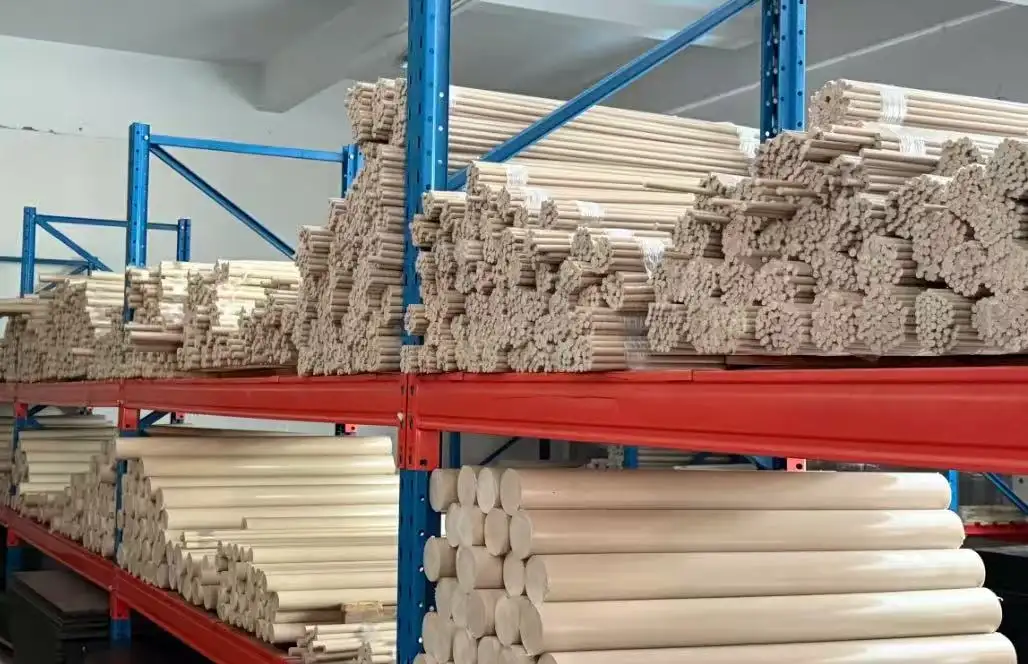
Engineering Material Selection Framework
1. High-Cycle Steam Sterilization:Hundreds of autoclave cycles required。
Specify PPSU for cost-effective molded housings/trays or PEEK for high-load structural parts requiring extreme rigidity and heat deflection.
2. Long-Term Body Fluid Contact:Direct tissue / bone contact。
Choose Titanium (Ti-6Al-4V) or Implant-Grade PEEK to eliminate pitting corrosion, metal ion release, and bio-rejection.
3. Thermal Flexibility & Sealing:Flexible seals & soft-touch interfaces。
Select Medical-Grade LSR for high-temperature resilience (up to 250°C), biocompatibility, and chemical inertness.
4. Single-Use Low-Cost Components:Disposable & diagnostic applications。
Opt for Medical PC, PP, or ABS, sterilized via Gamma or EtO gas, to streamline production costs without over-engineering for heat.
Frequently Asked Questions (FAQ)
1. Why is PPSU preferred over PC for reusable medical sterilization trays?
PPSU possesses exceptional hydrolytic stability and an HDT of 207°C, allowing it to endure 1,000+ steam autoclave cycles without cracking. PC degrades rapidly under repeated high-temperature steam exposure due to hydrolysis.
2. Does 316L Stainless Steel rust in medical environments?
While 316L stainless steel resists general oxidation, it can suffer pitting corrosion when exposed to high-chloride solutions (such as saline) or strong acidic disinfectants over extended periods.
3. What makes PEEK a strong alternative to titanium in medical devices?
PEEK offers comparable chemical resistance and thermal stability to titanium, but provides a modulus of elasticity closer to human bone, radiolucency under CT/MRI scans, and the efficiency of precision injection molding.
Learn more about material properties