



-

Micro LSR Seal Design: Flash Prevention Tips for Precision Molding
-
Advantages of Liquid Silicone Rubber (LSR): Why It Is Replacing Traditional Rubber and Plastics
-
LSR Injection Molding (Cold Runner) vs. Compression Molding LSR (Runnerless): Process & Selection Guide
-
Medical Injection Molding DFM Checklist & Design Guidelines

Top Companies Manufacturing Plastic Injection Medical Components
2026-09-18


复制成功
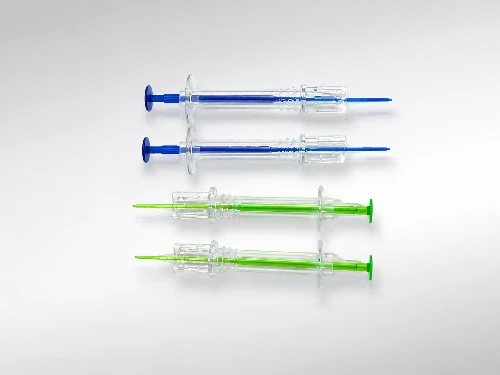
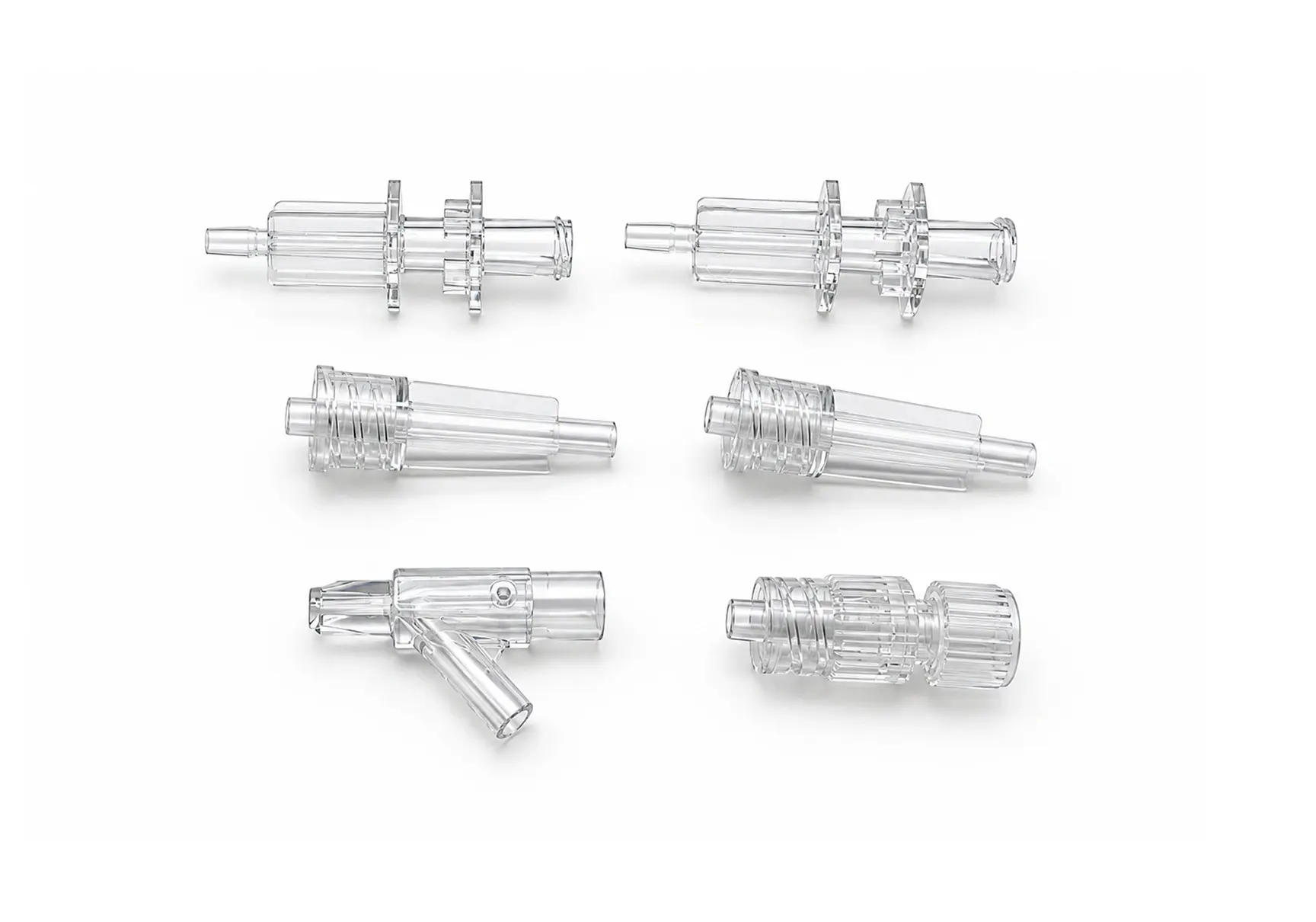
Finding qualified companies that manufacture plastic injection components for the medical industry is one of the most critical steps in bringing a medical device to market. A single defect in an injection-molded surgical housing, fluid delivery connector, or diagnostic cartridge can result in regulatory delays, costly FDA warning letters, or catastrophic product recalls. Supply chain managers and medical device engineers frequently face suppliers who claim medical-grade capabilities but lack strict ISO 13485 compliance, Class 7 cleanrooms, or reliable material traceability.
This guide evaluates top medical plastic injection molding manufacturers, key industry certifications, critical material selection criteria, and a step-by-step framework to audit and select the right manufacturing partner for your device lifecycle.
Key Technical Standards for Medical Plastic Injection Molders
Not all plastic injection molders are equipped to handle medical-grade components. The medical sector demands strict quality control, cleanroom protocols, and full material validation before production begins.
ISO 13485 Certification and FDA Registration
Top manufacturers must maintain an ISO 13485 certified Quality Management System (QMS). This certification guarantees that every step—from mold design to final inspection—adheres to strict risk management standards. Additionally, facilities operating within the U.S. must be registered with the FDA as contract manufacturers and strictly follow Current Good Manufacturing Practices (cGMP / 21 CFR Part 820).
Cleanroom Manufacturing Environments (ISO Class 7 and Class 8)
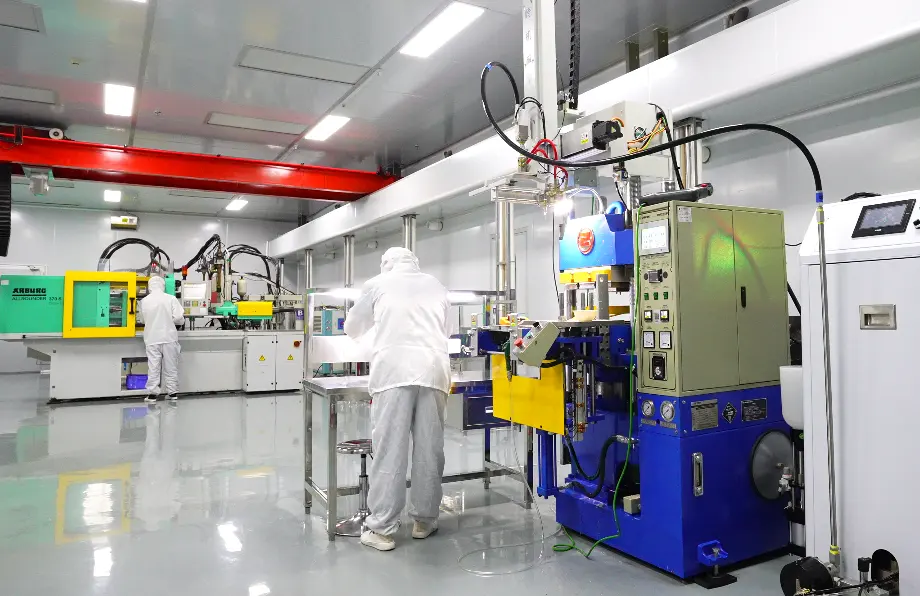
Bio-burden control is paramount for surgical tools, implants, and diagnostic components. Leading manufacturing partners offer ISO Class 7 (Class 10,000) and ISO Class 8 (Class 100,000) cleanroom environments equipped with positive air pressure, HEPA filtration, and strict gowning protocols to eliminate airborne particulates and biological contamination during molding and packaging.
Critical Evaluation Metrics: Comparing Manufacturing Capabilities
Selecting a manufacturing partner requires evaluating both their processing technologies and quality assurance metrics:
| Metric / Capability | Standard Molders | Specialized Medical Plastic Molders |
| Primary Certification | ISO 9001 | ISO 13485, FDA 21 CFR 820 |
| Production Environment | Standard Factory Floor | ISO Class 7 & Class 8 Cleanrooms |
| Material Traceability | Batch-level | Complete Lot & Resin Traceability (USP Class VI) |
| Process Validation | Basic Trial Runs | IQ / OQ / PQ Validation Protocols |
| Quality Control | Visual / CMM Spot Checks | Automated Optical Inspection (AOI) & In-line Vision |
How to Audit and Choose a Medical Injection Molding Partner
1.Verify Certifications and Regulatory Compliance:Prerequisite audit step。
Request up-to-date documentation for ISO 13485 certification, FDA facility registration, and recent third-party audit reports to verify compliance.
2.Assess Resin Selection and Material Traceability:Prevents biocompatibility failures。
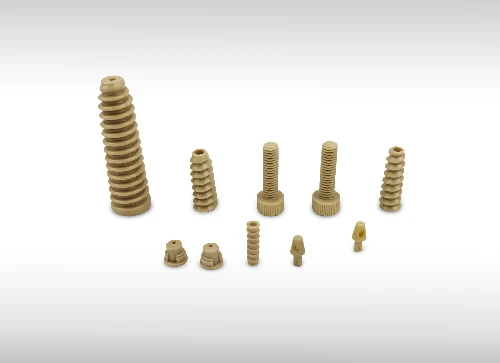
Confirm the manufacturer's experience with medical-grade polymers such as PEEK, Polycarbonate, Polypropylene, and PEI (Ultem). Ensure every batch includes USP Class VI and ISO 10993 biocompatibility certification.
3.Evaluate Mold Design and Tooling Expertise:Reduces long-term unit costs。
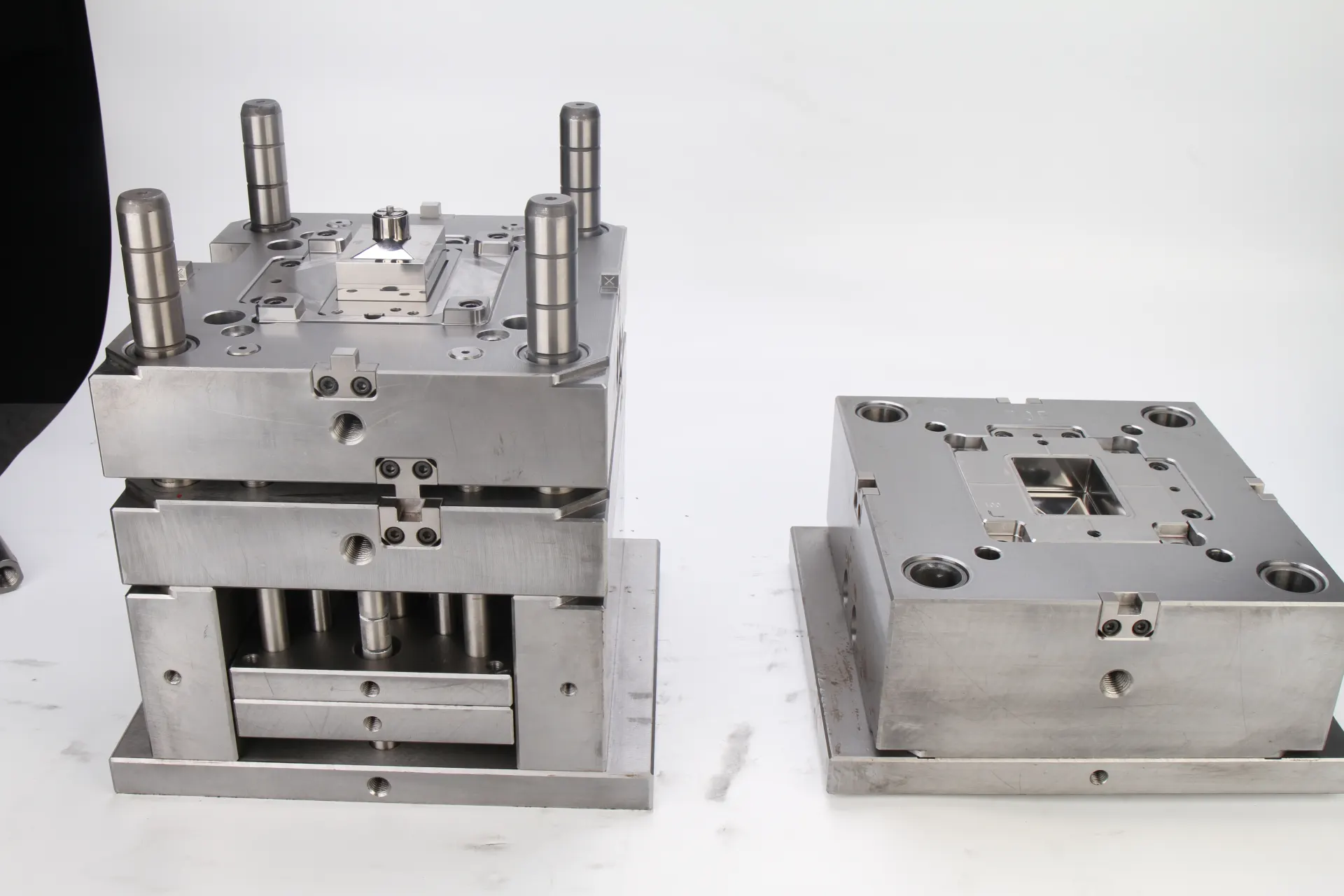
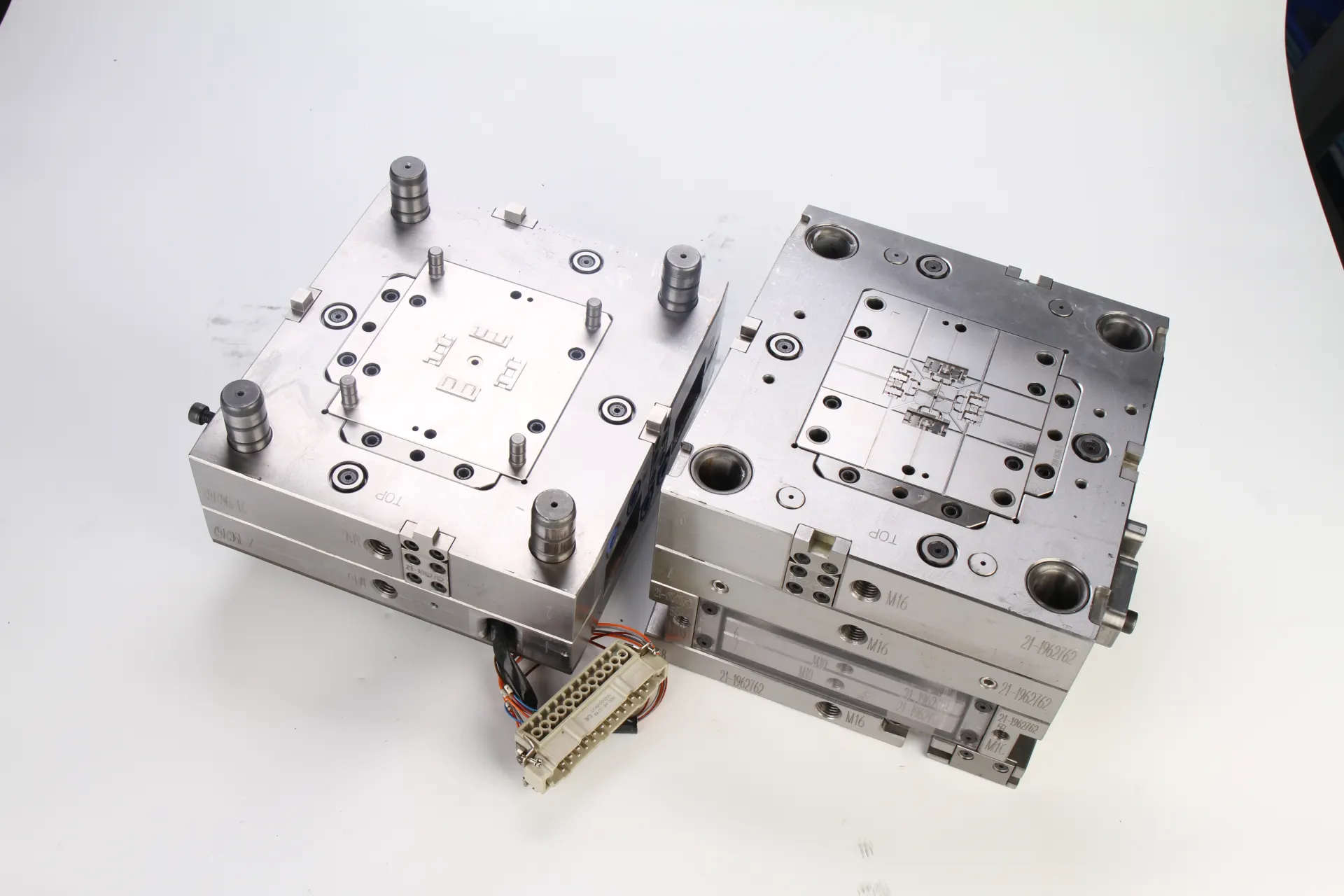
Ensure the supplier offers Design for Manufacturability (DFM) analysis, Moldflow analysis, and multi-cavity tooling options to optimize cycle times and eliminate defects like sink marks or flash.
4.Review Process Validation (IQ/OQ/PQ):Ensures repeatable quality。
Verify that the vendor performs complete Installation Qualification (IQ), Operational Qualification (OQ), and Performance Qualification (PQ) before approving full-scale production runs.
Common Pitfalls to Avoid When Sourcing Medical Molded Components
Choosing Suppliers Based Solely on Piece Price: Selecting a supplier without specialized medical expertise often results in hidden costs due to high scrap rates, tooling delays, or compliance failures.
Ignoring Biocompatibility and Resin Degradation: Using standard industrial-grade colorants or processing additives can ruin a component's biocompatibility. Always verify that all additives meet USP Class VI standards.
Overlooking Secondary Operations and Packaging: Medical devices often require secondary services such as ultrasonic welding, laser marking, assembly, and sterile pouch packaging. Sourcing these from a single integrated supplier reduces supply chain risk.
Frequently Asked Questions (FAQ)
What certifications are required for companies manufacturing plastic injection components for the medical industry?
At a minimum, manufacturers should hold ISO 13485 certification and ISO 9001. If producing components for the U.S. market, FDA registration and compliance with 21 CFR Part 820 are essential.
What are the most common medical-grade plastics used in injection molding?
Common materials include Polycarbonate (PC) for clarity and impact resistance, PEEK for high strength and chemical resistance in implants, Polypropylene (PP) for autoclavable components, and Silicone (LSR) for seals and flexible tubing connectors.
Why is IQ/OQ/PQ validation critical for medical device injection molding?
IQ (Installation Qualification), OQ (Operational Qualification), and PQ (Performance Qualification) prove that the molding equipment, parameters, and molds consistently produce components that meet tight medical tolerances under variable conditions.
To ensure your medical device project stays on schedule and meets strict FDA and EU MDR standards, always engage contract manufacturers during the early prototyping stage. Requesting a thorough DFM report before finalizing tooling is the single best way to optimize part geometry and lower production costs.
Learn more about medical mold injection molding knowledge