



-

Advantages of Liquid Silicone Rubber (LSR): Why It Is Replacing Traditional Rubber and Plastics
-
LSR Injection Molding (Cold Runner) vs. Compression Molding LSR (Runnerless): Process & Selection Guide
-
Medical Injection Molding DFM Checklist & Design Guidelines
-
Liquid Silicone Rubber (LSR) vs. Thermoplastic Injection Molding for Medical Devices

How to Select the Right ISO 13485 Partner for Medical Injection Molding Suppliers
2026-09-21


复制成功
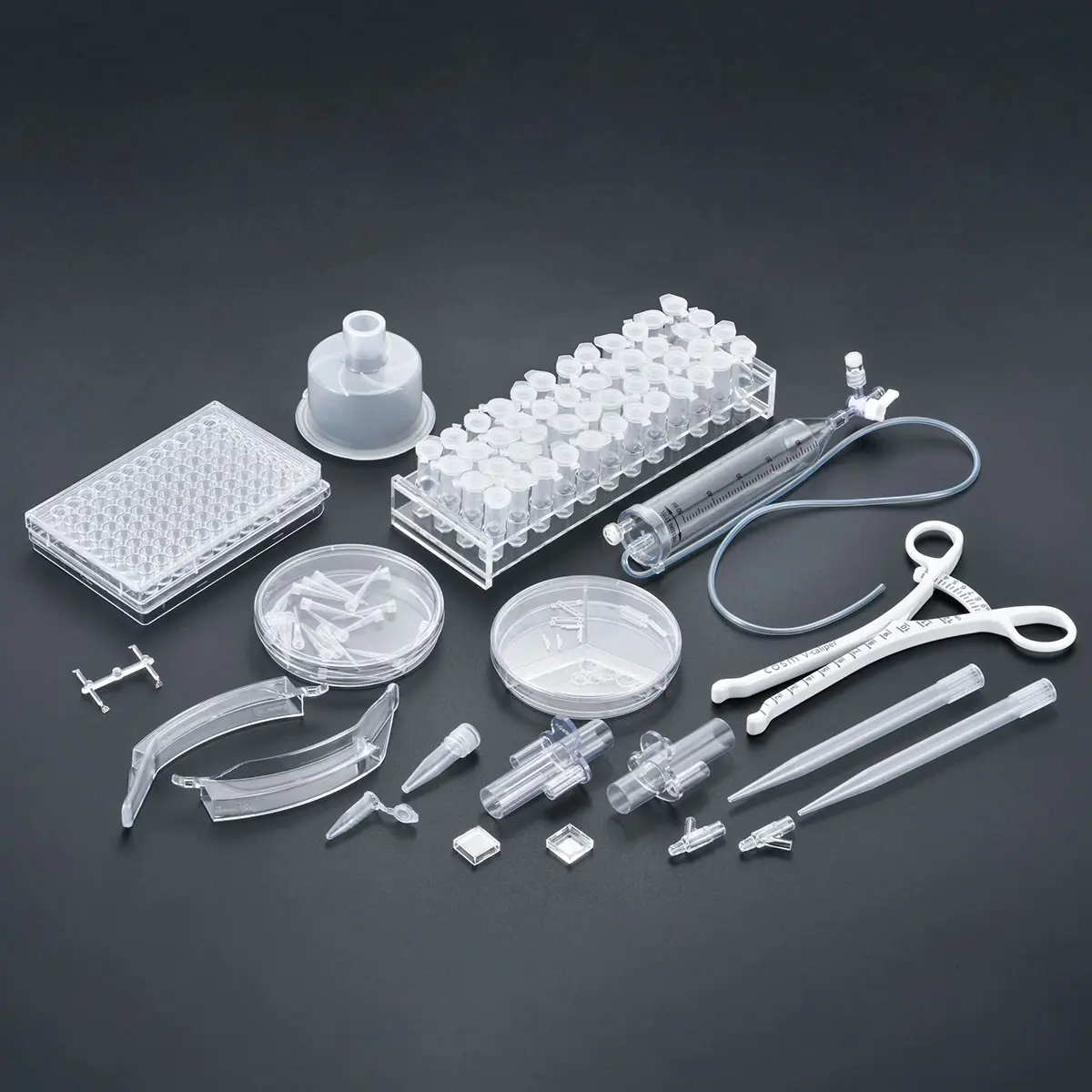
Finding reliable medical injection molding suppliers can make or break your product launch. When scaling a medical device from DFM design to cleanroom production, selecting a partner who balances tight tolerances, strict regulatory compliance, and speed-to-market is critical. A single failure in component cleanliness or dimensional variance can trigger costly FDA delays, recall risks, or compromised patient safety.
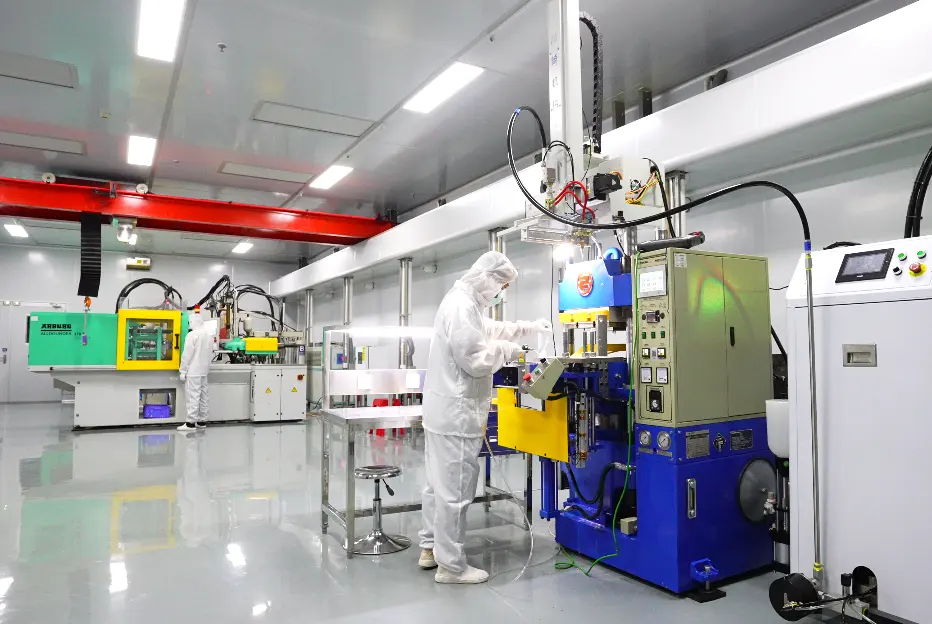
Navigating the global supplier landscape requires looking beyond standard plastic injection molding. Medical-grade manufacturing demands verified cleanroom environments, traceable biocompatible polymers (such as PEEK, PPSU, and PC), robust Quality Management Systems (QMS), and advanced tooling techniques.
This guide breaks down the essential criteria for evaluating medical molding partners, answers the most critical Sourcing and DFM questions, and provides clear side-by-side technical comparisons to help you select the ideal manufacturing partner.
Core Qualifications of Top-Tier Medical Injection Molders
1. Regulatory Compliance & Quality Certifications
A qualified molder must operate under strict international healthcare standards:
ISO 13485: The non-negotiable benchmark for medical device quality management systems.
ISO 9001: Demonstrates general manufacturing consistency.
FDA Registration & CFR 820 Compliance: Essential for Class I, II, and III medical device component traceability.
2. Controlled Cleanroom Environments
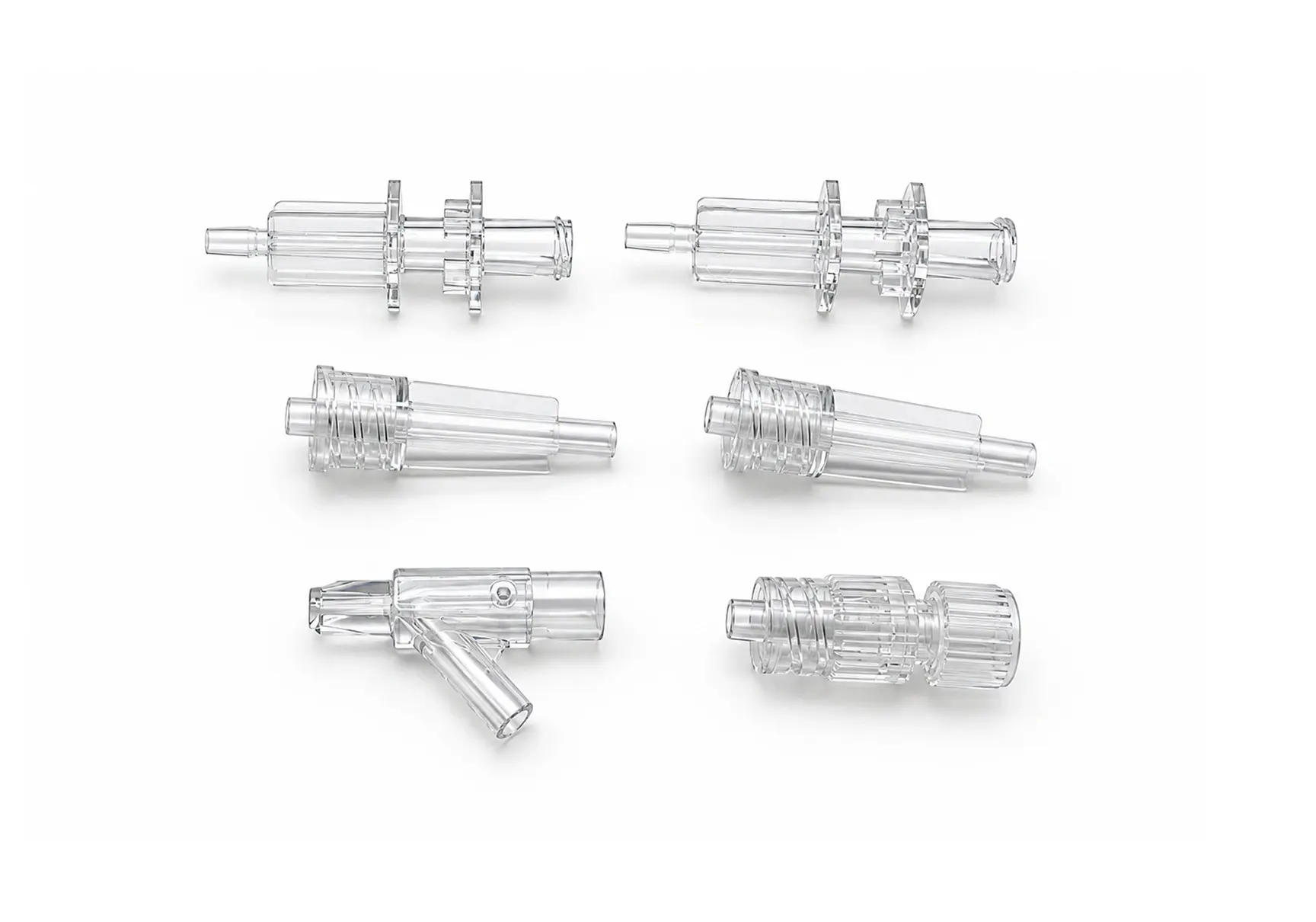
Contamination prevention is paramount when molding surgical instruments, fluidic connectors, or implantable parts:
ISO Class 7 (Class 10,000): Standard for primary packaging, surgical components, and diagnostic housings.
ISO Class 8 (Class 100,000): Suitable for secondary medical components and housing assemblies.
3. Medical-Grade Material Mastery
Top suppliers must possess deep experience processing high-performance biocompatible polymers:
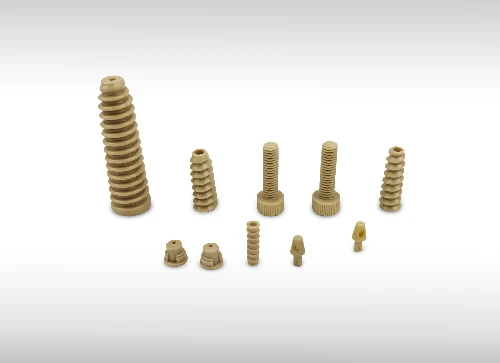
PEEK (Polyetheretherketone): High mechanical strength and chemical resistance for implantables and reusable surgical tools.
PPSU (Polyphenylsulfone): Exceptional resistance to repeated steam sterilization (autoclaving).
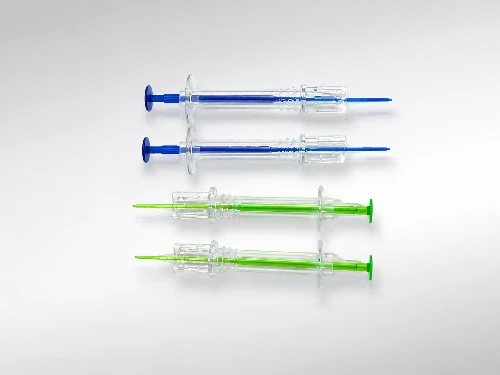
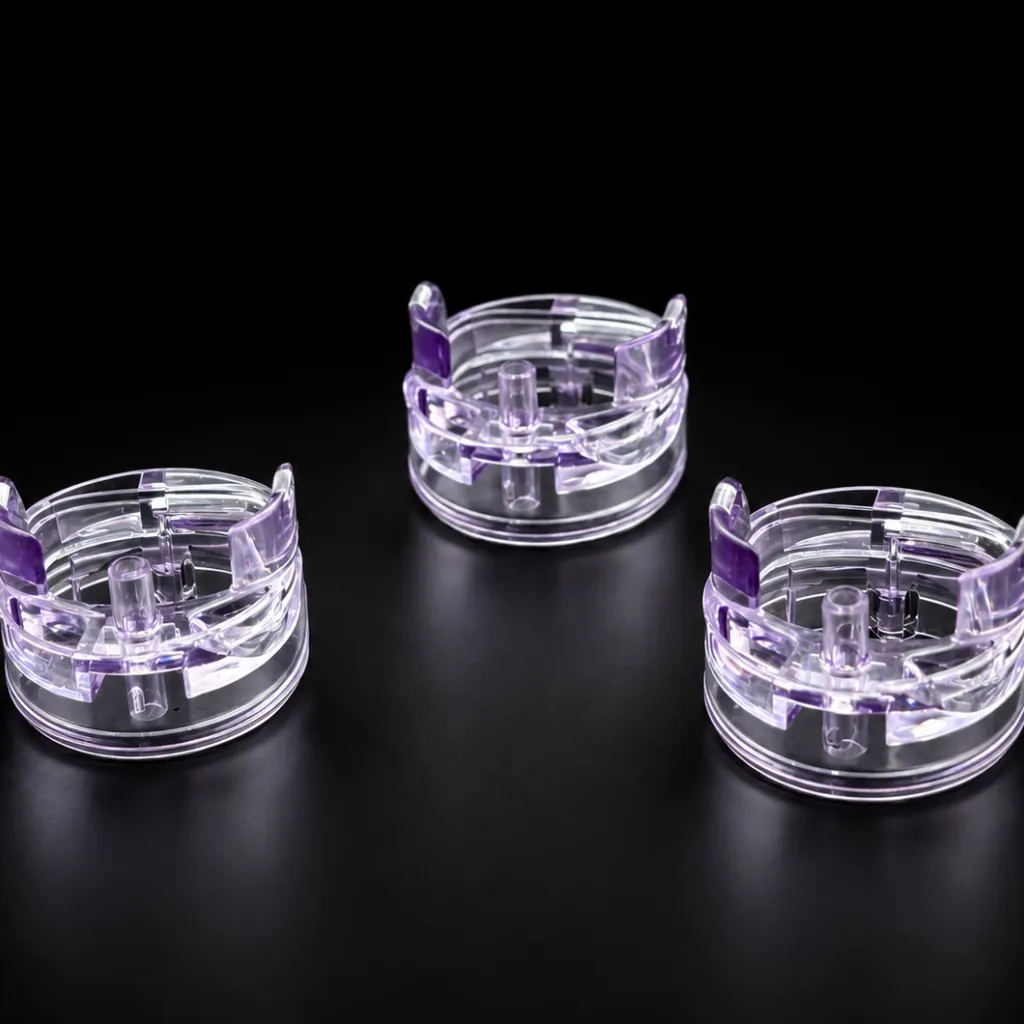
Polycarbonate (PC) & Acrylic: High optical clarity for fluid monitoring, syringes, and diagnostic cassettes.
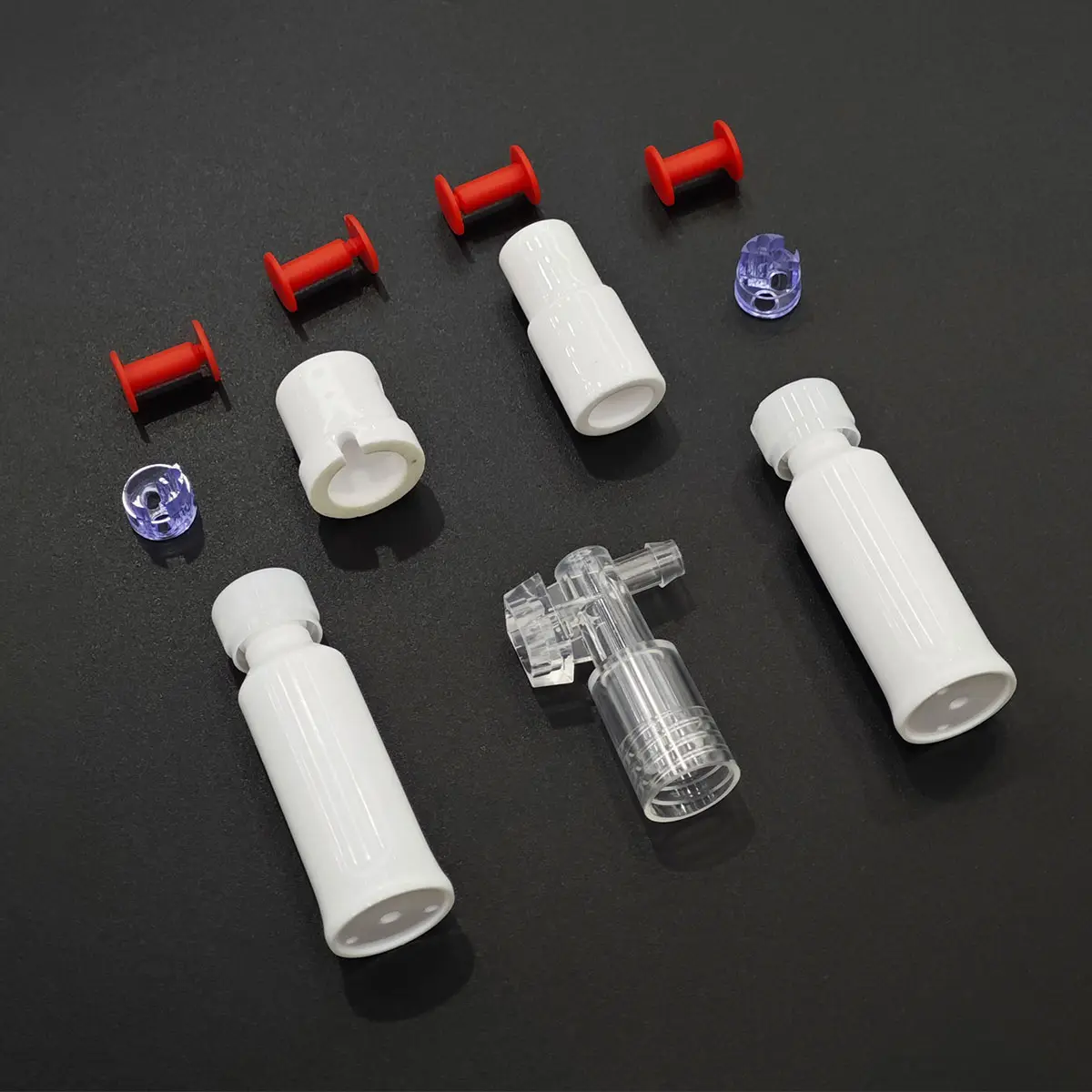
Liquid Silicone Rubber (LSR): Biocompatible, flexible material ideal for seals, gaskets, and catheters.
Key Considerations When Evaluating Medical Molding Partners
Step 1: Audit DFM (Design for Manufacturability) Capabilities
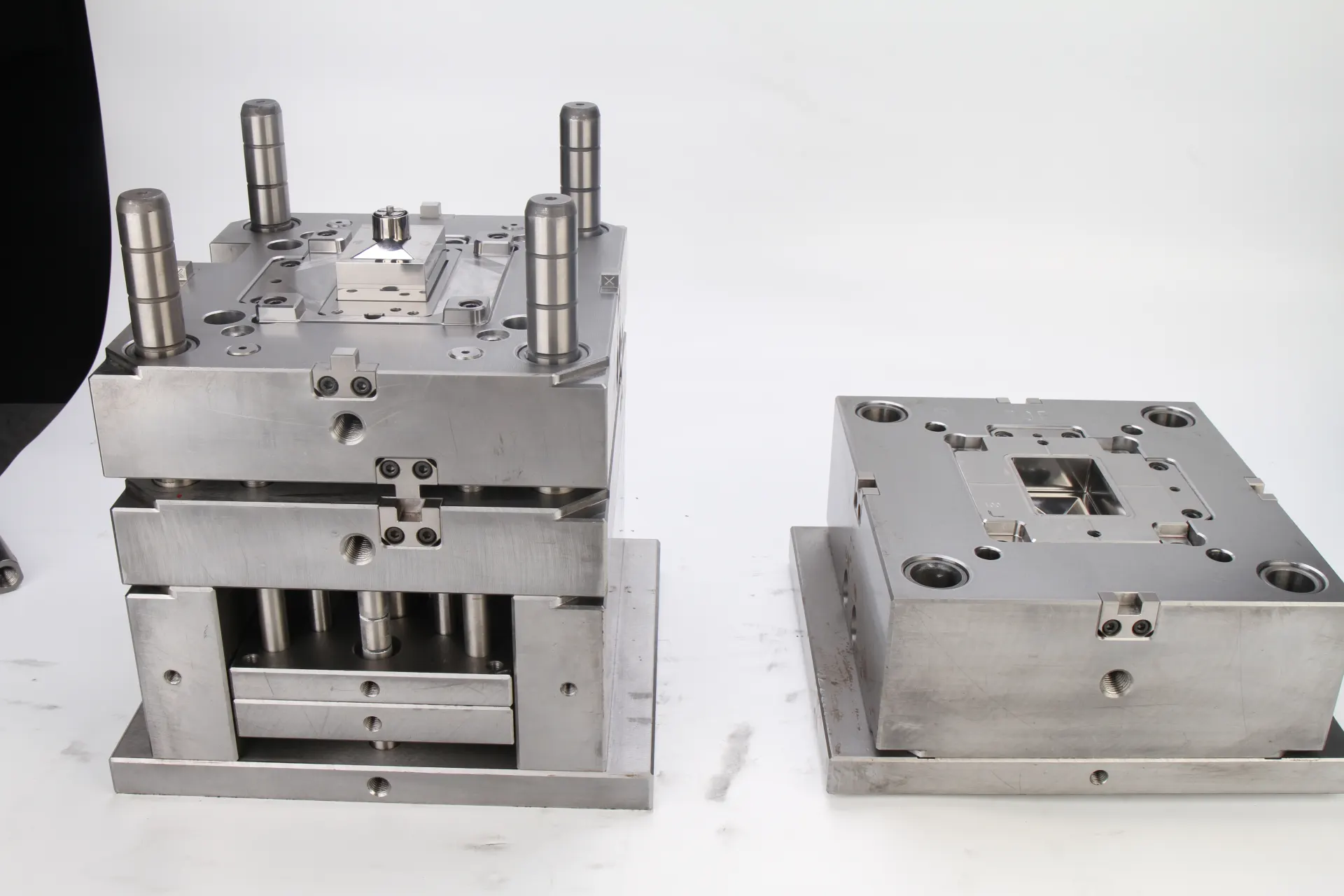
Ensure your supplier offers early-stage DFM support. Advanced mold flow analysis identifies potential issues—such as sink marks, wall thickness inconsistency, weld lines, and gate location challenges—before steel is cut.
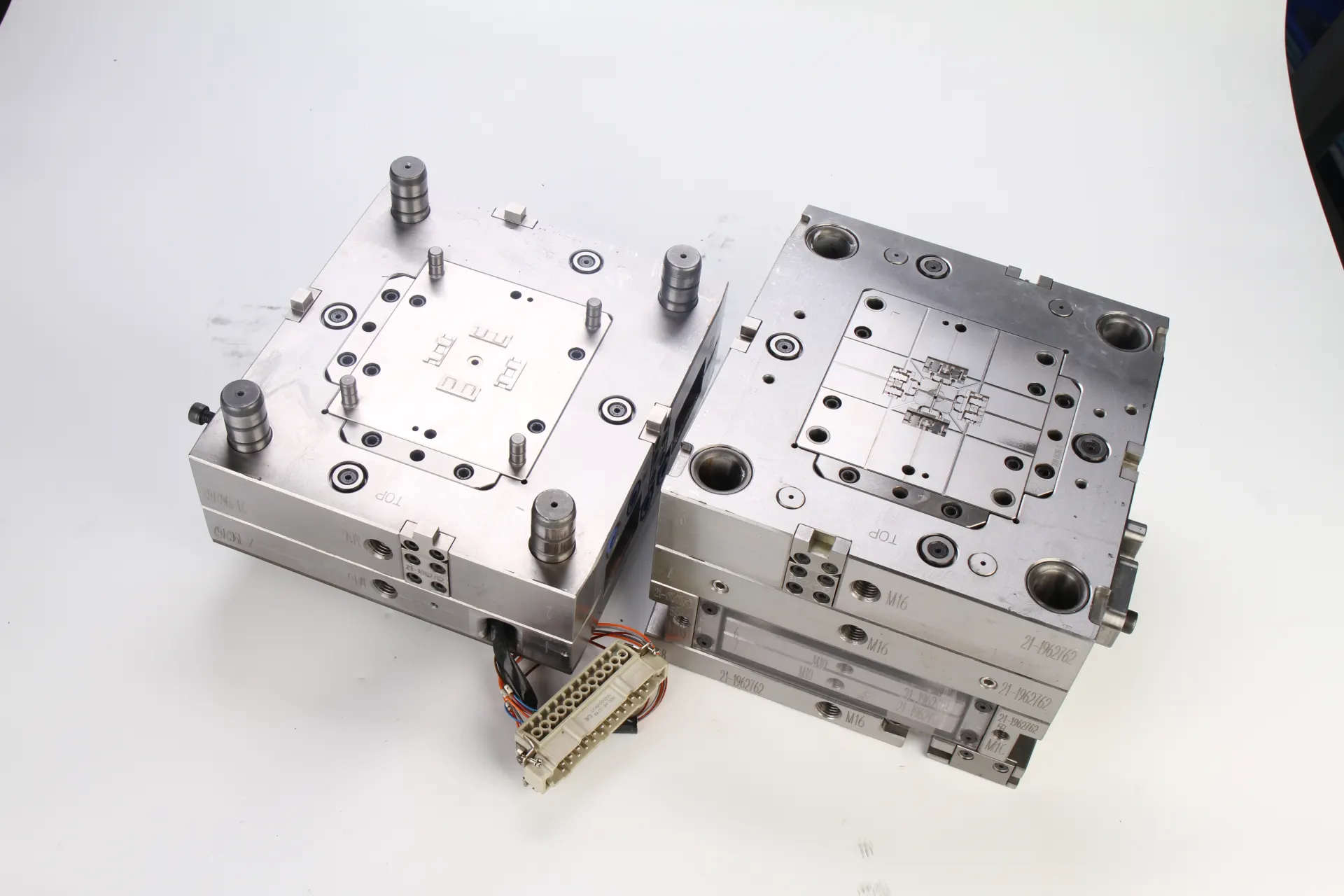
Step 2: Inspect Tooling Precision & Maintenance Protocols
High-cavitation, hardened steel molds (S136, H13) are necessary for multi-million-unit medical production. Verify that the molder maintains detailed mold maintenance logs and uses high-precision CNC and EDM machinery to hold tight tolerances (±0.005 mm).
Step 3: Review Validation Protocols (IQ / OQ / PQ)
A reliable medical partner must provide full Process Validation documentation:
IQ (Installation Qualification): Verifies that machinery and utilities are correctly installed.
OQ (Operational Qualification): Tests operating limits to ensure consistent parameter execution.
PQ (Performance Qualification): Confirms long-term production stability under actual manufacturing conditions.
4 Strategic Comparisons for Medical Manufacturing
1. Medical Injection Molding vs. Standard Commercial Injection Molding
| Feature | Medical Injection Molding | Standard Commercial Molding |
| Production Environment | ISO Class 7 / Class 8 Cleanroom | Standard Factory Floor |
| Quality Management | ISO 13485, FDA CFR 820 | ISO 9001 |
| Resin Traceability | Full Lot/Batch Traceability + USP Class VI / ISO 10993 | Standard Commercial Resin Verification |
| Validation Requirements | Mandatory IQ / OQ / PQ | Basic First Article Inspection (FAI) |
| Tooling Steel Grade | High-grade Stainless (e.g., S136, NAK80) | Standard Tool Steel or Aluminum |
2. Plastic Injection Molding vs. Metal Injection Molding (MIM) for Medical Devices
| Criteria | Plastic Medical Injection Molding | Metal Injection Molding (MIM) |
| Best Used For | Housings, disposables, clear tubing, syringes | Surgical scalpel handles, forceps, internal gears, implants |
| Material Types | Medical-grade Polymers (PEEK, PC, PPSU, Silicone) | Stainless Steels (316L, 17-4PH), Titanium Alloys |
| Mechanical Strength | Moderate to High structural rigidity | Extreme strength, wear resistance, high density |
| Geometric Complexity | High (thin walls, living hinges) | Extremely High (complex 3D shapes without machining) |
| Unit Cost at Scale | Very Low per unit | Cost-effective for complex metal geometries |
3. In-House Mold Making vs. Outsourced Tooling
| Aspect | In-House Tooling Supplier | Outsourced Tooling Supplier |
| Lead Time & Control | Shorter iteration loops; immediate engineering changes | Longer lead times dependent on third-party tool shops |
| Tooling Maintenance | On-site preventative care & rapid mold repair | Delays caused by off-site shipping or external scheduling |
| Cost Structure | Slightly higher initial tooling cost | Lower upfront quote, higher long-term risk |
| Quality Oversight | Direct alignment between mold designer and process engineer | Risk of miscommunication regarding shrinkage & tolerances |
| Aspect | In-House Tooling Supplier | Outsourced Tooling Supplier |
4. ISO Class 7 Cleanroom Molding vs. ISO Class 8 Cleanroom Molding
| Parameter | ISO Class 7 Cleanroom | ISO Class 8 Cleanroom |
| Max Particle Count (≥0.5μm) | 352,000 particles/㎡ | 3,520,000 particles/㎡ |
| Air Changes per Hour | 30–60 air changes/hr | 10–25 air changes/hr |
| Target Medical Products | Implantable parts, bio-reagents, fluid paths | Diagnostic outer housings, non-invasive device parts |
| Cost & Operational Overhead | Higher filtration & energy requirement | Moderate operational maintenance cost |
Selecting the right partner among global medical injection molding suppliers requires evaluating more than just piece-part pricing. Prioritize molders with proven ISO 13485 certification, ISO Class 7/8 cleanrooms, complete IQ/OQ/PQ validation capabilities, and deep expertise in engineering resins.
By performing early DFM reviews and choosing a partner with integrated in-house tooling and molding capabilities, you reduce quality risks, safeguard intellectual property, and ensure seamless regulatory approval for your medical device.
Need precise engineering guidance or custom medical mold manufacturing? Explore our comprehensive technical resources or request a detailed DFM review today to accelerate your medical device development cycle.
Frequently Asked Questions (FAQ)
Q1: Why is ISO 13485 certification essential for medical injection molding suppliers?
A: ISO 13485 ensures that a molder adheres to strict risk management, process validation, lot traceability, and cleanroom protocols required specifically by the medical device industry. Non-certified molders risk compliance failures during FDA audits or product recalls.
Q2: What materials are most commonly used in custom medical injection molding?
A: Common biocompatible resins include Polycarbonate (PC) for clear diagnostic components, PEEK for high-strength surgical tools/implants, PPSU for steam-sterilizable instruments, Liquid Silicone Rubber (LSR) for flexible seals, and Polypropylene (PP) for disposable syringes and labware.
Q3: How long does it take to validate a medical injection mold?
A: Standard medical mold validation (including DFM, mold build, sampling, FAI, and IQ/OQ/PQ protocols) typically ranges from 8 to 16 weeks, depending on component complexity, cavity count, and testing requirements.
Q4: What is the difference between prototype tooling and production tooling for medical parts?
A: Prototype tooling (often aluminum or soft steel) is built for low-volume testing (100 to 5,000 parts) and fast iterations. Production tooling uses hardened stainless steel (such as S136) designed for multi-cavity, high-volume manufacturing (hundreds of thousands to millions of cycles) in ISO cleanrooms.