



-

Advantages of Liquid Silicone Rubber (LSR): Why It Is Replacing Traditional Rubber and Plastics
-
LSR Injection Molding (Cold Runner) vs. Compression Molding LSR (Runnerless): Process & Selection Guide
-
Medical Injection Molding DFM Checklist & Design Guidelines
-
Liquid Silicone Rubber (LSR) vs. Thermoplastic Injection Molding for Medical Devices

Medical Injection Molding Technology: Comprehensive Guide for Medical Device Components
2026-09-24


复制成功
Why Precision Medical Injection Molding Is Non-Negotiable
Designing plastic components for medical devices leaves zero margin for error. A minor dimensional deviation, material degradation, or particulate contamination can compromise patient safety and trigger costly regulatory rejections.
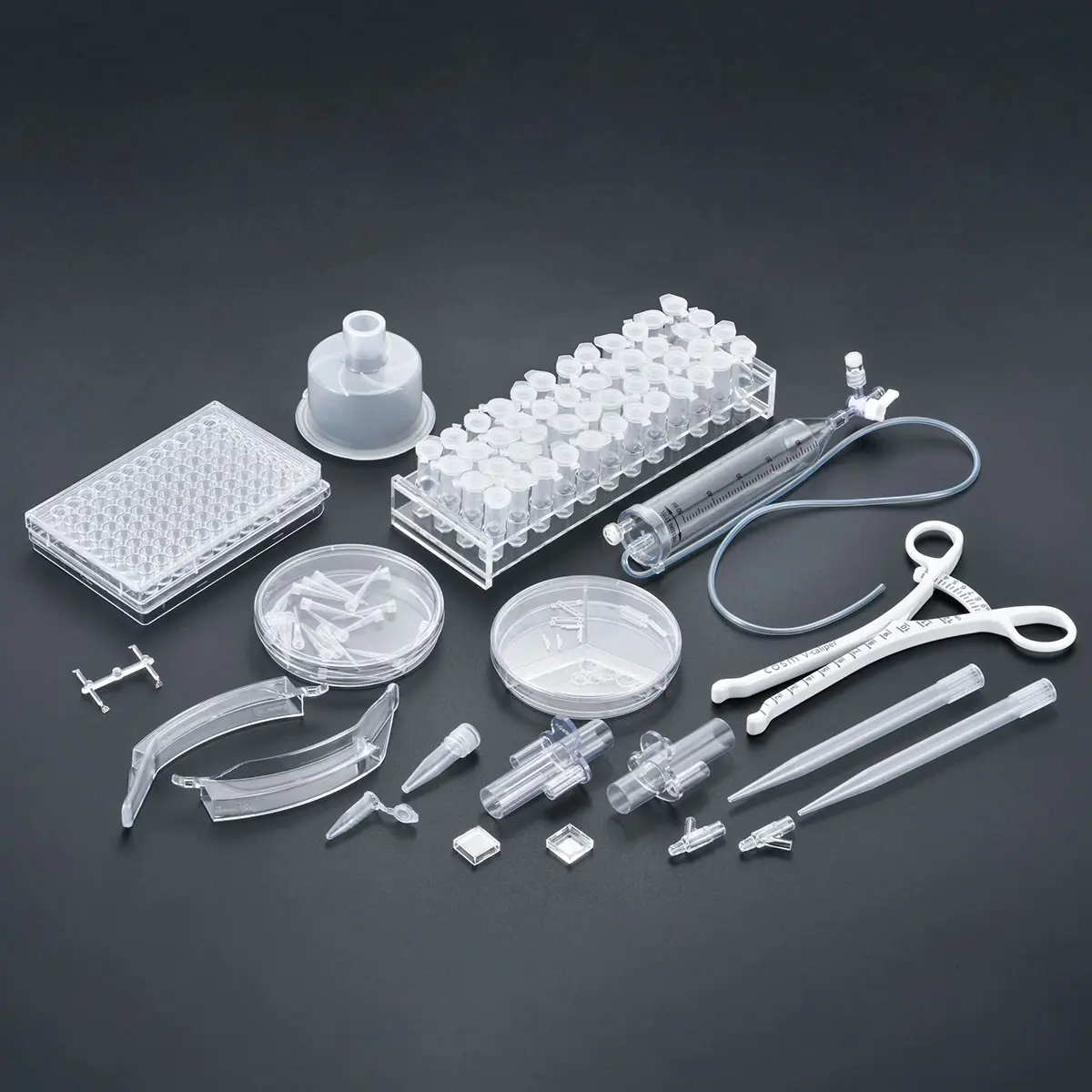
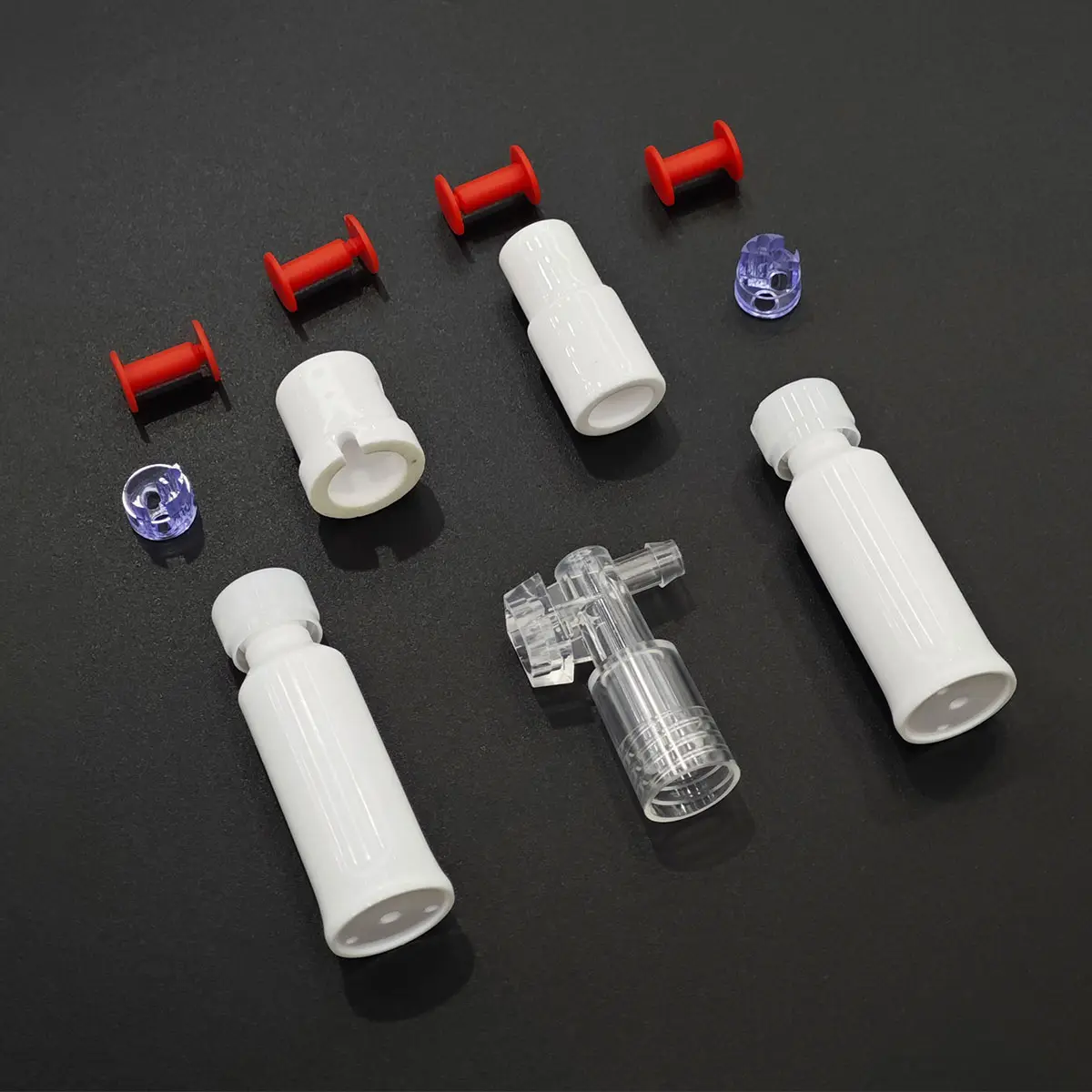
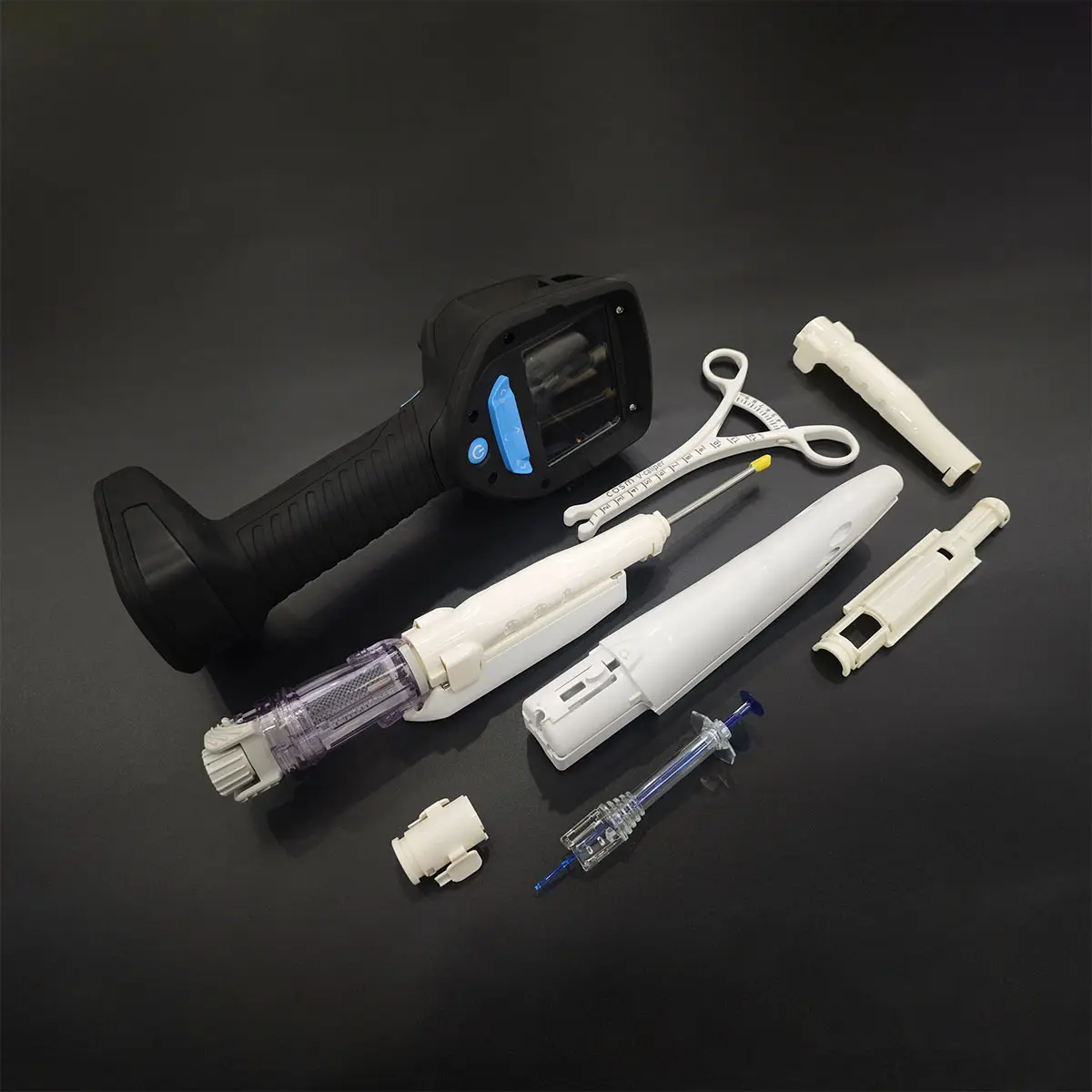
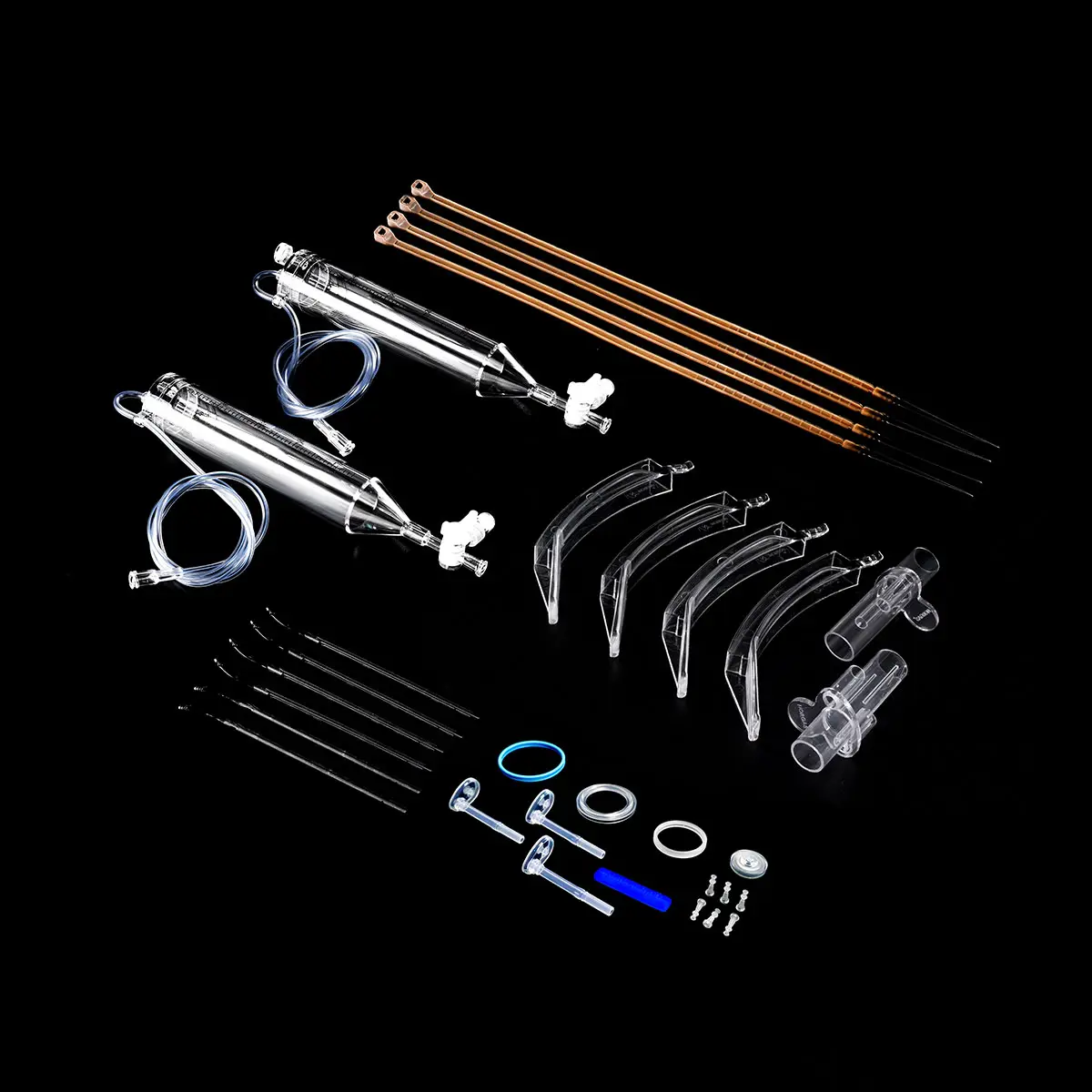
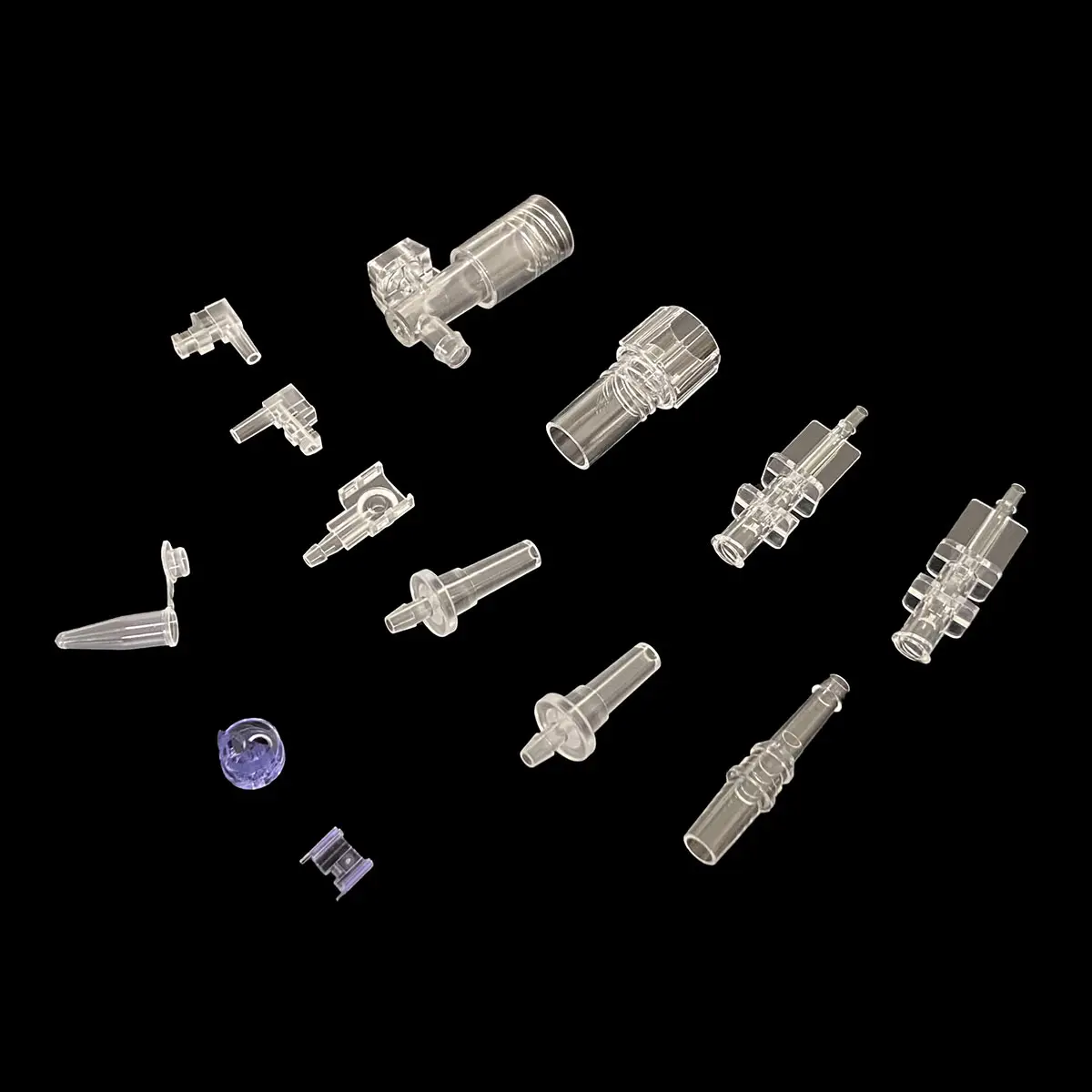
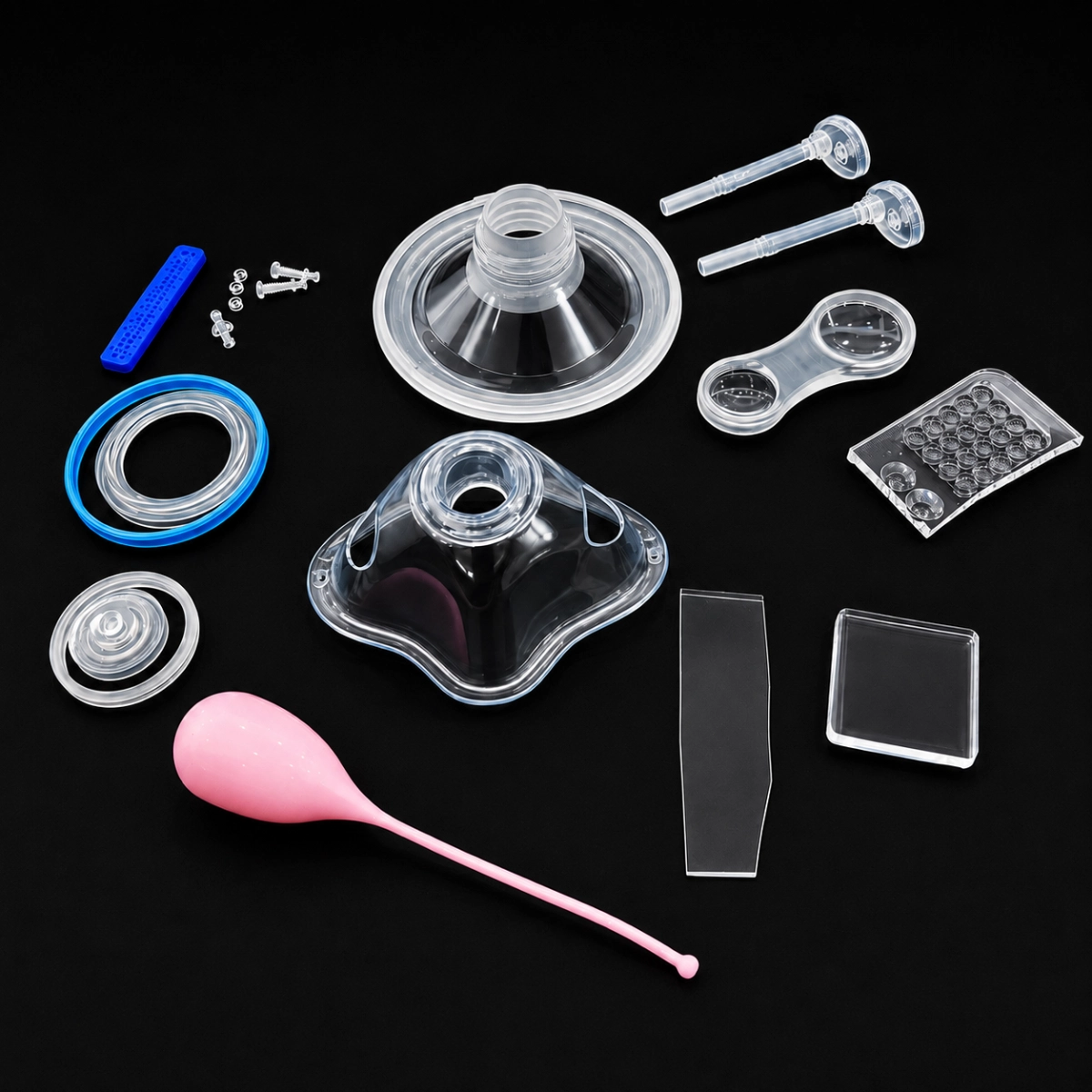
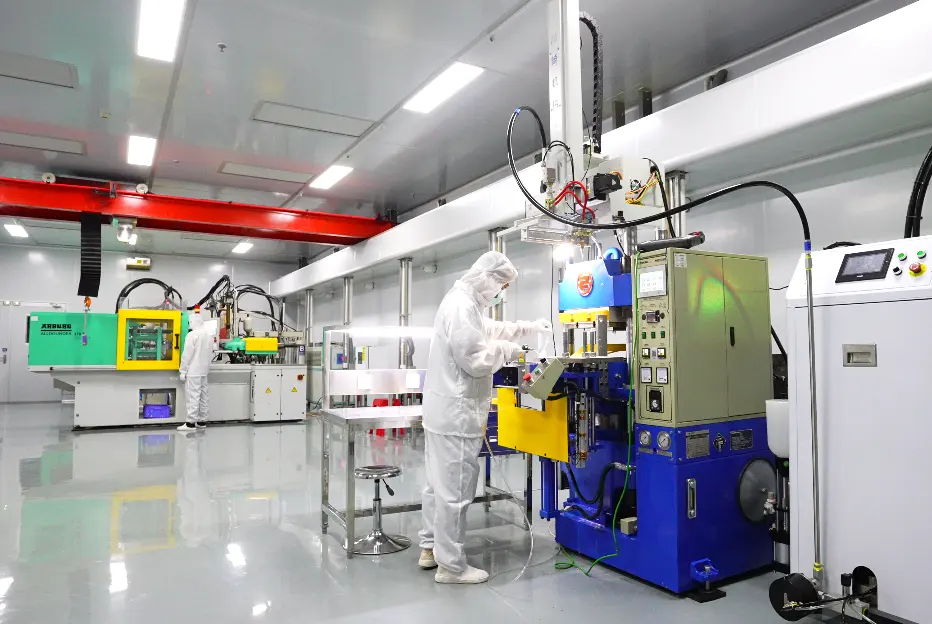
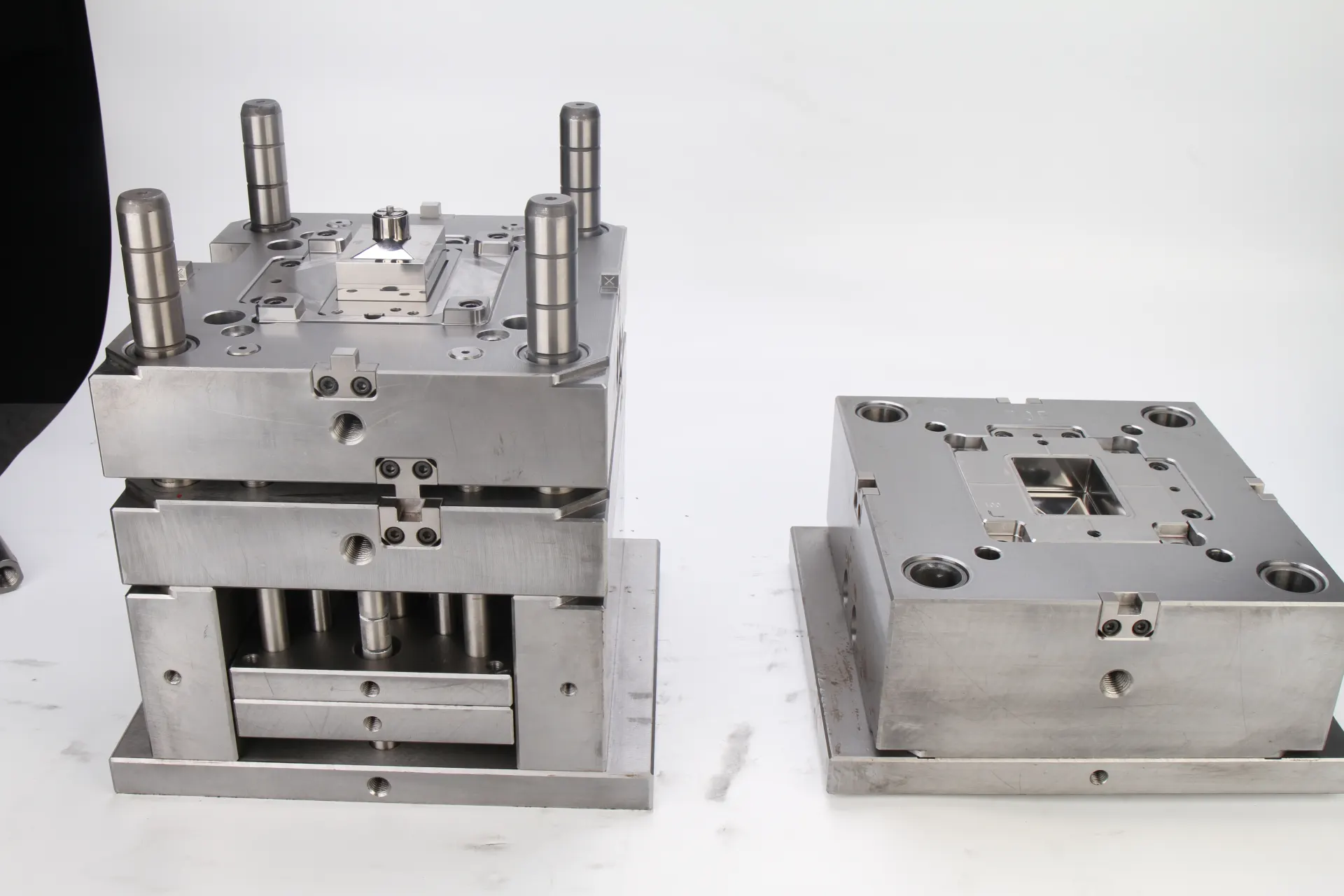
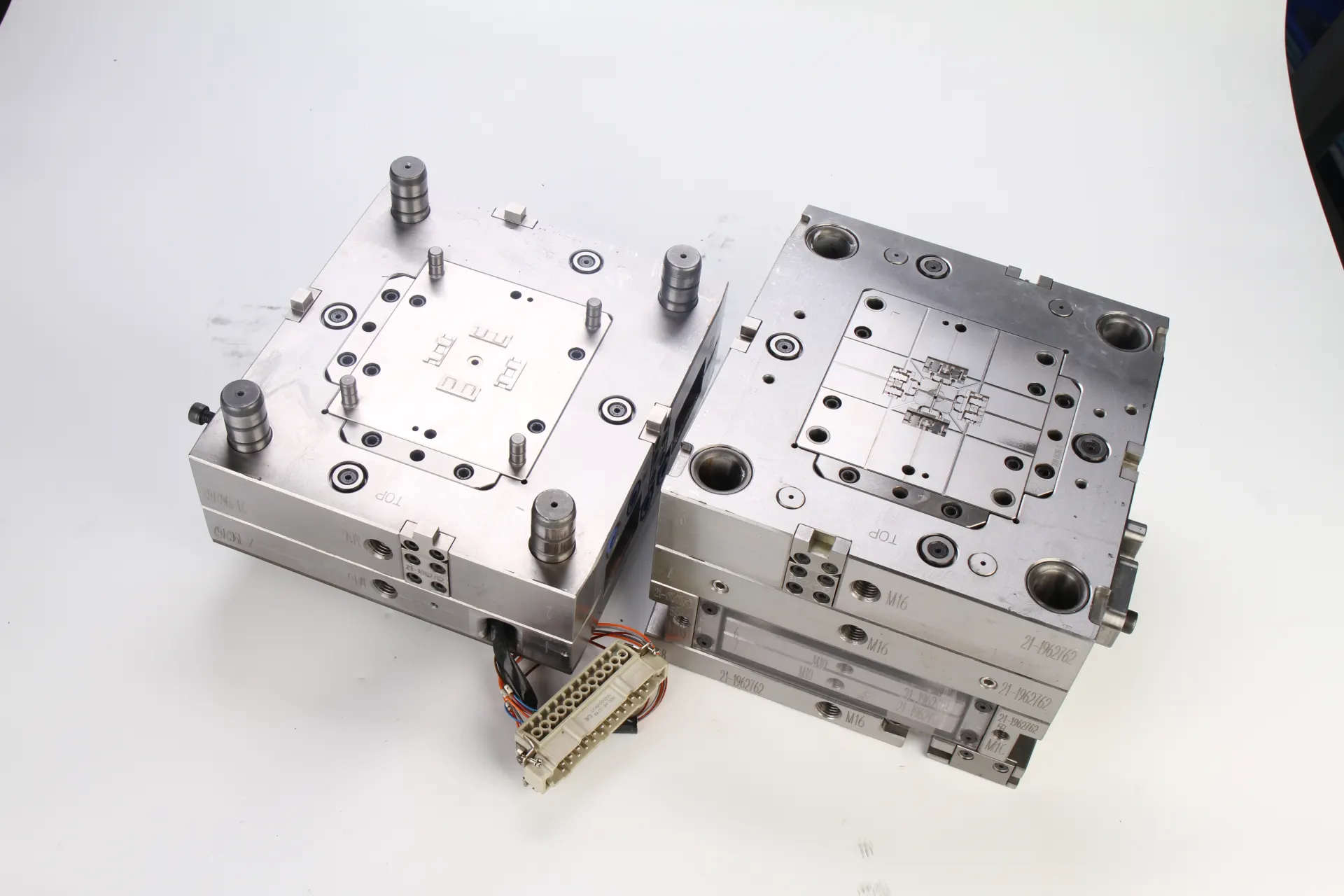
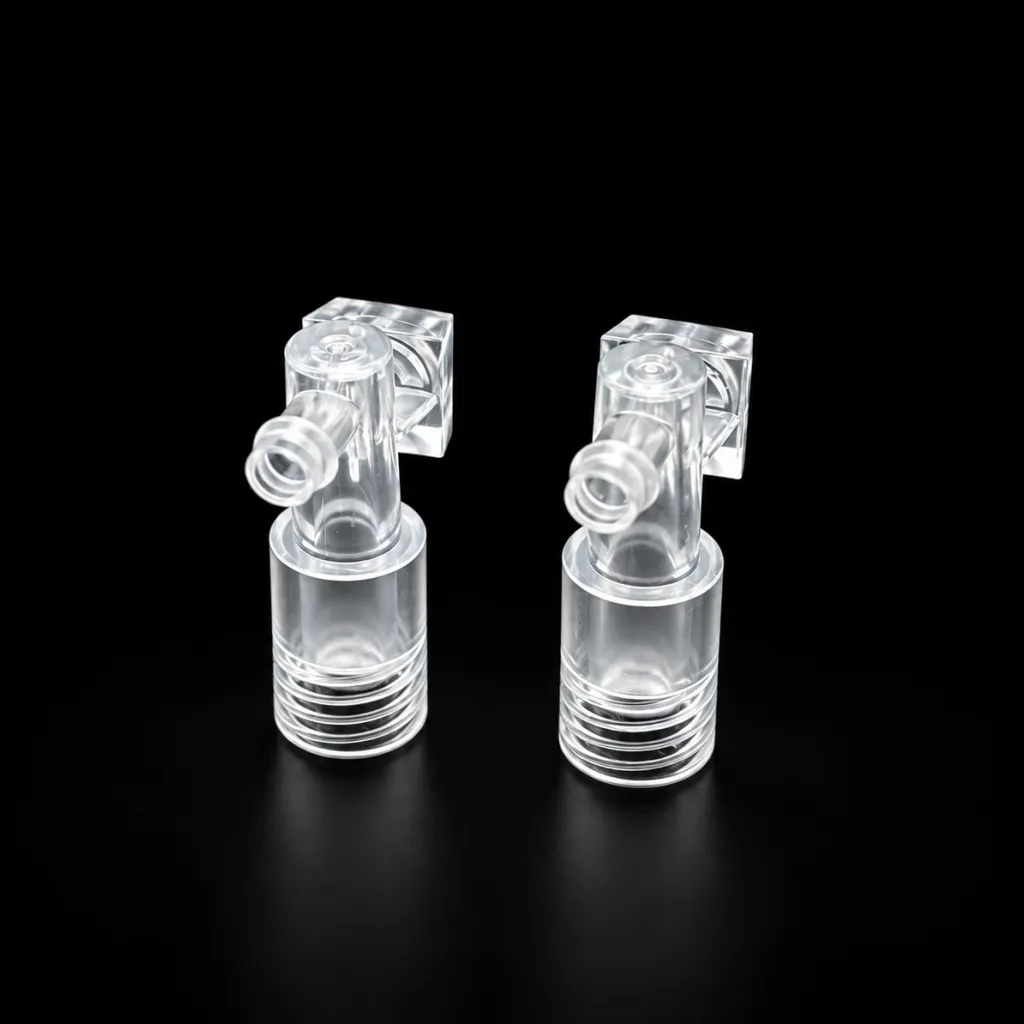
Medical injection molding technology bridges the gap between complex geometrical designs and mass production of sterile, biocompatible parts. Whether you are producing surgical instruments, diagnostic cartridges, or implantable components, mastering process variables—from high-performance resin selection to ISO-certified cleanroom environments—is essential to ensuring full FDA and ISO 13485 compliance.
1. Core Foundations of Medical Injection Molding
Medical injection molding relies on strict environmental control and bio-compatible materials to produce components that withstand rigorous sterilization and biological contact.
ISO Cleanroom Standards
Unlike standard industrial molding, medical component manufacturing requires controlled environments to prevent airborne contaminants.
ISO Class 7: Standard for diagnostic housings, surgical handles, and fluid management sets.
ISO Class 8: Typical for secondary assembly, packaging, and non-invasive components.
Biocompatible Resins & Material Selection
Selecting the right polymer impacts mechanical performance and regulatory approval.
| Polymer Type | Key Properties | Common Applications |
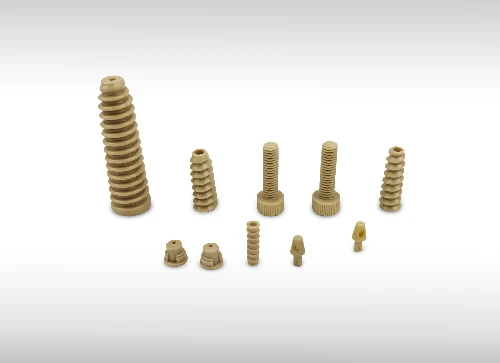
| PEEK (Polyetheretherketone) | High strength, radiolucent, autoclave safe | Implantable devices, spinal cages |
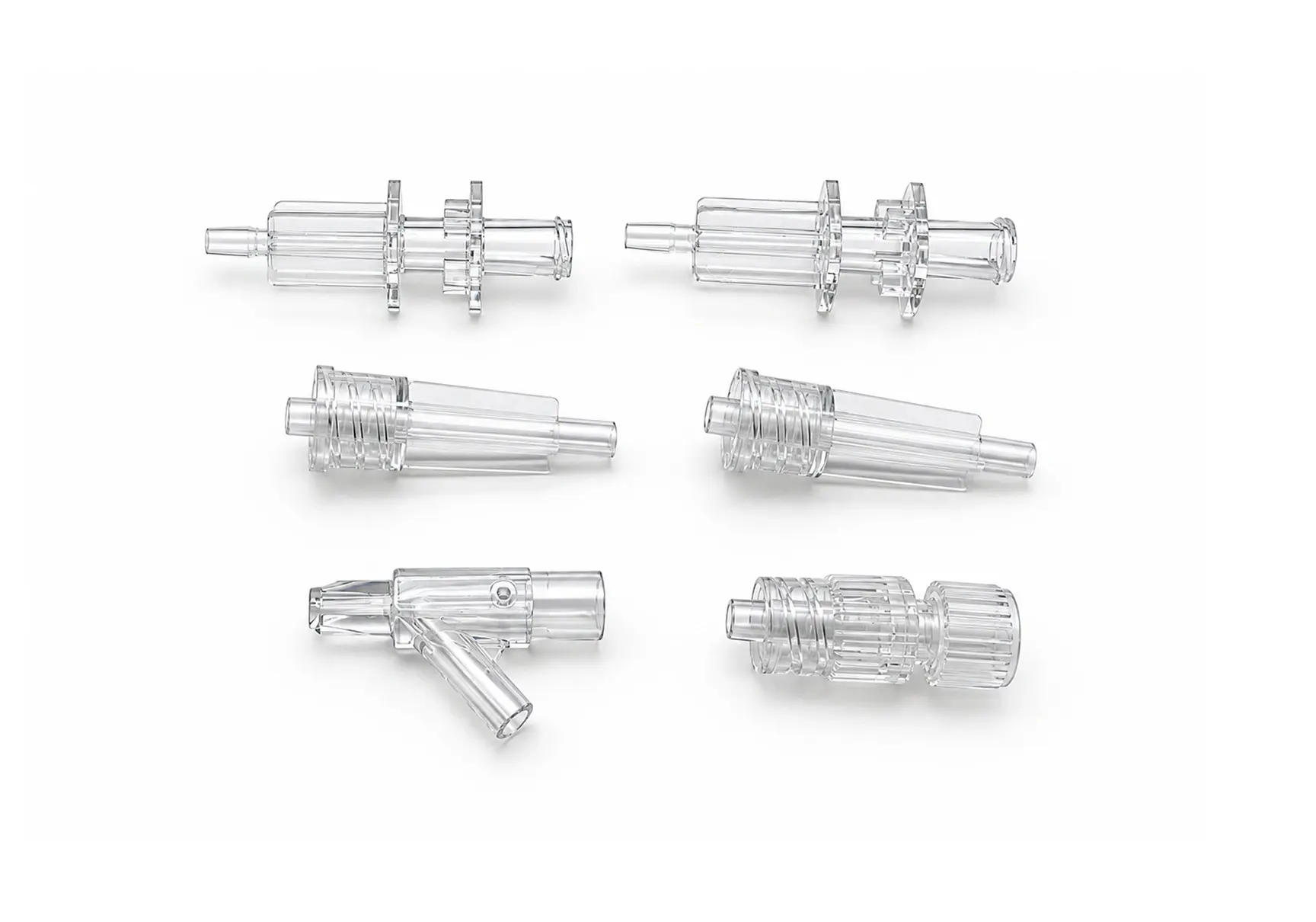
| Polycarbonate (PC) | High clarity, impact resistant | Fluid reservoirs, blood oxygenators |
| Medical-Grade Silicone (LSR) | Flexible, heat-resistant, biocompatible | Seals, gaskets, catheters |
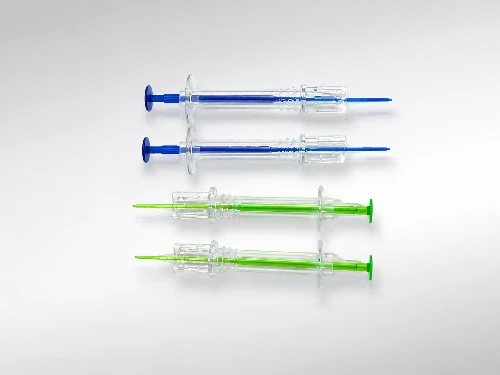
| Polypropylene (PP) | Chemical resistance, low cost | Syringes, labware, test tubes |
2. Critical DFM Rules for Medical Parts
Design for Manufacturability (DFM) minimizes defect rates such as sink marks, voiding, and internal stresses before cutting steel for molds.
Wall Thickness & Uniformity
Maintain uniform wall thickness throughout the part to prevent uneven cooling and internal stress accumulation.
Target Range: 1.2 mmto 3.0mmfor typical medical housings.
Transition: Use a gradual taper (3:1 ratio) when changing wall dimensions.
Draft Angles & Radii
Provide a minimum of 1.0℃to 2.0℃ draft angle on vertical surfaces to facilitate easy part ejection without micro-scratches.
Incorporate generous radii on internal corners (R≥0.5 ×wall thickness) to reduce stress concentrations and fluid entrapment points.
3. Common Manufacturing Pitfalls & Avoidance Strategies
Medical device failure in the field often traces back to minor molding defects.
Particulate Contamination: Mitigate by implementing fully automated robot extraction arms within sealed ISO Class 7 enclosures.
Flash & Parting Line Burrs: Prevent flash on delicate fluidic channels by using high-tonnage precision electric molding machines with real-time pressure feedback.
Material Degradation: Avoid excess residence time in the barrel to prevent thermal degradation of sensitive medical resins.
Frequently Asked Questions (FAQ)
What is the difference between standard and medical-grade injection molding?
Medical-grade injection molding requires strict traceability, ISO 13485 quality systems, biocompatible materials (USP Class VI / ISO 10993), and production within cleanroom environments to avoid contamination.
What sterilization methods must molded medical plastics withstand?
Components must be selected based on their resistance to specific sterilization methods: Autoclave (Steam), Gamma Radiation, Ethylene Oxide (EtO), or Electron Beam (E-beam).
Why are all-electric molding machines preferred for medical parts?
All-electric injection molding machines eliminate hydraulic oil risks, deliver higher repeatable accuracy ($\pm 0.01\text{ mm}$), and lower particulate generation, making them ideal for cleanrooms.
Conclusion
Executing medical injection molding technology successfully requires alignment between polymer selection, tool design, cleanroom protocols, and strict quality control systems. Partnering early with an experienced molder ensures smooth transition from prototype to full-scale commercial manufacturing.
Welcome to contact us for your project solutions