



-

Micro LSR Seal Design: Flash Prevention Tips for Precision Molding
-
Advantages of Liquid Silicone Rubber (LSR): Why It Is Replacing Traditional Rubber and Plastics
-
LSR Injection Molding (Cold Runner) vs. Compression Molding LSR (Runnerless): Process & Selection Guide
-
Medical Injection Molding DFM Checklist & Design Guidelines
The Definitive Guide to injection moulding medical
2026-07-13




复制成功
From high-volume disposable syringes to highly sophisticated components utilized in minimally invasive surgical procedures, injection moulding medical technology stands as the backbone of healthcare hardware innovation. Every phase of production must adhere to rigorous regulatory frameworks to ensure both biostability and flawless performance under life-critical conditions.
This comprehensive guide explores the core value proposition of injection molding medical devices, outlines critical application categories, and breaks down the essential manufacturing considerations that help medical brands move flawlessly from design to high-volume commercialization.
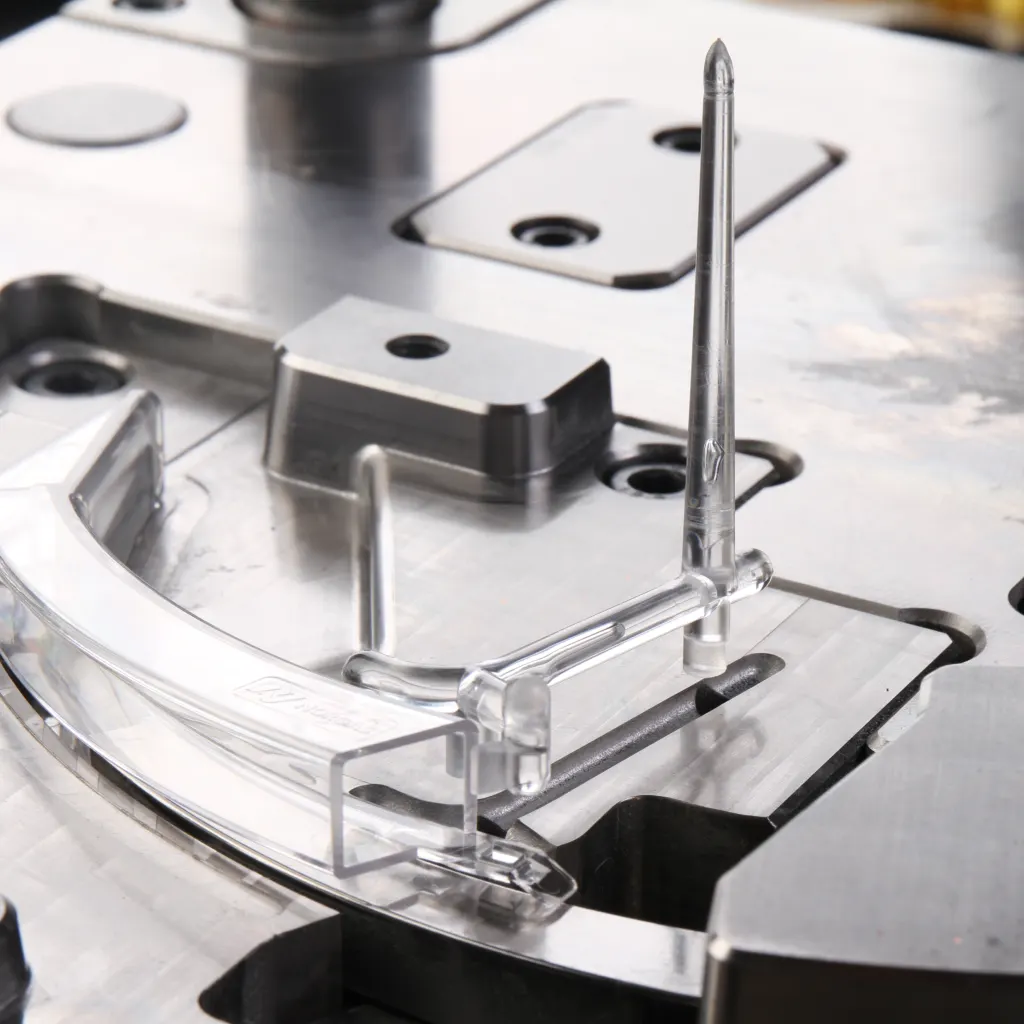
Why the Relies on injection moulding medical?
Among all advanced manufacturing methodologies, medical plastic injection molding has established itself as the premier choice for manufacturing medical devices and laboratory consumables. This dominance is driven by three pivotal advantages:
Sub-Micron Precision and Repeatability: Healthcare components frequently require exceptionally tight tolerances, often controlled within $\pm0.001$ inches. High-precision tooling guarantees that whether you manufacture one thousand or ten million units, every single piece exhibits microscopic dimensional consistency.
Scalable Cost Efficiency: High-volume medical consumables require a process that minimizes cycle times and secondary labor. Automated injection systems optimize material usage and dramatically compress per-unit costs, making massive production runs commercially viable
Design Versatility and Weight Reduction: Engineering-grade medical resins boast exceptional strength-to-weight ratios. Utilizing advanced plastic injection molding medical parts protocols allows engineers to design complex geometries, thin-walled structures, and ergonomic multi-material handles that are impossible to achieve with traditional metals.
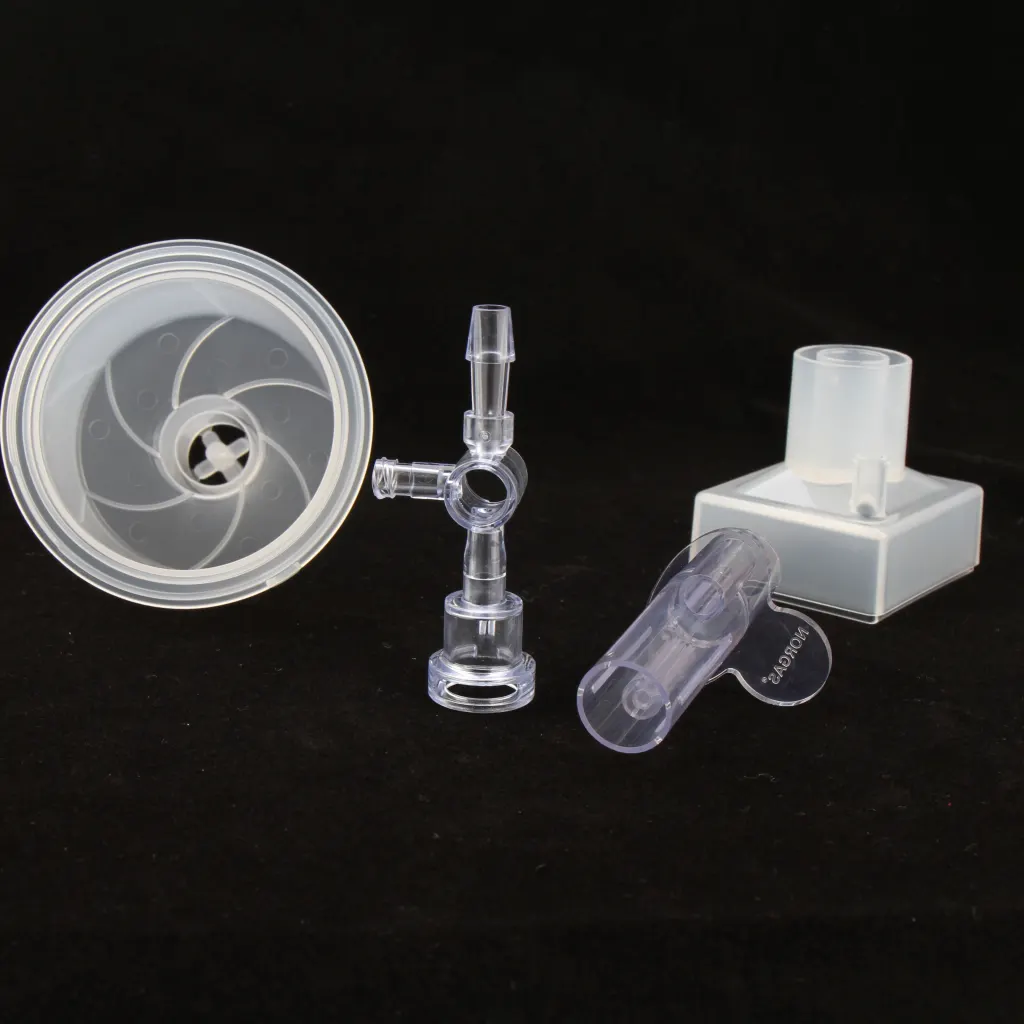
Critical Applications in Modern Healthcare
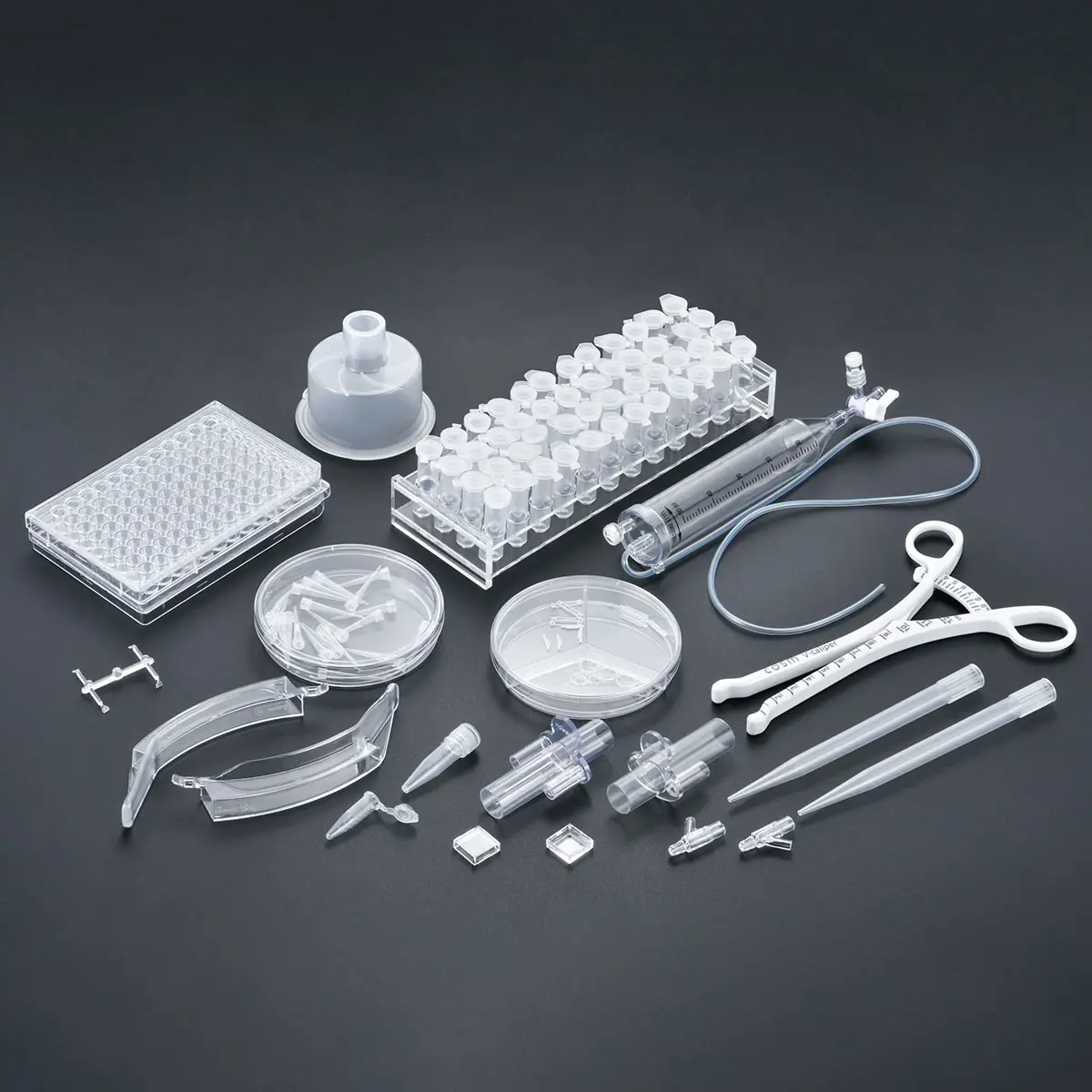
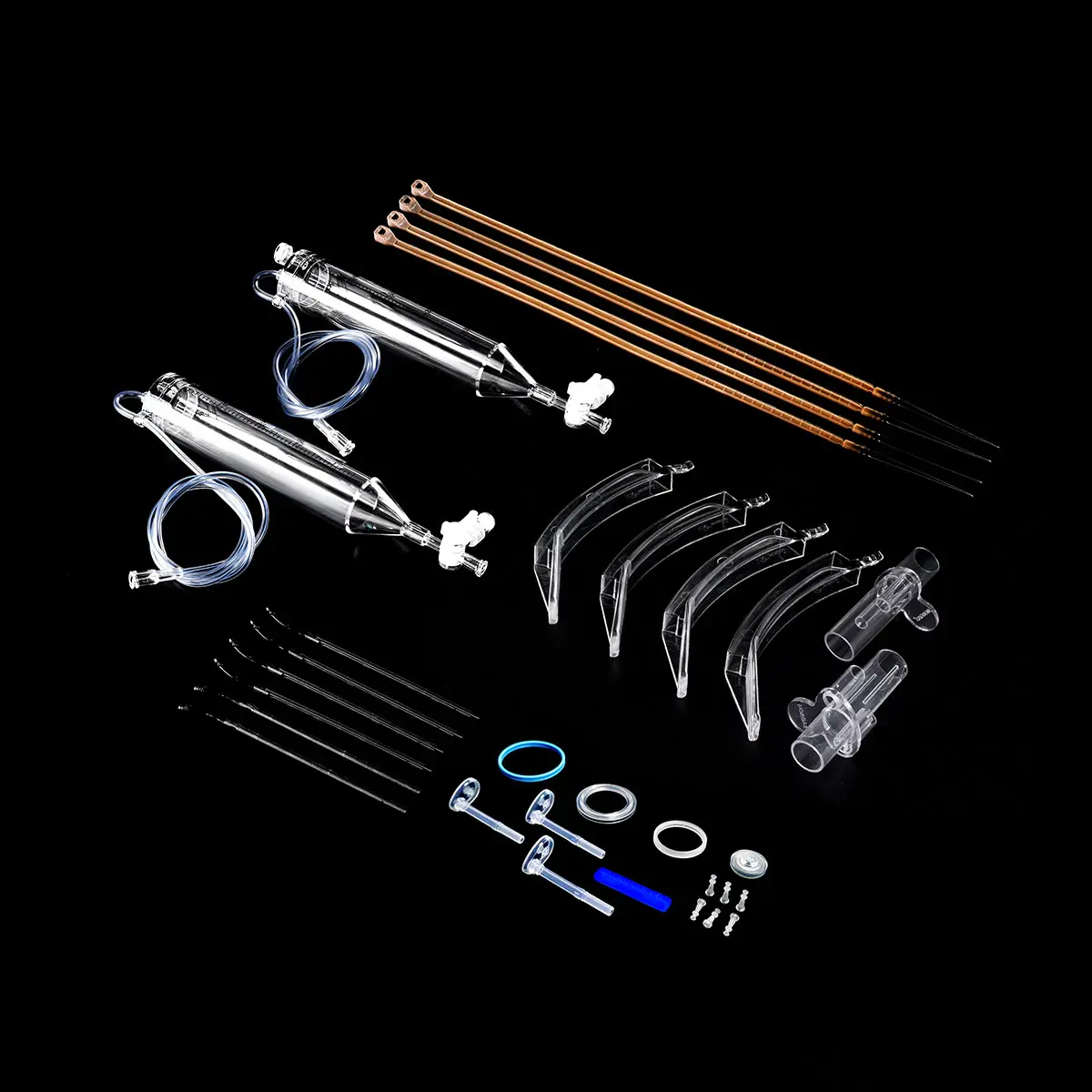
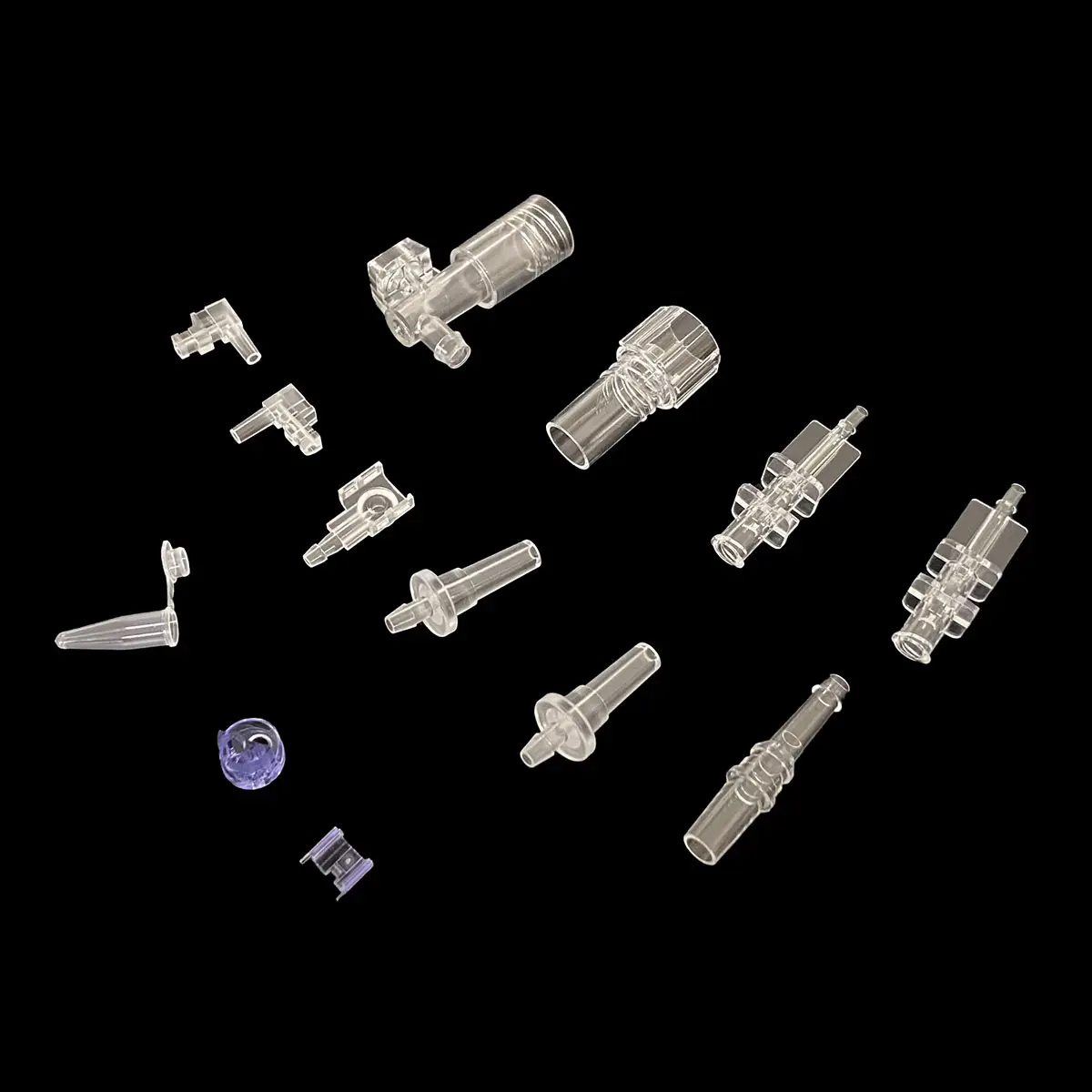
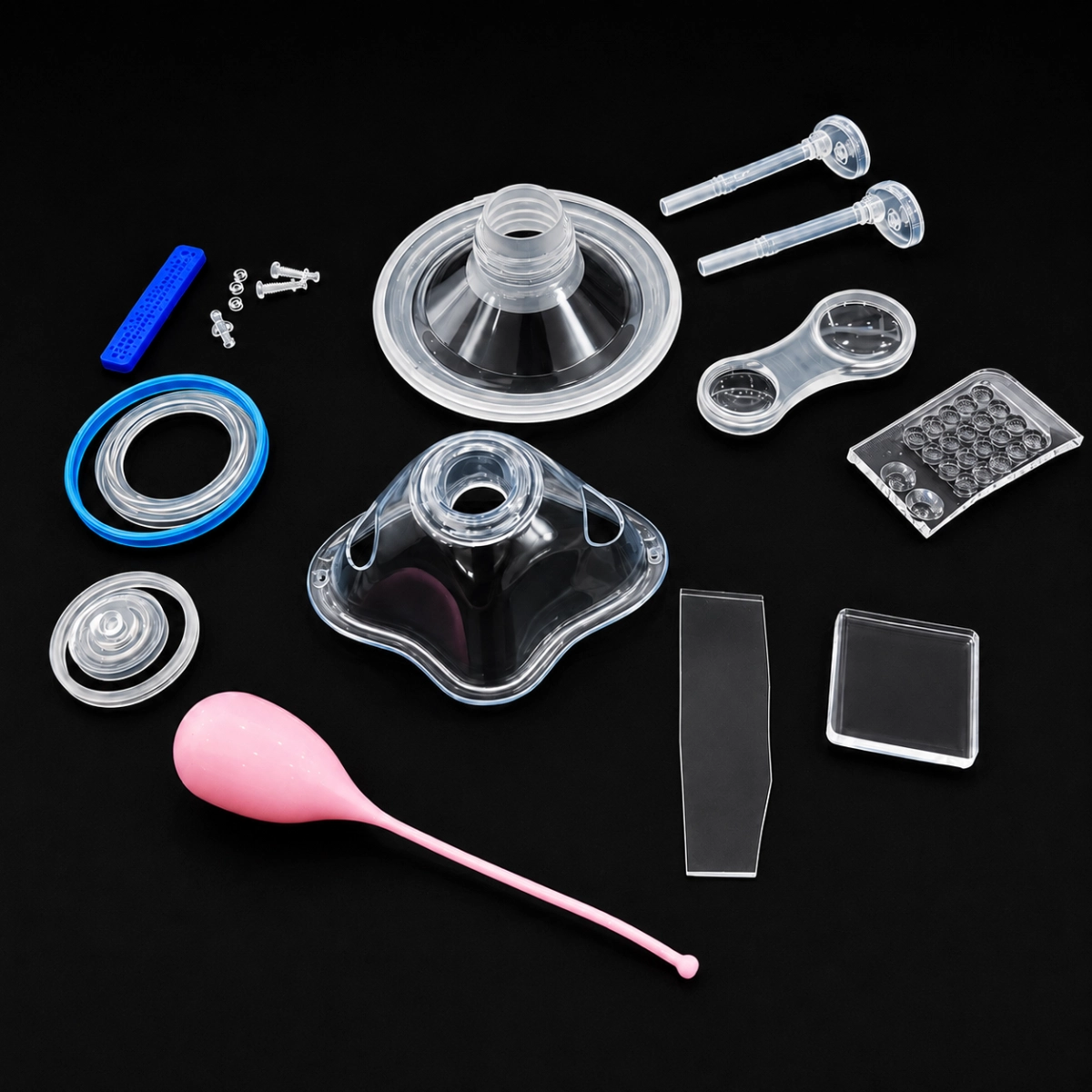
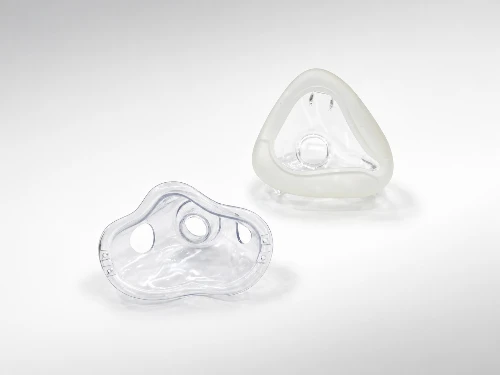
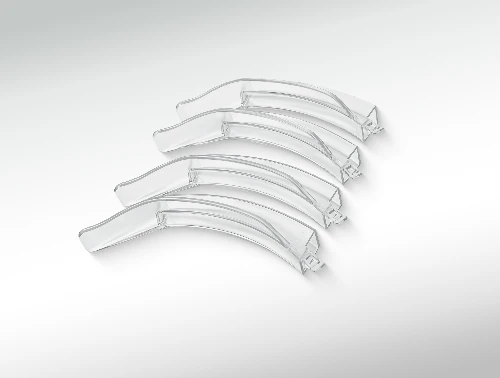
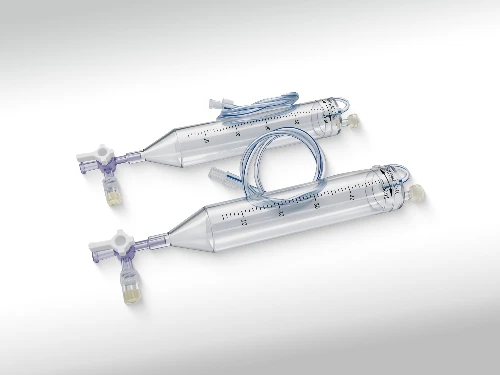
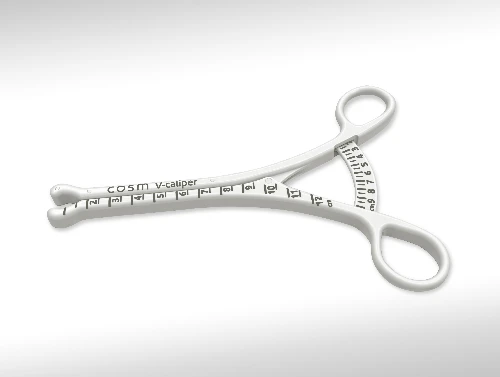
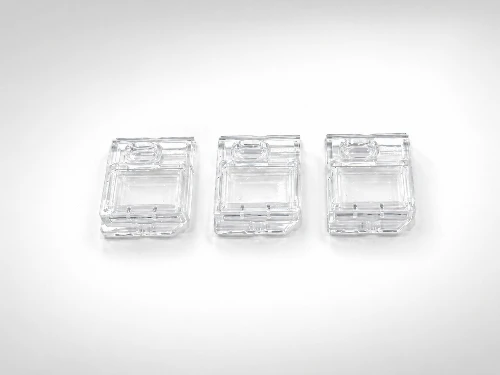
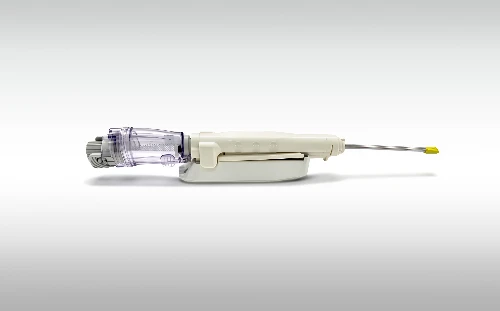
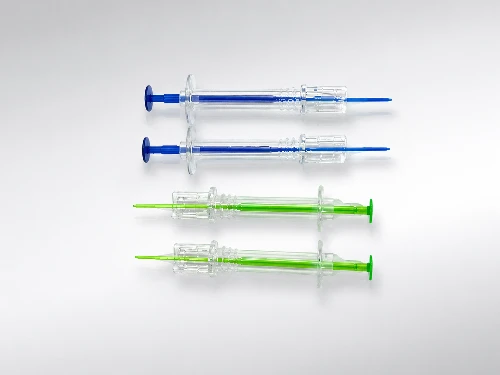
The footprint of medical device injection moulding spans across every tier of clinical intervention, diagnostics, and patient care. The table below details the expanded applications, key parts, and stringent requirements governing these components.
| Application Category | Key Plastic Injection Molding Medical Parts | Core Engineering & Regulatory Demands |
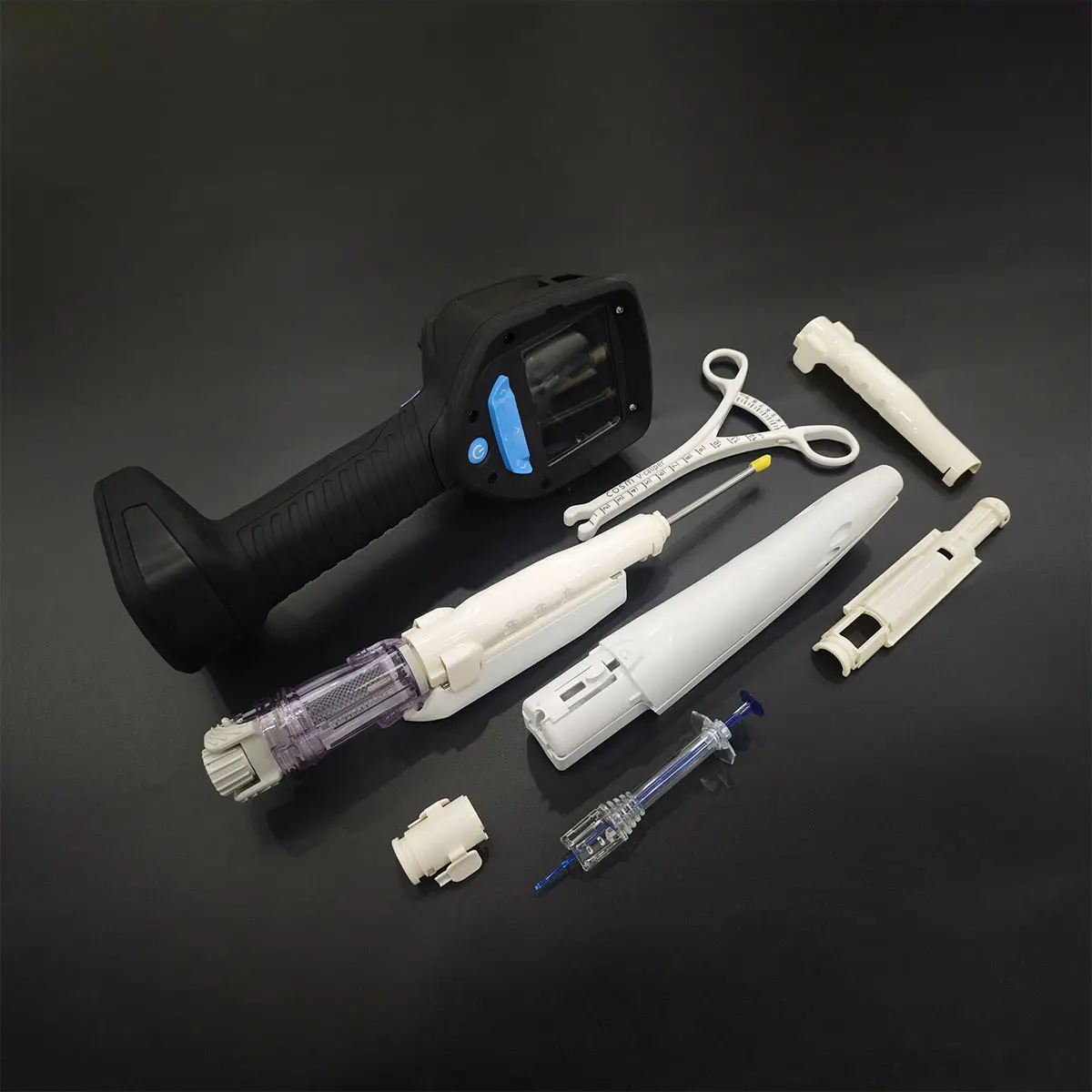
| Surgical & Dental Instruments | Surgical scalpel handles, endoscopic camera housings, trocar cannulas, hemostatic clamps, dental mirrors, and orthodontic tools. | Exceptional mechanical strength, high rigidity, ergonomic tactile feedback, and excellent resistance to autoclave sterilization. |
| Diagnostic & Laboratory Consumables | Microfluidic chips, multi-well culture plates, test tubes, pipette tips, blood collection tubes, and cuvettes. | Optically pristine clarity, zero trace contamination, precise fluid dynamic properties, and chemically inert surfaces. |
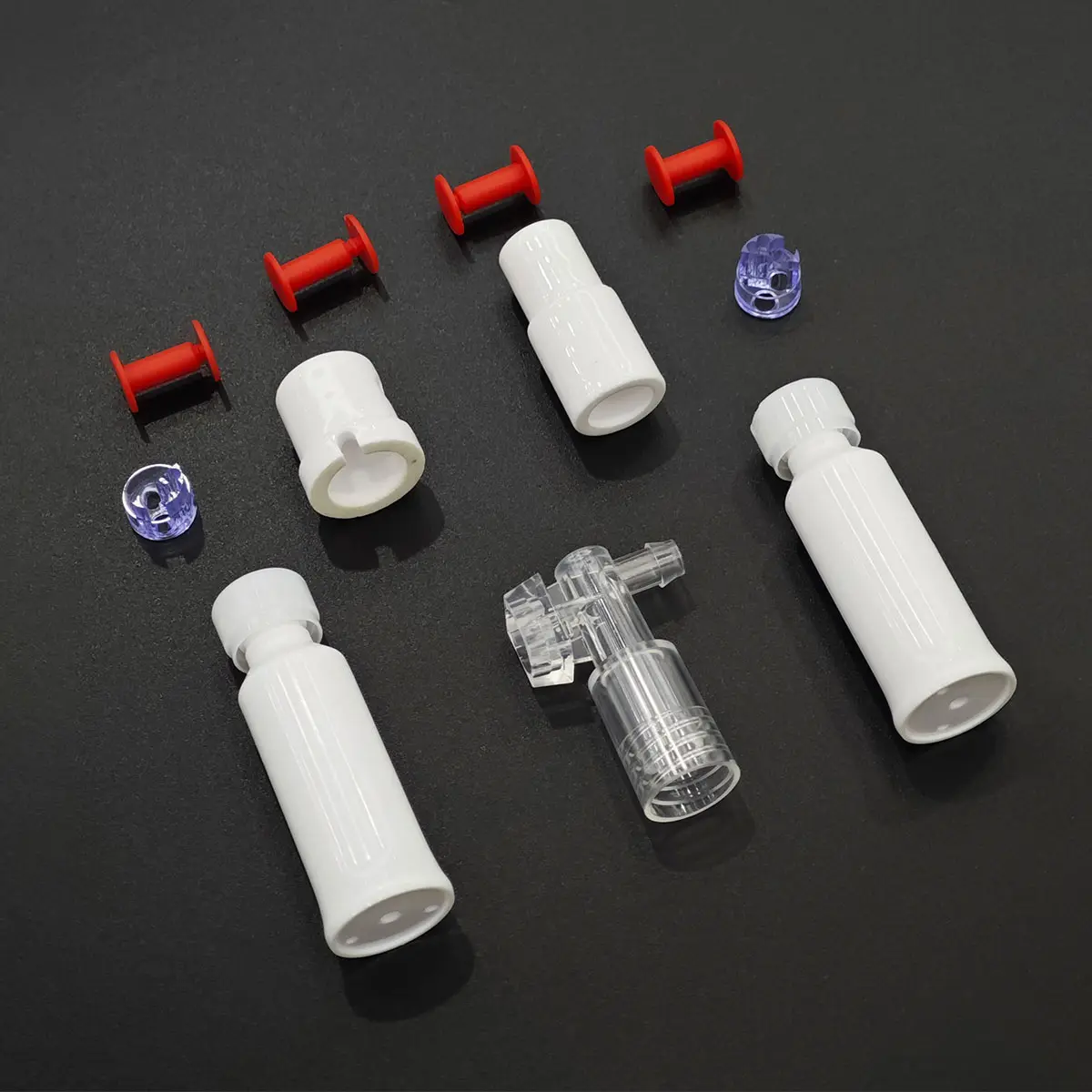
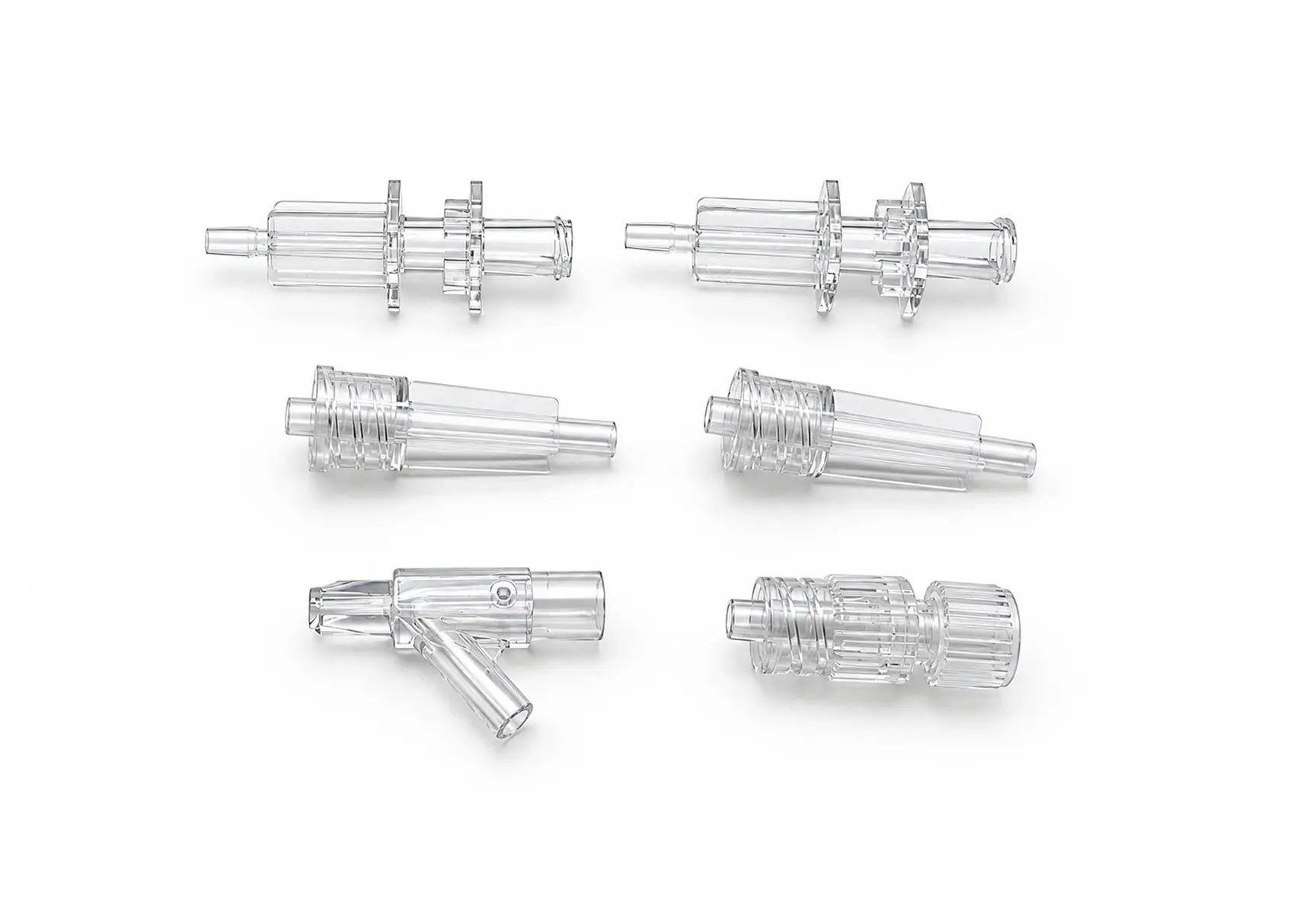
| Drug Delivery Systems | Insulin pen housings, inhaler mouthpieces, pre-filled syringe barrels, intravenous (IV) connectors, and fluid control valves. | Strict compliance with biocompatibility standards, zero risk of chemical leaching, low friction coefficients, and precise fluid metering. |
| Equipment Enclosures & Structural Components | MRI/CT scanner internal brackets, dialysis machine chassis, patient monitor enclosures, and ventilator housings. | High impact resistance, flame retardancy (UL94-V0), robust defense against harsh chemical disinfectants, and structural stability. |
The Pillars of Medical Manufacturing Success
Executing a successful medical-grade production run requires a deeply specialized ecosystem. Achieving perfection relies on two fundamental pillars:
1. Advanced Biocompatibility and Medical-Grade Resins
Unlike standard industrial plastics, medical resins must achieve strict biocompatibility standards (such as USP Class VI and ISO 10993) to interact safely with human tissue and bodily fluids. Furthermore, they must maintain structural integrity after undergoing intense sterilization protocols (e.g., Ethylene Oxide (EtO), Gamma Radiation, or Autoclaving). Premier polymers include:
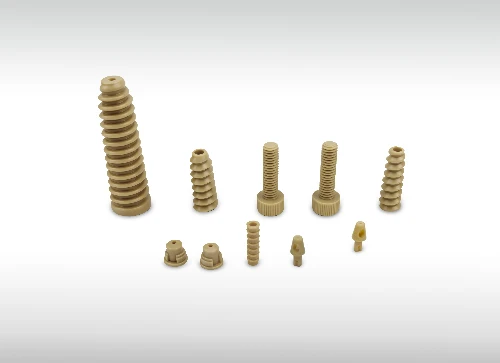
PEEK (Polyetheretherketone): Offers outstanding thermal stability and chemical resistance; frequently specified as a lightweight, radiolucent replacement for titanium implants and reusable surgical instruments.
Polycarbonate (PC): Provides elite impact resistance and crystal-clear transparency, making it the industry standard for blood oxygenators, fluid reservoirs, and fluid monitoring components.
Polypropylene (PP): Celebrated for its chemical inertness, high fatigue resistance, and affordability; it serves as the foundation for mass-produced laboratory consumables and high-yield disposable syringes.
2. Certified Cleanroom Environments and Validation
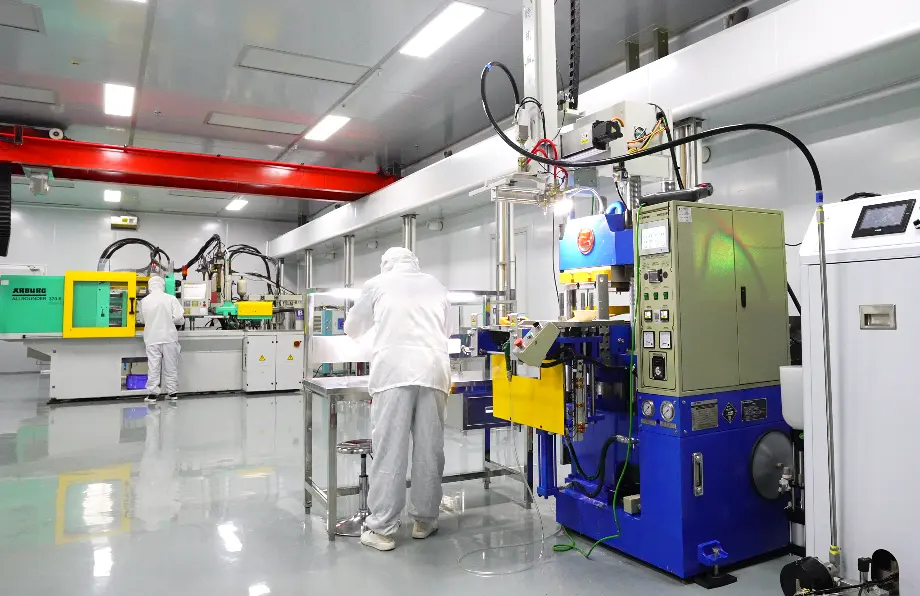
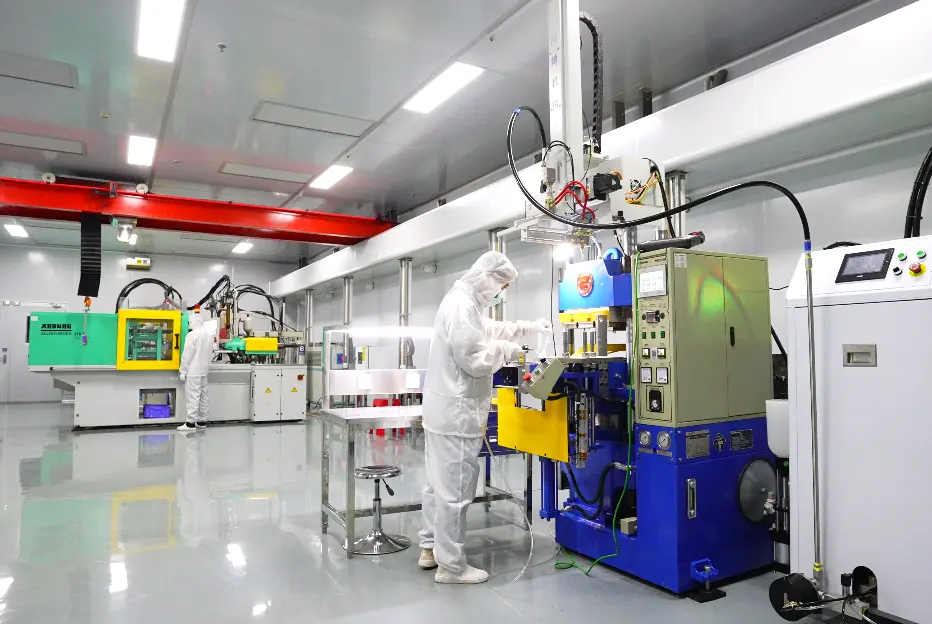
Contamination can compromise patient outcomes and ruin an entire product batch. Because of this, leading manufacturers build specialized, climate-controlled environments certified under ISO 13485 standards. The injection, automated assembly, and primary packaging lines operate within strict ISO Class 7 or Class 8 cleanrooms to eliminate airborne particles and microbial vectors.
Furthermore, every process must be validated through rigorous Installation Qualification, Operational Qualification, and Performance Qualification (IQ/OQ/PQ) methodologies to satisfy global regulatory bodies like the FDA and EMA.
Strategic Insight for Product Teams
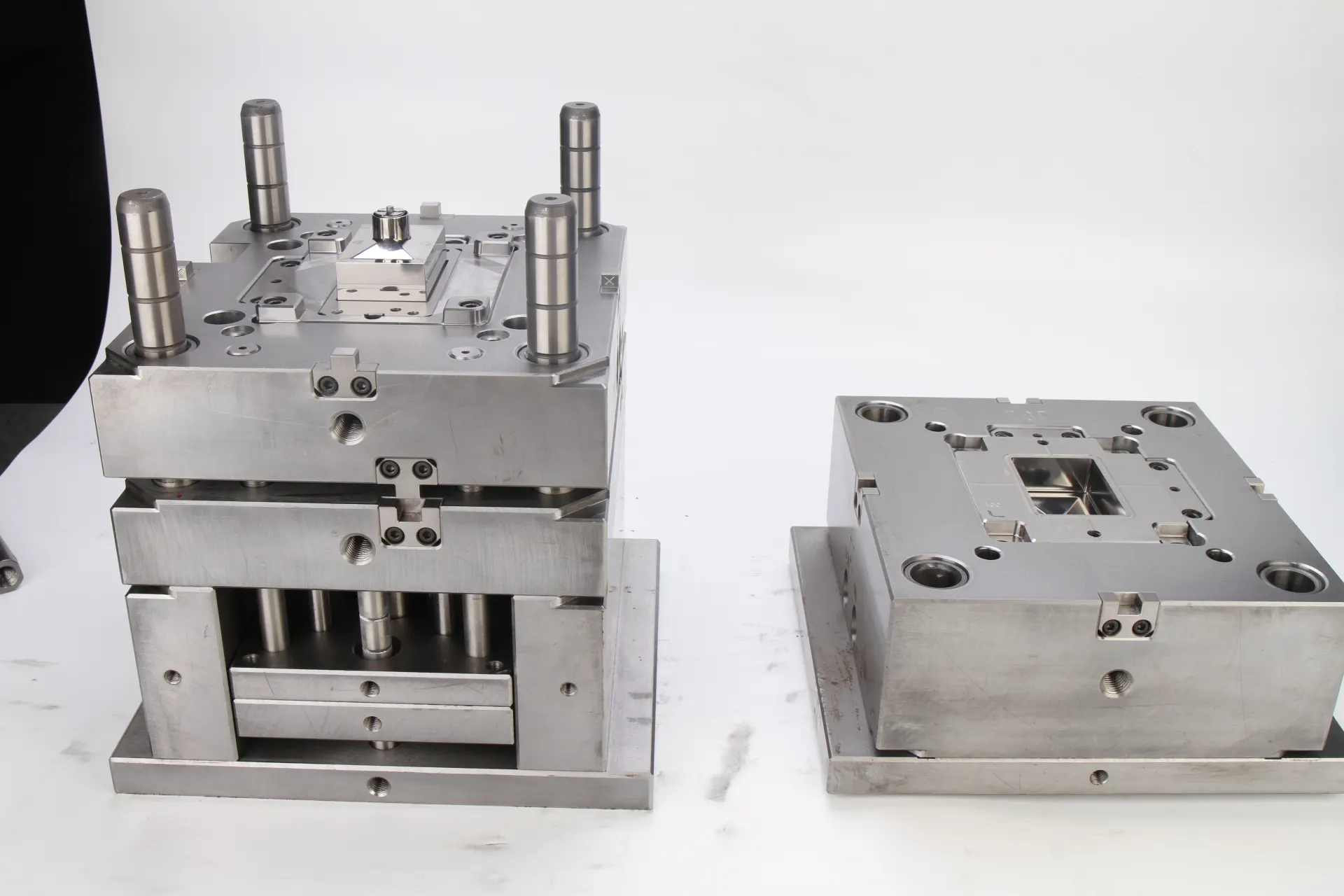
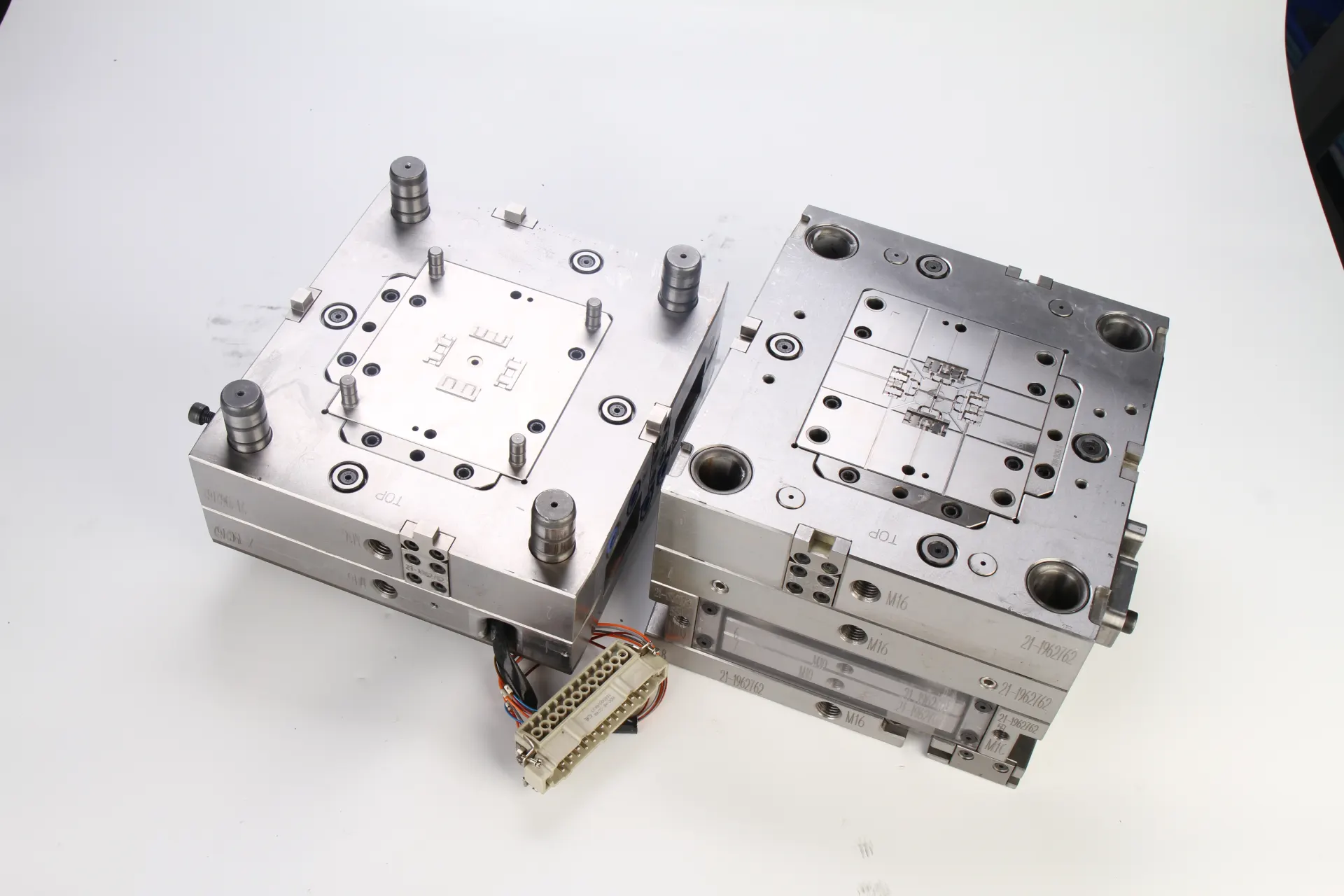
Medical injection moulding is an intricate convergence of polymer science, pristine environmental management, and meticulous mold design.
Engaging an experienced manufacturing partner during the early Design for Manufacturing (DFM/OEM) phase is the most effective approach to eliminate compliance bottlenecks, minimize material waste, and accelerate your time-to-market.
We have ISO 13485 certification and a cleanroom with a cleanliness level of ten thousand, which will facilitate the development of injection molding medical products.
Contact Information:
Email: Yuliya.chen@yizemould.com
Telephone/WhatsApp: +86 13342659272
Welcome to learn about our company's technical capabilities and case studies.
FAQ
Q1: Why can't standard industrial molding be used for medical plastic injection molding?
Industrial-grade molding and medical plastic injection molding operate under entirely different regulatory and quality frameworks. The medical sector enforces a zero-tolerance policy regarding contamination. The core differences include:
Strict Environmental Controls: Medical molding must occur inside certified, climate-controlled cleanrooms (typically ISO Class 7 or Class 8) to eliminate airborne particles, microbes, and grease.
Specialized Machinery: Leading facilities utilize all-electric injection molding presses to remove the risk of hydraulic fluid leaks or airborne oil mist.
Rigorous Validation Protocols: Medical components require complete Installation, Operational, and Performance Qualification (IQ/OQ/PQ) parameters alongside ISO 13485 quality management compliance to satisfy FDA and global audits.
Q2: What are the most common biocompatible resins used when injection molding medical devices?
When engineering and injection molding medical devices, the selected raw polymers must comply with strict biocompatibility standards, such as USP Class VI and ISO 10993. The most reliable resins chosen by engineers include:
PEEK (Polyetheretherketone): Known for its exceptional structural strength, rigidity, and resistance to repeated autoclave sterilization; it is frequently utilized as a lightweight substitute for titanium in implants and reusable surgical tools.
Polycarbonate (PC): Offers crystal-clear transparency and premium impact resistance, making it ideal for components requiring visual fluid monitoring, such as blood oxygenators and fluid reservoirs.
Polypropylene (PP): Provides high chemical resistance and cost efficiency, serving as the foundational resin for mass-produced disposable syringes and laboratory consumables.
Q3: What cleanroom classifications are mandatory for manufacturing plastic injection molding medical parts?
The exact cleanroom class required to fabricate plastic injection molding medical parts depends entirely on the component's final application and its level of contact with the human body:
ISO Class 8 (Class 100,000 Cleanroom): The baseline standard for most medical device enclosures, monitoring housings, diagnostic equipment components, and non-invasive packaging structures.
ISO Cass 7 (Class 10,000 Cleanroom): Mandatory for invasive surgical components, internal drug delivery paths (e.g., components for insulin pens), microfluidic diagnostics, and any part directly contacting the bloodstream or sterile tissue.
Q4: How do companies balance high tooling expenses with per-unit costs in medical device injection moulding?
Initial steel tooling investments for medical device injection moulding are high due to the extreme precision and multi-cavity architectures required. To achieve the best return on investment, teams utilize a two-pronged approach: