



-

Advantages of Liquid Silicone Rubber (LSR): Why It Is Replacing Traditional Rubber and Plastics
-
LSR Injection Molding (Cold Runner) vs. Compression Molding LSR (Runnerless): Process & Selection Guide
-
Medical Injection Molding DFM Checklist & Design Guidelines
-
Liquid Silicone Rubber (LSR) vs. Thermoplastic Injection Molding for Medical Devices

Common Issues in Medical Device Plastic Injection Molding
2026-07-11




复制成功
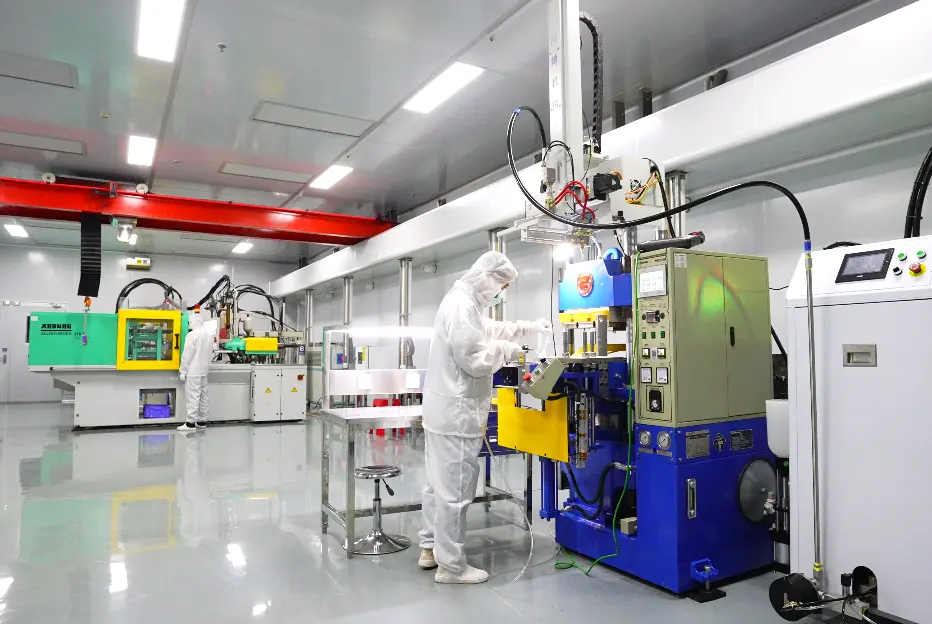
Plastic injection molding is a cornerstone of medical device manufacturing, valued for its precision, scalability, and material versatility. However, because medical devices must comply with rigid regulatory standards like GMP and ISO 13485, even minor cosmetic flaws can escalate into functional failures or bio-contamination risks.
Understanding common defects, their root causes, and prevention strategies is critical to ensuring patient safety and maintaining high yield rates.
5 Common Medical Device Plastic Injection Molding Defects & Prevention Strategies
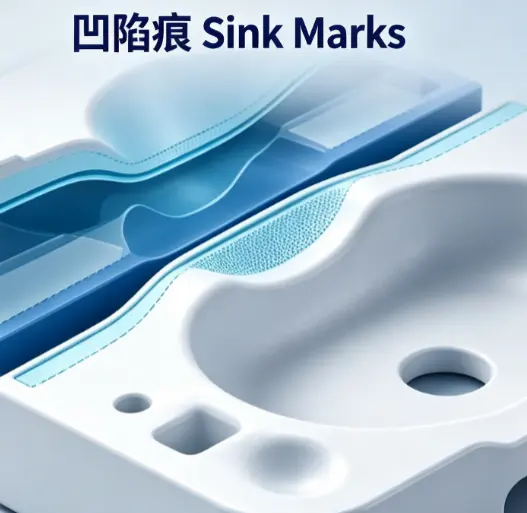
1. Sink Marks
Sink marks are shallow depressions on the molded part's surface. They occur in thicker sections when the inner core material shrinks and pulls inward before the outer skin has fully solidified.
Medical Device Risk: Compromises structural integrity and creates pockets where contaminants can collect.
Prevention:
Optimize Wall Thickness: Maintain uniform wall thickness. Keep rib-to-wall thickness ratios between 40% and 60%.
Increase Holding Pressure & Time: Pack more material into the cavity during cooling to compensate for shrinkage.
Lower Mold Temperature: Allows the outer skin to solidify faster, resisting internal pull.
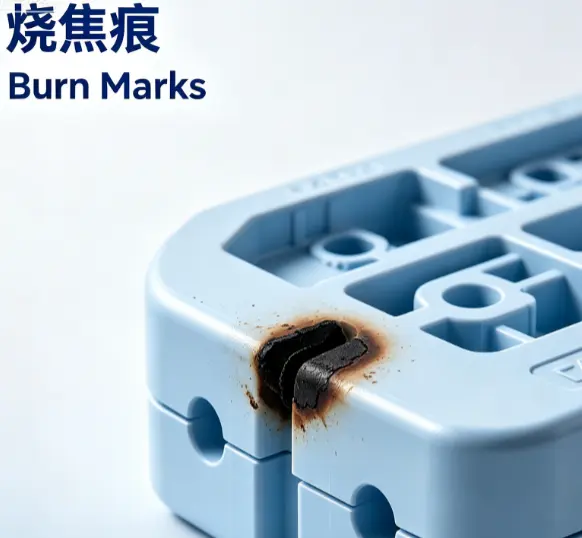
2. Burn Marks (Dieseling)
Burn marks appear as dark or black discolorations on the part's surface or edges. They are caused by trapped air or gas that becomes compressed, overheated, and ignites within the mold cavity during high-speed injection.
Medical Device Risk: Degrades the polymer structure, compromising the component's biocompatibility and mechanical strength.
Prevention:
Improve Venting: Design adequate venting channels within the mold to let trapped air escape.
Reduce Injection Speed: Slow down the filling process to prevent rapid air compression and combustion.
Maintain Molds: Regularly clean vents to eliminate outgassed material residues.
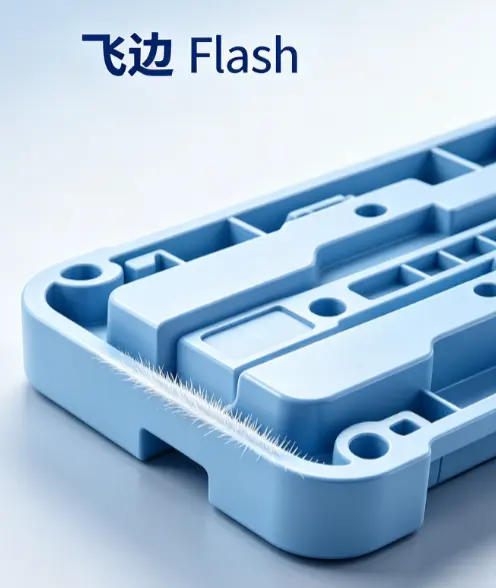
3. Flash (Burrs)
Flash occurs when molten plastic escapes the mold cavity through the parting line or ejector pin gaps, leaving thin, unwanted flaps of plastic on the finished part.
Medical Device Risk: Loose plastic fragments can break off inside a device, causing mechanical failure or entering a patient's bloodstream.
Prevention:
Increase Clamping Pressure: Ensure the machine exerts enough force to counteract high injection pressures.
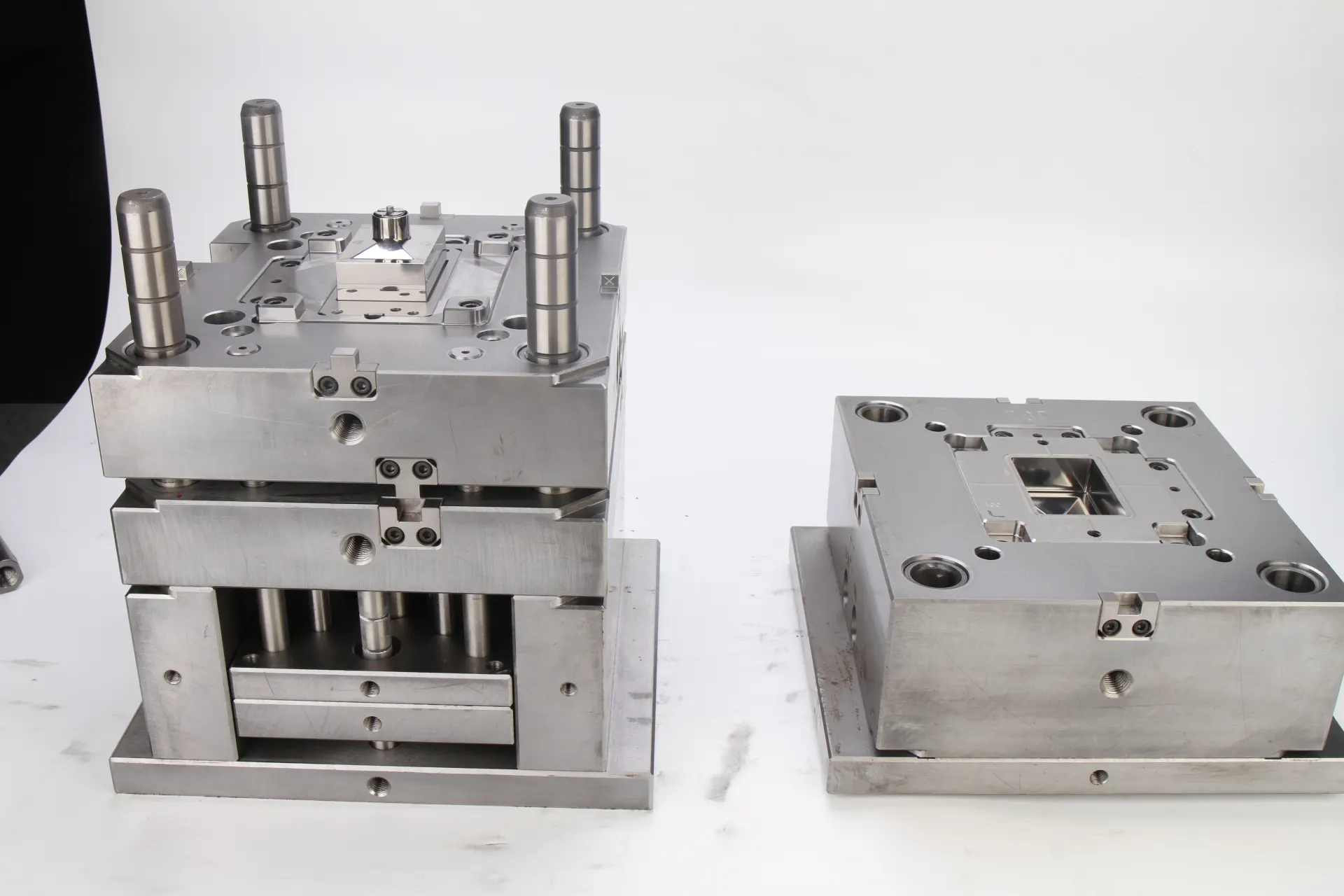
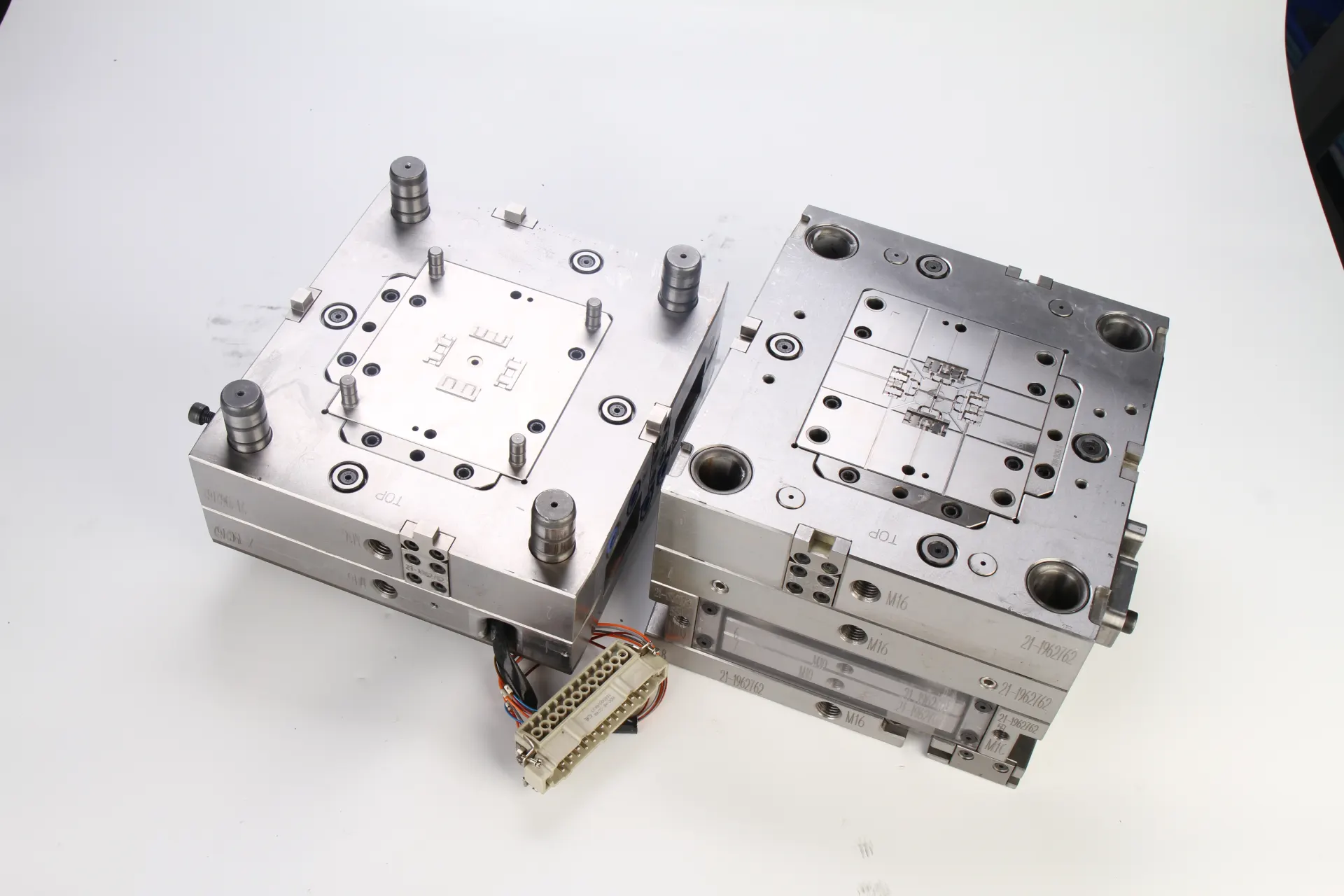
Repair Worn Molds: Inspect parting lines regularly and retool the mold if tolerances have widened.
Adjust Melt Temperature: Lower the melt temperature to increase material viscosity, reducing its tendency to seep into microscopic gaps.
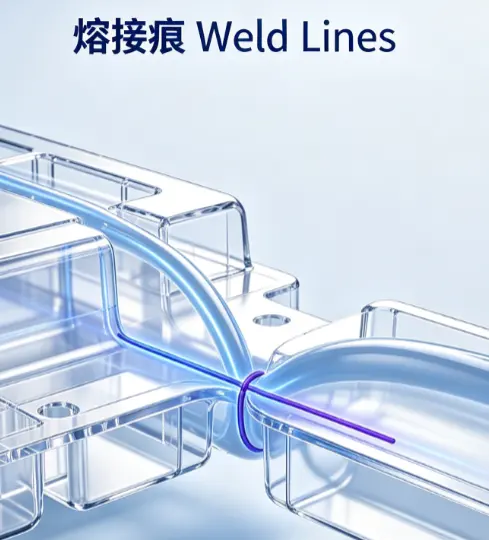
4. Weld Lines (Knit Lines)
Weld lines are visible seams formed where two or more flow fronts of molten plastic meet and fuse during filling.
Medical Device Risk: These lines act as structural weak points. Components under mechanical stress (e.g., syringes or surgical handles) can crack along these seams.
Prevention:
Raise Melt & Mold Temperatures: Keeps the plastic fluid longer, allowing polymer chains to intermingle and form a stronger bond.
Reposition Gates: Relocate gates so that weld lines occur in low-stress, non-critical areas.
Increase Injection Speed: Accelerate filling so flow fronts merge before cooling.
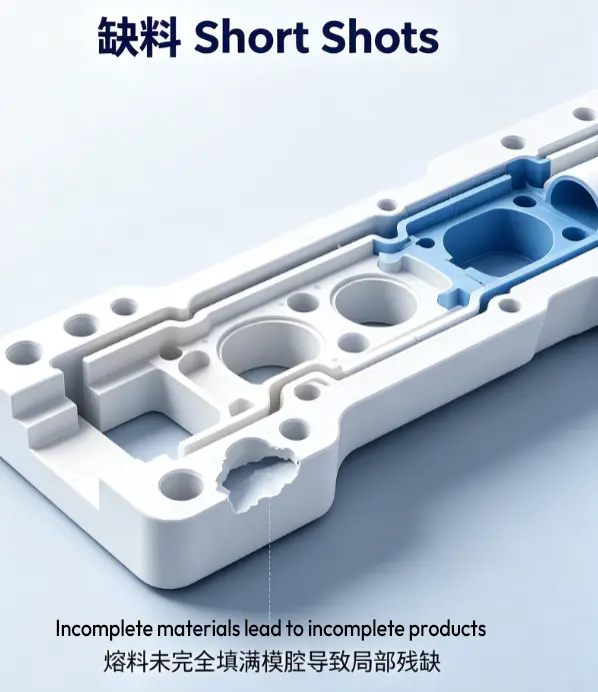
5. Short Shots
A short shot occurs when molten plastic fails to completely fill the mold cavity, resulting in an incomplete or missing section of the final part.
Medical Device Risk: Renders the part immediately unusable due to dimensional inaccuracies, failing strict quality audits.
Prevention:
Increase Material Volume & Pressure: Adjust parameters to inject more material or boost injection pressure.
Lower Material Viscosity: Switch to a higher-flow plastic grade or increase melt temperatures.
Optimize Mold Temperature: Keep the mold warm enough to prevent the plastic from freezing prematurely.
Strict Manufacturing Controls for Medical Injection Molding
Preventing defects in medical molding goes beyond tweaking machine parameters. Because these components demand strict biocompatibility and sterility, the manufacturing process must adhere to rigid operational controls:
| Requirement | Core Focus | Why It Matters |
| Cleanroom Environments | ISO Class 7 or Class 8 cleanrooms | Minimizes airborne particulates, dust, and microbial contamination during molding and packaging. |
| Medical-Grade Resins | PEEK, Polycarbonate, TPU, COP | Ensures materials are biocompatible, stable under sterilization (autoclave, Gamma, EtO), and traceable. |
| Scientific Molding | Data-driven validation (P-V-T curve analysis) | Guarantees absolute repeatability and process control across millions of production cycles. |
Precisely controlling every process detail and specifically addressing various injection molding defects are the core guarantees for the compliant mass production and stable delivery of medical injection molding products.
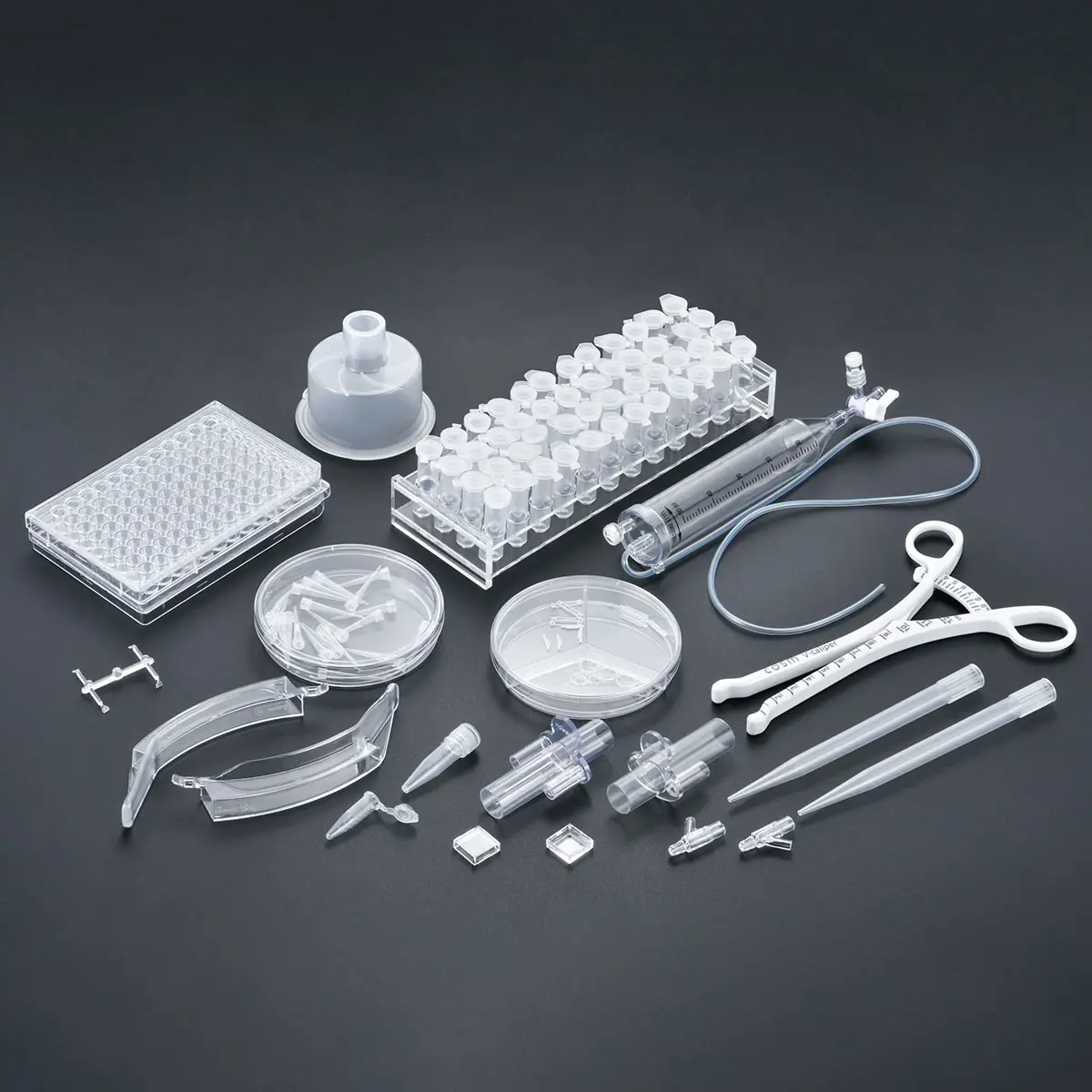
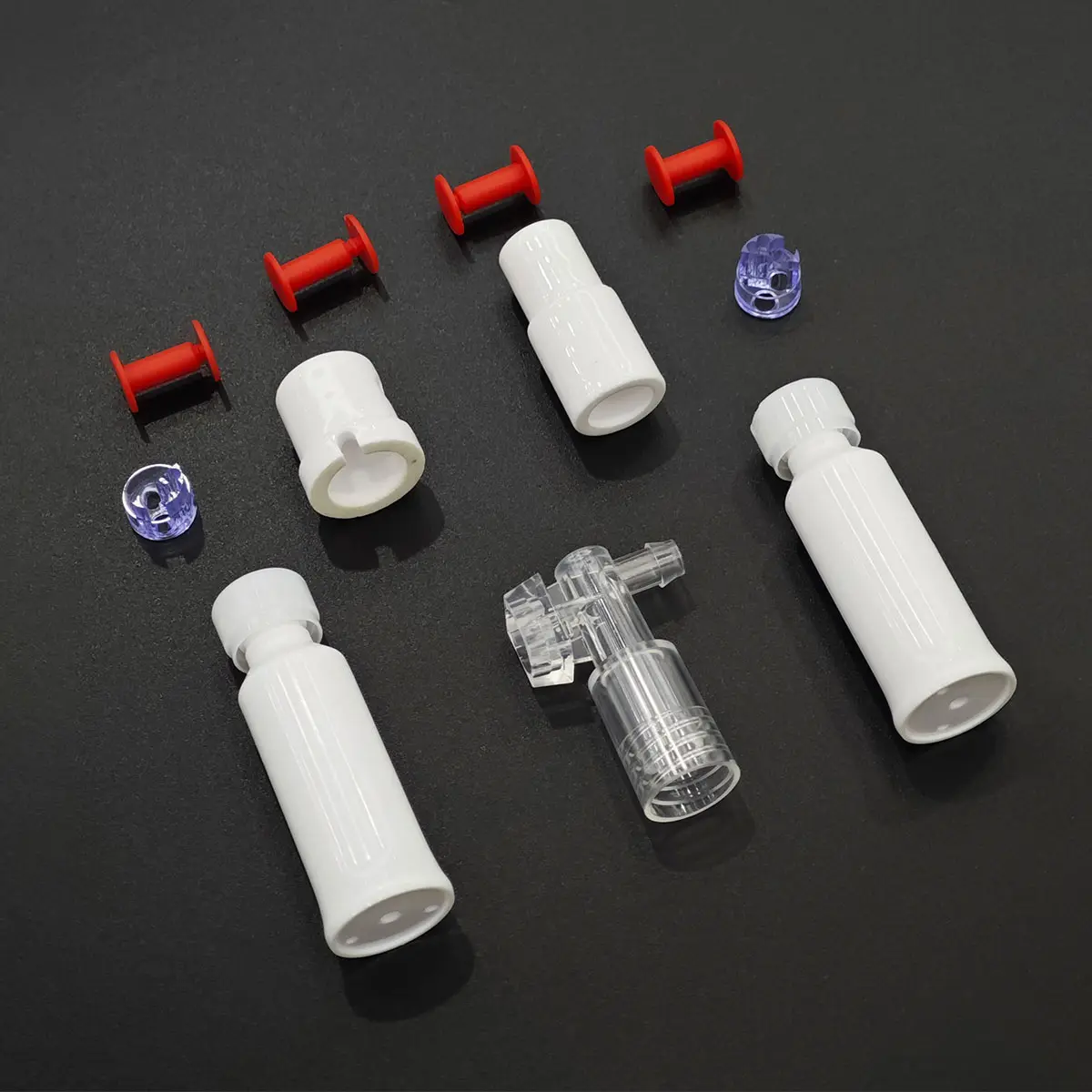
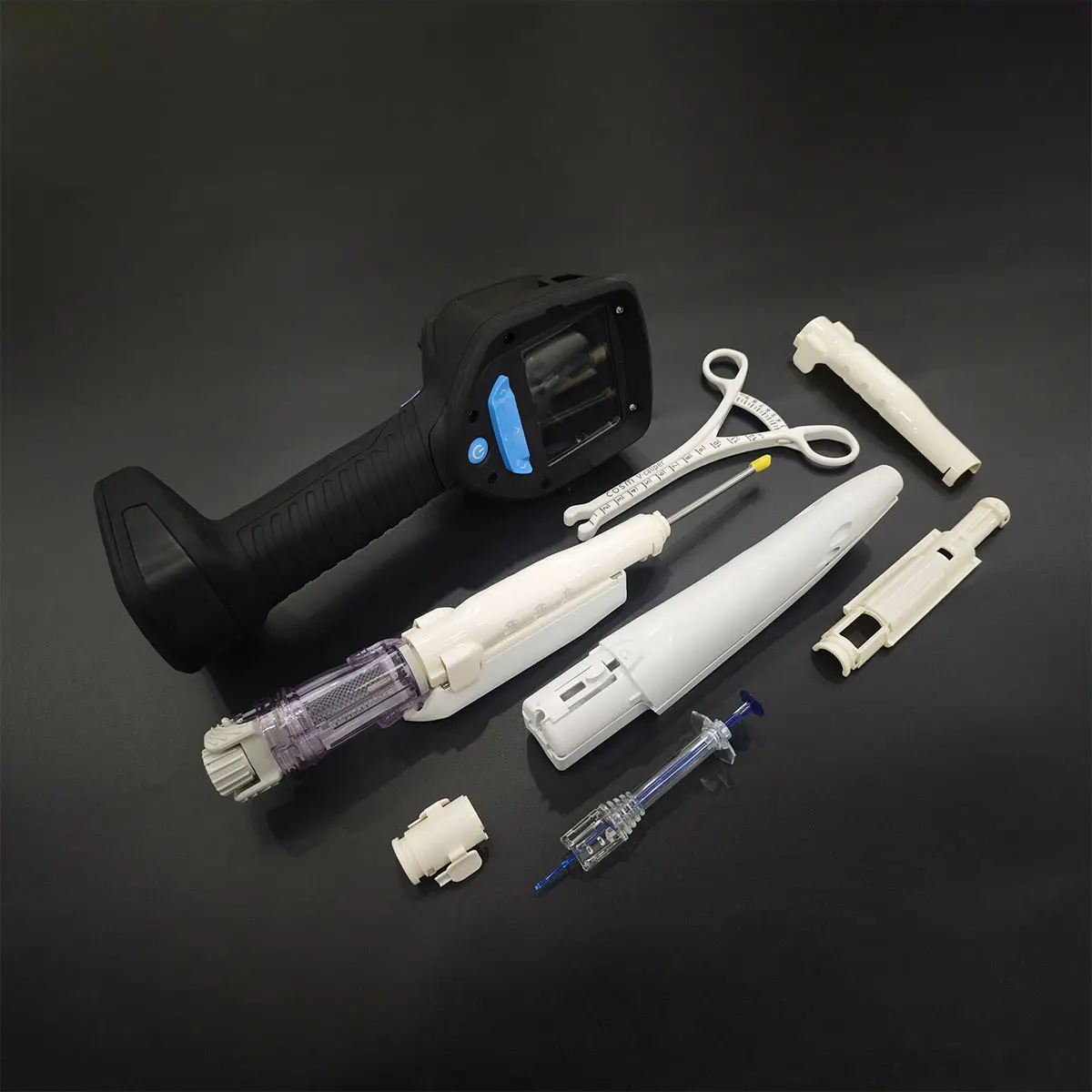
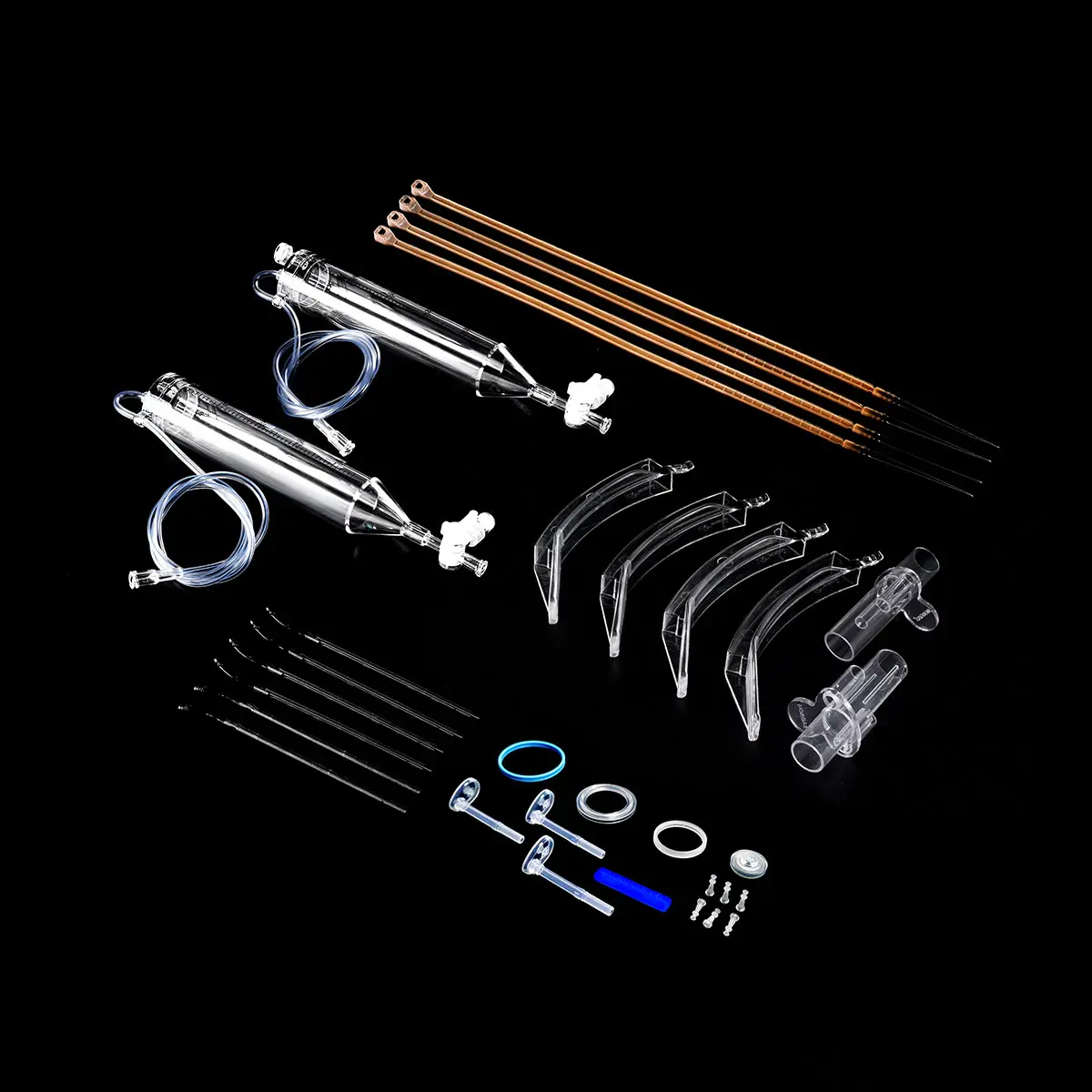
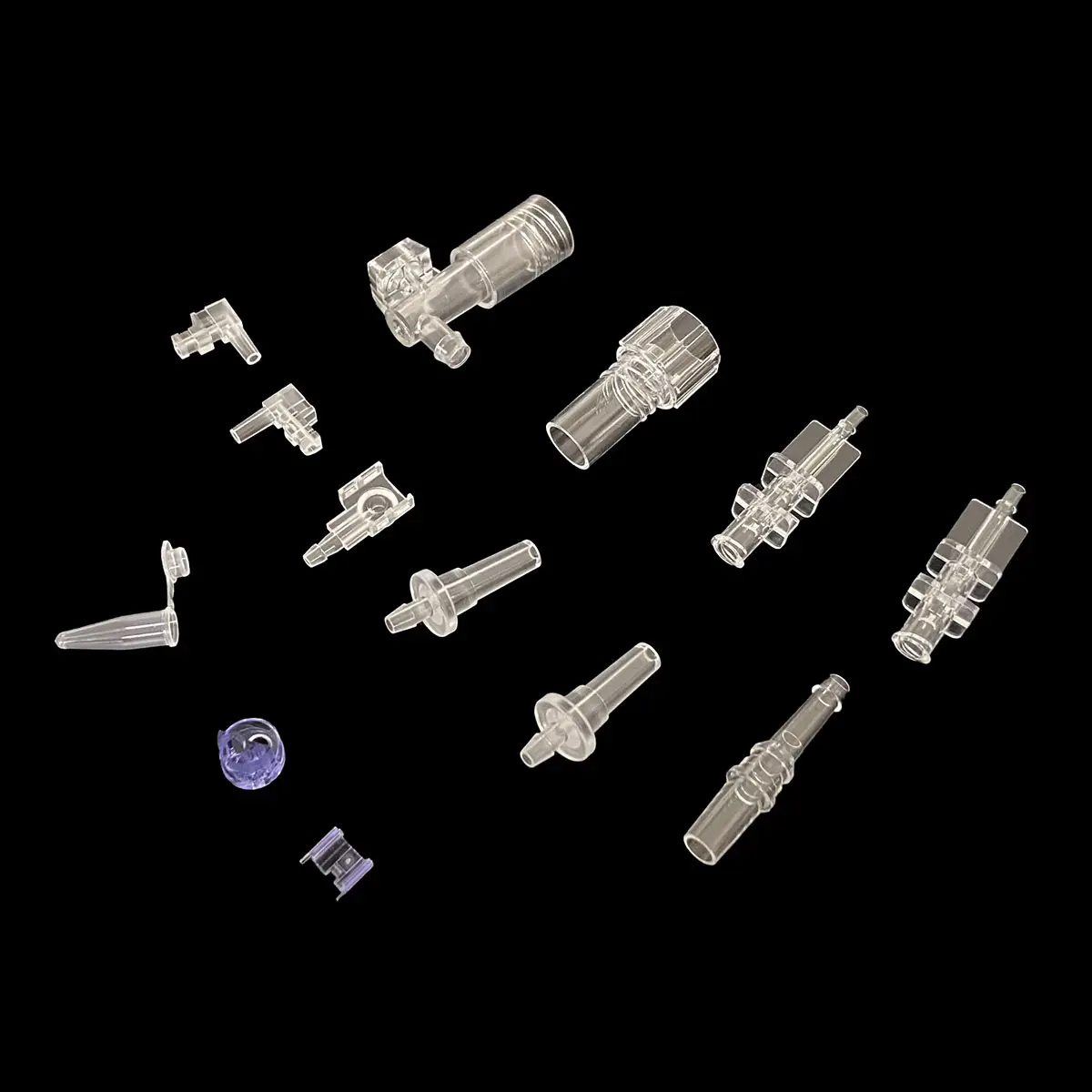
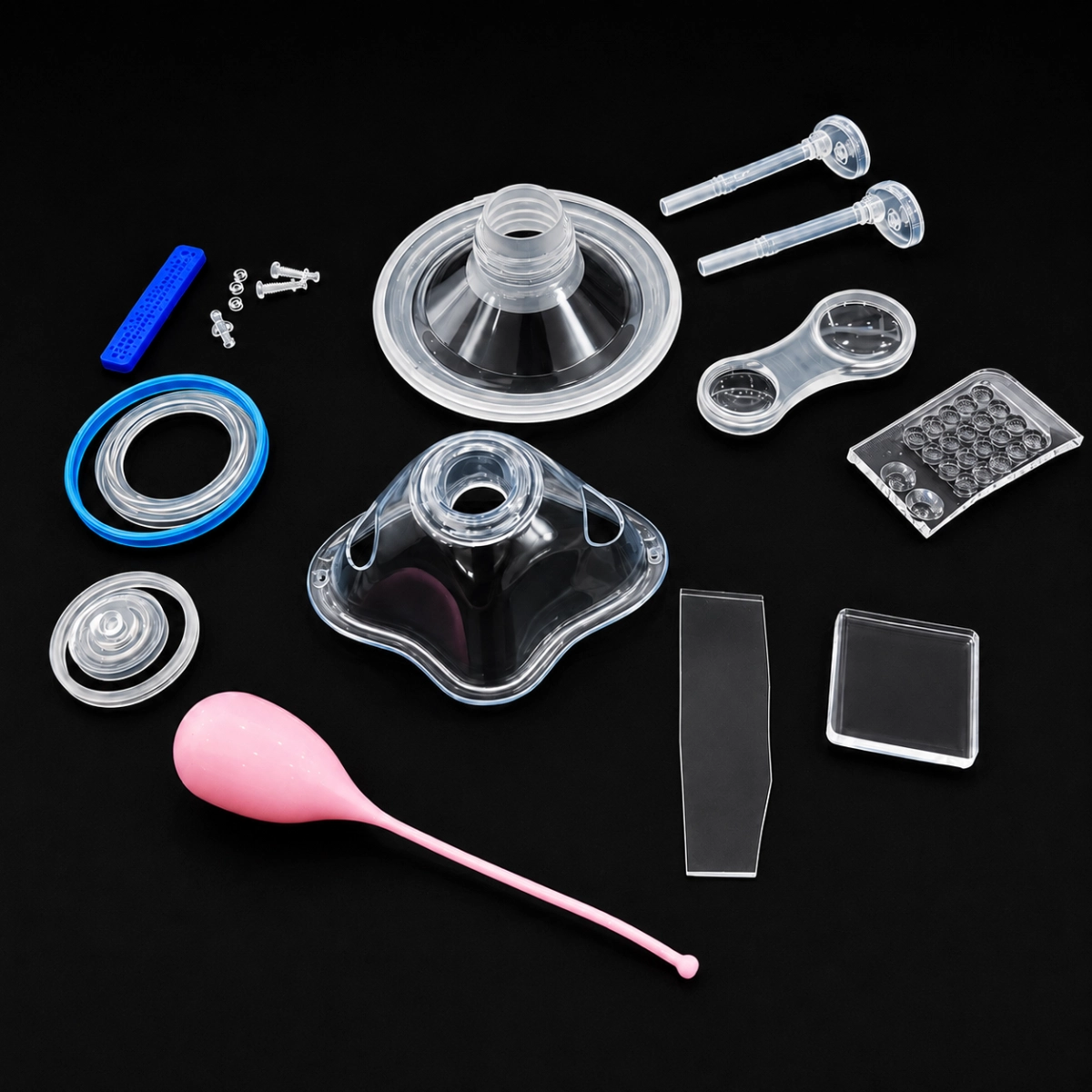
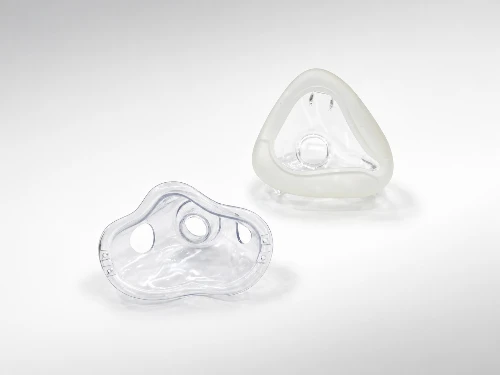
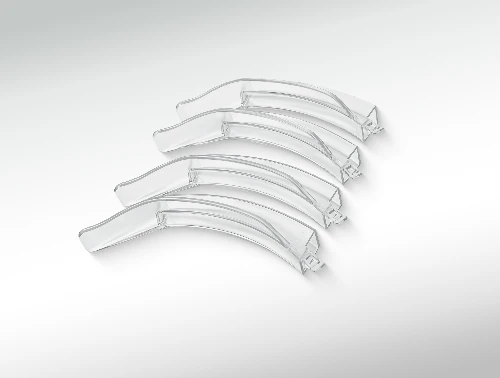
Welcome to learn about us.Case product Medical Surgical Instruments
If you have any needs related to the development of medical injection molding molds, process optimization, or the implementation of mass production, please feel free to contact us at any time for consultation and cooperation.
Email: Yuliya.chen@yizemould.com
Telephone/WhatsApp: +86 13342659272
FAQ
Q1: Large product dimension variation, assembly jamming, and CPK out of specification?
A1: Unstable mold temperature, gate wear, and fluctuating material shrinkage; maintain constant mold waterway temperature, regularly inspect inserts, and fix the raw material grade.
Q2: Batch warping deformation, high scrap rate?
A2: Uneven wall thickness, asymmetric water channels, high internal stress; balanced mold gate reduction, symmetrical gating, and ejection with forming fixtures.
Q3: Is the thin-walled tip/tube not filling properly due to insufficient material?
A3: Poor venting, small gate size, and poor flowability; improve venting, optimize the point gate, and use high-flow medical-grade material