



-

Micro LSR Seal Design: Flash Prevention Tips for Precision Molding
-
Advantages of Liquid Silicone Rubber (LSR): Why It Is Replacing Traditional Rubber and Plastics
-
LSR Injection Molding (Cold Runner) vs. Compression Molding LSR (Runnerless): Process & Selection Guide
-
Medical Injection Molding DFM Checklist & Design Guidelines
How to Select Biocompatible Resins for Medical plastic molding?
2026-07-14




复制成功
In medical plastic molding material selection is not just a matter of structural performance—it is a critical compliance checkpoint. If a molded component fails biocompatibility testing late in the development cycle, the financial impact of re-tooling and re-validation can cost hundreds of thousands of dollars.
This guide breaks down the core regulatory frameworks, evaluates top medical-grade thermoplastic resins, and outlines how manufacturing environments impact compliance.
Understanding Regulatory Frameworks: USP Class VI vs. ISO 10993
When sourcing medical plastics, you will frequently encounter two major standards: USP Class VI and ISO 10993. While they are often mentioned together, they serve different purposes in the regulatory compliance lifecycle.
| [ USP Class VI ] | [ ISO 10993 ] |
| Tests raw plastic resin only. | Tests the FINAL medical device. |
| (Acute systemic toxicity, 5-day) | (Cytotoxicity, sensitization, etc.) |
USP Class VI (United States Pharmacopeia)
USP classification tests the raw plastic resin itself. Plastics are rated from Class I to Class VI based on a series of in vivo (live tissue) biological reactivity tests. Class VI is the most stringent, requiring acute systemic toxicity, intracutaneous reactivity, and short-term implantation tests. Achieving USP Class VI status means the base polymer has a low level of toxicity and is inherently safe for medical environments.
ISO 10993 (International Organization for Standardization)
While USP Class VI looks at the raw material, ISO 10993 evaluates the final medical device in its fully manufactured state. ISO 10993 is a rigorous, 20-part international standard that assesses biological risk based on:
Nature of contact: Surface, external communicating, or internal/implantable.
Duration of contact: Limited (less than 24 hours), prolonged (24 hours to 30 days), or permanent (greater than 30 days).
Depending on these categories, your final molded part may undergo tests for cytotoxicity (cell damage), sensitization, hemocompatibility (blood interactions), or pyrogenicity (fever-inducing reactions).
Critical Note: A raw resin certified to USP Class VI does not automatically guarantee an ISO 10993 pass for the finished part. Cross-contamination during injection molding, pigment additives, or molded-in stresses can still cause a final device to fail.
Top Medical-Grade Resins for medical plastic molding
Different applications demand specific mechanical, chemical, and thermal properties. Below is a comprehensive selection matrix for the most widely utilized medical-grade polymers in injection molding.
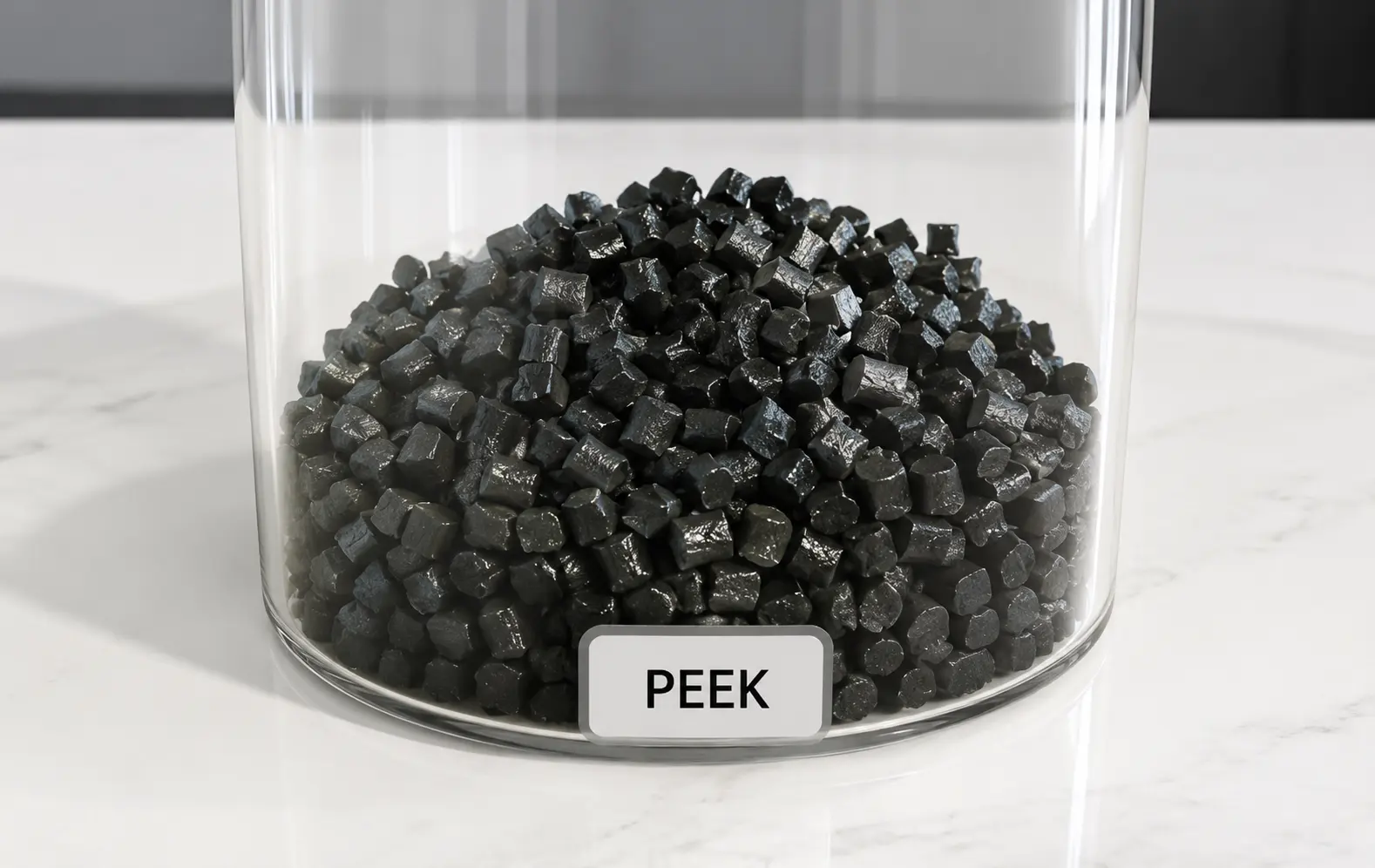
Medical Resin Selection Matrix
| Material | Key Properties | Biocompatibility Level | Sterilization Compatibility | Common Applications |
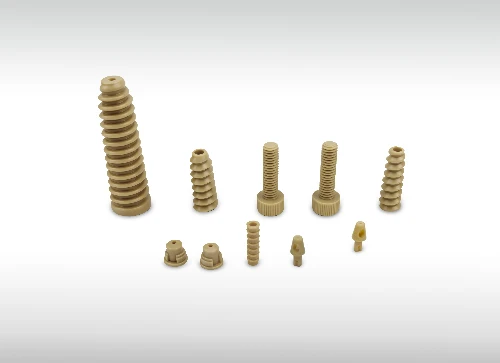
| PEEK (Polyetheretherketone) | Ultra-high strength, metal replacement, excellent wear resistance | Implantable (Long-term), ISO 10993-1 | Autoclave, Gamma, EtO, VHP | Bone screws, spinal cages, surgical implants |
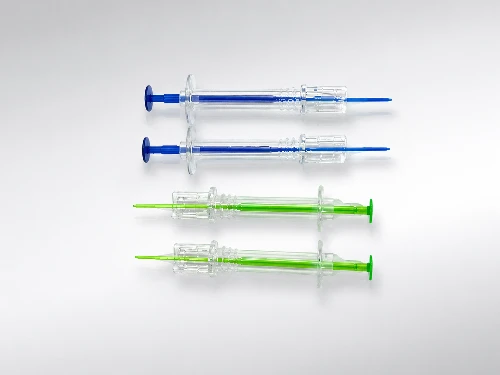
| Polycarbonate (PC) | High optical clarity, extreme impact resistance, dimensional stability | USP Class VI | Gamma, EtO (Avoid repeated Autoclave) | Syringes, dialyzer housings, surgical instrument casings |
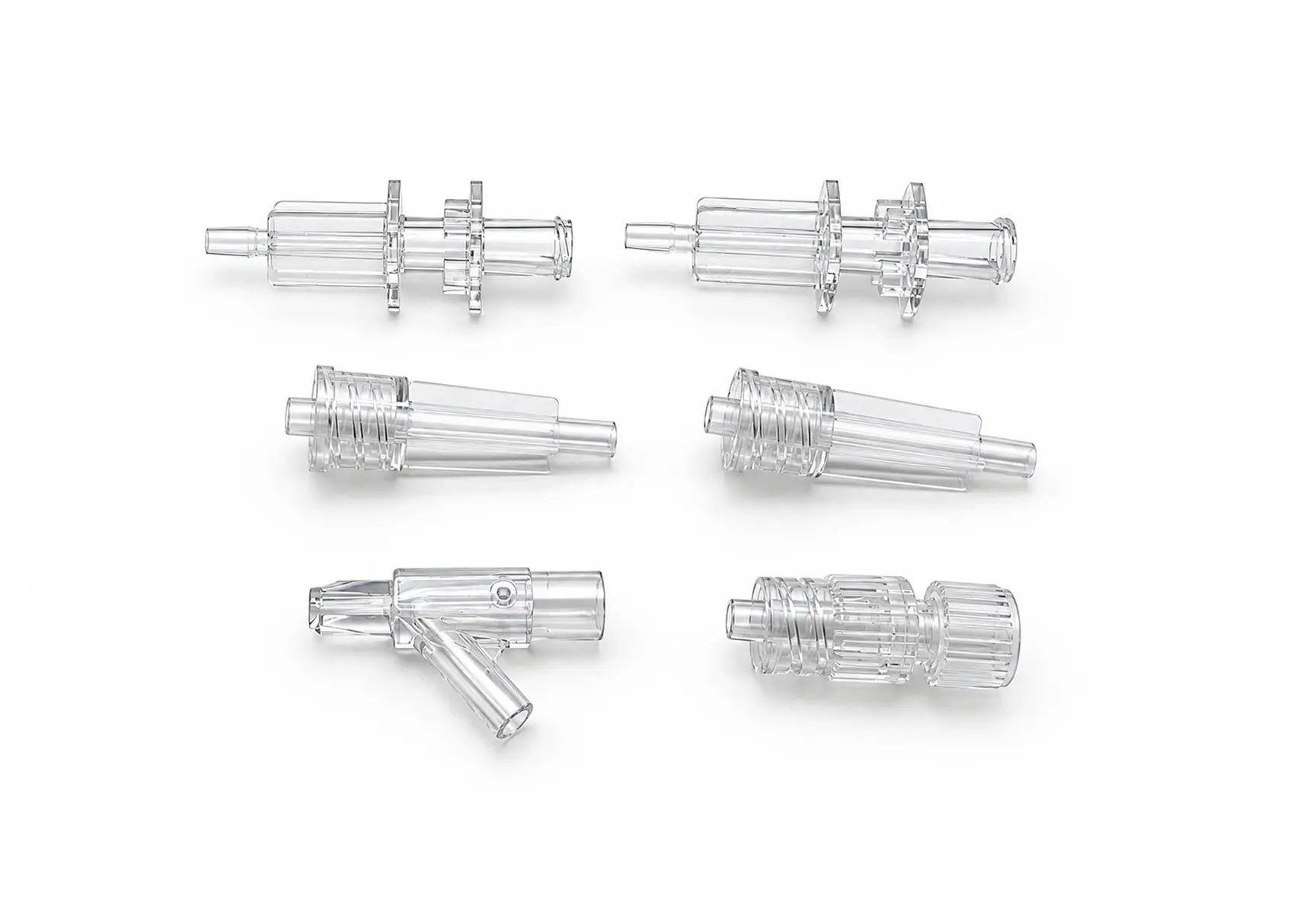
| Polypropylene (PP) | Chemical resistance, high fatigue life (living hinges), low cost | USP Class VI | Autoclave, EtO (Gamma can cause yellowing) | Disposable labware, caps, connectors, specimen cups |
| Liquid Silicone Rubber (LSR) | Highly flexible, elastomeric, inert, thermal stability (-50°C to 200°C) | Implantable, ISO 10993 | Autoclave, Gamma, EtO | Seals, gaskets, catheter tips, respiratory masks |
| PEBAX (Polyether Block Amide) | Variable flexibility, excellent kink resistance, low coefficient of friction | USP Class VI | Gamma, EtO | Catheter shafts, angioplasty balloons, flexible tubing |
Sterilization Compatibility: The Silent Material Killer
A resin might feature perfect mechanical properties, but if it degrades during the sterilization cycle, it is useless for medical applications. You must match your polymer selection against the intended sterilization protocol:
Autoclave (Steam Sterilization): Exposes parts to high pressure and moisture at temperatures typically around 121°C to 134°C. Amorphous plastics like Polycarbonate can suffer from hydrolytic degradation and stress cracking under repeated steam exposure. High-performance crystalline polymers like PEEK and certain grades of Polypropylene excel here.
Ethylene Oxide (EtO): A low-temperature gas sterilization method. Because it does not rely on extreme heat, it is highly compatible with almost all medical plastics. However, the molded parts must be designed to allow gas dissipation and prevent dangerous gas residuals.
Gamma Radiation: High-energy radiation that sterilizes via molecular disruption. While highly effective, it breaks polymer chains in certain materials. For example, standard Polypropylene becomes brittle and turns a distinct yellowish hue after Gamma exposure. If radiation is required, you must explicitly source Gamma-stabilized resin grades.
Avoiding Contamination: The Manufacturing Environment
Selecting a certified biocompatible polymer is only half the battle. The injection molding environment can easily compromise pristine medical-grade material.
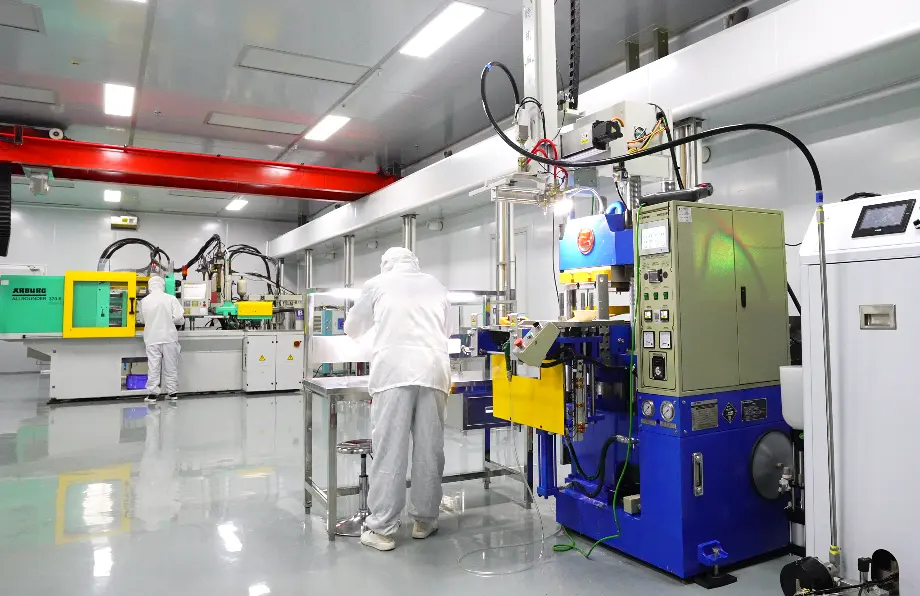
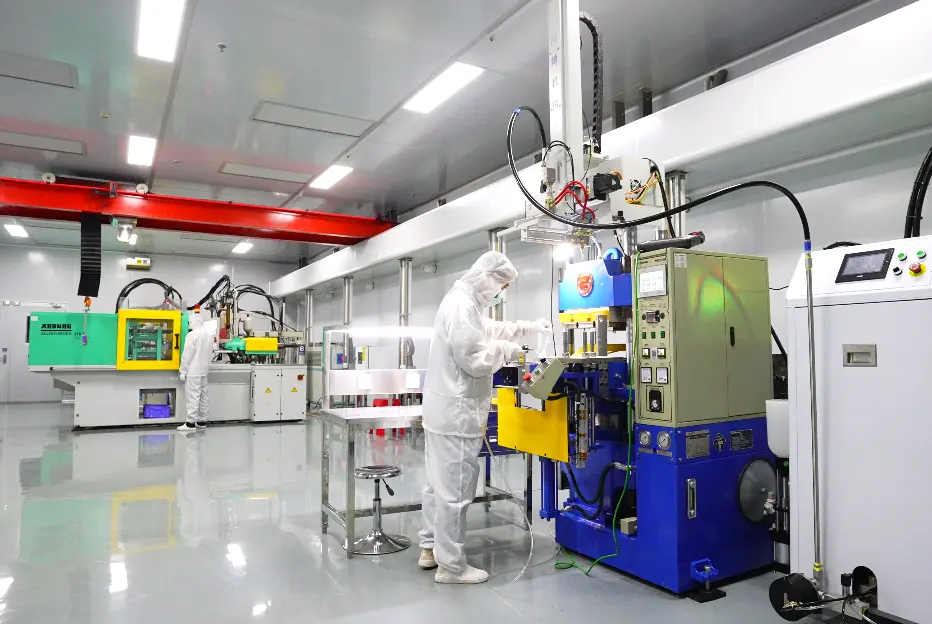
To maintain the biological integrity of the resin, manufacturing should take place within a controlled environment, specifically a certified ISO Class 7 or ISO Class 8 Cleanroom.
[ Virgin Resin Inbound ]
▼
[ Closed-Loop Feeding ] ───► Prevents airborne dust/particulate contamination
▼
[ Electric Molding Press ] ───► Eliminates hydraulic oil mist risks
▼
[ Controlled Cleanroom ] ───► ISO Class 7/8 positive pressure environment
Key contamination vectors that must be controlled during production include:
Airborne Particulates: Standard factory floors harbor airborne dust, oil mist, and microscopic debris. In a cleanroom, positive air pressure and HEPA filtration continuously sweep away particulates to prevent them from becoming embedded in the molten plastic.
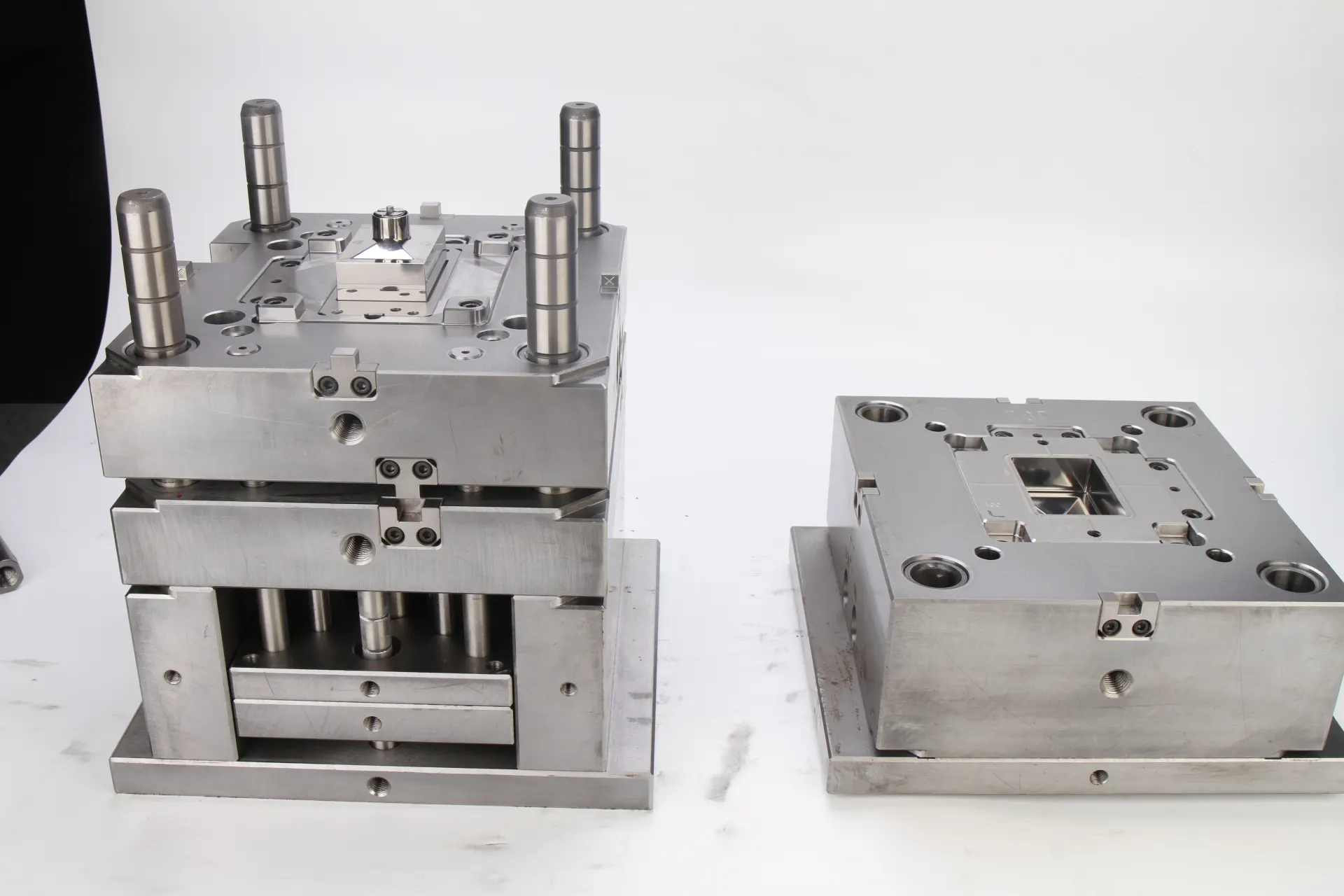
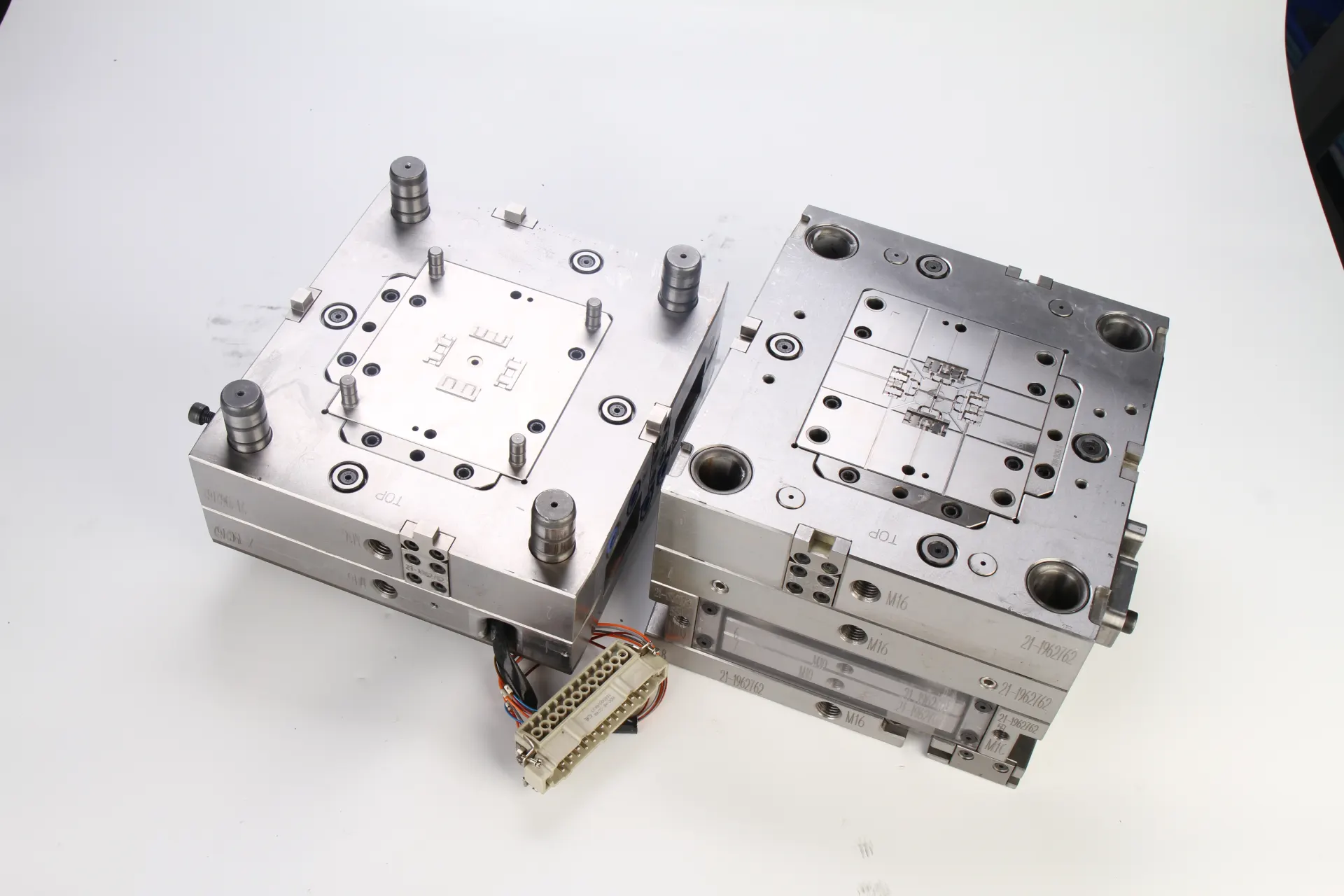
Volatile Volatilization & Additives: Commercial injection molding often utilizes anti-stick sprays or zinc-based mold release agents. In medical molding, these are strictly forbidden. The molder must utilize specialized medical-grade mold releases or optimize tool design (such as mirror-polished cavities and precise draft angles) to achieve clean, mechanical part ejection.
Machine Selection: Hydraulic molding machines carry a risk of oil mist contamination. Leading medical molders utilize all-electric injection molding machinery, which operates cleanly and provides superior shot-to-shot repeatability for tight-tolerance micro-molding.
Conclusion
Successful medical plastic molding requires a holistic approach that bridges polymer chemistry, component design, and pristine manufacturing discipline. By aligning your resin choice with both USP Class VI / ISO 10993 standards and your specific sterilization method early in the Design phase, you mitigate regulatory risks and optimize your path to market.
we specialize in precision medical injection molding. Our facility features certified ISO Class 7 cleanrooms, all-electric molding machinery, and a robust quality management system compliant with ISO 13485.
Have a medical device project in development? Upload your 3D CAD files today for a complimentary, confidential DFM feedback and material compatibility review by our medical tooling engineering team.
Learn more about our customized or contact our engineering team.
Contact Information:
Email: Yuliya.chen@yizemould.com
Telephone/WhatsApp: +86 13342659272
FAQ
Q1: What is the difference between USP Class VI and ISO 10993 for medical plastics?
A: USP Class VI tests the raw plastic resin itself for acute toxicity. ISO 10993 is a much broader international standard that tests the final, fully manufactured medical device based on its biological contact type and duration. Using a USP Class VI certified resin is an excellent starting point, but it does not automatically guarantee ISO 10993 compliance for your finished molded part due to potential contamination during production.
Q2: Which medical injection molding plastics are best for repeated autoclave sterilization?
A: High-performance crystalline polymers like PEEK (Polyetheretherketone) and specialized medical-grade Polypropylene (PP) are the best choices for repeated steam autoclave sterilization. Amorphous plastics, such as standard Polycarbonate (PC), are prone to hydrolytic degradation and environmental stress cracking under the high moisture and temperatures of autoclave cycles, making them better suited for EtO or Gamma sterilization.